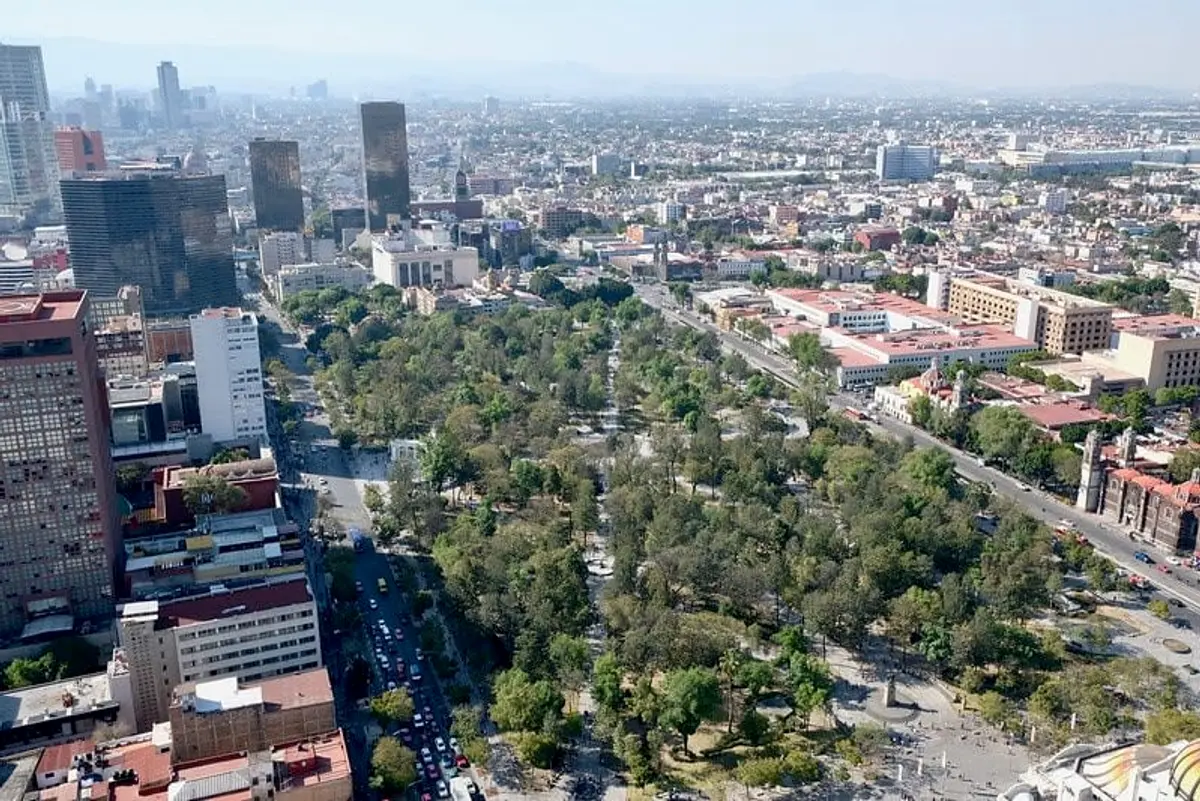
First Time in Mexico? This Is Your Itinerary (2026)
Everybody gives first-timers the same advice: fly into Cancún, go to Tulum, maybe add a cenote day trip. That’s fine if you want a Caribbean beach vacation. It’s not fine if you want to understand why people fall in love with Mexico and can’t stop coming back.
Cancún plus Tulum is about 5% of Mexico. The other 95% is where the real stuff lives.
This is the route I give every friend traveling Mexico for the first time — 10 days, five stops, two airports. It works for most nationalities and most budgets. It covers the colonial core, the best food region on the continent, and the Caribbean — without wasting your time on overpriced all-inclusives or waiting in line for a bus photo at Chichén Itzá.
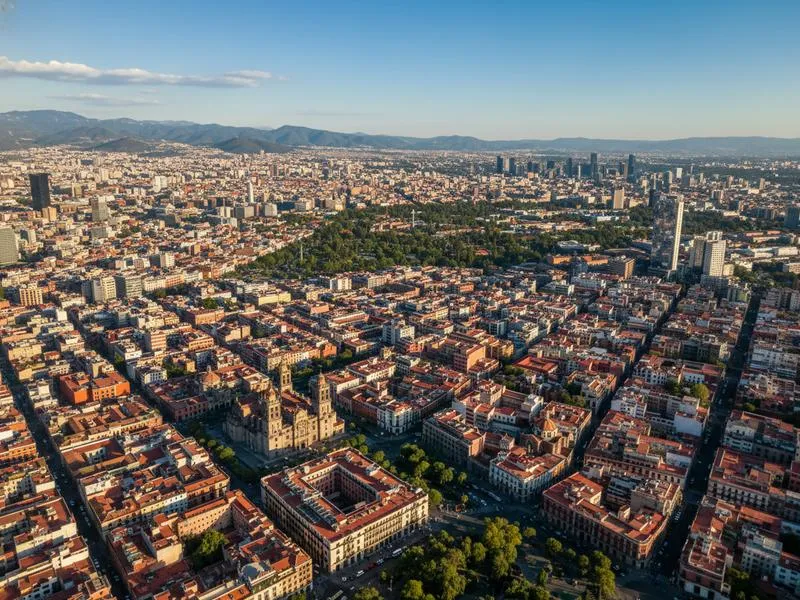
The Route at a Glance
Fly in: Mexico City (CDMX) — Fly out: Cancún (CUN)
| Stop | Nights | How You Get There |
|---|---|---|
| Mexico City (CDMX) | 2 | International flight in |
| Oaxaca City | 2 | 1-hour domestic flight (Aeromar/VivaAerobus) |
| Mérida | 2 | 1-hour 40-min domestic flight via CDMX or Interjet Cancún |
| Bacalar | 2 | 2-hour bus from Cancún or Mérida |
| Tulum | 2 | 1.5-hour bus or colectivo from Bacalar |
Why this route: You fly into Mexico’s largest hub (best international prices), get cultural and food depth in two of Mexico’s best cities, then unwind on the Caribbean in two places that are genuinely different from each other. You exit through Cancún, the cheapest international departure in the country.
Total cost (rough estimate): Domestic flights (3) plus intercity buses will run you 250-400 USD for the whole route.
Stop 1: Mexico City — 2 Nights
48-Hour Priority List
You have 48 hours. Most CDMX guides give you 30 things to do. Most of them are wrong priorities. Here’s the actual hierarchy:
Day 1:
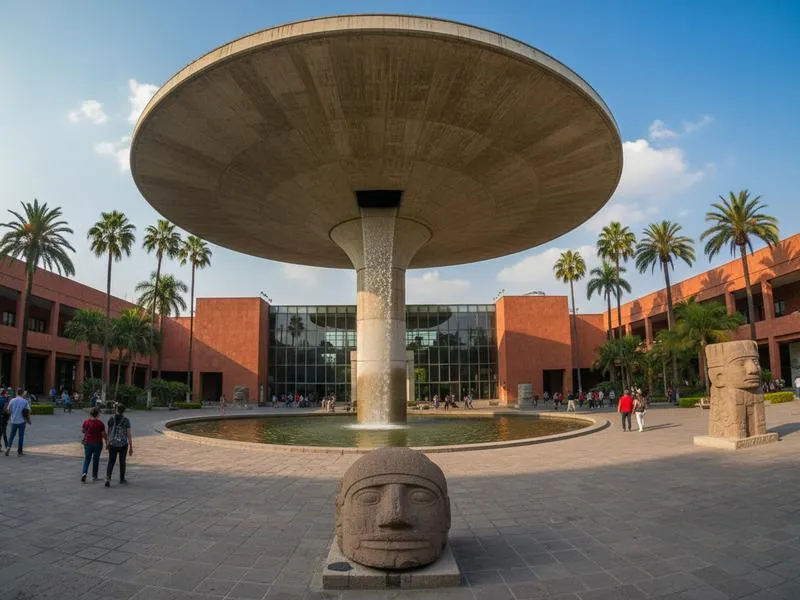
- Morning: Museo Nacional de Antropología. One of the best museums in the world, free for Mexican nationals and low-cost for international visitors (95 MXN). The Aztec Sun Stone alone is worth the trip. Spend 3 hours minimum. Located in Chapultepec Park — walk the park after.
- Afternoon: Condesa or Roma Norte for lunch. The side streets between Álvaro Obregón and Amsterdam Ave have dozens of excellent restaurant options in converted houses. Try Al Andar (Mexican street food elevated), or ask your hotel for the closest taquería locals actually use.
- Evening: Coyoacán neighborhood. Frida Kahlo’s Blue House (Casa Azul) is 220 MXN entry and worth it. The central market at Jardín Hidalgo afterward for tlayudas and churros.
Day 2:
- Morning: Historic Center (Centro Histórico). The Zócalo (main square), Catedral Metropolitana, and the excavated Templo Mayor ruins (adjacent). This is the literal center of the Aztec empire. The Templo Mayor museum is 85 MXN — don’t skip it.
- Afternoon: Walk or Uber to Palacio Nacional — the interior murals by Diego Rivera are extraordinary. Then Mercado de San Juan two blocks away for the best lunch in the city (local produce market with small restaurants inside).
- Evening: Xochimilco if you have energy (colored boats on ancient Aztec canals, mariachi bands, local food vendors). Or Polanco for dinner if you’re exhausted.
What to Skip in CDMX on Your First Trip
- Chapultepec Castle: Good views, long climb, overrated for time spent. Skip unless you have an extra afternoon.
- Teotihuacán as a full-day trip from CDMX: The pyramids are worth visiting — but don’t let them eat your only full day in the city. Book a morning tour (leave 6 AM, back by noon) to leave your afternoon for neighborhoods.
- Avenida Reforma shopping: Skip unless you need something.
Where to Stay in CDMX
Budget (under 700 MXN/night): Hostel Mundo Joven Catedral (Centro Histórico) or Casa de los Amigos (Cuauhtémoc). Both clean, central.
Mid-range (700-2,500 MXN/night): Hotel Carlota (Cuauhtémoc, rooftop pool, excellent design). NH Collection Centro Histórico (great location for sightseeing, reliable quality).
Luxury (2,500+ MXN/night): Condesa DF (iconic, Roma Norte courtyard hotel with terrace bar). Four Seasons Mexico City (Paseo de la Reforma, genuinely exceptional).
What to Eat in CDMX
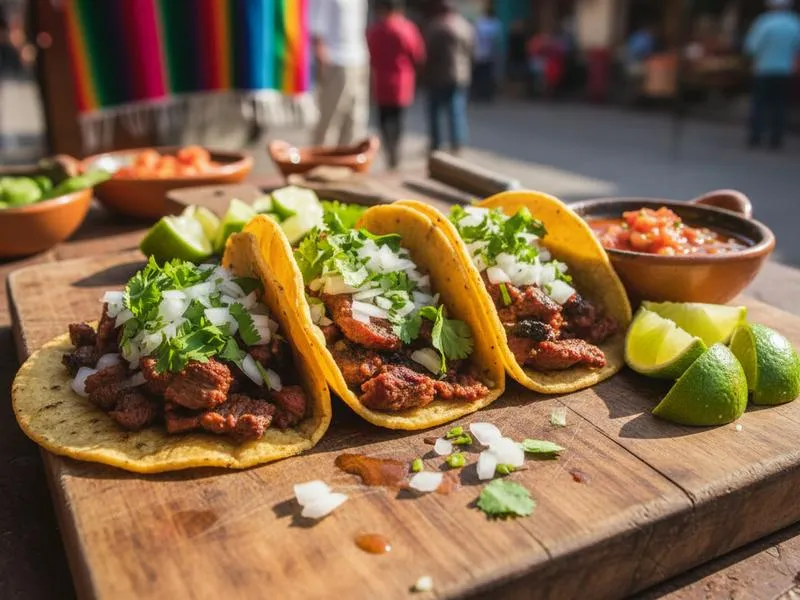
- Tacos al pastor: The Mexico City version (pork on a vertical spit, pineapple, served on tiny corn tortillas) is different from anywhere else. Order them at small taquerías, not restaurant chains. El Huequito on Bolívar is a valid tourist option. El Califa de León (5 pesos each) is a CDMX institution.
- Tlayuda: Large Oaxacan-style flatbread. Good preview of stop 2 if you can find it in Roma/Condesa.
- Pozole: Hominy soup with pork and chiles. Best on Thursdays (traditional pozole day). Los Compadres in Centro for a local version.
- Mezcal: CDMX has the best mezcal bars outside Oaxaca. Try a flight at La Botica or any of the mezcalerías in Roma Norte.
Practical Notes (Altitude Warning)
Mexico City sits at 2,240m above sea level. If you’re coming from sea level, you will feel it — headaches, shortness of breath, tiredness — particularly on day 1. This is not a reason to skip CDMX; it just means:
- Drink 3x the water you normally would on day 1
- Don’t plan strenuous sightseeing your first afternoon
- Altitude-related headaches usually resolve by day 2
Avoid alcohol on your first night. It hits harder at altitude and extends the adjustment period.
Getting to Oaxaca
From CDMX, fly. The flight is 55-70 minutes with VivaAerobus or Interjet and typically costs 400-900 MXN if booked in advance. The overnight bus (10 hours) is cheaper but eats a full night. For a 10-day itinerary, fly.
For day tours and activities in Mexico City: Mexico City Travel Guide →
Stop 2: Oaxaca City — 2 Nights
48-Hour Priority List
Oaxaca is the best food city in Mexico, possibly the Western Hemisphere. The city is also visually stunning — green church facades, colonial streets, live music in the zócalo every night. You will want to stay longer. That’s the right reaction.
Day 1:
- Morning: Santo Domingo Church and attached Cultural Museum. Free to enter the church; 65 MXN for the museum. The building itself is one of the finest Baroque churches in the Americas. The gold leafwork took 200 years.
- Late morning: Mercado Benito Juárez and the parallel Mercado 20 de Noviembre. In Mercado 20 de Noviembre, the Corredor de Carnes section lets you select raw meat cuts that women grill on charcoal right there (Tasajo, chorizo negro, cecina). This experience exists nowhere else in the world.
- Afternoon: Mezcal tasting at El Cortijo or In Situ Mezcalería. Buy single-origin mezcal at whatever budget you have. It’s half the price here compared to CDMX or the US.
- Evening: Zócalo for dinner and live marimba or marimba-brass bands that perform nightly. El Destilado restaurant on Calle Cinco de Mayo for creative tequila/mezcal pairings and elevated Oaxacan food.
Day 2:
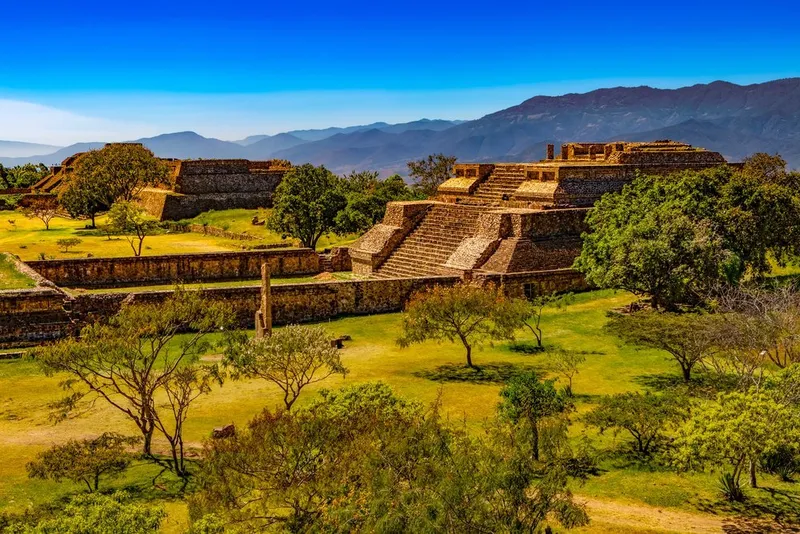
- Morning: Monte Albán ruins. Take a colectivo or organized tour (150-250 MXN each way). The hilltop Zapotec city is genuinely extraordinary — not because of the individual structures but because of the location and scale. The views of three valleys converging at the site are unlike any other ruin in Mexico. Arrive at 8 AM when it opens.
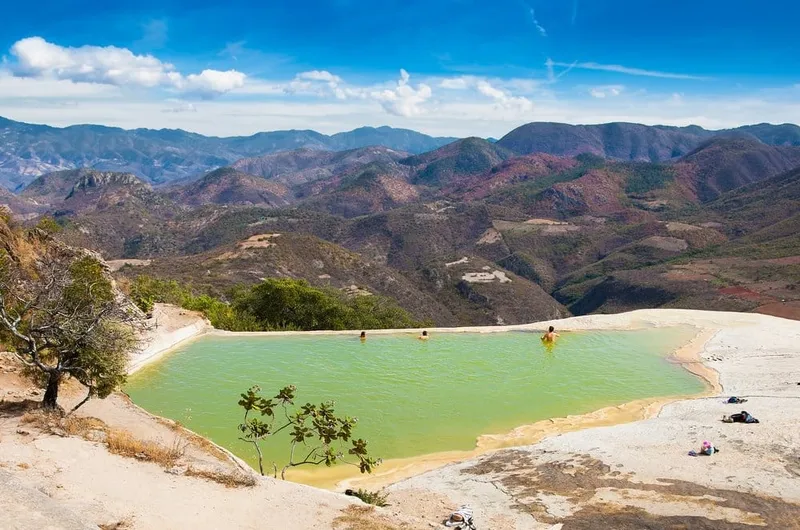
- Afternoon: Hierve el Agua (petrified waterfalls and natural pools, 30km from city) if you have a car or join a tour. Or spend the afternoon exploring Barrio de Jalatlaco (the city’s most photogenic neighborhood, colorful alley walls, quiet).
- Evening: Try tejate (ancient pre-Hispanic drink, chocolate + maize) from a street vendor near the zócalo. Tlamanalli or Zandunga for traditional Oaxacan mole.
What Not to Skip in Oaxaca
- Chocolate: Oaxacan hot chocolate (made with water, not milk) is completely different from European or American chocolate. Try it at Chocolate Mayordomo or buy tablets to take home.
- Tlayudas: The large Oaxacan flatbread with black beans, tasajo, and quesillo (Oaxacan cheese). Get one at any market stall, not a restaurant.
- Quesillo: Oaxacan string cheese. Pull it from the ball and eat it immediately. Buy a bag at the market.
Where to Stay in Oaxaca
Budget: La Casa de Mis Recuerdos or any hostel around Jalatlaco (1,200-1,800 MXN). Clean, quiet, central.
Mid-range: Quinta Real Oaxaca (converted 17th-century convent, courtyard, reliable wifi — 2,500-4,000 MXN). El Callejón (boutique, Jalatlaco, around 2,000 MXN).
Luxury: Casa Oaxaca (the flagship boutique hotel — 4,500-7,000 MXN, rooftop views, excellent restaurant).
Budget per day in Oaxaca:
- Budget traveler: 500-900 MXN (hostel + market meals + mezcal)
- Mid: 1,500-2,500 MXN (mid hotel + restaurants)
- Luxury: 4,000+ MXN
Getting to Mérida
Fly CDMX → Mérida (connecting through Mexico City, approximately 2.5-3 hours total). There are no direct Oaxaca → Mérida flights (or rarely). VivaAerobus and Aeroméxico run the route. 600-1,200 MXN if booked 2-3 weeks ahead.
For Oaxaca restaurant and activity details: Oaxaca Travel Guide →
Stop 3: Mérida — 2 Nights
48-Hour Priority List
Mérida is the capital of Yucatán state and one of Mexico’s most overlooked cities. White limestone buildings, Yucatecan cuisine that’s completely different from other Mexican food, warm 29-30°C weather, and a relaxed pace that marks the transition from central Mexico to the Caribbean coast.
Day 1:
- Morning: Walk from Plaza Grande (main square) to Paseo de Montejo. The main boulevard is lined with 19th-century mansions built by henequen (sisal) boom families. The MACAY Museum (contemporary Yucatecan art, free) is right on the main plaza.
- Afternoon: Chichén Itzá day trip. This is the best way to do it: rent a car or join a small-group tour from Mérida. Arrive at 8 AM when it opens (crowds are 30% of what they are by 11 AM). The site is extraordinary — the El Castillo pyramid is technically perfect. The light shows at noon (shadows on the pyramid) are worth timing your visit for equinox week (March 20-21, September 21-22). Back in Mérida by 4 PM.
- Evening: Parque Santa Lucía for the weekly free music and dance show (Thursday evenings — traditional Yucatecan danda and jarana dancing).
Day 2:
- Morning: Uxmal ruins. Often skipped in favor of Chichén Itzá, but architecturally superior — the Puuc-style mosaic facades are more complex and the site less crowded. 1.5-hour drive or organized tour from Mérida.
- Afternoon: Comida Yucateca in the market district. Poc chuc (grilled pork with citrus), sopa de lima (lime chicken soup), and cochinita pibil (slow-roasted pork in banana leaves). Get all three at Mercado Lucas de Gálvez.
- Evening: Lucas de Gálvez market for shopping (hammocks, huipil dresses, local hot sauces).
What to Eat in Mérida
Yucatecan food uses different chiles (habanero, xcatik) and cooking techniques from the rest of Mexico. Key dishes:
- Cochinita pibil: The gold standard — slow-cooked pork in achiote and bitter orange. Best at Mercado Lucas de Gálvez at breakfast.
- Sopa de lima: Lime-citrus chicken soup unique to Yucatán.
- Papadzules: Egg-stuffed tacos with pumpkin seed sauce and tomato. Served at breakfast.
- Panuchos and salbutes: Fried antojitos stuffed with black bean paste, topped with pulled cochinita or turkey.
Where to Stay in Mérida
Budget: Nómadas Hostel (1,200-1,800 MXN) — well-run, social, central.
Mid-range: Hotel del Peregrino (1,800-2,500 MXN, converted colonial house, central). Koox City Square Boutique Hotel.
Luxury: Hacienda Xcanatún (just outside the city, full hacienda experience, 4,000-7,000 MXN, excellent spa).
Getting to Bacalar
Take the ADO bus from Mérida’s CAME terminal to Bacalar. Journey: 4.5-5 hours, 250-350 MXN. Comfortable first-class coaches with A/C. Departs multiple times daily. Alternatively rent a car and drive — the highway is well-maintained.
Stop 4: Bacalar — 2 Nights
Bacalar is the counter-programming to Tulum. No crowds, no Instagram-driven beach clubs, no price inflation. Just a 42km freshwater lagoon with seven distinct shades of blue and almost no sargassum (sargassum is an Atlantic seaweed problem — Bacalar’s lagoon is inland, fed by freshwater springs).
48-Hour Priority List
Day 1:
- Morning: Rent a kayak or paddleboard on the lagoon. You can paddle out to the Cenote Azul channel — where freshwater springs visibly mix with the lagoon — and see the color transition beneath you. 200-300 MXN for a 2-hour rental.
- Afternoon: Magic Colors boat tour (Colores del Lago tour). Local fishermen run 2-3 hour tours that hit the Pirate Channel (Pirates used Bacalar as a base in the 17th century), the Cenote Encantado, and several color-transition points. 300-500 MXN per person.
- Evening: Dinner at any of the dock restaurants on the main muelle. Fresh fish, ceviche, local mezcal. Budget 200-400 MXN per person.
Day 2:
- Morning: Fort San Felipe de Bacalar. One of the few surviving Spanish colonial forts on the Yucatán coast, built to defend against English pirates. The small museum inside is surprisingly good. 45 MXN entry.
- Afternoon: Rent bikes (100-150 MXN/day) and cycle the lagoon road south. The swimming spots get progressively less crowded 2-3km from the main town. Find a dock and swim.
- Evening: Sunset from the muelle area. Bacalar has the best Caribbean sunsets of the entire 10-day route — the lagoon turns orange-gold.
Practical Note: No Sargassum in Bacalar
Bacalar’s lagoon is freshwater, fed by underground spring systems. It is completely isolated from the Atlantic seaweed problem that affects Tulum, Playa del Carmen, and Cancún coastlines. When you hear warnings about sargassum on the Riviera Maya, Bacalar is unaffected.
Where to Stay in Bacalar
Budget: Hostal Yax Ha (900-1,400 MXN) on the lagoon.
Mid-range: Hotel Laguna Bacalar (1,500-2,500 MXN) — basic but with lagoon views.
Luxury: Akalki Boutique Hotel or Boca de Agua (3,000-5,500 MXN — both have private docks, minimal-design palapa structures, excellent service).
Getting to Tulum
Colectivos (shared minivans) run from Bacalar to Tulum via Felipe Carrillo Puerto in about 2.5-3 hours, total cost 100-180 MXN. Or catch the ADO bus (less frequent, around 220 MXN). The ADO route goes Bacalar → Chetumal → Tulum, which takes longer.
For the full Bacalar guide: Bacalar Travel Guide →
Stop 5: Tulum — 2 Nights
Tulum comes last for a reason. By this point you’ve seen colonial Mexico, eaten at one of the world’s great food destinations, experienced an inland lagoon, and have context for what makes Mexico distinctive. Tulum’s boutique beach hotels, jungle cenotes, and Caribbean swimming will feel like a well-earned reward rather than a tourist trap.
48-Hour Priority List
Day 1:
- Morning: Tulum Ruins, 8 AM sharp. The Mayan ruins on the clifftop above the Caribbean Sea are the most photographed ruins in Mexico for good reason — the setting is extraordinary. Arrive early (before 9 AM) to avoid tour bus crowds. Entry is 95 MXN.
- Afternoon: Gran Cenote (about 4km west, 500 MXN) or Dos Ojos (about 22km north, packages from roughly 400 MXN). Gran Cenote is easier from town; Dos Ojos requires more transport planning. Confirm current equipment rules before bringing snorkel gear.
- Evening: Dinner in the Pueblo (town). El Muellecito for good local seafood at non-beach-club prices. Burrito Amor for casual.
Day 2:
- Morning: Sian Ka’an Biosphere Reserve boat tour. A UNESCO biosphere with bird-watching, manatee sightings, and floating in ancient Maya canals. 800-1,200 MXN per person for a half-day tour from Tulum.
- Afternoon: Beach time at Playa Paraíso (just south of the ruins — free public access). Or check in to a beach club (Papaya Playa Project, La Zebra, or Rosa Negra) for the afternoon with a drinks minimum.
- Evening: Sunset drinks and dinner on the beach road. This is where the Tulum cliché is actually worth experiencing: acoustic music at a candlelit outdoor restaurant, warm Caribbean air. Hartwood, Gitano, or Arca if budget allows.
Practical Note: Transport in Tulum
Uber currently lists on-demand rides in Tulum, but live driver availability and pickup conditions vary. Keep these alternatives for early departures and separated beach, town, ruins, and cenote stops:
- Rent a bicycle (100-150 MXN/day) — works for Pueblo-to-ruins and Pueblo-to-cenote routes
- Colectivos run the main Tulum highway for 25-35 MXN
- Arrange taxis through your hotel — always ask for a recommended driver and agree on price before entering
- Rent a motorbike or scooter (350-500 MXN/day) for the most flexibility on the beach road
Where to Stay in Tulum
Budget (Pueblo): Mama’s Home Hostel, Atharva Hostel (500-1,200 MXN).
Mid-range (Pueblo or beach road access): Tulum Treehouse, Be Tulum Suites (1,500-2,500 MXN).
Luxury (beach road): Boca de Agua, Papaya Playa Project, Ahau Tulum (3,500-8,000+ MXN — full eco-luxury beach experience).
Getting to Cancún Airport for Departure
ADO bus from Tulum to Cancún airport: 2 hours, 300 MXN. Runs approximately every hour. Or colectivo to Playa del Carmen, then bus to Cancún airport. Door-to-door taxi from Tulum to CUN: 1,200-1,800 MXN, 2-hour drive.
For the full Tulum guide: Tulum Travel Guide →
Alternative Routes by Interest
Not everyone wants the same trip. Here’s how to modify the 10-day framework:
Beach-Heavy Route
Skip Mérida’s cultural day and add a night in Holbox (no cars on the island, bioluminescent plankton, whale sharks June-September). Extend Bacalar to 3 nights. Cut CDMX to 1 night.
10-day version: CDMX (1) → Oaxaca (2) → Holbox (2) → Bacalar (2) → Tulum (3)
Ruins-Heavy Route
Add Palenque (Chiapas Mayan ruins in jungle) between Oaxaca and Mérida. Fly Oaxaca → Villahermosa (connection), bus to Palenque. Adds 2 nights but gives you three major archaeological sites (Teotihuacán from CDMX, Palenque, Chichén Itzá).
Food-Heavy Route
Stay 3 nights in Oaxaca instead of 2. Use the extra day for a cooking class at a traditional hacienda, mezcal distillery visit (palenque) in the Valles Centrales, and a mole tour. Cut Bacalar to 1 night.
Adventure Route
Swap Bacalar for Sumidero Canyon and San Cristóbal de las Casas (Chiapas). Fly Oaxaca → Tuxtla Gutiérrez, spend 2 nights in San Cristóbal (high-altitude colonial city with Zapatista history and Mayan villages nearby). Then bus or fly to Mérida.
What to Skip on Your First Mexico Trip
Skip: Cancún Hotel Zone as a Base
The Hotel Zone is not Mexico — it’s an American beach resort in Mexico. If you’re spending your first trip to Mexico primarily in the Hotel Zone, you’re not seeing the country. Use Cancún as a transit hub (fly in/out) but don’t base yourself there for more than one night.
Skip: Chichén Itzá Without Strategy
The ruins are worth seeing — the “skip it” advice you’ll sometimes read is wrong. But visiting without arriving early (before 9 AM) or without context is a waste. Tour buses arrive at 10 AM and it becomes shoulder-to-shoulder tourists by 11 AM. Go early or go with a guide who knows the site. See it from Mérida, not Cancún.
Skip: All-Inclusives on Your First Trip
An all-inclusive in a beach zone removes you entirely from Mexico — the food, the transport, the interaction, the local economy. If you want a relaxing beach resort trip, book that separately from your first Mexico experience. Mixing them doesn’t work.
Skip: Trying to See Everything
Mexico is approximately the size of Western Europe. In 10 days you can see two or three regions. Picking five cities and averaging 1.5 days each will leave you exhausted and under-experienced everywhere. The route above is already the maximum — don’t add Puerto Vallarta, Guadalajara, and Copper Canyon to it.
Budget Guide by Stop
| Stop | Budget/day | Mid/day | Luxury/day |
|---|---|---|---|
| Mexico City | 800-1,200 MXN | 1,800-3,000 MXN | 4,000+ MXN |
| Oaxaca | 600-1,000 MXN | 1,500-2,500 MXN | 4,000+ MXN |
| Mérida | 700-1,100 MXN | 1,500-2,500 MXN | 3,500+ MXN |
| Bacalar | 600-900 MXN | 1,200-2,000 MXN | 3,500+ MXN |
| Tulum | 900-1,500 MXN | 2,000-3,500 MXN | 5,000+ MXN |
Budget = hostel + market meals + entrance fees. Mid = private hotel + mix of restaurants. Luxury = boutique hotel + proper restaurants + tours.
Total trip cost (rough estimate):
- Budget 10 days: 7,000-10,000 MXN (400-600 USD) excluding international flights and domestic flights
- Mid: 18,000-28,000 MXN (1,000-1,600 USD) excluding international flights
- Luxury: 40,000+ MXN (2,300+ USD) excluding international flights
Domestic flights (3 legs): budget 2,500-5,000 MXN total if booked 3-4 weeks in advance.
Practical Planning Notes
When to go: November through March is dry season for most of Mexico. This route works year-round, but July-September brings Atlantic hurricane season (affects Yucatán coast — Bacalar/Tulum) and some rain in Oaxaca. For a first trip, November-February is ideal.
Entry requirements: Most nationalities enter Mexico visa-free for up to 180 days. US, Canadian, EU, and UK passport holders don’t need a visa. You’ll fill out a tourist card (Forma Migratoria Múltiple) on arrival — keep your copy, you return it when you leave.
Money: Mexico runs largely on cash in markets, small restaurants, and transport. Carry MXN. Use bank ATMs (BBVA, Santander, HSBC, Citibanamex) rather than airport or hotel ATMs for better rates. Cards accepted at most mid-range and luxury venues.
Drinking water: Do not drink tap water anywhere in Mexico. Bottled water (agua purificada) is available everywhere and cheap (12-25 MXN for 1.5L). Hotels and restaurants in tourist areas use filtered water for ice and cooking.
SIM card: Buy an OXXO convenience store SIM on arrival at the airport (Telcel or AT&T Mexico). About 200 MXN for a month of data. Works across the whole route.
For more practical advice: Mexico Travel Tips →
Travel Insurance for Mexico
A medical emergency in Mexico — cenote accident, rip current, stomach illness requiring hospital — is the realistic financial risk, not crime. Mexico has good private hospitals but they’re expensive without insurance.
travel insurance should include emergency medical treatment and evacuation coverage USD/month. Worth it for a 10-day trip across multiple states.
Tours and Day Trips Worth Booking in Advance
For Teotihuacán from CDMX, Monte Albán from Oaxaca, Chichén Itzá from Mérida, and Sian Ka’an from Tulum — booking ahead means better guides and fixed prices.
Browse Mexico tours on Viator →
The Teotihuacán sunrise tour from CDMX, in particular, books out weeks ahead in high season (November-March). Reserve early.
The Bottom Line
Your first trip to Mexico should leave you wanting to come back for the things you missed — not feeling like you saw a representative sample from a beach resort.
The route here gives you the cultural foundation (CDMX + Oaxaca), the Yucatán history and food (Mérida), and the Caribbean beach experience (Bacalar + Tulum) in a logical sequence that ends at a major international airport.
Next: Plan the details.
- Mexico City Travel Guide →
- Oaxaca Travel Guide →
- Bacalar Travel Guide →
- Tulum Travel Guide →
- Mexico Travel Tips and Practical Guide →