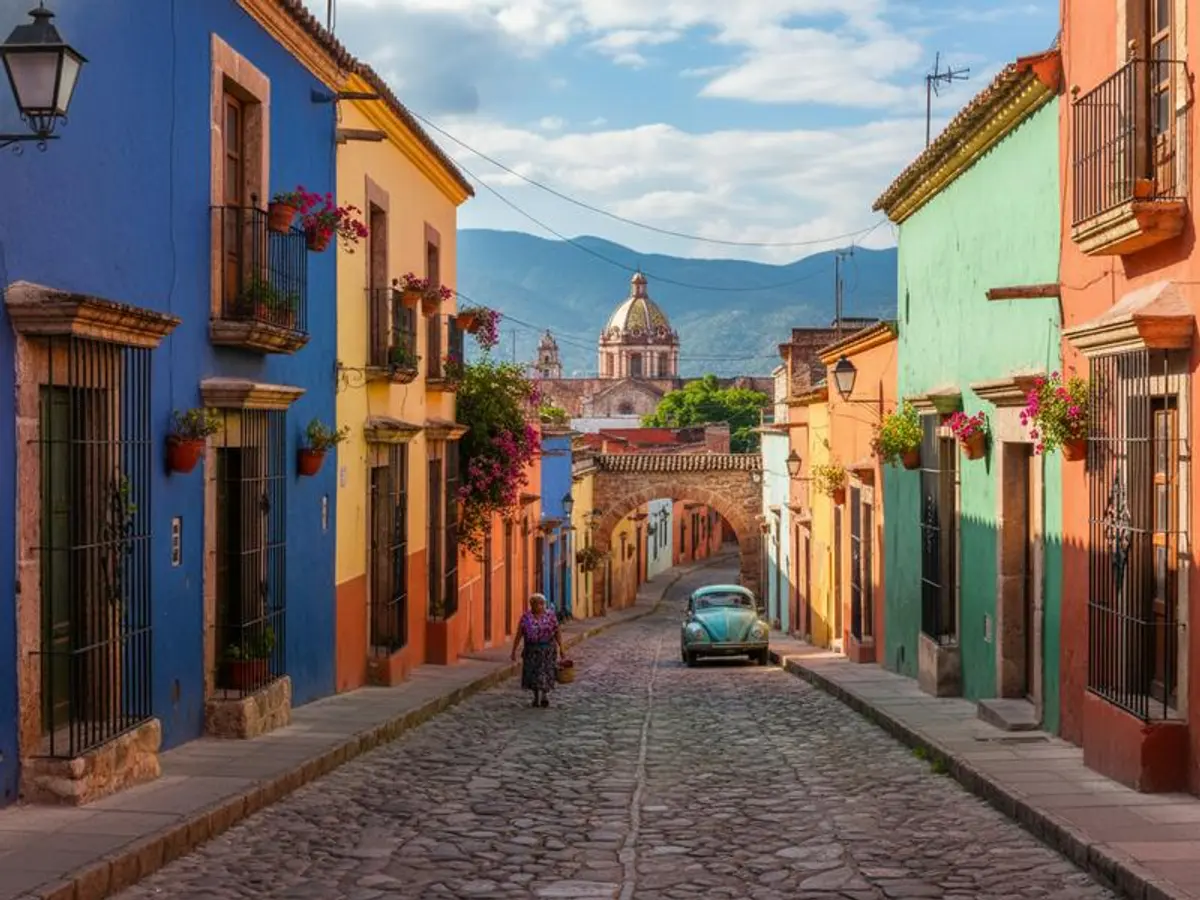
Solo Travel Mexico 2026: Cities, Safety & Honest Advice
Mexico has one of Latin America’s best solo travel circuits. The hostel infrastructure is excellent, the local transport is surprisingly well-organized once you understand it, the food scene rewards solo eating (taco stalls and market lunches are made for one), and the backpacker and digital nomad communities in major cities mean you’re rarely alone for long unless you want to be.
This guide covers the best Mexican cities for solo travelers, honest safety information, how to budget for the solo premium, and how to actually build a social trip rather than just moving between lonely hotel rooms.
Why Mexico Works for Solo Travel
The infrastructure is there. Mexico has ADO buses connecting major destinations at low prices, an expanding Uber presence in tourist cities (though not everywhere), a well-developed hostel circuit in backpacker hubs, and Spanish — a language that, with basic effort, opens enormous doors with locals.
The natural solo traveler circuit. Mexico City → Oaxaca → San Cristóbal → Mérida → Valladolid → Tulum is one of the world’s classic backpacker routes — each city connected by overnight ADO buses, each with established hostel scenes, and each completely different in character. You can do this circuit in 3–5 weeks and feel like you’ve seen five different countries.
Food culture rewards solo travel. Mexico’s best eating is at market stalls, taco counters, and fondas (small lunch spots) — all designed for single diners. You don’t need a companion to eat well.
Community finds you. The combination of digital nomads, language students, and backpackers in cities like Oaxaca and San Cristóbal means that sitting at a hostel breakfast table or a language exchange event is often enough. The social work is less effortful than in many countries.
Best Cities for Solo Travel in Mexico
1. Oaxaca City — Solo Traveler Heaven
Oaxaca is the single best city in Mexico for solo travel. Here’s why it works so well:
Language schools: Oaxaca has more Spanish language schools per capita than almost any Mexican city. Spanish students (from North America, Europe, and beyond) arrive in waves and create a ready-made community of travelers in similar situations. Instituto Cultural Oaxaca and Becari Language School are well-established options.
The mezcal bar culture: Oaxacan mezcal bars are places where sitting alone at the bar is completely normal — bartenders tell you the production story of what’s in your glass, and conversations with strangers start naturally. La Mezcaloteca, Boulenc, and In Situ are the ones worth knowing.
Market eating: Oaxaca’s markets — Mercado Benito Juárez, Mercado 20 de Noviembre — are excellent solo lunch spots. The famous smoky corridor of the 20 de Noviembre market, where you pick your cut of meat and watch it grill to order, is a solo traveler experience that’s hard to replicate.
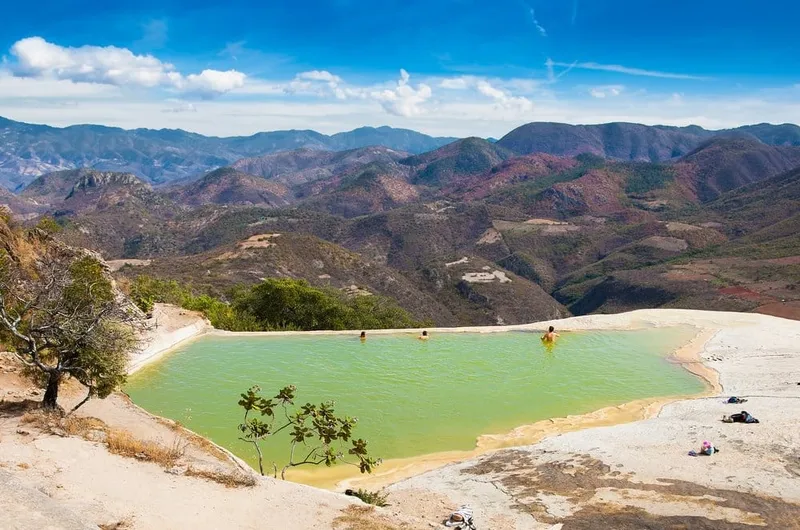
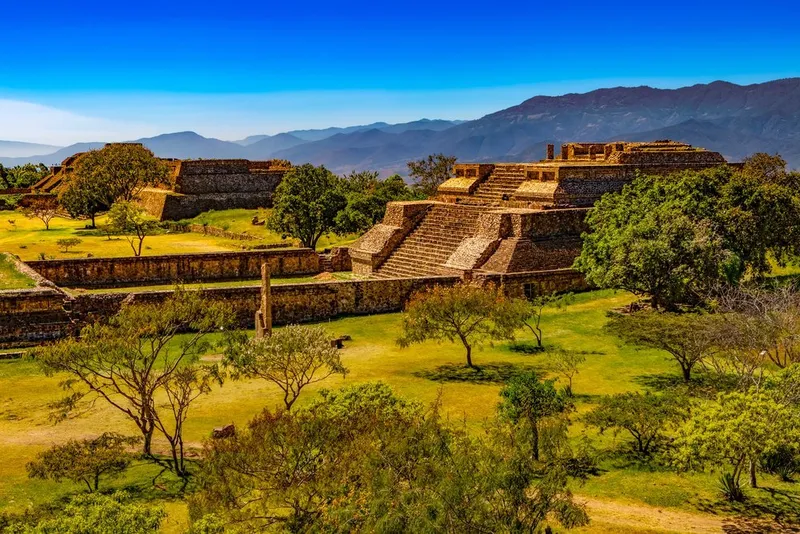
Day trips: Monte Albán (Zapotec ruins above the valley, 45 minutes by colectivo), Hierve el Agua (petrified waterfalls and mineral pools), and the artisan villages of Teotitlán and San Bartolo Coyotepec are all easy solo day trips with tour options if you want company.
Budget: 50–90 USD/day for a comfortable solo stay Hostel scene: Excellent (Azul Cielo, Casa Vertiz are well-regarded) Safety: Very good for solo travelers
Full Oaxaca travel guide for neighborhoods, transport, and what to eat.
2. Mexico City — The Solo Mega-City
Mexico City is enormous — 22 million people in the metro area — which can feel overwhelming for a first solo trip, but it rewards visitors who find their neighborhood. Roma Norte and Condesa are the sweet spots for solo travelers.
Roma Norte café culture: The neighborhood is lined with independent coffee shops and co-working-friendly cafés (Café Bola de Nieve, Quentin, El Péndulo). These are places where people come alone, open laptops, and stay for hours. The social fabric is already there.
Scale means options: Mexico City has everything — world-class museums (Anthropología, Bellas Artes, Frida Kahlo), extraordinary food at every price point, incredible nightlife, day trips to Teotihuacán and Xochimilco, and a level of urban energy that solo travelers with curiosity find almost inexhaustible.
Practical: Use Uber in Mexico City — it works reliably, is trackable (share your ride status with someone), and avoids the taxi negotiation problem. The Metro is safe during daylight hours on main lines.
Budget: 60–100 USD/day Safety: Good in Roma, Condesa, Coyoacán, Polanco — be aware in other areas after dark
3. San Cristóbal de las Casas — Backpacker Central
San Cristóbal is the most classic backpacker hub in Mexico. The combination of cold mountain air (it’s at 2,200m elevation), cheap prices, colorful streets, and the surrounding indigenous Tzotzil and Tzeltal Mayan communities creates a travel experience very different from beach Mexico.
The hostel scene is the most active in Mexico outside of Oaxaca — Real de Guadalupe street (the main backpacker strip) has a dozen good hostels within a few blocks, each with communal areas and regular group activities.
Tours from San Cristóbal are genuinely unique: Sumidero Canyon (a dramatic 1,000m-deep gorge, boat tour), Lagunas de Montebello (52 lakes of different colors), Palenque ruins (one of Mexico’s most impressive Maya sites), and the living Tzotzil communities of San Juan Chamula and Zinacantán.
Budget: This is Mexico’s most affordable backpacker hub. Hostel dorms run 8–14 USD, local meals 3–6 USD. You can travel comfortably for 35–55 USD/day.
One caution: Chiapas has some complex politics and occasional roadblocks due to indigenous rights demonstrations. These rarely affect tourists but check current conditions before traveling to remote Chiapas areas.
4. Tulum — Many Solo Travelers, High Cost
Tulum has a massive solo traveler presence — the bohemian, spiritual-wellness culture naturally attracts solo seekers. Yoga retreats, cenote dives, and beach clubs all work well solo.
The problem: Tulum is expensive. A private room in a decent Tulum Pueblo guesthouse runs 40–70 USD. Beach zone hotels start at 150 USD. Meals at beach clubs routinely run 30–50 USD. The solo premium hits harder here than anywhere else on this list.
If Tulum is on your list, budget 100–150 USD/day at minimum for a genuinely comfortable solo experience. Stay in Tulum Pueblo (not the beach zone) to save significantly.
5. Mérida — Safe, Walkable, Locally Authentic
Mérida is the Yucatán’s safe, walkable capital — a city where the food scene (cochinita pibil, panuchos, sopa de lima) is excellent, the architecture is spectacular, and the tourist infrastructure exists without the city having been entirely consumed by it.
For solo travelers who want cultural depth without the extreme party scene, Mérida hits well. The city has good hostels, a growing café culture, and easy access to Chichén Itzá, Uxmal, and the cenote route.
Best for: Mature solo travelers, digital nomads, those doing a longer Yucatán trip Budget: 50–80 USD/day
6. Puerto Vallarta — Meeting People on Tours
Puerto Vallarta works particularly well for solo travelers who are activity-oriented rather than hostel-social. The city’s strength is its tours: whale watching boats (December–March), whale shark tours (October–November), kayaking in Los Arcos, and snorkeling at Marietas Islands naturally put solo travelers in groups.
The Romantic Zone has good solo-dining restaurants and a social bar scene. The city is very safe in tourist areas.
Best for: Outdoor and wildlife-focused solo travelers Budget: 60–100 USD/day
7. Puerto Escondido — Surf Culture Social Scene
Puerto Escondido’s social fabric is built around surf culture — and surf culture is naturally inclusive of solo travelers. The breaks at Playa Zicatela create a community of people comparing notes on conditions, sharing shuttles to better breaks, and filling the beach bar tables after sessions.
The hostel scene (Selina has a large property here; several smaller independent options) is good. The beachside restaurant rows make eating alone comfortable and social. Mazunte and San Agustinillo (20 minutes south) are quieter options with their own small communities.
Best for: Solo surfers and beach lovers on a budget Budget: 40–70 USD/day
8. Guanajuato — Callejoneadas and Natural Social Events
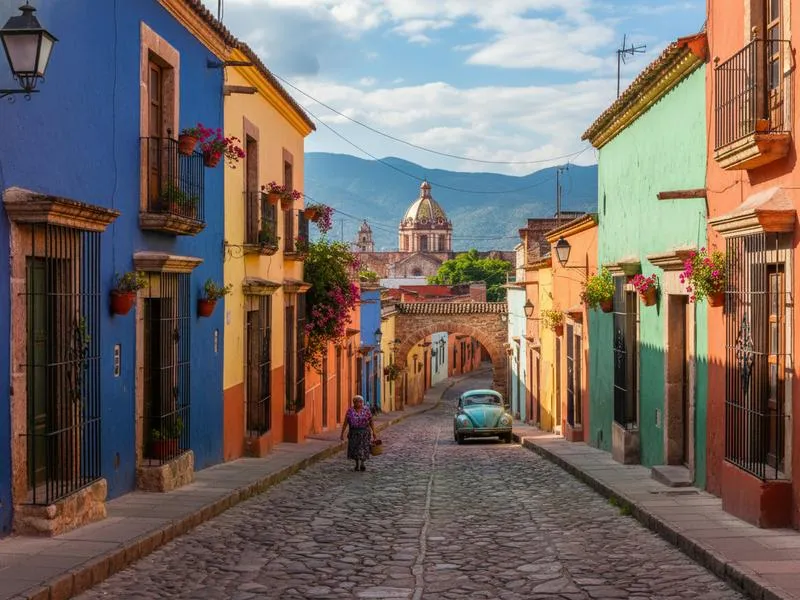
Guanajuato is one of Mexico’s most beautiful cities — a UNESCO World Heritage colonial center built into a river valley, with painted houses stacked vertically on hillsides, a labyrinth of underground tunnels for cars, and one of the country’s top universities (Universidad de Guanajuato).
The callejoneadas are the solo traveler’s best friend here: nightly street processions led by student musicians (estudiantinas) in traditional costumes who wind through the alleys followed by anyone who wants to join. These processions naturally mix solo travelers with locals and student groups — no planning required, just follow the music.
Best for: Culture-focused solo travelers, colonial architecture lovers Budget: 50–80 USD/day
Cities to Avoid for Solo Travel (and Why)
Acapulco: Once Mexico’s most famous resort city; now severely affected by cartel violence. Do not travel here without specific local knowledge and contacts. US State Department Level 3.
Tijuana (solo): Very high crime rates. Can be visited on a day trip from San Diego with care, but not a solo travel base.
Culiacán (Sinaloa): High crime — significant cartel presence in the surrounding region.
Remote northern Mexico: Solo travel along the US-Mexico border regions in Tamaulipas, parts of Chihuahua outside tourist areas, and parts of Sonora should be treated with significant caution. Cartel activity affects these areas.
The key principle: Mexico’s tourist circuit is generally safe. It’s the areas where tourists don’t go that tend to have the highest risk — and there’s rarely a reason to be there as a traveler.
For the full safety breakdown, read our guide to is Mexico safe.
The Solo Premium: Honest Budget Reality
Solo travel in Mexico costs more per person than traveling as a couple. This is simple math: a private room that a couple splits for 60 USD costs you the full 60 USD. Here’s what that means in practice:
| Expense | Couple (per person) | Solo Traveler |
|---|---|---|
| Private room (60 USD) | 30 USD | 60 USD |
| Hostel dorm | 12–18 USD | 12–18 USD |
| Meals | Same | Same |
| Transport | Same | Same |
| Rental car | Split | Full cost |
The solution: Hostel dorms solve the accommodation premium, but aren’t for everyone. Alternatively, budget for the premium and accept that solo travel costs more — but compensate by choosing budget-friendly destinations (Oaxaca, San Cristóbal, Mérida) over expensive ones (Tulum, Cabo, Riviera Maya resorts).
Realistic solo budgets:
| Level | Daily Budget | What You Get |
|---|---|---|
| Budget | 40–65 USD | Hostel dorms, local food, public transport |
| Mid-range | 70–120 USD | Private rooms in guesthouses, mix of restaurants, occasional tours |
| Comfortable | 120–200 USD | Good boutique hotels, restaurant variety, regular activities |
For a deeper cost breakdown, see the Mexico travel cost guide.
Solo Safety Tips (Specific to Being Alone)
Solo travel safety is different from general travel safety. The specific risks of being alone:
Share your itinerary. Before each leg of your trip, send your accommodation name, address, and planned route to someone at home. Check in daily via WhatsApp. This is the single most important habit.
Check-in routine. Set a daily check-in time with someone you trust. If they don’t hear from you by X time, they should call the hotel. This isn’t paranoia — it’s the same system mountaineers use.
Bar safety. Don’t leave drinks unattended. Know your limits — being significantly drunk alone in an unfamiliar environment is genuinely risky anywhere in the world. Stick to one or two drinks if you’re in a new place without people you trust.
Romance scams. Especially in tourist areas, be aware of approaches that move unusually fast — new “friends” who are suddenly very interested in your plans, invite you to “a local bar they know,” and expect you to pay. This happens in most tourist countries. Trust your instincts.
Transportation. Use Uber where available — it’s trackable and you can share ride status. Where Uber isn’t available (Tulum, some smaller cities), use hotel-recommended taxis or the colectivo system. Avoid unmarked taxis or accepting rides from strangers offering them.
ATMs. Use ATMs inside bank branches or inside supermarkets (Oxxo, HSBC branches) rather than standalone street machines. Cover your PIN. Use one ATM transaction per day rather than multiple small ones.
Hotel safes. Use them for passport, extra cash, and backup cards.
How to Meet People: Practical Tactics
1. Social hostels first. Even if you prefer your own room, choose a hostel that has a communal kitchen, bar, or common room. Book through Hostelworld and filter for social atmosphere scores. In Oaxaca: Azul Cielo, Hostal Pochón. In San Cristóbal: Rossco Backpackers, Terra Noir. In Puerto Escondido: Selina.
2. Group tours. Sign a single person up for a whale watching boat, a cenote tour, a mezcal distillery visit, or a Teotihuacán morning tour and you’re spending 4–8 hours with 8–15 other travelers who chose the same thing. These create natural conversations and often turn into dinner plans.
3. Language exchange (intercambio) events. Oaxaca, Mexico City, Guadalajara, and San Cristóbal all have weekly events — usually Tuesday or Wednesday evenings — where Spanish speakers wanting to practice English meet English speakers wanting to practice Spanish. Meetup.com and Facebook groups list them. These events attract locals and long-stay travelers and are excellent for both language practice and meeting people.
4. Facebook groups. Search “[City] Expats,” “[City] Digital Nomads,” or “[City] Travelers.” Oaxaca Expats and Mexico City Expats groups both have tens of thousands of members and regular event announcements.
5. Co-working spaces. Particularly for digital nomads, a good co-working space in Oaxaca or Mexico City puts you at a desk next to 20–30 other remote workers in the same situation. Productive during the day, social at the end of it.
6. Viator group experiences. Viator lists small-group tours (typically 6–12 people) for major activities across Mexico. These are consistently good for solo travelers because the group size is social.
Solo Female vs. Solo Male: The Honest Differences
Street harassment is real. Piropo (unsolicited comments on women’s appearance) is common in Mexico, particularly in more traditional cities and market areas. This ranges from mildly annoying to genuinely uncomfortable. It’s less common in the youth-oriented, cosmopolitan neighborhoods of Mexico City, Oaxaca’s tourist center, and San Cristóbal’s backpacker zone.
Practical differences: Solo female travelers benefit from booking accommodation in advance rather than arriving to find options, being more selective about accepting drinks from strangers, and having the hotel’s taxi number rather than hailing from the street.
The cities at the top of this guide are genuinely safe for solo women. Mérida is consistently cited as Mexico’s safest city for solo female travel. Oaxaca and San Cristóbal also have strong reputations.
For the full picture — practical safety tips, recommended apps, and what solo women actually say about specific destinations — read the dedicated solo female travel Mexico guide.
Travel Insurance for Solo Travelers
Travel insurance matters more when you are solo because there may be nobody with you to advocate, pay, or make decisions in a medical situation. Before you go, make sure your policy covers emergency care, hospitalization, and evacuation.
Useful Links
- Is Mexico safe? — State Department breakdown, regional safety, practical advice
- Mexico travel costs — daily budget by style
- Best time to visit Mexico — month-by-month weather and what’s open
- Mexico travel tips — practical logistics
- Oaxaca travel guide — the #1 solo destination in depth
- Solo female travel Mexico — specific guide for women traveling alone
Solo travel in Mexico rewards curiosity and a willingness to engage. The country is vast, varied, and genuinely interesting — and most of the time, the only thing keeping solo travelers from connecting is not trying.