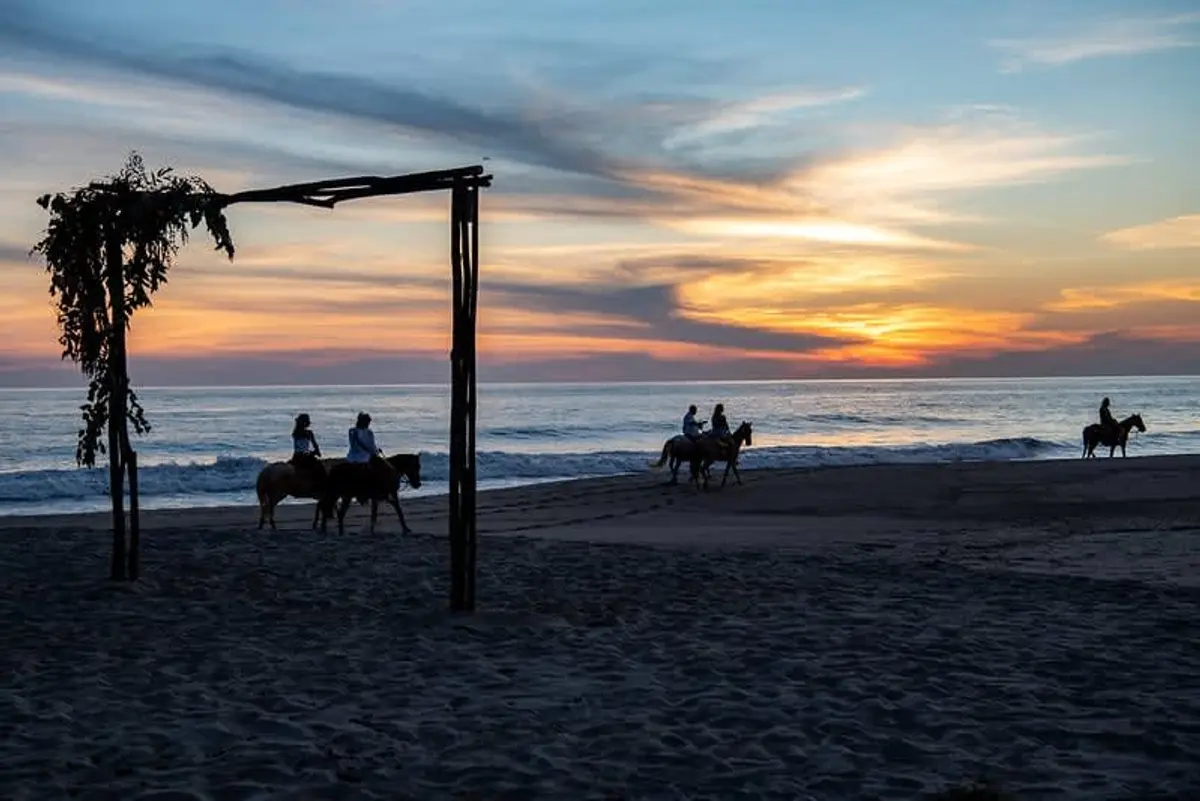
Pacific Coast Mexico Guide 2026: Beaches, Cities & Route
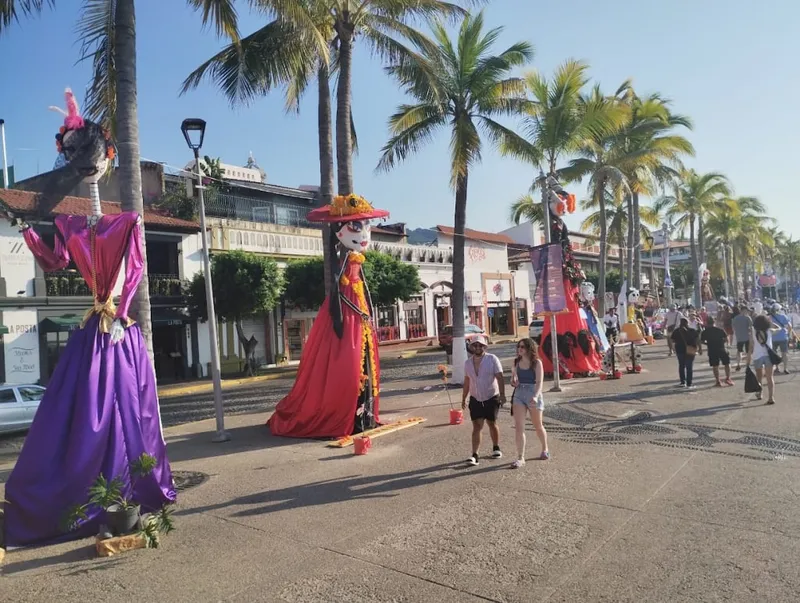
Mexico has two completely different coastlines, and most first-time visitors choose wrong.
The Caribbean gets the marketing budget: turquoise water, powdery sand, all-inclusive resorts, and Instagram saturation. What the brochures don’t mention is sargassum season (which can make Caribbean beaches genuinely unpleasant for weeks), mass resort tourism that’s transformed stretches of once-beautiful coast, and a travel corridor so heavily developed that “authentic Mexico” is hard to find without driving an hour.
The Pacific coast stretches 2,500 kilometers from Baja California Sur to the Oaxacan border with Chiapas. It has no sargassum. It has better waves. It has cities with genuine local culture. It has humpback whales in winter, sea turtles in summer, and a food scene that makes Caribbean resort menus look embarrassing.
This is the guide to Mexico’s coast that serious travelers discover on their second or third trip.
Pacific vs. Caribbean: What You’re Actually Choosing
| Feature | Pacific Coast | Caribbean Coast |
|---|---|---|
| Sargassum | None | Seasonal (Apr-Oct, varies) |
| Wave strength | Strong, better surfing | Calm (protected by reefs) |
| Water visibility | Variable (river runoff) | Exceptional (clear reef water) |
| Crowd level | Lower (varies by spot) | Higher (Cancun-Tulum corridor) |
| Authenticity | Higher in most areas | Diminishing in main resorts |
| Wildlife (marine) | Whales, sea turtles, sea lions | Sea turtles, reef fish |
| Price (general) | Lower to medium | Medium to very high |
| Infrastructure | Variable | Excellent (Quintana Roo) |
| Accessibility | More varied | Easy |
The Pacific coast is not “better” than the Caribbean for every traveler. If you want calm, clear water for snorkeling reef, the Caribbean wins. If you want waves, whales, lower prices, and fewer crowds, the Pacific delivers consistently.
The Pacific Coast From North to South
Baja California Sur: La Paz, Los Cabos, Todos Santos
Baja is technically on the Pacific and Sea of Cortez — both, depending on which coast of the peninsula you’re on. For Pacific coast purposes, the Sea of Cortez side offers the best swimming and diving.
La Paz is the capital of Baja California Sur and the most underrated city on the entire Pacific coast. It has a long malecon, excellent ceviche, whale shark snorkeling from October through May, and access to Espíritu Santo Island — a UNESCO biosphere reserve with sea lion colonies, snorkeling, and kayaking in fluorescent water.
Los Cabos divides into two towns: Cabo San Lucas (party resort, spring break energy) and San José del Cabo (colonial town, art galleries, better food). The beaches are beautiful — Medano Beach for swimming, Lover’s Beach (accessible by water taxi) for the dramatic arch. Best November through May.
Todos Santos is the Baja town that coastal Mexico does best: a small UNESCO-designated pueblo mágico with a serious surf break (La Pastora), boutique hotels in colonial buildings, farm-to-table restaurants, and day access to both the Pacific (surf) and the Sea of Cortez (snorkeling).
For detailed coverage: La Paz travel guide | Los Cabos travel guide
Sinaloa: Mazatlán
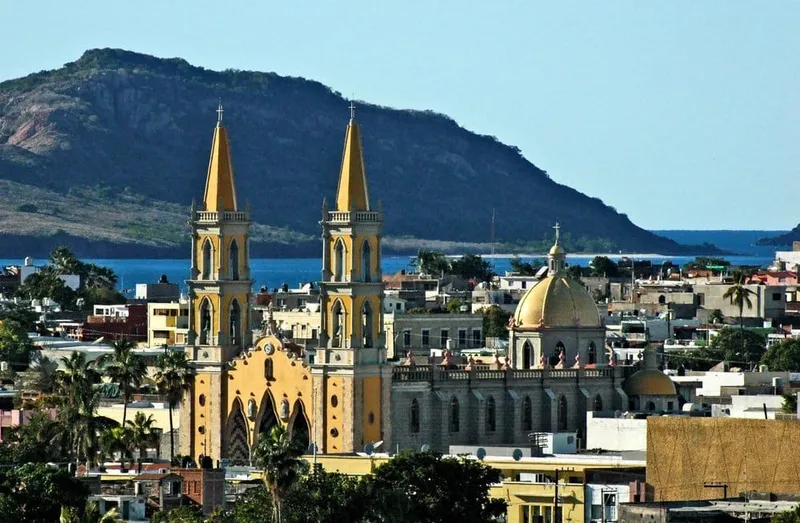
Mazatlán doesn’t get the respect it deserves from international travelers. It’s Mexico’s largest Pacific port city, with a historic center (El Centro Histórico) that ranks among Mexico’s most intact 19th-century coastal neighborhoods.
What makes Mazatlán different:
- The largest Carnival celebration in Mexico (February-March, predating Veracruz as Mexico’s oldest)
- Pulmonia rides — Mazatlán’s unique open-air golf-cart taxis that locals actually use
- Olas Altas beach with the long malecon, not a resort wall
- A working fishing port — the shrimp is exceptional
- El Quelite day trip: a genuine small pueblo 35km from the city with no tourist infrastructure
The tourist zone (Zona Dorada) is developed with international hotels and restaurants. But 10 minutes from the hotel zone, the Centro Histórico has theaters, churches, the Ángela Peralta Theater (beautifully restored), and neighborhood restaurants that haven’t changed their menus in 30 years.
For deep coverage: Mazatlán travel guide
Nayarit: Riviera Nayarit
The Riviera Nayarit stretches north of Puerto Vallarta along Nayarit state’s coast — a 300km stretch that contains some of Mexico’s most interesting beach towns.
San Pancho (San Francisco): The most genuinely cool town on the coast. Small, walkable, with a surf break, a main street of excellent restaurants, and a social enterprise scene that’s unusually progressive for coastal Mexico. No big resorts. Fills up with return visitors who found it once and couldn’t leave.
Sayulita: Louder and more tourist-centric than San Pancho (15 minutes away), but still charming. The main beach has a surf school on every corner. The taco stands on the main plaza are legitimately excellent. It gets crowded in high season (December-March) — the boutique accommodation fills fast.
Punta de Mita: Where the money is. Exclusive resort hotels (Four Seasons, St. Regis) claim the headland at the northern edge of Banderas Bay. The point has good surf and access to the Marieta Islands (a protected biosphere with a hidden beach only accessible by swimming through a tunnel). Day trips from Sayulita or Puerto Vallarta are possible.
Lo de Marcos: The one they haven’t found yet. A small beach town 45 minutes north of Sayulita with a wide beach, almost no tourist infrastructure, inexpensive accommodation, and the kind of relaxed pace that Sayulita had 15 years ago. Go before this changes.
Jalisco: Puerto Vallarta
Puerto Vallarta is the Pacific coast’s most visited destination — and for good reason. It does several things exceptionally well.
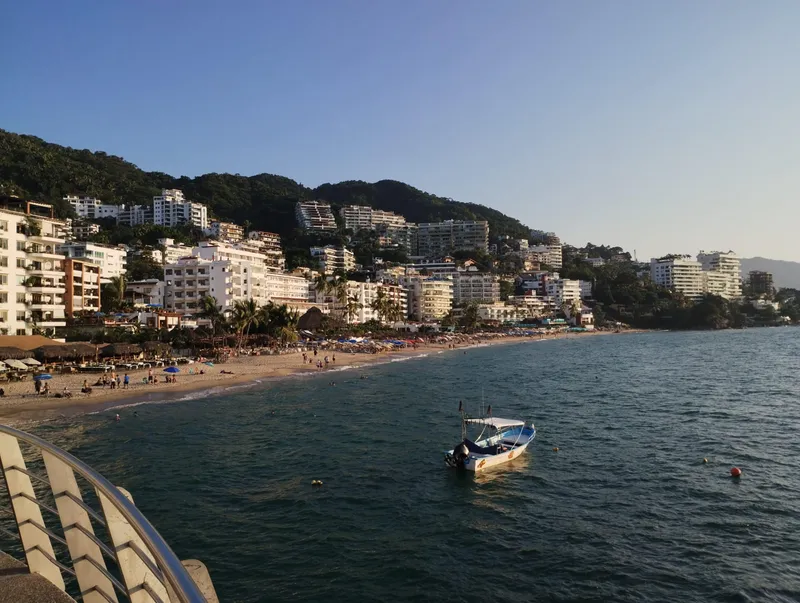
Zona Romántica (Romantic Zone / Colonia Emiliano Zapata): The neighborhood south of the Cuale River is Puerto Vallarta’s most walkable, most authentic, and most interesting area. The streets are cobblestone. The restaurants range from street tacos (excellent birria on Calle Basilio Badillo) to full creative-cuisine operations. The beach (Playa Los Muertos) has a lively pier scene. This is where you want to stay.
Whale watching season (December-March): Banderas Bay is one of the world’s premier humpback whale watching destinations. An estimated 600-800 humpback whales winter in Banderas Bay, arriving in November and departing by April. The bay is large enough that whale encounters from tour boats are almost guaranteed December through February. Orca sightings occur less frequently but do happen.
The Sierra Madre backdrop: Puerto Vallarta is framed by mountains that drop almost to the ocean. This creates extraordinary scenery (the “jungles meet the sea” look you see in every Puerto Vallarta photo) and also excellent adventure activities — zip-lining, ATV tours through jungle, and hiking into small mountain villages that feel remote despite being 30 minutes from the resort zone.
For full coverage: Puerto Vallarta travel guide
Michoacán Coast: The Hidden Stretch
The Michoacán coast is the section most international itineraries skip entirely — and it’s legitimately beautiful.
Lázaro Cárdenas: The main city is primarily industrial (port, steel). Not a tourist destination. Use it as a fuel-and-food stop if driving the coast.
Caleta de Campos: A small fishing village 90 minutes north of Lázaro Cárdenas that sees almost no international tourism. The beach is wide, brown-sand, and completely uncommercial. Fresh fish from boats that come in each morning. Zero beach chair rental infrastructure. Exactly what it sounds like — a place that hasn’t been developed.
Michoacán sea turtles: The coast around Caleta de Campos and Colola beach has significant olive ridley sea turtle nesting — one of the less-publicized nesting areas in Mexico. Nesting season peaks July-October.
The Michoacán coast requires a car and some comfort with limited tourist services. It rewards curiosity.
Guerrero: Zihuatanejo and Ixtapa
Zihuatanejo and Ixtapa sit 5 kilometers apart and represent two completely different visions of a Mexican resort coast.
Ixtapa was built from scratch in the 1970s as a planned resort town — wide boulevard, international hotels, a golf course, shopping malls. It functions well as a conventional resort. Clean beach, calm water in the protected bay, predictable services.
Zihuatanejo was the fishing village that existed before Ixtapa was built. It still is one. The central market sells fish hauled in that morning. The main pier has working boats alongside the tourist pangas. Playa La Ropa — a 15-minute walk or short water taxi from town — is a beautiful arc of sand backed by restaurants that serve excellent grilled fish.
The combination works well for family travel: beach resort infrastructure in Ixtapa for the amenities, Zihuatanejo for the authentic experience. Zihuatanejo’s airport (ZIH) has connections to Mexico City, Monterrey, and some US gateway cities.
Guerrero safety note: Check current advisories for Guerrero state. Acapulco (further east along the coast) has had significant security challenges in recent years. Zihuatanejo/Ixtapa have maintained tourist safety but are in the same state — check US State Department or your government’s current advisory before booking.
Oaxaca Coast: Puerto Escondido, Mazunte, Huatulco
The Oaxacan coast is the Pacific coast’s highest-concentration destination — three distinct options within 150km of each other.
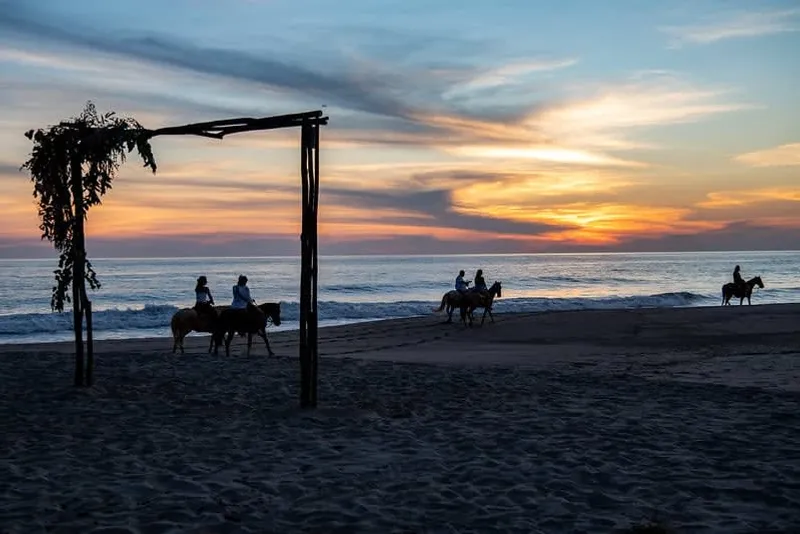
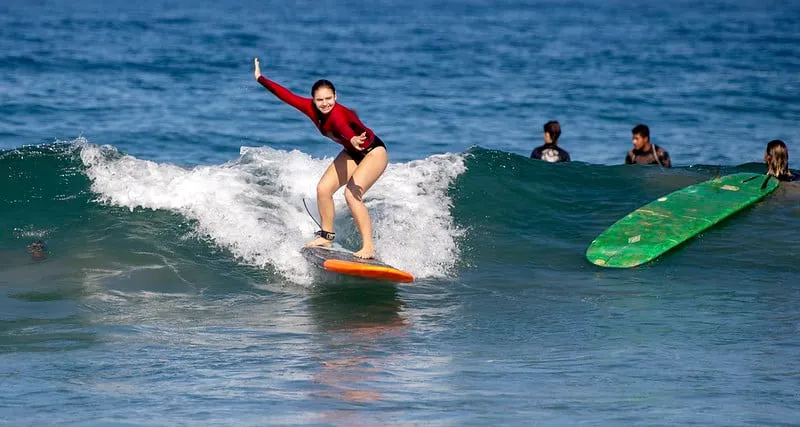
Puerto Escondido is one of the world’s most famous surf towns. Zicatela Beach holds the “Mexican Pipeline” — a hollow, powerful beach break that produces barrels comparable to Hawaii’s North Shore. On big swells, Zicatela is not for casual swimmers — the current and waves can be deadly. But the town has multiple beaches: La Punta for beginner-intermediate surf, Playa Carrizalillo for calm protected swimming, and Playa Manzanillo for families.
The town itself has evolved significantly in the last decade. The Adoquín (main pedestrian tourist street) still exists with surf shops and fish tacos. But a new neighborhood of upscale restaurants, rooftop bars, and boutique hotels has grown around La Punta. Puerto Escondido now does both: hardcore surf culture and cosmopolitan beach travel.
Mazunte is 65km southeast of Puerto Escondido — a tiny village that turned around from a near-complete ecological collapse. Until 1990, Mazunte was Mexico’s largest sea turtle processing facility, killing 100,000+ turtles per year for their skin and oil. Mexico banned sea turtle hunting in 1990, the facility closed, and the village pivoted to community-run ecotourism and Body Shop-supplied natural cosmetics (still made there today).
Today, Mazunte protects the olive ridley turtle nesting beach at Playa Ventanilla (community-run ecotours during nesting season), has excellent artisan chocolate, one of Mexico’s best natural cosmetic cooperatives (Cosméticos Naturales), and a spectacularly beautiful beach that’s too rough for swimming but perfect for watching. The nearby Punta Cometa (Boca del Cielo) is the southernmost point of Oaxacan Mexico and has one of the best sunset spots on the coast.
Huatulco is nine bays (bahías) of protected coastline declared a national park in 1998. Unlike Mazatlán or Puerto Vallarta, Huatulco was developed with strict environmental controls — no building higher than a palm tree, limited commercial activity in the bays, and functioning coral reef systems. The result is the cleanest, most protected resort destination on Mexico’s Pacific coast.
The main tourist infrastructure is in Bahía de Santa Cruz and Bahía de Tangolunda. Snorkeling in Bahía Maguey and Bahía San Agustín is legitimately good — reef fish, occasional sea turtles, clear water. Huatulco receives fewer international visitors than Puerto Vallarta or Cabo, which keeps the experience calmer.
For detailed Oaxacan coast coverage: Puerto Escondido travel guide
Pacific Coast Road Trip: Which Sections Are Worth Driving
A complete Pacific coast drive from Mazatlán to Huatulco is approximately 2,200km and takes 7-10 days driving. Here’s an honest section-by-section breakdown:
| Section | Distance | Drive Time | Scenery | Safety | Recommendation |
|---|---|---|---|---|---|
| Mazatlán → Puerto Vallarta | 350km | 4hr (MEX-15D toll) | Mountains, green valleys | Excellent | Drive it |
| Puerto Vallarta → Manzanillo | 240km | 3hr (MEX-200) | Coastal cliffs | Good | Beautiful coast drive |
| Manzanillo → Zihuatanejo | 520km | 6hr | Coconut coast | Generally OK | Break into 2 days |
| Zihuatanejo → Acapulco | 240km | 3.5hr | Coastal | Check advisories | Research first |
| Acapulco → Puerto Escondido | 390km | 5.5hr | Mountains | Varies | Check current advisories |
| Puerto Escondido → Huatulco | 150km | 2.5hr | Scenic coast | Good | Drive it |
Rent a car with full coverage insurance for any Pacific coast driving. Compare rental options at RentCars — local operators often offer better rates than international chains for Mexican Pacific coast routes.
Pacific Coast Climate Guide
The Pacific coast has three distinct climate zones:
Northern Baja/Ensenada: Mediterranean — warm, dry summers; mild, occasionally rainy winters. 18-27°C year-round.
Nayarit/Jalisco/Colima zone (Mazatlán to Manzanillo): Tropical with a rainy season. Dry season November-May (ideal travel). Rainy season June-October with afternoon downpours. High season aligns with dry season.
Guerrero/Oaxaca coast (Zihuatanejo to Huatulco): More pronounced rainy season, higher humidity, but excellent from November-May. Sea turtle nesting during rainy season (July-October) if that’s your goal.
Water temperatures: Sea of Cortez and northern Pacific stay warmest November-May (22-28°C). Southern Pacific in Oaxaca/Guerrero is warmer year-round (25-30°C). Pacific surf beaches (Zicatela etc.) have upwelling-cooled water even in warm months — a wetsuit feels good in the morning.
What Makes Pacific Mexico Different
Three things the Caribbean can’t match:
No sargassum. Pacific Ocean currents don’t carry the Atlantic sargassum blooms that have made Caribbean beaches genuinely unpleasant for months at a time in recent years. If your Caribbean trip involved sargassum-covered beaches, the Pacific solves this entirely.
Megafauna encounters. The Pacific coast offers wildlife encounters that rank among the world’s best: humpback whales in Banderas Bay, whale sharks in La Paz Bay, gray whales in Baja lagoons, nesting sea turtles across multiple beaches. Caribbean wildlife experiences are primarily reef-based snorkeling.
Authenticity gradient. The Pacific coast has more authentic Mexican culture still intact compared to the heavily tourism-industry-shaped Caribbean coast. Cities like Mazatlán, Zihuatanejo, and Puerto Escondido still function as real Mexican towns where tourism is one part of the local economy rather than the entire reason the place exists.
Booking Pacific Coast Tours
Whale watching in Banderas Bay (Puerto Vallarta), surf lessons in Sayulita, snorkeling tours in Huatulco, and sea turtle release experiences in Mazunte — most of these are best booked locally or through Viator where verified operators have reviews. Whale watching particularly fills fast in December-February.
Getting Between Pacific Coast Destinations
Fly: Puerto Vallarta (PVR), Manzanillo (ZLO), Zihuatanejo (ZIH), and Puerto Escondido (PXM) all have airports with Mexico City connections. PVR also has direct US flights. This is faster than driving for destinations more than 4 hours apart.
Bus: ETN and Primera Plus run comfortable first-class buses between Mazatlán, Guadalajara, Puerto Vallarta, and Manzanillo. Slower but scenic.
Drive: Practical for the stretch Mazatlán-Puerto Vallarta (MEX-15D) and Puerto Escondido-Huatulco (MEX-200). Rent locally.
Internal Links
- Puerto Vallarta travel guide — complete PV destination guide
- Puerto Escondido travel guide — surf, beaches, Oaxacan coast
- Mazatlán travel guide — carnival, historic center, beaches
- Best beaches in Mexico — cross-coast beach comparison
- Best Mexico road trips — longer Pacific coast route planning
Travel Insurance
Pacific coast Mexico has stretches where medical facilities are hours away. Water activities, sun exposure, and road conditions on some sections create real risk. travel insurance provides medical and evacuation coverage — one of the most cost-effective options for Mexico travel insurance.
The Pacific Coast in Context
Mexico’s Pacific coast stretches 2,500 kilometers and remains more accessible, more authentic, and more interesting than the Caribbean for travelers who know what they’re looking for.
It’s not simpler — the variation between destinations is wider, the infrastructure less predictable, and some sections require real research. But the reward is a Mexico that hasn’t been converted entirely into a resort machine. Fishing boats still land on the beach at Zihuatanejo. Mazatlán’s Carnival still draws the community, not just tourists. Puerto Escondido’s Zicatela still breaks waves that only serious surfers attempt.
Start anywhere on this coast. The Pacific will show you a Mexico the brochures don’t know exists.