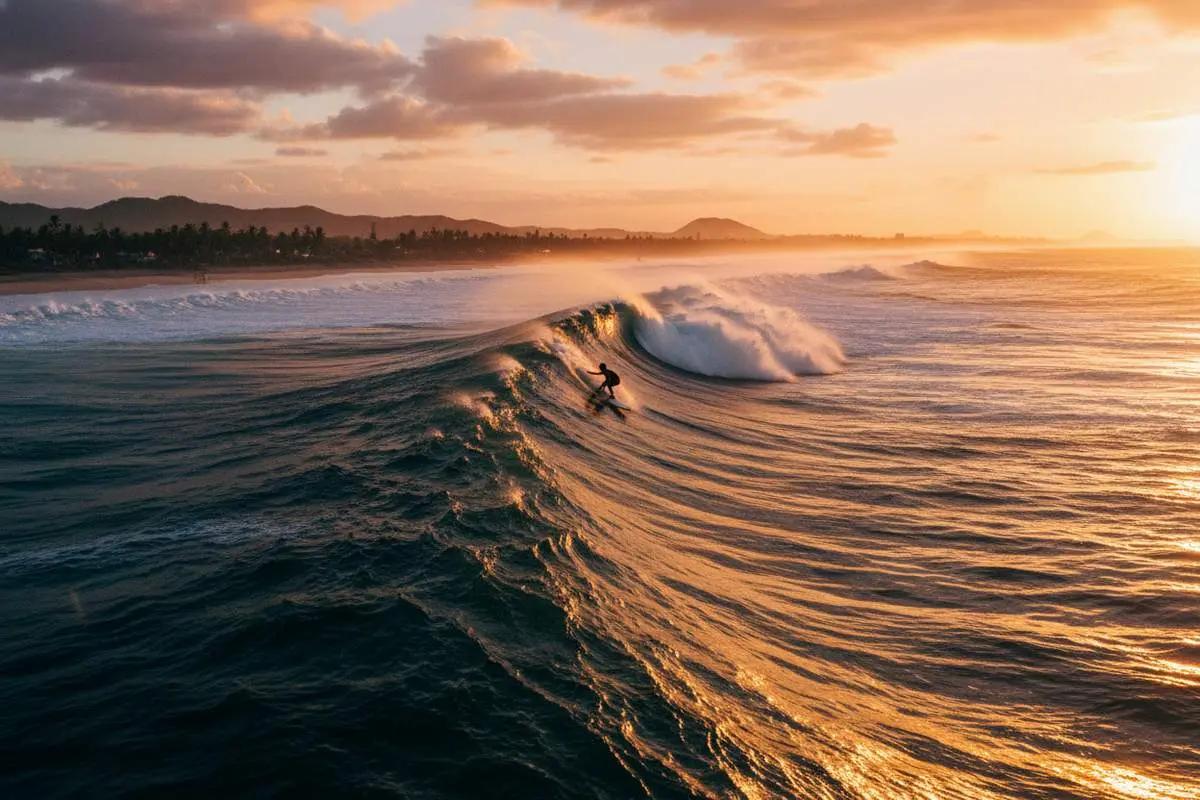
Surfing Puerto Escondido 2026: Zicatela, La Punta & Where to Learn
Surfing in Puerto Escondido is not a single experience — it is three completely different ones, depending on which beach you paddle out from. Zicatela, the so-called Mexican Pipeline, produces waves that have broken spines and ended careers. Two kilometers south, La Punta serves up mellow lefts and rights where intermediate surfers catch long rides in waist-high swell. And tucked inside a cliff-ringed cove, Carrizalillo gives first-timers a soft introduction to standing on a board.
That range is what makes Puerto Escondido the most important surf destination on Mexico’s Pacific coast — and what makes choosing the wrong break genuinely dangerous. This guide breaks down every break, the seasonal swell patterns, where to rent gear, where to take lessons, and how to get here now that the new highway from Oaxaca City has cut the drive in half.
If you are planning a broader surf trip through the country, this post sits within our complete guide to surfing in Mexico, which covers every major coast from Baja to the Gulf.
The Three Breaks: A Quick Comparison
Before you wax a board, understand the playing field. Puerto Escondido’s three main surf beaches sit within 3 km of each other, but they could not be more different in wave power, bottom type, or crowd density.
| Break | Wave Type | Skill Level | Best Season | Crowd Level |
|---|---|---|---|---|
| Zicatela | Heavy beach break, barrels, shore pound | Advanced / Expert only | May — Oct (south swells) | Moderate (locals + pros) |
| La Punta | Mellow beach break, lefts and rights | Intermediate | Nov — Apr (cleaner, smaller) | High (tourists, schools) |
| Carrizalillo | Soft rolling waves inside sheltered cove | Beginner — Low intermediate | Year-round (best Nov — Apr) | High (families, learners) |
The distances are walkable. From the center of Zicatela to La Punta is about a 25-minute walk along the sand. Carrizalillo is a separate cove to the west, reached by road and a steep staircase of roughly 170 steps cut into the cliff face.
Now let’s break down each spot in detail.
Zicatela: The Mexican Pipeline
Why It Hits So Hard
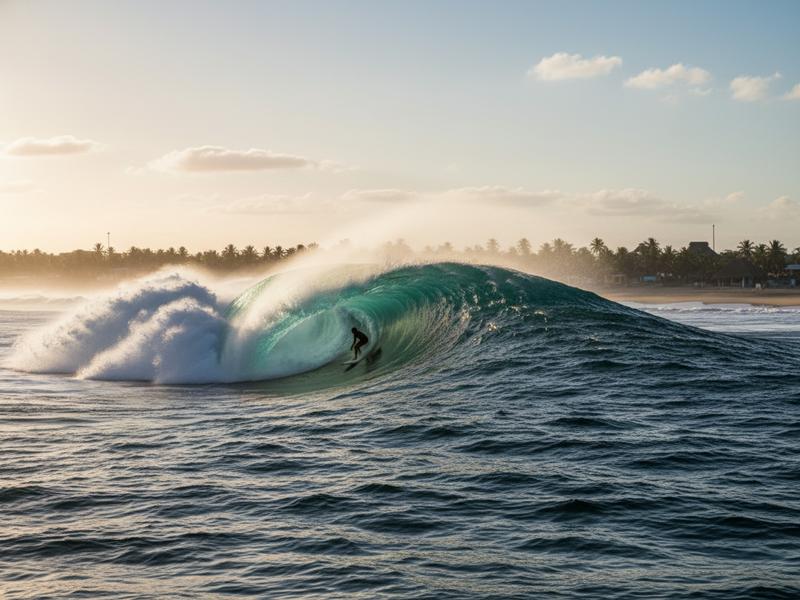
Zicatela earns its nickname because the mechanics resemble Hawaii’s Banzai Pipeline more closely than any other wave in North America. A deep offshore trench funnels and amplifies south groundswells, compressing them as they hit the shallow sand bar close to shore. The result is a thick, fast-breaking barrel that detonates onto hard-packed sand.
Two main peaks define the lineup. Far Bar, a punishing left, breaks further out and is the wave you see in contest footage. Carmelita’s, a shorter right closer to the rocks at the north end, is marginally more forgiving but still well beyond intermediate ability.
The Real Danger
Zicatela has killed swimmers, surfers, and bodyboarders. The hazards compound:
- Shore break: Waves land directly onto the sand with almost no run-out. A hold-down pins you against the bottom.
- Rip currents: Multiple strong rips pull swimmers and fallen surfers away from shore.
- No gradual entry: The beach drops off steeply. You go from ankle-deep to overhead impact zone in three steps.
- Rocky patches: While primarily a sand bottom, scattered rock sections at the north end add injury risk during wipeouts.
Red flags fly on Zicatela most days of the year. Lifeguards are posted, but their primary job is body recovery on bad days, not casual swimmer rescue. Do not enter this water unless you are an experienced surfer or bodyboarder who understands heavy beach breaks.
Experienced bodyboarders actually dominate the Zicatela lineup much of the time. The wave’s steep take-off and short barrel make it as suited to prone riding as to stand-up surfing, and local bodyboarders have been riding it for decades.
When It Fires
Peak swell season runs May through October, when consistent south and southwest groundswells generated in the Southern Pacific deliver overhead to triple-overhead sets. The ideal swell direction is 185-200 degrees south. During these months, Zicatela regularly produces 8-to-15-foot faces, and on big days the outer sets push toward 20 feet.
July and August tend to be the most consistent months. September and October occasionally see massive swells driven by Pacific hurricane activity, but the wind can be unpredictable and onshore.
During the November through April dry season, Zicatela still gets waves — they are just smaller and less consistent. A 4-to-6-foot winter day at Zicatela is actually ideal for confident intermediate-to-advanced surfers who want barrel practice without the life-threatening consequences of a summer session.
La Punta: The Intermediate Sweet Spot
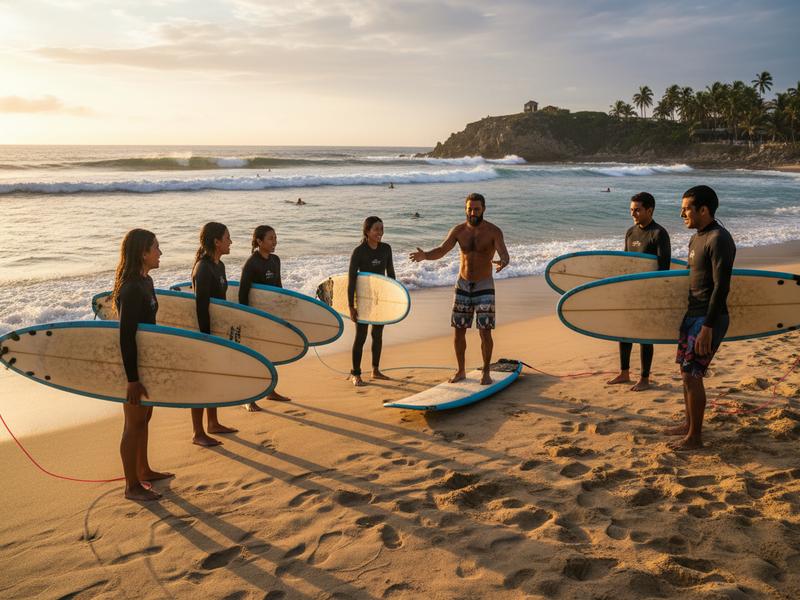
La Punta sits at the far southern end of Zicatela beach, roughly 2 km past the main break. A rocky point and reef formation at this end of the strand bends and filters incoming swell, reducing wave size significantly. Where Zicatela might be pumping 10-foot barrels, La Punta often offers clean 3-to-5-foot walls.
What Makes It Work for Intermediates
The waves at La Punta break both left and right over sand, offering long rides when the swell cooperates. On smaller days (2-3 feet), you can catch a wave and ride it for 50 to 100 meters before it fizzles into whitewater — the kind of extended ride that builds confidence and lets you practice turns.
The sandy bottom means wipeouts are low-consequence. The rip currents that plague Zicatela are far weaker here, though they do exist on bigger days. Water depth increases gradually, giving you a proper warm-up zone before reaching the break.
The La Punta Neighborhood
The area around La Punta has become the social center of Puerto Escondido for traveling surfers. The main road behind the beach is lined with surf shops, board rental stalls, smoothie bars, taco stands, and rooftop restaurants. Hostels in this neighborhood charge 200-350 MXN ($10-18 USD) per night for a dorm bed, and private rooms in guesthouses run 600-1,200 MXN ($30-60 USD).
If you are coming specifically to surf and want to be within walking distance of both the beginner and intermediate waves, stay in La Punta. The Zicatela strip further north is noisier, rougher around the edges, and more oriented toward nightlife than early morning paddle-outs.
For a broader look at the La Punta area and what else to do beyond surfing, check our full Puerto Escondido travel guide.
Carrizalillo: Where Beginners Belong
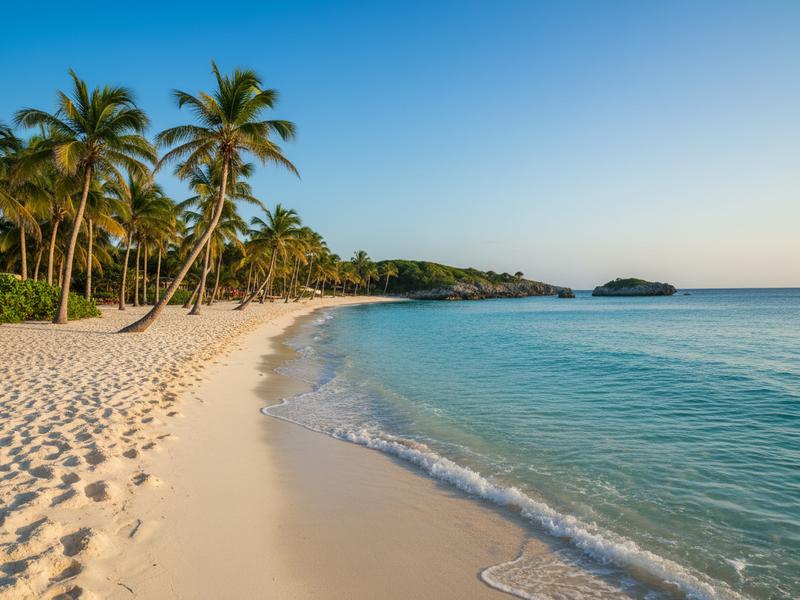
Carrizalillo is a small crescent-shaped cove about 1.5 km west of the main town, accessed by descending roughly 170 stone steps cut into a cliff face. The entry fee is 35 MXN (about $2 USD). Once down the stairs, you find a protected bay with turquoise water, a row of palapa restaurants selling cold beer and ceviche, and waves that rarely exceed chest height.
Why It Works for First-Timers
The cove’s rocky headlands block the direct south swell that hammers Zicatela. Only refracted, weakened swell enters the bay, producing slow-rolling waves that break gently across a sandy bottom. On calm days, the water inside Carrizalillo is nearly flat — good for swimming but not surfing. On moderate swell days, the waves are long and forgiving enough that first-time surfers reliably stand up during a single lesson.
Surf instructors stationed at the beach offer 2-hour lessons for 400-500 MXN ($20-25 USD) including board. Standalone board rental runs about 150 MXN ($8 USD) per hour.
The Downside
Carrizalillo gets crowded, especially from December through March. The cove is small, and it shares space among swimmers, snorkelers, SUP paddlers, and surf students. By 11 AM on a peak-season day, you may be dodging bodies in the water. Arrive early — ideally by 8 AM — to get clean, uncrowded waves and a palapa before they fill up.
The climb back up those 170 steps in the midday heat is also no joke. Bring water and wear shoes with grip.
If you want more details on this beach specifically, we have a full Carrizalillo guide that covers logistics, restaurants, and snorkeling conditions.
Surf Schools and Board Rental
Reputable Surf Schools
Puerto Escondido has dozens of surf schools and freelance instructors, but quality varies. These three have consistent reputations:
- Oasis Surf Academy — Located near La Punta, offering group lessons (2 hours, 500-700 MXN / $25-35 USD per person) and private coaching (900-1,500 MXN / $45-75 USD). Instructors speak English and Spanish. They take beginners to La Punta or Carrizalillo depending on swell.
- Puerto Surf — A surf house and school on the Zicatela strip. Multi-day packages start around 3,500 MXN ($175 USD) for 5 sessions. Good option if you want structure and progression.
- Central Surf — A locally-run operation known for experienced coaches who have surfed Zicatela for 20+ years. Better suited for intermediate surfers who want to push into overhead waves.
For more options across the country, our surf lessons in Mexico guide compares schools at every major break from Sayulita to the Oaxaca coast.
Board Rental Prices
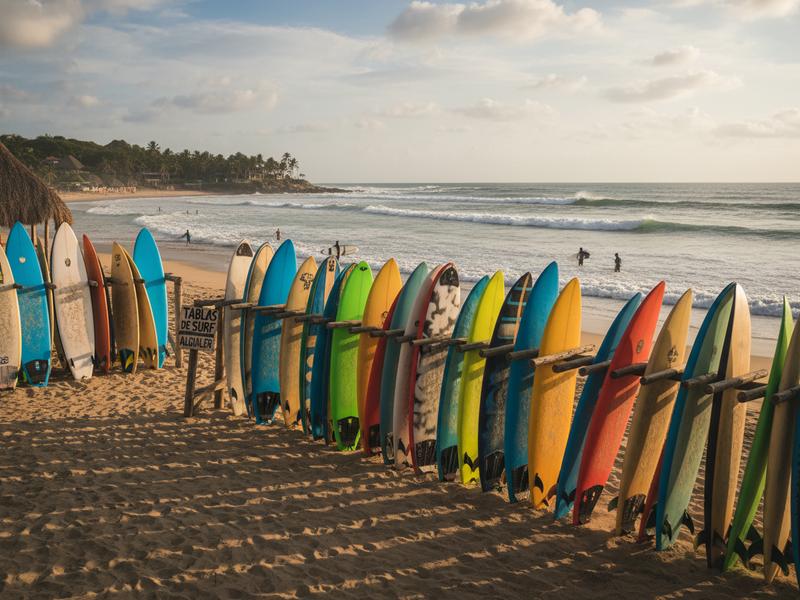
You do not need to bring a board to Puerto Escondido. Rental shops are everywhere in the La Punta area, and most offer daily and weekly rates.
| Board Type | Daily Rate | Weekly Rate |
|---|---|---|
| Foam-top / soft-top (beginner) | 200-250 MXN ($10-13 USD) | 1,000-1,400 MXN ($50-70 USD) |
| Longboard (9ft+) | 300-400 MXN ($15-20 USD) | 1,500-2,000 MXN ($75-100 USD) |
| Performance shortboard | 350-500 MXN ($18-25 USD) | 1,800-2,500 MXN ($90-125 USD) |
| Bodyboard | 150-200 MXN ($8-10 USD) | 700-1,000 MXN ($35-50 USD) |
Most shops require a passport or ID as a deposit. A few accept a cash deposit of 1,000-2,000 MXN instead. Check the board’s fins, leash, and wax before you leave the shop — replacing a lost or broken fin costs 200-400 MXN.
Best Surf Season: Month-by-Month
Understanding Puerto Escondido’s swell calendar is the single most important factor in planning your trip. The wrong month for your skill level means either dangerously large waves or frustratingly flat conditions.
May through October (South Swell Season)
This is when Puerto Escondido earns its global reputation. Consistent south and southwest groundswells arrive from the Southern Pacific, generated by storm systems thousands of kilometers away. The swell direction (185-200 degrees) aligns perfectly with Zicatela’s orientation, producing the powerful barrels that draw professional surfers and competition events.
Who this season is for: Advanced and expert surfers at Zicatela. Intermediate surfers at La Punta, where the filtered swell still provides solid 3-to-6-foot waves. Beginners at Carrizalillo, where the cove remains manageable.
Weather: Hot (30-35C / 86-95F), humid, afternoon rain showers common. Water temperature 27-29C — no wetsuit needed. This is also the “green season” with lower accommodation prices.
November through April (Dry Season / North Swell)
Smaller, cleaner swells from the northwest replace the summer power. Zicatela calms down to a 3-to-6-foot range much of the time, making it approachable for confident intermediates on good days. La Punta sees 2-to-4-foot surf — perfect for progression. Carrizalillo is at its tamest.
Who this season is for: Intermediate surfers who want to test bigger waves without summer-level consequences. Beginners who prefer guaranteed small conditions. Anyone who wants dry weather and offshore morning winds.
Weather: Dry, sunny, 28-32C / 82-90F. Lower humidity. This is peak tourist season, meaning higher prices and crowded lineups at La Punta.
For detailed month-by-month weather and event information, see our best time to visit Puerto Escondido breakdown.
Where to Stay for Surfers
Your accommodation choice depends on which break you plan to surf most.
La Punta Area (Best for Most Surfers)
Walking distance to La Punta break and Carrizalillo. Dorm beds in hostels run 200-350 MXN ($10-18 USD) per night. Private rooms in guesthouses cost 600-1,200 MXN ($30-60 USD). The neighborhood is walkable, safe, and full of affordable food options. This is where the majority of traveling surfers stay.
Zicatela Strip (Advanced Surfers / Nightlife)
Hotels and rentals line the beachfront road facing Zicatela. Mid-range options like Aldea del Bazar offer ocean-view rooms for 1,500-2,500 MXN ($75-125 USD) per night. The advantage is rolling out of bed and checking the surf from your window. The downside is road noise, a party atmosphere, and being further from the beginner breaks.
Carrizalillo / Rinconada (Quiet, Families)
A quieter residential area near Carrizalillo cove. More vacation rentals than hostels, with nightly rates starting around 800 MXN ($40 USD) for a basic apartment. Best for families or couples who want pool access and calm surroundings.
For the full accommodation breakdown with specific hotel reviews, visit our best hotels in Puerto Escondido guide.
Getting to Puerto Escondido
The New Highway Changed Everything
The Autopista Barranca Larga-Ventanilla (Highway 135D), which fully opened in 2024, cut the Oaxaca City to Puerto Escondido drive from a punishing 7-8 hours on winding mountain roads to 3-3.5 hours on a modern toll highway with tunnels and wide lanes. The toll runs approximately 235-350 MXN ($12-18 USD) depending on vehicle type.
Shared shuttles from Oaxaca City to Puerto Escondido via the new highway cost 500-700 MXN ($25-35 USD) and operate daily with multiple departures. They drop you in the center of town or at La Punta by request. This is the best value option for solo travelers.
Private transfers cost 2,400-4,000 MXN ($120-200 USD) for the full vehicle — worth it if you are traveling with a group or have multiple boards.
For a complete transport comparison including buses and flights, read our Oaxaca to Puerto Escondido transport guide.
Getting Around Town
Within Puerto Escondido, colectivos (shared vans) run along the main coastal road from the airport through Zicatela to La Punta for 10-15 MXN. Taxis between neighborhoods cost 40-80 MXN. Most surfers walk or rent a bicycle (100-150 MXN / $5-8 USD per day) once they are settled in La Punta.
Surf Safety: What Nobody Tells You
Beyond the obvious “don’t swim at Zicatela” warning, a few practical safety points for surfers:
- Travel insurance with surf coverage: Standard travel policies often exclude injuries from “extreme sports.” Check your policy before you paddle out. A Zicatela hold-down that ends in a private clinic visit can easily cost 5,000-15,000 MXN out of pocket.
- Board leash: Never surf without one, especially at Zicatela. A loose board in the impact zone becomes a projectile.
- Sun protection: The Oaxaca coast sits at 15 degrees north latitude. UV index hits 11+ most days. Zinc-based reef-safe sunscreen is sold at La Punta surf shops for 150-250 MXN.
- Hydration: The combination of heat, salt water, and physical exertion dehydrates you faster than you expect. Bring a water bottle to the beach.
- Respect the locals: Zicatela has a local crew that has surfed these waves for decades. Do not paddle straight to the peak on your first session. Sit on the shoulder, watch the rotation, and earn your waves.
Beyond Surfing: What Else to Do
Puerto Escondido is not a one-trick town. Days when the surf is flat (or when your body needs recovery) offer plenty of alternatives:
- Bioluminescent lagoon tours at Laguna de Manialtepec (best July-October, 350-500 MXN / $18-25 USD)
- Sea turtle releases on Playa Bacocho (June-November, usually at sunset, free or small donation)
- Fresh seafood at the fishermen’s market near Playa Principal — whole grilled fish for 120-180 MXN ($6-9 USD)
- Yoga classes in La Punta studios (150-250 MXN per drop-in class)
- Day trips to the beaches along the wider Oaxaca coast, including Mazunte, Zipolite, and the surf point breaks near Salina Cruz
For the complete list, check our things to do in Puerto Escondido guide.
Final Word: Match Your Skill to the Break
Puerto Escondido rewards honesty about your own ability. Paddle out at Zicatela when you are not ready, and the ocean will make the correction for you — violently. Start at La Punta or Carrizalillo, build your skills, watch the Zicatela lineup from the sand for a few days, and only enter when you genuinely understand what you are getting into.
The surf here is world-class at every level. You just have to pick the right wave for where you actually are as a surfer, not where your ego tells you to be.
For the broader picture of Mexico’s surf geography — from the Pacific points of Baja to the warm-water reef breaks in Jalisco and Nayarit — start with our complete guide to surfing in Mexico. And if Puerto Escondido is just one stop on a longer Oaxaca trip, our Puerto Escondido travel guide covers neighborhoods, food, nightlife, and logistics beyond the surf.