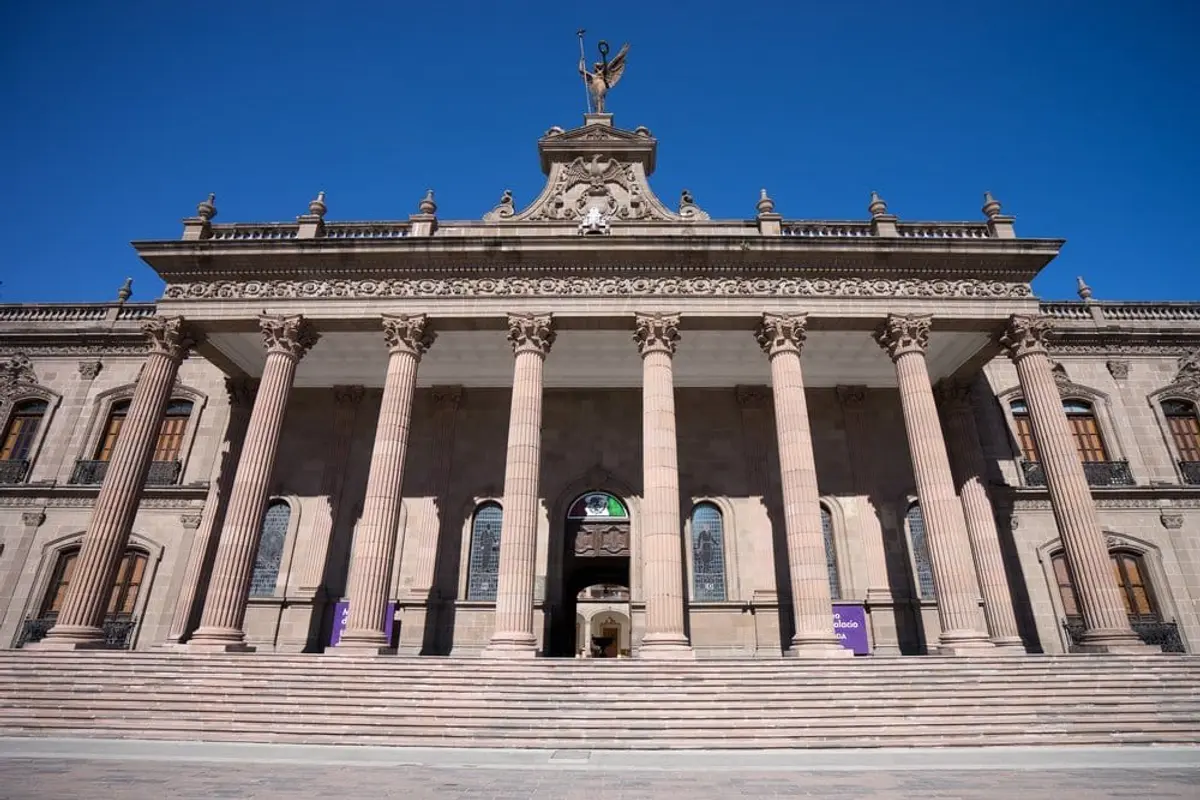
What to Eat in Monterrey: 15 Must-Try Dishes & Where to Find Them
Monterrey is not Oaxaca. There are no seven moles, no 30-year-old tlayuda tradition, no market full of chapulines. What Monterrey has instead is some of the finest grilled meat in Latin America, a morning machacado culture that sustained generations of northern ranchers, and a whole young goat slow-roasted over mesquite that will recalibrate what you think Mexican food is.
Monterrey is Mexico’s wealthiest and most industrialized city. Its food reflects that: meat-forward, smoke-driven, abundant. Northern Mexico — el norte — developed a cuisine almost entirely independent from the chile-and-corn complexity of the south, born from cattle ranching, the Chihuahuan desert, and centuries of relative isolation.
This is the city’s food guide. No fillers, no tourist traps.
Monterrey Food Quick Reference
| Dish | When to Eat | Where to Find | Cost |
|---|---|---|---|
| Cabrito al pastor | Lunch (main event) | El Rey del Cabrito, Restaurante El Tío | 300–500 MXN |
| Carne asada | Lunch or dinner | Los Pacos, Barrio Antiguo asadores | 200–400 MXN |
| Machacado con huevo | Breakfast | Mercado Juárez, any fondita | 80–150 MXN |
| Frijoles a la charra | With everything | Every Monterrey restaurant | 40–80 MXN |
| Carne seca | Tapas / snack | Pulquerías, local bars | 50–100 MXN |
| Cabrito en salsa | Lunch | Traditional restaurants | 250–400 MXN |
| Gorditas de harina | Breakfast / snack | Street stalls, markets | 25–50 MXN |
| Discada | Weekend barbecue | Restaurants and homes | 180–300 MXN |
| Menudo | Sunday morning | Mercado Juárez, taquerías | 80–150 MXN |
| Asado de puerco | Lunch / dinner | Traditional restaurants | 150–250 MXN |
| Pan de semita | Breakfast / dessert | Panaderías (bakeries) | 15–40 MXN |
| Arrachera | Lunch or dinner | Steakhouses and asadores | 200–350 MXN |
| Cantaritos | Bars and cantinas | Barrio Antiguo bars | 80–150 MXN |
| Carta Blanca / Tecate | Everywhere | Everywhere | 30–60 MXN |
| Sotol | Upscale bars | San Pedro Garza García | 100–200 MXN |
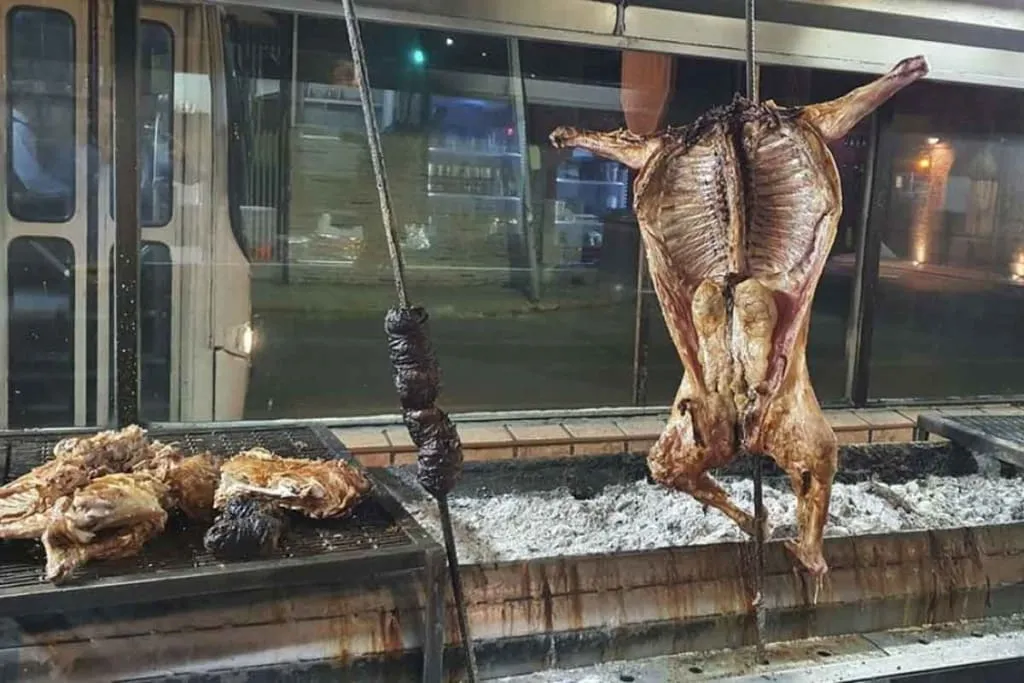
1. Cabrito al Pastor — The Dish That Defines Monterrey
Cabrito al pastor is Monterrey’s defining dish: a whole young goat (4–6 weeks old, pre-weaned, still milk-fed) slow-roasted on an iron spit over a mesquite wood fire for 3–4 hours until the skin is crackled and amber, the interior collapsing-tender.
This is not the same animal as the old goat used in birria. Cabrito is milk-fed and slaughtered young specifically for this purpose — closer in character to suckling pig than adult goat. The flavor is mild, sweet, and faintly gamey in the best possible way.
The history: Cabrito’s dominance in Nuevo León has an unusual origin. When Spain expelled Jews in 1492, many Sephardic families converted to Christianity and eventually emigrated to colonial Mexico as conversos. Northern Mexico — far from the Inquisition’s intensive scrutiny in Mexico City — became a refuge. These communities raised goats rather than pork, which they traditionally avoided, and cabrito became the festive meat of the region centuries before Texas cattlemen arrived.
Where to eat it:
- El Rey del Cabrito (Barrio Antiguo) — The classic, unchanged for decades. The cabrito arrives on a platter with tortillas, frijoles, and rice. Order the pierna (leg) or the full cuarto (quarter) if there are two of you.
- Restaurante El Tío — More formal atmosphere, same quality. Good for a business lunch.
- Los Compadres de Cabrito — Local neighborhood option, cheaper, less tourist-facing.
What to order with it: Tortillas de harina (flour, not corn — this is the north), frijoles a la charra in their pot, and cold Carta Blanca.
2. Carne Asada — Not a Dish, a Ritual
Carne asada means “grilled beef” in Spanish, but in Monterrey the term describes an entire social practice — a Sunday family ritual built around mesquite wood, arrachera cuts, and people eating together for hours.
The meat itself is typically arrachera (skirt steak), picaña (sirloin cap/picanha), or costillar (short ribs), marinated simply — lime, salt, garlic — and grilled over mesquite coals. The quality of the beef matters enormously, and Nuevo León has access to some of Mexico’s best cattle.
What’s served alongside:
- Frijoles a la charra (beans in a clay pot with chorizo, onion, cilantro, tomato)
- Guacamole (simple — avocado, lime, serrano)
- Salsa roja (charred tomato and chile de árbol)
- Cebollitas asadas (charred green onions)
- Tortillas de harina (fresh flour tortillas, hand-patted)
Where to eat carne asada: The best is honestly at someone’s home on a Sunday afternoon. As a visitor, Los Pacos in Barrio Antiguo is the closest approximation — a proper asador with wood fire, generous portions, and an unhurried atmosphere.
3. Machacado con Huevo — The Regiomontano Breakfast
Machacado is dried, shredded, and pounded beef — a preservation technique developed in northern Mexico before refrigeration. The beef is salted, dried in the sun or in a smokehouse, then beaten with a wooden mallet until it separates into coarse fibers. The result looks like pale, stringy jerky.
Machacado con huevo is the standard Monterrey breakfast: the dried beef scrambled in a pan with eggs, onion, tomato, and chile serrano. The texture is somewhere between eggs scrambled with vegetables and a light hash. The flavor is deeply savory, slightly salty, with the smoke of the drying process throughout.
You will eat this in Monterrey. It is unavoidable — and you will be glad of it.
Where to eat it: Mercado Juárez (Central Market) has the cheapest and most authentic machacado breakfasts. Arrive by 9 AM for the full operation. Any fondita or local breakfast spot in the city will also have it. Hotel breakfast buffets have a less authentic version — skip it and walk to a market.
Buying machacado to take home: The dried beef is sold vacuum-packed in markets and at the airport. It has significant shelf life and rehydrates well when cooked. It is one of the best northern Mexico edible souvenirs.
4. Frijoles a la Charra
Every Monterrey meal arrives with a small clay pot of frijoles a la charra (cowboy beans): pinto beans cooked with chorizo, chicharrón (pork rind), tomato, onion, garlic, cilantro, and sometimes bacon, in a rich, brothy preparation served straight from the pot.
The name refers to charros — the Mexican horsemen — because this is the bean preparation traditionally made at ranches and outdoor fires. Unlike refried beans (which exist in the north too), frijoles a la charra are served whole and brothy.
They are technically a side dish. In practice, a good charra bean is one of the best things on the table.
5. Discada — The Northern Barbecue Showpiece
Discada is what happens when northern Mexican ranchers adapted an old tractor disc (a farm implement) into a cooking vessel. The concave iron disc is placed over a fire and used to cook a mixture of chopped pork, beef, sausage, bacon, onions, tomatoes, and green onions together — everything mixed, rendered, and caramelized into a deeply savory hash.
The result is a crowd-feeding dish meant for outdoor gatherings, parties, and weekend barbecues. It is essentially the norteño version of a mixed grill platter, but cooked together rather than separately.
Where to eat it: Discada appears as a weekend special at asadores and traditional restaurants in Monterrey. You’ll also see it at family Sunday gatherings if you’re visiting someone. In restaurants, the version at Los Pacos or similar traditional asadores gives the full experience.
6. Menudo — The Sunday Morning Cure
Menudo is a tripe soup — the lining of a cow’s stomach slow-simmered for hours in a broth of guajillo and chile de árbol, with hominy corn, garlic, and oregano. The result is a powerfully savory, deeply collagen-rich soup with an intense aroma that is polarizing to first-timers.
In Monterrey (and across northern Mexico), menudo is the designated Sunday morning recovery dish — served from 6 AM and consumed in enormous quantities every weekend. It is the official hangover treatment of northern Mexico. The collagen and salt it delivers do legitimate restorative work.
Where to eat it: Mercado Juárez is the right call — market menudo from 6 to 10 AM, surrounded by locals doing the same. The bowl comes with oregano, chile flakes, lime, and freshly made tortillas.
If tripe is not for you, look for pozole rojo as an alternative — also available Sunday mornings in the same markets.
7. Gorditas de Harina — Northern Stuffed Pockets
The south has corn-based gorditas; Monterrey has gorditas de harina (wheat flour stuffed pockets). A flat disc of wheat flour dough is cooked on a comal until puffed, then split and filled — most commonly with machacado, picadillo (ground meat with potato), frijoles with cheese, or egg with chorizo.
They are fast, cheap, portable, and the best morning street food option in the city after machacado.
Where to find them: Street stalls near Mercado Juárez, outside metro stations in the morning, and anywhere that serves breakfast. Cost: 25–40 MXN per gordita.
8. Asado de Puerco — Pork in Chile Colorado
Asado de puerco is the Nuevo León version of red pork stew: cubed pork shoulder braised in a sauce of rehydrated dried chiles (typically ancho, mulato, and cascabel), tomato, and garlic until the meat is collapsing-tender and the sauce has reduced to a thick, deeply flavored coating.
This is the closest northern Mexico gets to the complex mole traditions of the south — though it’s simpler, with fewer ingredients and a cleaner, less baroque flavor profile. It’s traditional Sunday family food, typically served with rice and flour tortillas.
9. Pan de Semita — The Bread of the Norteños
Pan de semita (also semita de piloncillo or semita de nata) is a round, slightly sweet bread made with piloncillo (raw cane sugar), lard or butter, and anise seeds — sometimes with bites of queso fresco or nuts inside. It is the traditional baked good of northern Mexico, sold at panaderías throughout Monterrey, Saltillo, and the Chihuahuan desert towns.
The name derives from ácimo (unleavened bread), a reference to the same Sephardic Jewish history that shaped cabrito culture. It has a dense, slightly crumbly texture — not as airy as a French roll, not as rich as a brioche.
Where to buy it: Traditional panaderías in Barrio Antiguo or central Monterrey, typically sold warm in the morning. Cost: 15–40 MXN per piece.
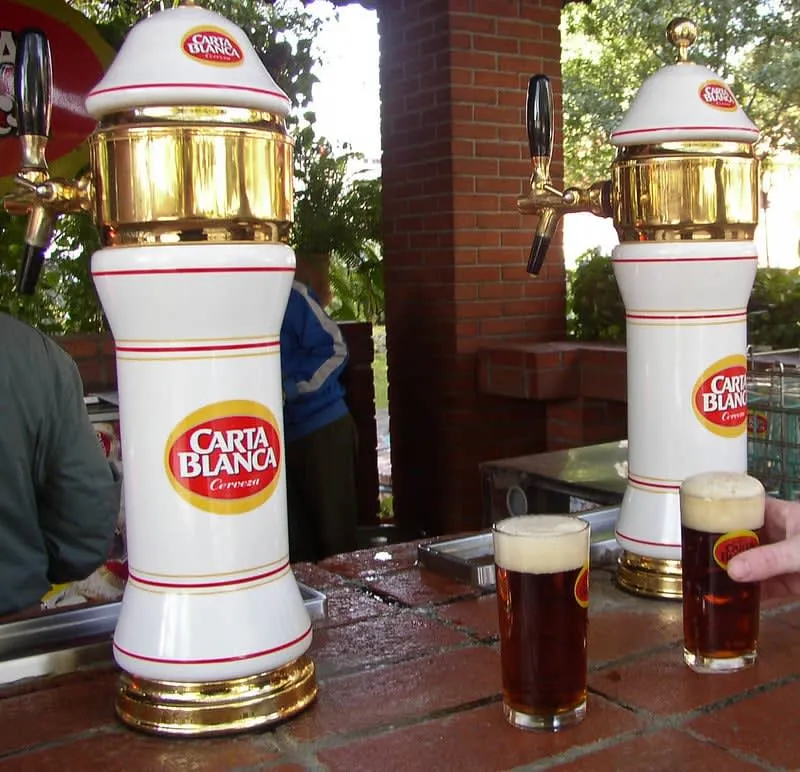
10. Carta Blanca — The Beer Born Here
Monterrey is Mexico’s brewing capital. The city has been producing industrial beer since 1890, when Carta Blanca was first brewed here. FEMSA — which owns Heineken’s Mexican operations and produces Dos Equis, Sol, Tecate, and Bohemia — is headquartered in Monterrey.
Carta Blanca (light lager) and Bohemia (richer lager) are the local choices. No one in Monterrey orders an imported beer when local options exist. Cold beer with cabrito, carne asada, or menudo is a non-negotiable combination.
Beyond the industrial majors, a craft beer scene has emerged in San Pedro Garza García (the wealthy enclave adjacent to Monterrey). The Cervecería Cuauhtémoc Moctezuma offers tours that explain the industrial brewing history.
11. Cantarito — The Party Drink
A cantarito is a clay cup (the cantarito itself) filled with tequila, lime juice, orange juice, grapefruit juice, salt, and grapefruit-flavored soda (Squirt or Jarritos Toronja). The clay cup imparts a subtle earthy mineral note to the drink.
This is the signature cocktail of Jalisco’s Tequila town, but it has become ubiquitous across northern Mexico and is the go-to party drink in Monterrey’s bar scene. Barrio Antiguo on a Friday or Saturday night is the place to have one.
Alternative drinks:
- Sotol — Agave-adjacent spirit from the Chihuahuan desert. Not tequila, not mezcal — its own category with a drier, more mineral profile. Gaining ground in Monterrey’s upscale bar scene.
- Paloma — Tequila and grapefruit soda, simpler than a cantarito.
- Horchata — Rice and cinnamon drink, served cold. The non-alcoholic default at family meals.
12. Carne Seca — Dried Beef, Eaten as a Snack
Carne seca (also called cecina norteña in some contexts) is beef that has been salted and dried — similar to machacado but typically served in strips or shreds rather than scrambled with eggs. In Monterrey, it appears as a bar snack, a taco filling, or a topping for tostilocos (a northern street snack of Tostitos chips with various toppings).
The quality of carne seca varies significantly. The best is made from quality beef, dried properly, with salt as the only preservative. It has a concentrated, beefy intensity that makes machacado seem mild by comparison.
13. Chicharrón — Pork Rinds Done Properly
Chicharrón appears across Mexico, but northern Mexico’s version — cooked in large industrial vats with rendered lard — achieves a particular lightness and crunch that the south’s versions don’t always match. In Monterrey, chicharrón appears as a botana (bar snack), as a component of frijoles a la charra, and fried to order at market stalls with salsa verde for dipping.
Chicharrón en salsa verde — pork rinds simmered in tomatillo and serrano chile sauce until soft — is a completely different preparation, served in tacos or as a stew component. Both versions are worth eating.
Where to Eat in Monterrey: Neighborhood Guide
Barrio Antiguo (Old Quarter)
The concentrated hub for traditional Monterrey dining. Within 10 blocks you’ll find El Rey del Cabrito (cabrito al pastor), Los Pacos (carne asada), traditional cantinas with discada, and bars serving cold Carta Blanca. The neighborhood is also Monterrey’s nightlife center — dinner flows naturally into drinking here.
Mercado Juárez (Central Market)
The market for eating like a regiomontano on a budget. Machacado con huevo breakfasts from 6 AM, menudo on Sunday mornings, gorditas from market stalls, regional cheeses (queso Oaxaca and queso blanco from Nuevo León dairies), dried chiles, and machacado to take home. Prices are 40–60% lower than restaurants.
San Pedro Garza García
Monterrey’s wealthy adjacent municipality has a concentration of upscale contemporary restaurants — some focusing on modern interpretations of northern Mexican cuisine, others serving international food for the business class. If you want tasting menus and sotol cocktails in a design-forward setting, this is where to go.
Cintermex Area / Business District
International chains and hotel restaurants for those staying near the convention center. Not where you want to eat traditional food.
Monterrey Food Itinerary
Morning: Mercado Juárez — machacado con huevo + coffee + pan de semita (before 9 AM for full market operation).
Midday: El Rey del Cabrito in Barrio Antiguo — this is the main event. Order the cuarto de cabrito (quarter goat) with frijoles a la charra and tortillas de harina. Budget 1.5–2 hours and one (or two) Carta Blancas.
Afternoon: Walk Barrio Antiguo — explore the colonial buildings, visit the Obispado museum on the hill if you have energy.
Evening: Return to Barrio Antiguo for carne asada at an asador, cantaritos at a bar, and the street food circuit. Gorditas and tacos from street carts after 8 PM.
Sunday only: Mercado Juárez for menudo at 7–8 AM. This is non-negotiable if you’re here on a Sunday.
Getting Around to Eat
Monterrey is a large, spread-out city. Uber operates freely (unlike Cancún, Tulum, and Oaxaca), making it easy to move between Barrio Antiguo, Mercado Juárez, and San Pedro Garza García. Cost: 50–120 MXN for most intracity trips.
The Metro (subway) reaches Barrio Antiguo and the central market areas. It is the cheapest option but doesn’t cover San Pedro.
Rental cars work well in Monterrey but traffic is heavy on weekdays. See Monterrey Airport Transportation for getting from MTY airport.
More Monterrey:
- Monterrey Travel Guide 2026 — Complete city guide
- Things to Do in Monterrey 2026 — 25 best activities
- Day Trips from Monterrey 2026 — García Caves, Cola de Caballo, Parras
- Is Monterrey Safe 2026 — Honest safety guide
- Monterrey Airport Transportation 2026 — Uber, taxis, getting to the city
- What to Eat in Guadalajara — Compare northern vs western Mexican food
- What to Eat in Mexico City — The capital’s food landscape
Written by Ricardo Sanchez — Mexican travel writer and founder of Mexico Travel and Leisure.