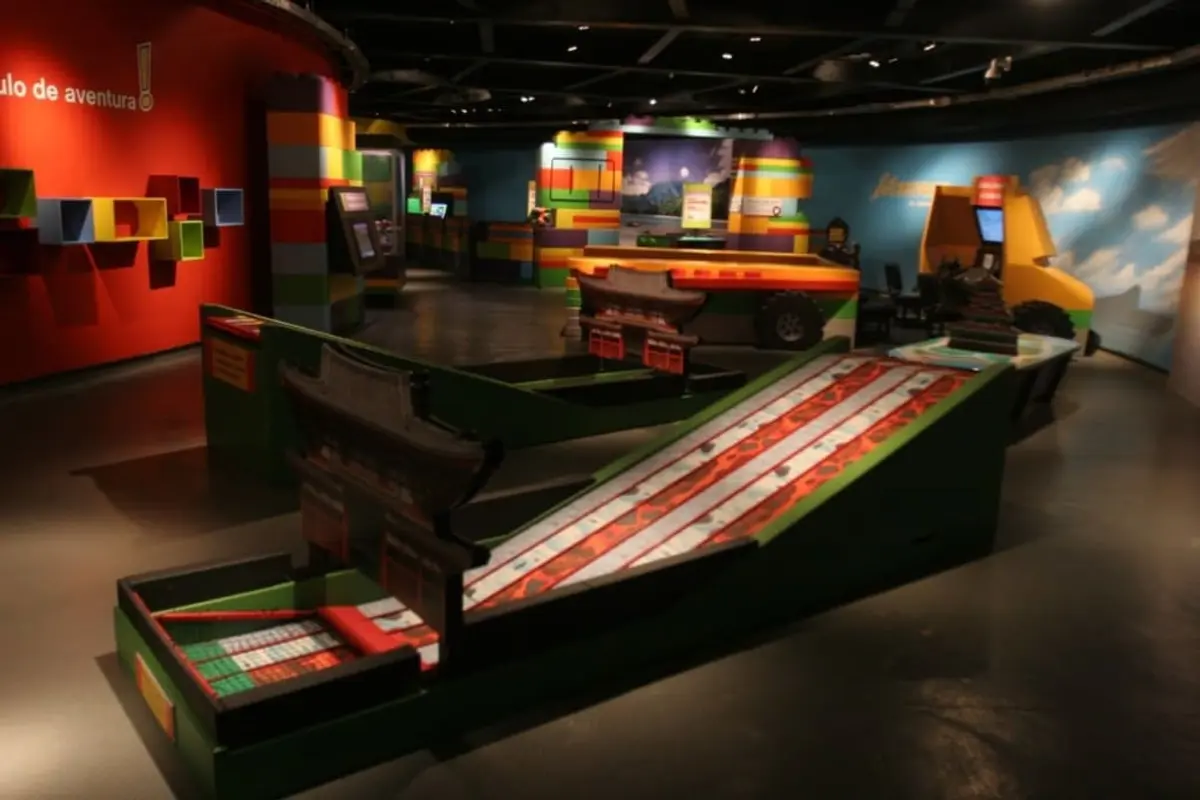
25 Best Things to Do in Monterrey Mexico 2026
The best things to do in Monterrey Mexico start with Parque Fundidora, Paseo Santa Lucía, García Caves, cabrito dinners, San Pedro, and mountain day trips into Nuevo León. The city is Mexico’s industrial capital, but for travelers the real payoff is the mix of urban parks, museums, desert caves, carne asada culture, and Sierra Madre views.
This guide covers the 25 best things to do in Monterrey in 2026, including what to prioritize on a first trip, what needs a car, where World Cup weeks may affect plans, and which activities are easiest to combine in the same day.
You do not need a car for Fundidora, Macroplaza, Barrio Antiguo, or San Pedro. You probably do want one for García Caves, Cola de Caballo, Santiago, Arteaga, or Parras. If your Monterrey plan includes two or more mountain day trips, compare airport rental rates on RentCars before defaulting to separate taxis and tours.
Monterrey in 30 Seconds
| Question | Quick answer |
|---|---|
| Best first-timer circuit | Macroplaza, Paseo Santa Lucía, Parque Fundidora, Horno 3, and Barrio Antiguo |
| Best day trip | García Caves if you want scenery; Santiago and Cola de Caballo if you want an easier half day |
| Best food payoff | Cabrito at El Rey del Cabrito, carne asada, machaca, and craft beer in Barrio Antiguo |
| 2026 timing note | The World Cup ended July 19; check the Rayados schedule for current Estadio BBVA match dates |
| Car or no car? | No car for the city core; rent one for caves, waterfalls, Parras, or Arteaga |
Activity Quick Reference
| # | Activity | Category | Cost | Time |
|---|---|---|---|---|
| 1 | Parque Fundidora + Horno 3 Museum | Heritage | 80–120 MXN | 3–4 hrs |
| 2 | Paseo Santa Lucía walk | Urban | Free | 1–2 hrs |
| 3 | Macroplaza + Faro del Comercio | Urban | Free | 1 hr |
| 4 | Barrio Antiguo evening walk | Neighborhood | Free | 2–3 hrs |
| 5 | Cerro del Obispado + museum | History | Free | 1.5 hrs |
| 6 | Alfa Planetarium | Science | 150–200 MXN | 2–3 hrs |
| 7 | Cervecería Cuauhtémoc Moctezuma tour | Culture | Free | 1.5 hrs |
| 8 | Museo de Historia Mexicana | History | 30–50 MXN | 1.5 hrs |
| 9 | Cerro de la Silla hike | Nature | Free | 4–6 hrs |
| 10 | Estadio BBVA tour / Rayados match | Sports | Varies | 1.5–3 hrs |
| 11 | Lucha Libre at Arena Coliseo | Entertainment | 100–300 MXN | 2.5 hrs |
| 12 | Cabrito dinner at El Rey del Cabrito | Food | 350–550 MXN/person | 1.5 hrs |
| 13 | Carne asada experience | Food | 200–400 MXN/person | 2–3 hrs |
| 14 | Barrio Antiguo bar hopping | Nightlife | 150–400 MXN | 3–4 hrs |
| 15 | Craft beer at Cerveza Fauna taproom | Food | 100–200 MXN | 1.5 hrs |
| 16 | Mercado Juárez breakfast | Food | 50–100 MXN | 1 hr |
| 17 | García Caves (day trip) | Nature | 200 MXN + cable car | Full day |
| 18 | Cola de Caballo waterfall (day trip) | Nature | 100–150 MXN | Half day |
| 19 | Chipinque Ecological Park | Nature | 100 MXN | Half day |
| 20 | Sierra de Arteaga (apple orchards) | Day trip | Free–200 MXN | Full day |
| 21 | Parras de la Fuente winery | Day trip | 200–500 MXN | Full day |
| 22 | Galería de Arte Contemporáneo | Art | Free–50 MXN | 1 hr |
| 23 | Plaza Fiesta San Agustín market | Shopping | Free | 2 hrs |
| 24 | San Pedro Garza García Thursday Art Walk | Art | Free | 2 hrs |
| 25 | Monterreal ski resort (seasonal) | Sports | 800–1,500 MXN | Full day |
Historic Sites & Museums
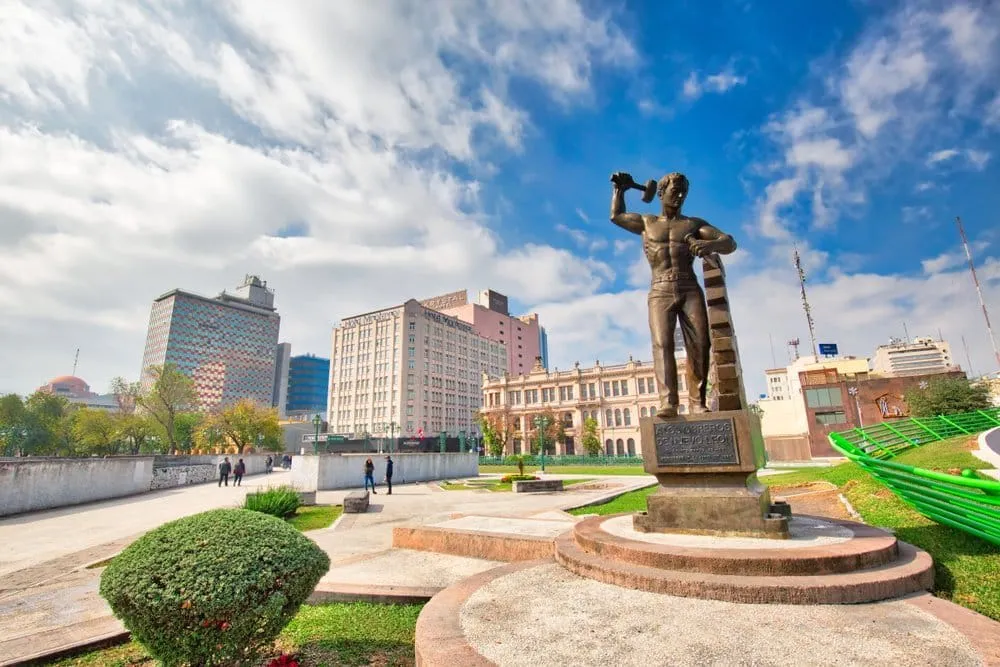
1. Walk the Macroplaza
At 400,000 square meters, the Macroplaza is one of the largest public squares in the world — significantly bigger than Mexico City’s Zócalo. The centerpiece is the Faro del Comercio, a 70-meter orange concrete tower designed by architect Luis Barragán. At night it sweeps green laser beams across the city; at sunset, the Cerro de la Silla behind it turns copper.
Surrounding the plaza: the Baroque Cathedral (18th century, Ángel Zárraga murals), the Government Palace with its interior mural of Nuevo León’s industrial history, and the 19th-century Palacio de Justicia. The Macroplaza is completely free and connects directly to the Paseo Santa Lucía waterway.
Practical: Open 24 hours. Best at sunset when the Faro lasers activate.
2. Cerro del Obispado — Best City Views, Free
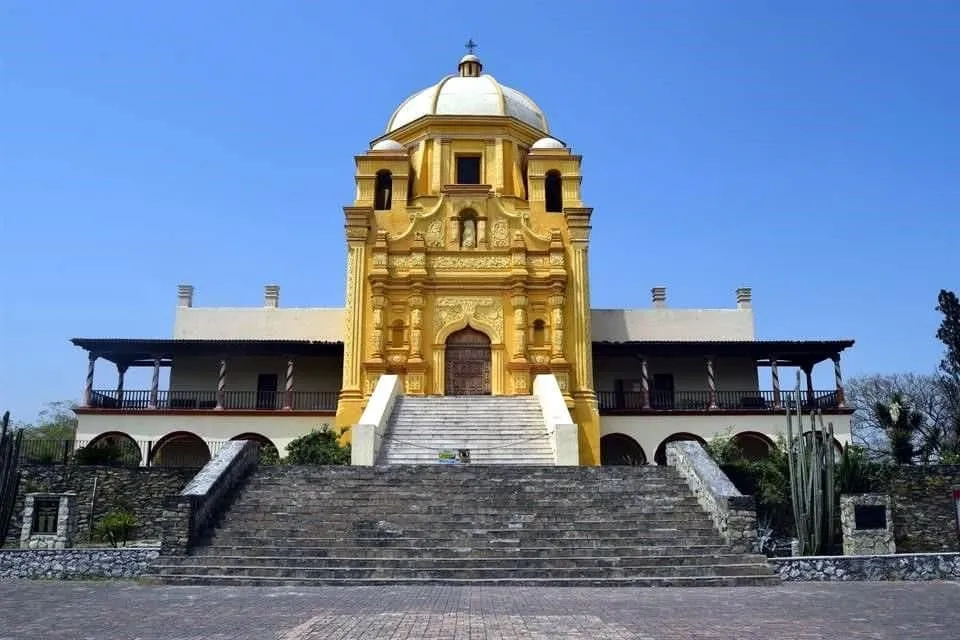
Monterrey’s oldest building sits on a hilltop with the best view in the city. The Obispado (Bishop’s Palace) was built in 1787 as a summer retreat for the Bishop of León, later used as a fort during the 1846 Battle of Monterrey (where American troops under General Worth captured it in hand-to-hand combat) and again in the 1913 Revolution.
Now the Regional Museum of History of Nuevo León, it has permanent exhibitions on pre-Hispanic settlements in the north, colonial-era Monterrey, the Industrial Revolution that made the city, and the 20th century. The real reason to climb up: panoramic views from the hilltop — entire metro spread below, Cerro de la Silla front and center, and on clear days the Sierra Madre peaks in all directions.
Practical: Free entry. Tue–Sun 10 AM–5 PM. Take an Uber to the base (15-minute walk up the hill). Skip the midday heat in summer.
3. Museo de Historia Mexicana
Located directly on the Macroplaza, three floors of Mexican history from pre-Hispanic to modern. The permanent collection is strong on the northern frontier narrative — how the Nuevo León territory was colonized, the Texas independence conflict, and the impact of industrialization. Temporary exhibitions rotate every 3–4 months.
Practical: Entry ~30–50 MXN; free Tuesdays for Mexican nationals. Tue–Sun 10 AM–6 PM. Combine with the Macroplaza and Santa Lucía walk for a half-day circuit.
Parks & Outdoor Spaces
4. Paseo Santa Lucía
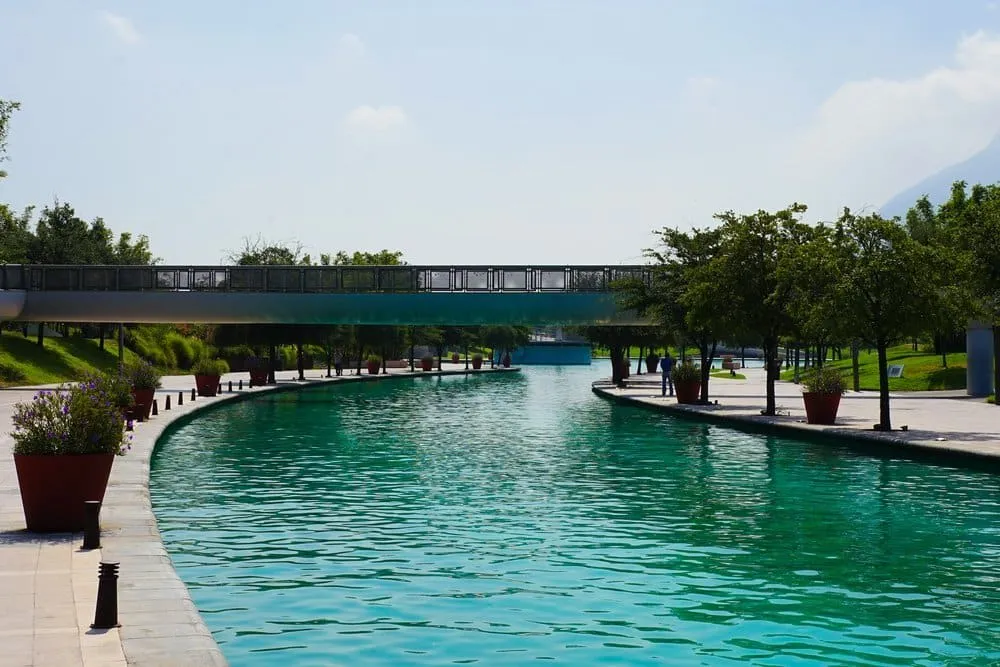
A 2.5 km artificial waterway connecting the Macroplaza to Parque Fundidora — built for the 2007 Universal Forum of Cultures and technically the longest artificial river in Latin America. Twenty-four fountains, sculpture installations, pedestrian bridges, and a continuous waterside path link the city’s two main attractions.
Small flat-bottomed boats make the full Santa Lucía circuit, departing from docks near the Macroplaza every 30–40 minutes. The boat ride takes about 45 minutes and costs roughly 60–80 MXN. Walking the full path takes under an hour at a relaxed pace.
Practical: Walk free anytime; boats operate daily 10 AM–8 PM. Best in the morning before the heat builds in summer.
5. Parque Fundidora + Horno 3 Museum
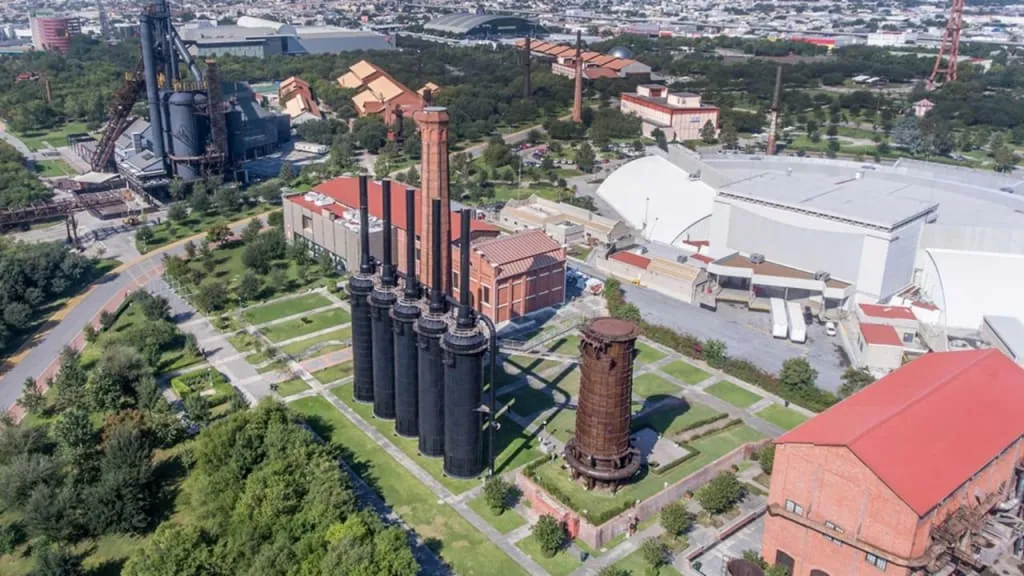
The most compelling urban park in northern Mexico. Parque Fundidora occupies the former Fundidora de Monterrey steel complex — Latin America’s first integrated steel mill, built in 1900. The plant ran until 1986 before going bankrupt; rather than demolish it, the city converted it into a 140-hectare park while preserving the blast furnaces as monuments.
The industrial landscape is genuinely dramatic: rust-orange Altos Hornos (blast furnaces) rising 50 meters, ore cranes still in position, the massive turbine hall now an events space. The Museo del Acero Horno 3 tells the full story with interactive exhibits — the highlight is a cable car ride that enters a dormant blast furnace, the same one that once produced 900 tons of steel per day. From inside, you look up through the furnace mouth to open sky.
Beyond the industrial heritage: Fundidora has a convention center, sports venues, baseball stadium, outdoor concert space, and the best running/cycling paths in the city.
Practical: Park entry free. Horno 3 museum entry ~80 MXN; cable car adds 40 MXN. Tue–Sun 10 AM–7 PM. Allow 2–3 hours for the museum; 30 minutes minimum for the park walk.
6. Cerro de la Silla Hike
The saddle-shaped mountain defining Monterrey’s skyline is the city’s emblem — visible from nearly every point, photographed from a million angles. The Cerro de la Silla stands 1,820 meters above sea level and is part of the Sierra Madre Oriental rising directly behind the city.
Guided hikes to the summit take 4–6 hours round trip and depart from the trailhead in Monterrey’s eastern outskirts. The hike is not technical but requires fitness and proper footwear — altitude gain of nearly 1,300 meters from base to peak. Summit views cover the entire 5.3 million-person metro area plus multiple sierra ranges.
Practical: Free to hike. Start by 7 AM in summer to avoid heat. Several trail operators offer guided ascents (200–400 MXN with a guide). Don’t attempt without water and proper footwear. Best months: October–April.
7. Chipinque Ecological Park
Just 15 km from downtown in San Pedro Garza García, Chipinque is a 1,800-hectare mountain park at 1,700 m elevation — the easiest mountain access from any Mexican city. Six hiking trails range from 1 to 8 km, mountain bikes are available for rent, and the views across Metro Monterrey are superb.
The park sits within the Cumbres de Monterrey National Park and has pine forest, deer, bird species, and clean mountain air that contrasts sharply with the valley below. A popular morning trip before the city heats up.
Practical: Entry ~100 MXN. Open daily 6 AM–6 PM. Uber from downtown ~150–200 MXN. No public transit reaches the park. Mountain bike rental on site.
Science & Culture
8. Alfa Planetarium
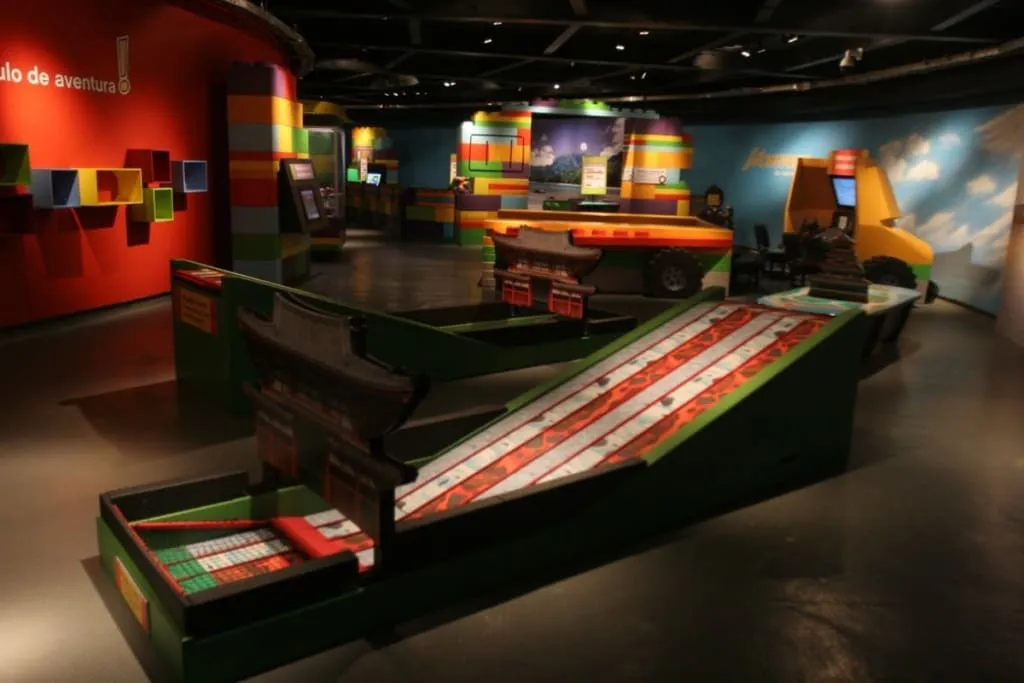
Mexico’s first IMAX theater (1978) operates inside this science complex in San Pedro Garza García, Monterrey’s wealthy adjacent municipality. The complex includes:
- 400-seat IMAX dome with digital projection system
- Astronomical observatory — one of the largest for public use in Latin America; open Friday and Saturday evenings for stargazing sessions
- Open-air aviary with 25 bird species
- Live science garden with hands-on exhibits aimed at children but interesting for adults
The exterior features a stained glass window by Rufino Tamayo, one of Mexico’s greatest 20th-century artists — worth seeing from the outside if you don’t go in.
Practical: Entry ~150–200 MXN. Hours vary by day (Tue–Sun roughly 10 AM–7 PM). In San Pedro Garza García, 20 minutes from downtown by Uber.
9. Cervecería Cuauhtémoc Moctezuma Free Tour
The 1890 brewery where Carta Blanca, Tecate, Bohemia, and Dos Equis are produced still occupies its original red-brick building in central Monterrey. Free brewery tours run twice daily on weekdays (10 AM and 2 PM) and include the original 1890s fermentation tanks, bottling line, and — at the end — complimentary samples of whatever’s on tap that day.
The tour takes about 90 minutes. No reservation required for weekday tours; weekends book up, call ahead. It’s the most popular free attraction in Monterrey for Mexican visitors.
Practical: Free. Alfonso Reyes 2202, near Fundidora. Tours Mon–Fri 10 AM and 2 PM. Closed Sundays.
10. Estadio BBVA — Rayados Home and 2026 World Cup Venue
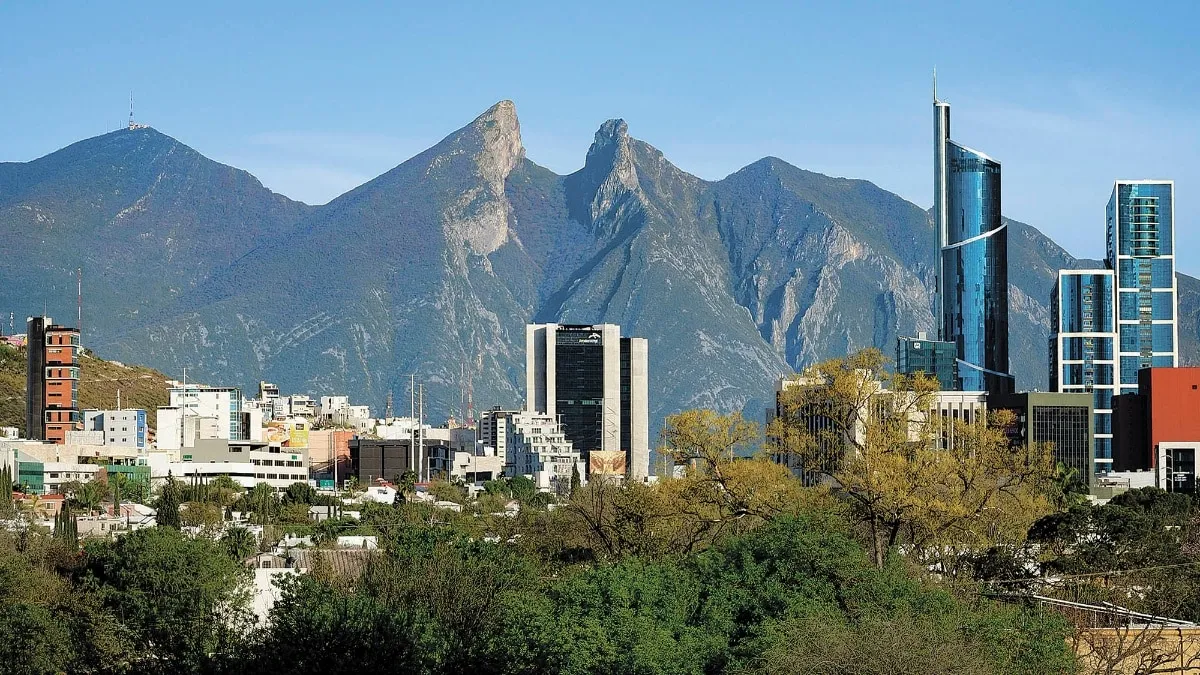
Even outside World Cup season, the Estadio BBVA in San Nicolás de los Garza (20 minutes from downtown) is worth visiting. Home to Rayados (Club de Fútbol Monterrey), the stadium is considered one of the most visually striking in Latin America — 53,500 capacity, every seat under a roof, with Cerro de la Silla framed through the open south end as a permanent backdrop.
The stadium hosts Liga MX matches September–May. Tickets cost 150–600 MXN for Rayados games and are available online. Stadium tours run on non-match days for ~150 MXN.
World Cup 2026: Estadio BBVA, renamed Estadio Monterrey for the tournament, hosted four matches in June 2026: three group-stage games and one Round of 32 fixture. The World Cup ended July 19, so FIFA’s official results archive is now the right source for scores rather than tickets or match-planning advice.
Browse Monterrey stadium tours and city activities via Viator.
Food & Nightlife
11. Cabrito Dinner at El Rey del Cabrito
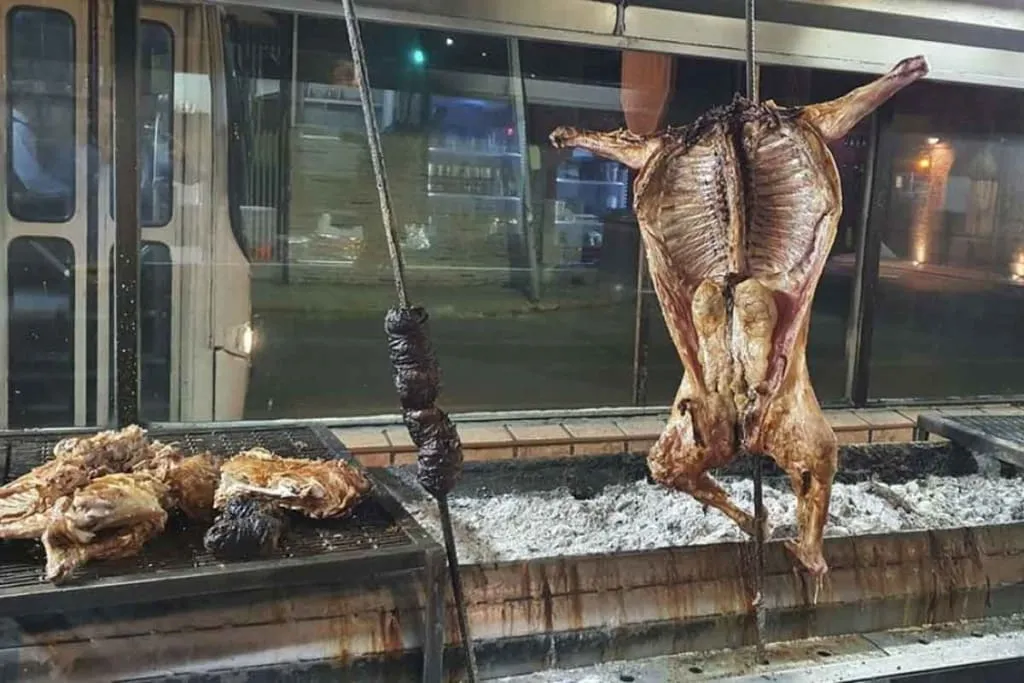
Monterrey’s signature dish deserves the right setting. Cabrito al pastor — a whole baby goat roasted slowly over mesquite wood — is to Monterrey what carne asada is to the rest of northern Mexico: not just a food but a ritual and an identity.
El Rey del Cabrito in Barrio Antiguo has been the definitive institution since 1975. One whole cabrito feeds 2–3 people comfortably (1,200–1,800 MXN for the whole animal). Order with tortillas, sliced nopales, and salsa bandera. The experience is worth every peso.
Other options: El Tío (more casual, excellent arrachera), El Gran Pastor (near the Macroplaza, more tourist-oriented but consistent), and Los Equipales (northern Mexican specialties beyond just cabrito).
12. Carne Asada Experience
Regiomontanos don’t do carne asada at restaurants on weekdays. This is a Sunday event — a neighborhood gathering, a family ritual, a social institution. Backyards fill with the smell of mesquite, arrachera and costillas sizzle on the grill, and Carta Blanca comes in glass bottles from a cooler.
If you’re lucky enough to be invited to a private asada, accept immediately. It’s the most authentic experience Monterrey offers.
For restaurant carne asada: Asadero El Tío (multiple locations, the standard recommendation), La Moraleja (San Pedro, upscale), and any neighborhood asadero off the main tourist circuit. Look for the smoke.
13. Barrio Antiguo Bar Scene
Monterrey’s historic neighborhood concentrates the city’s best nightlife in roughly 10 blocks near the Macroplaza. Colonial houses from the 18th–19th centuries have been converted into bars, mezcalerías, craft beer spots, and live music venues.
Friday and Saturday nights from 9 PM onward, Barrio Antiguo fills up — the energy is genuine, local, and far less tourist-oriented than Cancún nightlife. Key stops:
- Mezcal bars along Calle Morelos and Calle Galeana — try Oaxacan mezcals next to Nuevo León agave spirits
- La Cantina del Diablo — classic cantina atmosphere, live norteño music
- Parque Fundidora outdoor events — check what’s playing (concerts, festivals run here year-round)
- Craft beer spots — Barrio Antiguo has developed a decent craft beer scene alongside the traditional cantinas
14. Craft Beer at Cerveza Fauna Taproom
One of Mexico’s most acclaimed craft breweries, Cerveza Fauna was founded in Monterrey and maintains its taproom in the city. The beer program leans toward American-style IPAs and sours, with seasonal releases and experimental batches not available elsewhere.
The taproom has an industrial aesthetic fitting for a city built on steel, a food menu to pair with flights, and a knowledgeable staff who can walk you through the lineup. Worth prioritizing if you’re in Monterrey for more than two days.
15. Mercado Juárez Breakfast
The city’s main public market, in the heart of Barrio Antiguo, runs every morning with produce vendors, prepared food stalls, and antique dealers on weekends. The best move is breakfast: machaca con huevos (dried shredded beef with scrambled eggs), beans, tortillas, and a glass of fresh-squeezed naranja at one of the comedores along the inner corridor.
A full breakfast costs 60–100 MXN and is the fastest way to understand what regiomontanos actually eat every day (spoiler: it’s beef, in some form, at every meal).
Day Trips from Monterrey
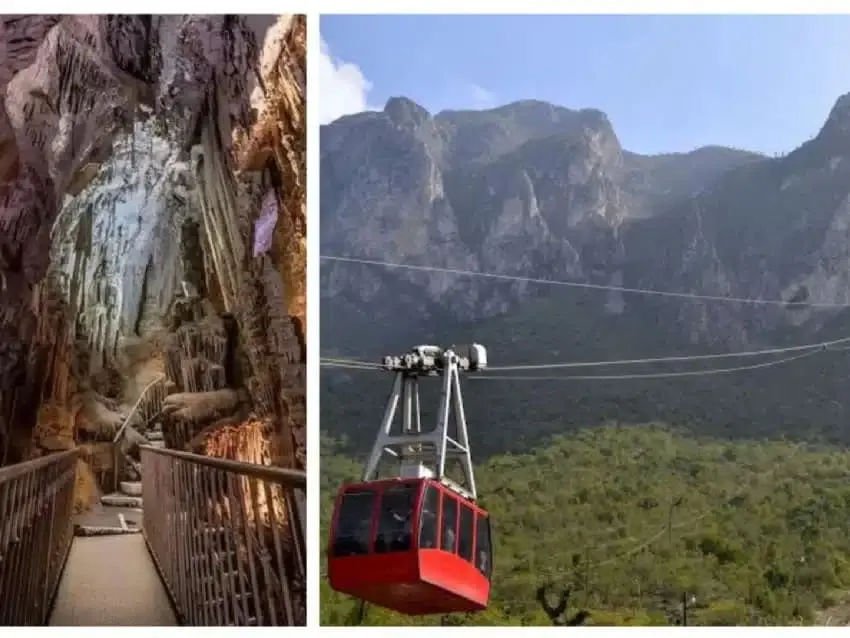
16. García Caves — Best Day Trip
The most rewarding single trip from Monterrey. Grutas de García were discovered in 1843 by a parish priest who stumbled on the cave entrance during drought-year exploration. The cave system has 16 chambers carved through a former seabed — marine fossils of ancient mollusks remain visible in the cave walls.
A cable car takes you 700 meters up the mountain to the cave entrance — the ride itself is spectacular, with panoramic views of the sierra. Inside: enormous stalactite formations, crystal pools, and one chamber with natural illumination. The temperature drops to around 16°C inside regardless of the heat outside.
Practical: 47 km northwest of Monterrey via Highway 40. About 1 hour by car. Entry ~200 MXN adults; cable car separate fee (~60 MXN). Open daily 9 AM–5 PM. Tours with transport from downtown available via Viator for roughly 450–700 MXN all-in.
17. Cola de Caballo Waterfall
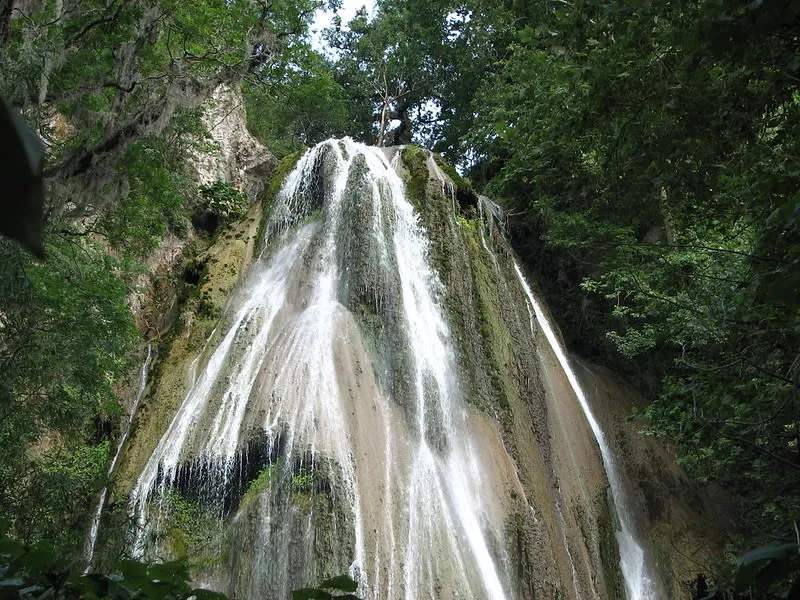
Forty minutes southwest of Monterrey, the Cola de Caballo (Horse’s Tail) waterfall is a 35-meter cascade inside Cumbres de Monterrey National Park. Horse-drawn carts carry visitors from the park entrance to the waterfall base (round trip ~80 MXN); walking takes 20 minutes each way.
The waterfall is most powerful June–October when rainfall is high, though it flows year-round. The surrounding pine forest is a genuine contrast to the city heat below. Combine with a picnic and an afternoon at Chipinque for a full day in the sierra.
Practical: Entry to the national park area ~100–150 MXN. Combine with Chipinque Park (15 km back toward Monterrey) for a full sierra day. Car needed or book a tour.
18. Chipinque Ecological Park (Day or Half-Day)
As noted above — 15 km from downtown, mountain biking, hiking, pine forest. The closest taste of serious mountains from any Mexican city. See #7 above for full details.
19. Sierra de Arteaga — Apple Orchards & Mountain Towns
Eighty km southwest of Monterrey, the Sierra de Arteaga is a cluster of mountain towns known for apple orchards, cooler temperatures, and the country feel that’s absent from the city. Arteaga itself has apple farms that open for picking September–November; the local production of apple cider, jellies, and brandy is sold at roadside stalls.
The Bosques de Monterreal ski resort sits at 2,500 m elevation here — the only ski resort in northeastern Mexico, operational December–January when snow covers the slopes. Outside ski season, the mountain road through the sierra to Saltillo is one of the most dramatic drives in northern Mexico.
Practical: 80 km via Highway 40. About 1.5 hours each way. Self-drive or Uber (expensive, 600–900 MXN one way). Best September–November for apple season; December–January for skiing.
20. Parras de la Fuente — Mexico’s Oldest Winery
Two and a half hours west (230 km), Parras de la Fuente is home to Casa Madero — Mexico’s oldest winery, founded in 1597 by Lorenzo García with a Spanish royal land grant. The winery still produces wine on the original hacienda grounds, with a museum covering the 400+ year history.
Coahuila’s wine country is legitimately excellent and completely unknown to most international visitors. The tour includes the original colonial cellars, a tasting of Casa Madero’s current vintages (Sirah, Cabernet, Chardonnay), and lunch in the hacienda dining room. The town of Parras itself — in a surprising green valley irrigated by natural springs — is one of the most pleasant villages in northern Mexico.
Practical: 230 km via Highway 40 west. Best as a weekend trip (stay overnight in Parras). Casa Madero tours daily, book online. About 350 MXN for the winery tour + tastings.
Arts & Free Activities
21. Thursday Art Walk in San Pedro Garza García
Every Thursday evening, San Pedro Garza García’s gallery district on Calzada del Valle opens late, with vernissages, artist talks, and free wine. More galleries, per square kilometer, than anywhere else in northern Mexico — a side effect of San Pedro being Mexico’s wealthiest municipality. Quality ranges from commercial to genuinely interesting contemporary Mexican art.
Practical: Galleries open 5–9 PM Thursdays. Free. Take Uber to San Pedro (15 minutes from downtown).
22. Galería de Arte Contemporáneo (GAC)
The Gobierno de Nuevo León’s contemporary art museum in the Macroplaza area shows rotating exhibitions of Mexican and Latin American contemporary art. Entry is free or minimal (~50 MXN). The permanent collection includes 20th-century work from the northern Mexico school and occasional international loans.
23. Lucha Libre at Arena Coliseo
Arena Coliseo de Monterrey hosts professional wrestling (Lucha Libre) most Friday and Saturday nights. The experience — crowd noise, theatrical mask-vs-mask storylines, aerial acrobatics — is chaotic and genuinely entertaining regardless of whether you follow the sport.
Tickets: 100–300 MXN ringside; 60–150 MXN for general seating. Box office opens 90 minutes before the show. Arrive early; evening cards usually start at 8:30 PM and run until midnight.
Seasonal Activity Calendar
| Month | Best Activities | Notes |
|---|---|---|
| Jan–Feb | Hiking, caves, city exploration | Ideal weather: 8–22°C. Clear skies. |
| Mar–Apr | All activities — peak shoulder season | Wildflowers in the sierra. Best hiking conditions. |
| May | Indoor culture (museums, planetarium) | Heat building: 35°C. Move outdoor activities to early morning. |
| Jun–Jul | Summer events and indoor culture | Extreme heat (40°C). The 2026 World Cup ended July 19; check current local schedules. |
| Aug–Sep | Waterfalls at maximum flow | Hottest months. Cola de Caballo runs strongest after rains. |
| Oct–Nov | Apple picking (Sierra Arteaga), hiking, all outdoor | Best overall window: 15–28°C. Least rain. |
| Dec | Ski at Monterreal (if snow), Christmas events | Cold nights (8°C). Sierra de Arteaga can have light snow. |
Free Things to Do in Monterrey
| Activity | Cost |
|---|---|
| Walk the Macroplaza | Free |
| Paseo Santa Lucía walk | Free |
| Cerro del Obispado views | Free (museum included) |
| Parque Fundidora grounds | Free |
| Thursday Art Walk, San Pedro | Free |
| Cervecería tour + samples | Free (weekdays) |
| Chipinque (accessible areas) | Partial free |
| Barrio Antiguo neighborhood walk | Free |
| Bici-Ruta (Sunday bike path) | Free (rent a bike ~50 MXN) |
Budget Guide
| Budget Level | Daily Cost | What You Get |
|---|---|---|
| Budget | $35–55 USD | Hostel, mercado breakfasts, street tacos, Metro transport, free attractions |
| Mid-range | $60–100 USD | 3-star hotel in Barrio Antiguo, restaurant dinners, Uber, one paid attraction |
| Comfort | $120–200 USD | Business hotel in San Pedro, nicer restaurants, day trips with car rental |
Main one-time expenses:
- García Caves day trip: 350–550 MXN including transport and entry
- Rayados match or stadium tour: price varies by fixture and seating
- Cabrito dinner at El Rey del Cabrito: 300–550 MXN per person
- Alfa Planetarium: 150–200 MXN
Compare car rental prices for day trips with RentCars — having a car is highly recommended for the sierra day trips.
Getting Around Monterrey
The Metro covers downtown, Fundidora, and key districts efficiently. Lines 1 and 2 connect the main attractions at 5 MXN per ride — cheapest transit in any Mexican city. Uber works reliably throughout the metro area and is the best option after dark.
For day trips to García Caves, Chipinque, Cola de Caballo, and Sierra de Arteaga, you need a car or a guided tour. The caves are 47 km and Chipinque is 15 km — both impractical without transport.
Useful Links
- Monterrey Mexico Travel Guide 2026 — Full overview: hotels, safety, World Cup 2026, budget
- What to Eat in Monterrey: 15 Dishes & Where to Find Them — Cabrito al pastor, machacado, carne asada, discada and the full food guide
- Monterrey Airport Transportation — Uber (works freely), authorized taxi zones, car rental, and prices from MTY
- Mexico City to Monterrey — Flights (1.5 hrs), overnight bus (ETN from Terminal Norte), driving via Querétaro
- Monterrey to Mexico City — reverse direction, same options
- Best Time to Visit Monterrey — Month-by-month weather, World Cup 2026 planning, seasonal pricing
- Day Trips from Monterrey — García Caves, Cola de Caballo, Sierra Arteaga, Parras & more
- Copper Canyon Mexico — Board the Chepe train from Chihuahua (5 hrs north by bus)
- Monclova, Coahuila — Cuatro Ciénegas biosphere (2.5 hrs west)
- Northern Mexico Travel Guide — Regional overview of Chihuahua, Sonora, and Baja
- Is Mexico Safe? — Honest state-by-state breakdown
- Mexico Travel Advisory 2026 — Full US State Department advisory context
- Mexico Travel Cost Guide — Daily budget by destination
- Mexico Entry Requirements — Passports, FMM, customs