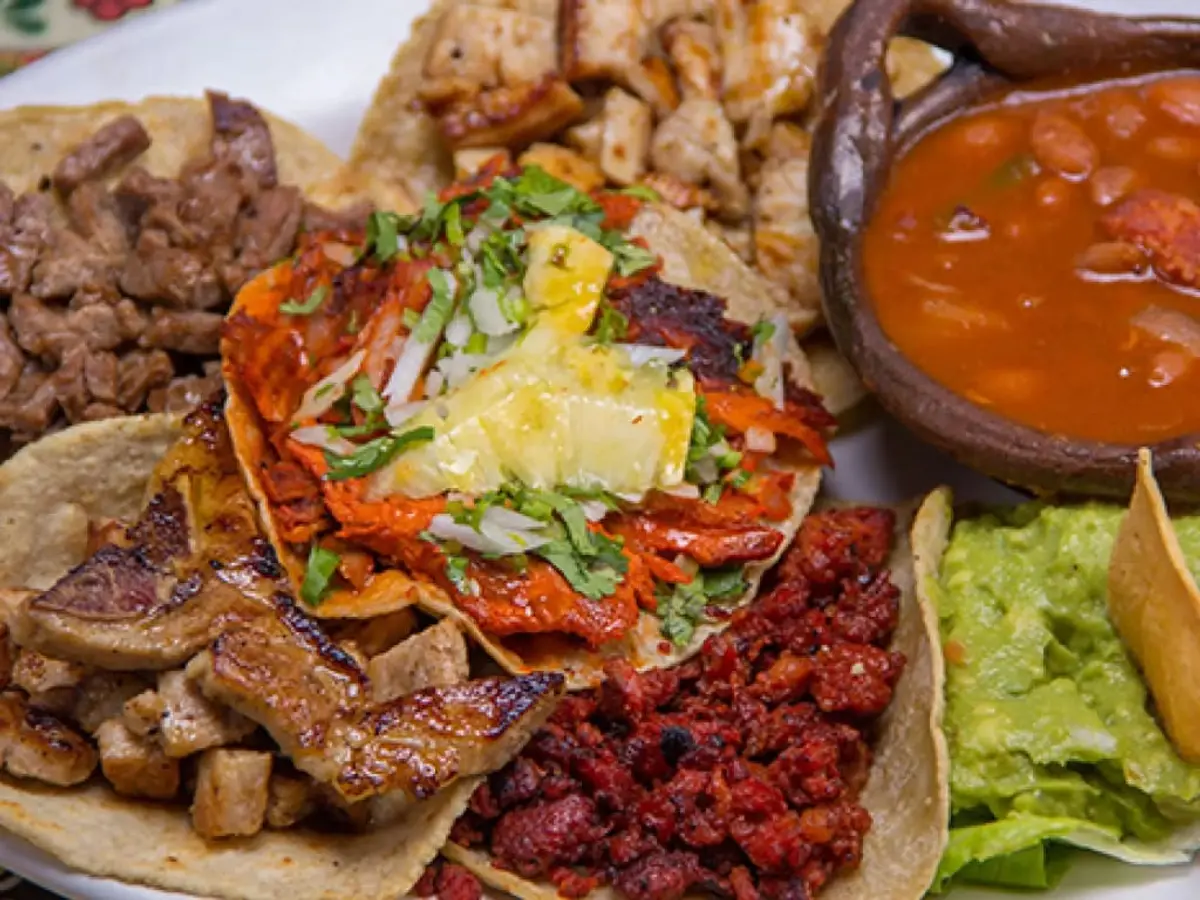
What to Eat in Playa del Carmen: 15 Essential Dishes + Where to Find Them
Playa del Carmen sits on the edge of the Yucatán Peninsula — Mexico’s most food-rich culinary zone. The city is a mix of Mayan food heritage, Pacific Mexican migration (which brought the taco culture), and coastal Caribbean influence. The result is one of the most varied food scenes on the Caribbean coast, if you know where to look.
The key rule: one or two blocks off Quinta Avenida (5th Avenue) and prices drop 50–70% for equal or better quality. The tacos al pastor spot that charges 90 MXN per taco on 5th Avenue charges 25 MXN two blocks inland for the same pork.
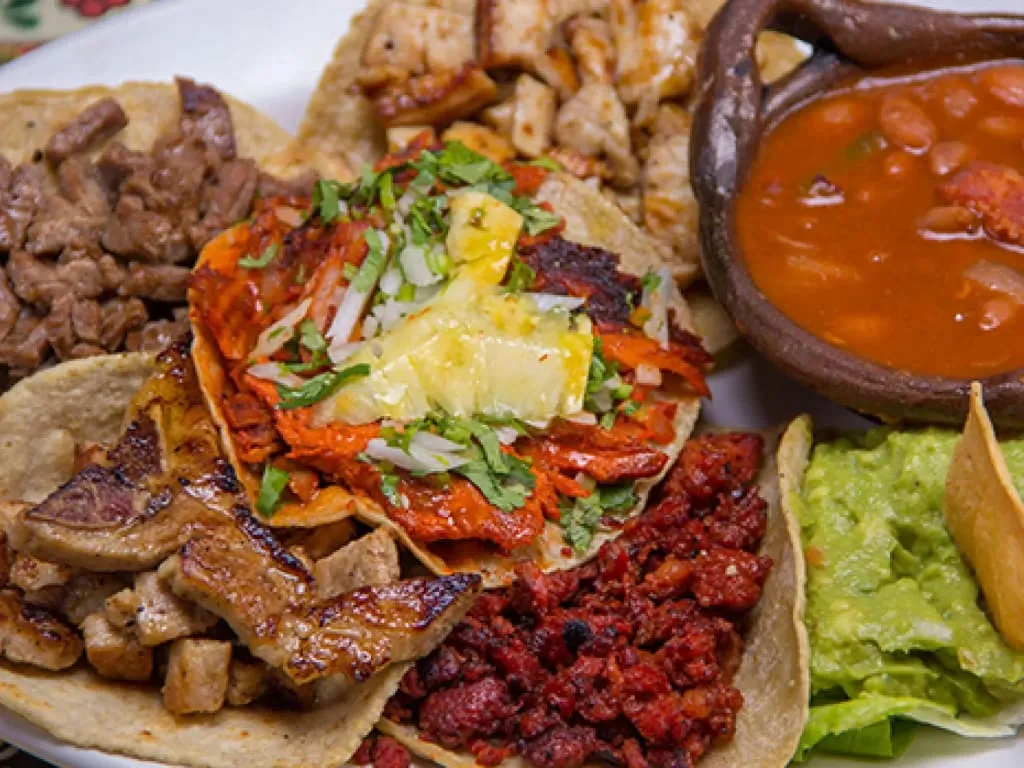
Quick Reference: 15 Dishes to Try
| Dish | Category | Where to Find It | Price (local) |
|---|---|---|---|
| Cochinita pibil | Yucatecan | Local taquerías, markets | 20–30 MXN/taco |
| Tacos al pastor | Mexican staple | Trompo stands anywhere | 20–28 MXN/taco |
| Aguachile negro | Coastal seafood | Cevicherías, seafood restaurants | 180–280 MXN |
| Ceviche de pescado | Coastal seafood | Seafood spots, Versalles | 120–200 MXN |
| Panuchos | Yucatecan | Markets, Mayan restaurants | 25–35 MXN/piece |
| Salbutes | Yucatecan | Same as panuchos | 25–35 MXN/piece |
| Poc chuc | Yucatecan | Mid-range restaurants | 160–250 MXN |
| Sopa de lima | Yucatecan | Mayan restaurants | 80–120 MXN |
| Tacos de canasta | Street food | Early morning only | 10–15 MXN/taco |
| Tacos de pescado | Coastal | Fish taco spots, north beach area | 35–60 MXN/taco |
| Birria | Migrant specialty | Birrerías (late night) | 40–60 MXN/taco |
| Quesabirria | Trending | Birrerías with consommé | 50–80 MXN/taco |
| Papadzules | Yucatecan | Traditional Mayan restaurants | 90–130 MXN |
| Marquesitas | Yucatecan street snack | Evening stalls on 5th Ave | 60–90 MXN |
| Elotes/Esquites | Mexican street food | Cart vendors everywhere | 30–60 MXN |
1. Cochinita Pibil
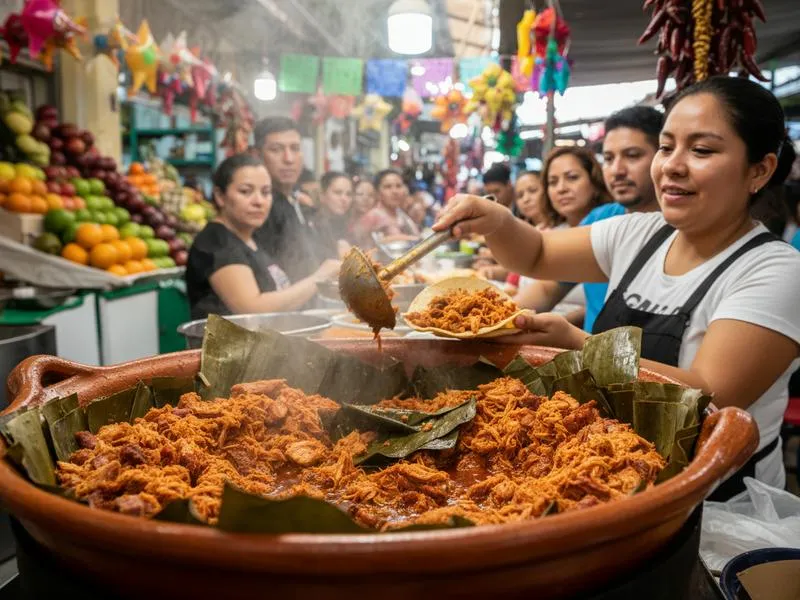
The foundational dish of the Yucatán Peninsula — and the best way to understand PDC’s food identity. Cochinita pibil is pork marinated overnight in achiote paste (ground annatto seed, cumin, cinnamon, oregano, black pepper) and naranja agria (bitter Seville orange), wrapped in banana leaves, and cooked in a pib (earth pit) or slow oven for 8–12 hours until the meat collapses.
What makes it Yucatecan: The achiote paste gives the pork its distinctive red-orange color and earthy, slightly peppery flavor. The bitter orange is not lime or sweet orange — it is a specific citrus grown in the Yucatán with a sharper, more complex acidity. Most visitors taste cochinita here for the first time and cannot identify what makes it different from pulled pork.
What comes with it: Pickled habanero onions (cebollas encurtidas or cebollas en xni pec) — thinly sliced red onions marinated in habanero and bitter orange vinegar. This condiment is the cooling counterpart to the pork and should go on every taco.
Where to eat it in PDC:
- Los Taquitos de P.V.C. — Avenida 30 Norte between Calles 2 and 4, Colosio neighborhood. The most beloved local cochinita spot. Small, crowded, cash only, 25–30 MXN per taco.
- El Fogón — Multiple locations including on Constituyentes (Calle 44). Popular with locals, reasonable prices, consistent quality.
- Mercado Municipal — Avenida 30 between Calle 2 and Calle 4. Multiple cochinita stalls, eat at the market tables.
Price reality: 25–35 MXN per taco locally. 150–280 MXN for the same taco on 5th Avenue. The 5th Avenue versions are not better — they are serving the same food in a prettier setting.
2. Tacos Al Pastor
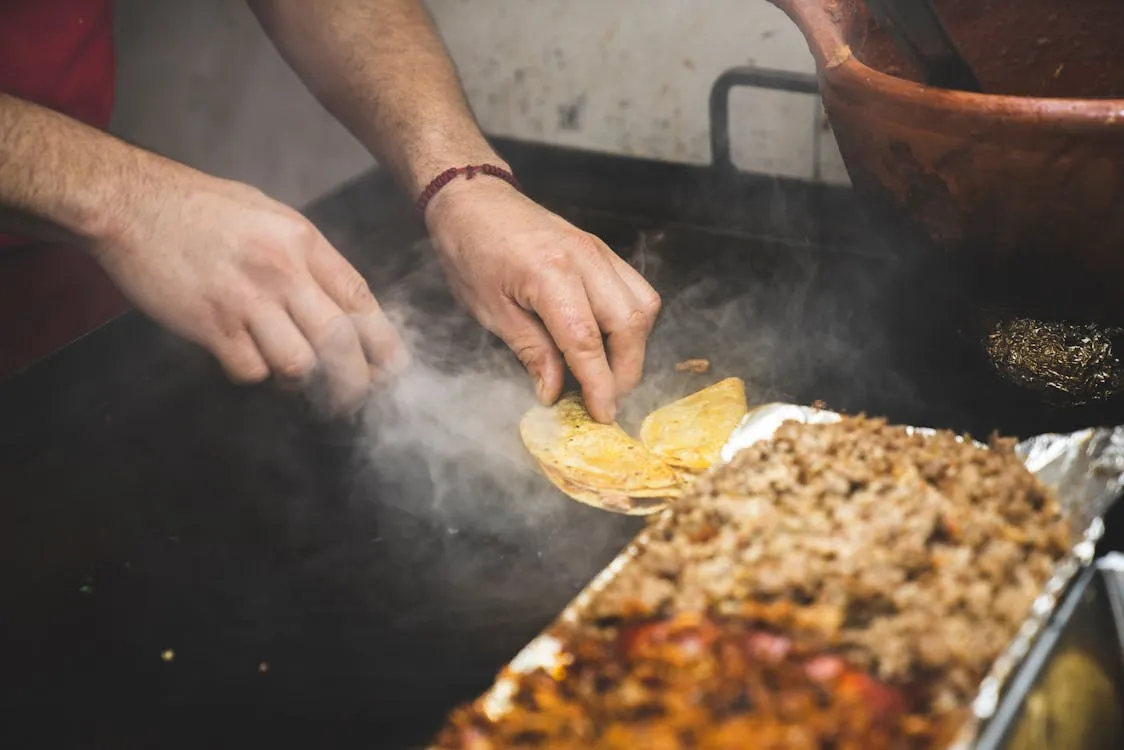
Al pastor is the most popular taco in Mexico, and PDC has excellent versions brought by migrants from central Mexico — especially Mexico City and Guerrero — who moved to the Riviera Maya during the tourism construction boom of the 1990s and 2000s.
The backstory: Al pastor evolved from Lebanese shawarma. Lebanese immigrants arrived in Puebla in the 1890s and began making tacos árabes — marinated pork on a vertical spit. As the technique spread across Mexico, it adapted: the lamb became pork, flatbread became corn tortilla, and pineapple was added on top of the trompo (the spit). PDC has hundreds of active trompos at any hour.
What to look for: A good al pastor trompo should be spinning with well-caramelized, slightly charred exterior. The tortillas should be corn, small (3–4 inches), and heated directly on a comal. Ask for pineapple (con piña) — the sweet-acidic bite against the charred pork is essential.
Best spots:
- Look for trompos on Avenida 30 and side streets east of it. The taco stands running 24 hours serve the best versions.
- El Trompo at Calle 4 and Avenida 20 — long-running spot with consistent pastor quality.
- Night market stalls at Constituyentes and Avenida 25 — several vendors compete, keeping quality up and prices fair.
Price: 20–28 MXN per taco at a local spot. Budget for 4–6 tacos as a full meal (80–168 MXN = $4–8 USD).
3. Aguachile Negro
Aguachile is raw shrimp marinated in a fresh green or black chile broth — more intensely acidic and spicy than ceviche, with no cooking time: the acidity of lime juice “cooks” the shrimp via denaturation. The negro version uses dried black chiles (chilhuacle negro, mulato, or pasilla negro) to create a darker, earthier, more complex sauce.
How it differs from ceviche: Ceviche marinates for longer, the proteins fully denature, and citrus flavors dominate. Aguachile uses fresh-squeezed lime, blended chiles, and minimal marinade time — the shrimp are still translucent in the center. It is brighter, spicier, and more immediate.
What comes with it: Thinly sliced cucumbers, sliced red onion, and crispy tostadas on the side. The tostadas catch the black broth and are arguably as good as the shrimp.
Where to eat it:
- La Perla Pixan Cuisine — local favorite for Yucatecan seafood including excellent aguachile.
- Coctelerías in the Colosio neighborhood — small seafood cocktail shops usually offering aguachile among their specialties. Look for places with handwritten signs.
- Avoid the tourist-facing aguachile spots on 5th Avenue unless you are prepared for $25–40 USD for a portion that costs 150 MXN locally.
4. Ceviche de Pescado
PDC’s position on the Caribbean coast means fresh fish arrives daily. The local ceviche uses white fish — typically tilapia, sierra (Atlantic Spanish mackerel), or bream — marinated in lime juice for 30–60 minutes until the flesh whites and firms. It is served with diced tomato, cucumber, red onion, cilantro, and a touch of habanero for heat.
The Yucatecan touch: Some ceviche spots in PDC add a splash of Clamato (tomato-clam juice) to the marinade — this is a Veracruz and Gulf influence that also shows up in seafood cocktails. It adds depth and a slight savory note. Ask “¿Con Clamato?” if you want the more complex version.
Seafood cocktail vs ceviche: Cocteles de mariscos (seafood cocktails) are the local alternative — shrimp, octopus, or crab in a cold Clamato-ketchup broth with avocado, cucumber, and onion, served in a large glass. They are filling, cold, and excellent value at 120–180 MXN.
Where to eat it:
- Colosio neighborhood coctelerías — real local seafood spots, very different from the tourist-facing operations on 5th Ave.
- Puerto Morelos (30km north) — the best pure ceviche and fresh fish in the region, at 30–40% of PDC tourist prices. Worth the 35-minute colectivo ride for serious seafood.
5. Panuchos & Salbutes
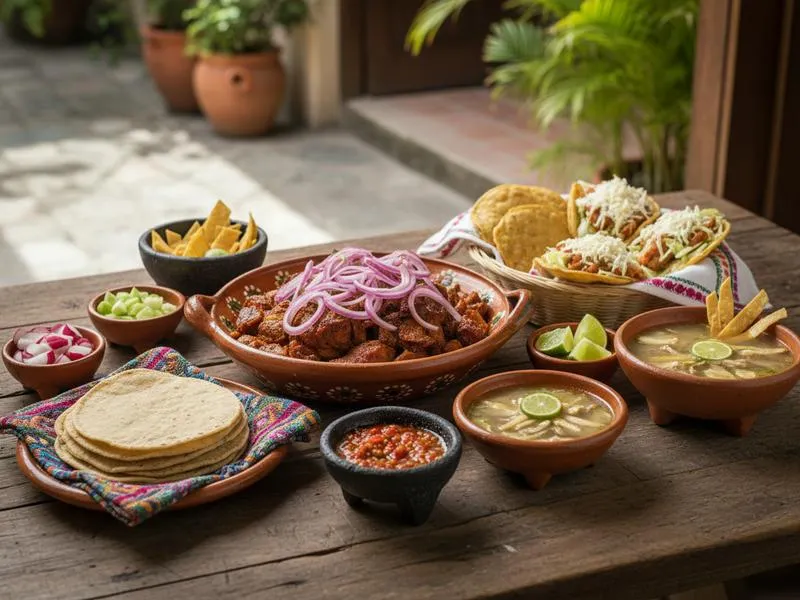
These two are inseparable — the Yucatecan answer to the tostada, and what distinguishes the cuisine of this region from the rest of Mexico.
Panucho: A small corn tortilla that is stuffed with refried black beans inside the dough before frying. This creates a pocket of beans sealed within the fried tortilla. Topped with cochinita pibil, turkey (pavo), or chicken (pollo), shredded cabbage, pickled habanero onions, and avocado.
Salbute: No beans inside — instead, the tortilla puffs during frying (the sal in salbute means it rises). The result is lighter, crispier, and airier. Same toppings as panuchos.
The distinction matters: The black beans inside panuchos are earthy and rich; salbutes are crisper and lighter. Both should be eaten immediately — they soften quickly. If you’re ordering for the table, get both so you can compare.
Where to eat them:
- Mercado Municipal (Av. 30 between Calle 2 and 4) — Multiple stalls with identical quality and competitive pricing. Sit at the market counter and order a mix.
- Any restaurante de comida yucateca on the east side of Avenida 20 or 30 (inland, away from 5th Avenue tourist zone).
Price: 25–35 MXN per piece at the market. Around 100 MXN for a plate of three at a local restaurant.
6. Poc Chuc
Poc chuc is the Mayan pork dish most PDC visitors overlook because its presentation is simple — but the flavor is the most distinctly Yucatecan of all. It is pork loin or tenderloin marinated in sour Seville orange (naranja agria), lightly salted, and grilled over a wood or charcoal fire.
What makes it unique: The naranja agria is not replaceable with regular lime or sweet orange. Seville orange is grown almost exclusively in the Yucatán in Mexico and has a fragrance and acidity that is halfway between lime and grapefruit, with a slight bitterness. When grilled, the pork develops a caramelized char around the edges while the center stays juicy.
Served with: Black beans, pickled onions (xni pec), guacamole, and handmade tortillas. The combination of fatty grilled pork + acidic pickled onions + earthy black beans is the flavor profile of traditional Yucatecan cuisine.
Where to eat it: Restaurants specializing in Yucatecan cuisine, typically found in the Colosio neighborhood or along Constituyentes between Avenida 25 and 35. Price range: 160–250 MXN for a full plate at a local sit-down place.
7. Sopa de Lima
A clear chicken-based broth made with lima — not lime (limón) but the aromatic lima citrus found only in the Yucatán Peninsula, with a flavor profile closer to bergamot orange than regular lime. Shredded chicken or turkey, thin-fried tortilla strips, and a wedge of lima float in the soup.
Why it tastes different than you’d expect: The lima gives the broth a floral, slightly sweet citrus note that makes it completely distinct from chicken soup with lime added. Many visitors describe it as “the most interesting soup I’ve had in Mexico.”
Where to get it: Traditional Yucatecan restaurants. Expect to pay 80–120 MXN for a bowl at a local spot. It is a starter, not a main — order it alongside panuchos or poc chuc.
8. Birria & Quesabirria
Birria — braised beef or goat slow-cooked with dried chiles (guajillo, ancho, pasilla), spices, and aromatics until it falls apart — has exploded in popularity across Mexico and PDC has absorbed it completely via migration from Jalisco and Guerrero.
Quesabirria is the current dominant form: the braised meat is stuffed into a corn tortilla with Oaxacan string cheese (quesillo), dipped in the consommé (the braising liquid) and fried until crispy. It comes with a cup of consommé for dipping — the greasy, crimson, deeply savory broth becomes the main flavor event.
The birria taco trap: Many PDC spots serve birria with flour tortillas or mediocre cheese. The right version uses corn tortillas and real quesillo — ask “¿Es tortilla de maíz con quesillo?” before ordering.
Where to eat it: Birria spots operate primarily at night (from about 8 PM) and on weekends starting at noon. Look for birrería signs in residential areas near Avenida 30–40, or the late-night food corridor near Constituyentes and Avenida 25.
Price: 40–60 MXN per birria taco, 50–80 MXN for quesabirria with consommé.
9. Tacos de Pescado (Fish Tacos)
PDC’s position on the Caribbean gives it access to fresh local fish, and the fish taco scene is stronger here than inland. The best versions use sierra (Atlantic Spanish mackerel) or mero (grouper) — white, firm, sweet fish — lightly battered or grilled, served in a corn tortilla with shredded cabbage, a drizzle of crema, and a squeeze of lime.
The north beach variant: In the local neighborhoods north of the ferry terminal (toward Playacar and the beach clubs), small fish taco spots target the local workers and construction community rather than tourists. These spots charge 35–50 MXN per taco and often serve fish fried to order.
Caution on tourist spots: Fish tacos on 5th Avenue are often made with frozen fish and charge 120–200 MXN per taco. There’s no reason to pay this when local spots exist within walking distance.
10. Papadzules
One of the oldest Mayan dishes still eaten daily — predating Spanish colonization. Papadzules are corn tortillas stuffed with hard-boiled eggs, rolled, and covered in a bright green pepita (pumpkin seed) sauce. The pepita sauce is made by grinding toasted pumpkin seeds with epazote (a native herb) and warm water — it has an earthy, nutty flavor unlike anything from the European culinary tradition.
The tomato salsa on top: A separate roasted tomato and habanero sauce goes over the pepita sauce, creating a color contrast (green and red) and a flavor contrast (earthy-nutty vs smoky-acidic) that the Mayans engineered long before the Spanish arrived.
Where to eat them: Traditional Yucatecan restaurants or at the Mercado Municipal. They are a breakfast or lunch dish — less common for dinner. Price: 90–130 MXN for a plate.
11. Marquesitas
The iconic PDC evening snack — and one of the most photogenic foods in the Yucatán. A marquesita is a thin, crispy crepe rolled around a filling of Edam cheese (queso de bola — Dutch Edam, which arrived via 18th-century Caribbean trade) and sweet cajeta (caramel sauce). The hot crepe melts the cheese slightly; the salty-sweet combination against the crunch is addictive.
Where it came from: Mérida invented marquesitas in the 1930s and they have spread throughout the Yucatán Peninsula. The Edam cheese is the non-negotiable ingredient — it does not melt fully and stays slightly firm, creating the chewy-salty element that makes the combination work.
Modern variations: Nutella and cheese, strawberry jam and cheese, chocolate and cheese. The original (cajeta + queso de bola) is still the best.
Where to find them: Marquesita stands appear on 5th Avenue at dusk and run until midnight. Also common at evening markets and on Constituyentes. Price: 60–90 MXN.
12. Elotes y Esquites
The humble corn snack appears everywhere in Mexico and PDC is no exception. Elotes are whole grilled corn ears on a stick, smeared with mayonnaise, rolled in cotija cheese, and dusted with chile powder and lime. Esquites are the same corn cut off the cob, served in a cup with mayonnaise, cream, cheese, and lime.
Both are available from carts throughout the city. Price: 30–60 MXN. Look for the cart with the longest line — locals know the freshest corn.
13. Tacos de Canasta
Street tacos that most tourists never encounter because they are sold from 6 AM to noon only — the working person’s breakfast taco. Canasta means “basket”: the filled tortillas sit in a cloth-lined basket, keeping warm in their own steam, which gives them a soft, almost sticky texture unlike any other taco.
Typical fillings: Black bean (frijol), chicharrón (pork crackling), potato-chorizo, adobo (chili-marinated pork). Simple, filling, and approximately 10–15 MXN each.
Where: Look for vendors with bicycles carrying large baskets covered in blue plastic in residential neighborhoods (Colosio, Barrio Lázaro Cárdenas) between 7 AM and 10 AM. Some positions are fixed and have served the same corner for years.
14. Sopa de Fideo
Not Yucatecan — but everywhere in PDC’s local lunch restaurants. Fideo seco (dry noodle soup) uses thin vermicelli pasta toasted in oil until golden, then simmered in a tomato-chipotle broth until the liquid absorbs. It is cooked “dry” (like a risotto) and served as a starter in comida corrida (fixed price lunch sets). A full comida corrida (soup + main + agua fresca + dessert) runs 80–120 MXN and is the best-value meal in any Mexican city.
15. Agua Fresca de Chaya
Chaya is a leafy green native to the Yucatán Peninsula — nutritionally similar to spinach but with a more neutral flavor. Agua de chaya (chaya water) is blended with lime and sometimes pineapple for sweetness. It appears at market stalls and traditional restaurants and is genuinely healthy — high in iron, calcium, and protein. Price: 15–25 MXN at a market.
Where to Eat: Neighborhood Guide
| Zone | Vibe | Price Level | Best For |
|---|---|---|---|
| 5th Avenue (Quinta) | Tourist, international | 3–5x local prices | Cocktails, atmosphere, international cuisine |
| Avenida 30 / Colosio | Local residential | Local prices | Tacos al pastor, cochinita, canasta tacos |
| Mercado Municipal | Market | Local prices | Panuchos, salbutes, seafood, breakfast |
| Versalles | Residential, west | Below local average | Most authentic, minimal tourist presence |
| Constituyentes corridor | Mixed | Local-to-mid | Birria at night, comida corrida at lunch |
| North beach area | Semi-local | Local | Fish tacos, ceviche, seafood |
The rule of distance: Every block you walk west from 5th Avenue, prices drop and authenticity increases. Avenida 10 is still tourist-priced. Avenida 20 starts to approach local pricing. Avenida 30 and beyond is where residents actually eat.
Budget Guide: What to Budget for Food
| Budget Level | Daily Food Budget | What You Get |
|---|---|---|
| Backpacker | 200–350 MXN ($10–17 USD) | Tacos de canasta for breakfast, comida corrida lunch, market dinner |
| Mid-range | 400–700 MXN ($20–35 USD) | Local sit-down restaurants, occasional ceviche, evening marquesitas |
| Comfortable | 700–1,200 MXN ($35–60 USD) | Mix of local and mid-range restaurants, seafood, evening cocktail |
| 5th Avenue tourist | 1,500–3,500 MXN ($75–175 USD) | Tourist-facing restaurants on Quinta Avenida |
What to Drink
Agua fresca: Available everywhere, made fresh with hibiscus (jamaica), tamarind (tamarindo), horchata (rice milk with cinnamon), or seasonal fruits. 15–25 MXN at a market or local restaurant.
Mezcal: PDC has absorbed Mexico’s mezcal culture — local mezcal bars stock Oaxacan and Guerrero producers. Avoid the cheap commercial stuff on 5th Avenue; better bars are on side streets.
Craft beer: The Riviera Maya has developed a small craft beer scene. Cervecería Mayan Craft and a few smaller taprooms have opened in the Colosio neighborhood.
Coconut water: Sold from carts with fresh coconuts everywhere. 30–50 MXN for a coconut with a straw. Best consumed right after the vendor chops it open.
No tap water: Drink only bottled or filtered water. All restaurants serving tourists use purified water for ice and cooking — local spots may not. When in doubt, stick to beverages that arrive sealed or hot.
Food Calendar: When to Try What
| Month/Season | Special Food |
|---|---|
| Jan–Feb | Peak seafood season, fresh grouper and lobster from Gulf |
| Mar–Apr | Semana Santa — extra busy, markets crowded but operating |
| May–Jul | Whale shark season off PDC — not a food, but the seafood is excellent while boats are out |
| Late Jul–Sep | Some upscale restaurants may offer chiles en nogada; Puebla is the classic destination, so confirm availability before going |
| Dec | Posadas create street food abundance; ponche (fruit punch), buñuelos (fried pastry) |
| Year-round | Cochinita pibil, tacos al pastor, marquesitas |
If chiles en nogada are the reason for your trip, use the current season guide and plan around Puebla rather than assuming a Playa del Carmen restaurant will serve them.
Explore More
- Playa del Carmen Travel Guide 2026
- Things to Do in Playa del Carmen
- Best Restaurants in Playa del Carmen
- What to Eat in Cancún
- What to Eat in Tulum
- What to Eat in Mérida
- What to Eat in the Yucatán
- Playa del Carmen vs Tulum: Which Should You Choose?