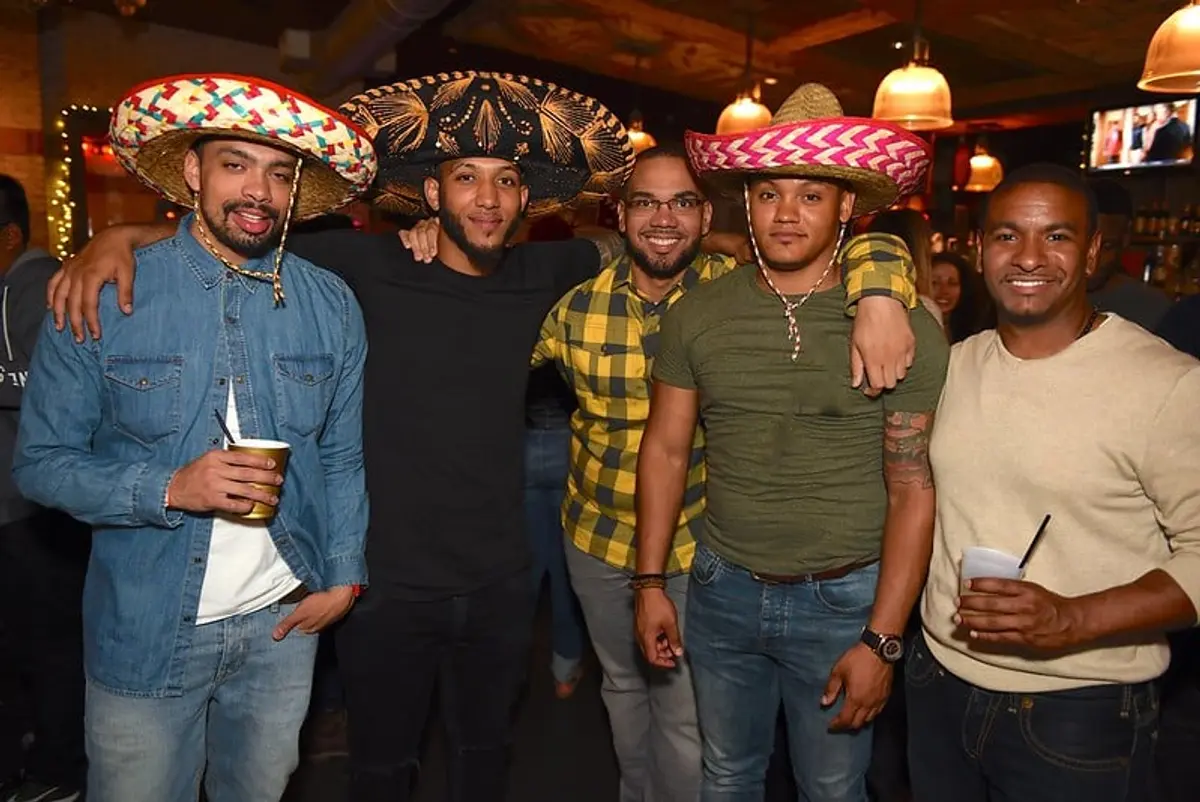
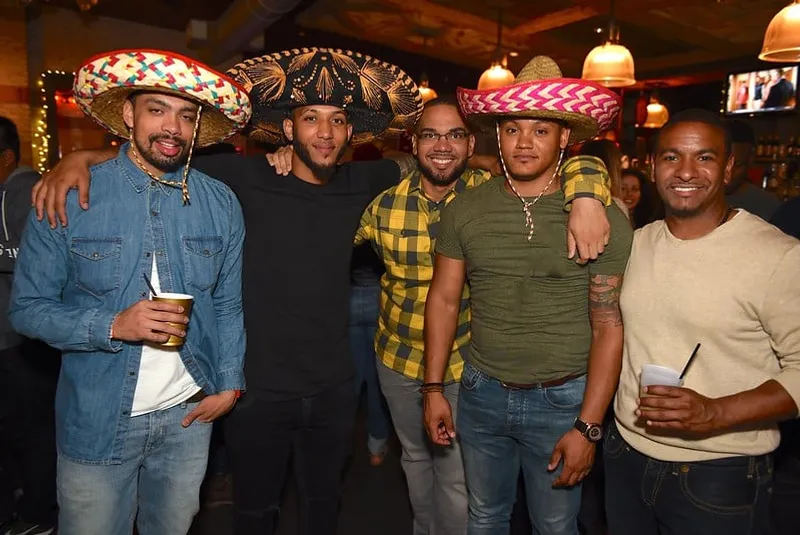
Why Americans Celebrate Cinco de Mayo More Than Mexico Does
Cinco de Mayo celebrates the Battle of Puebla on May 5, 1862, when Mexican forces defeated a French army in the state of Puebla — a victory primarily commemorated in Puebla itself, while the rest of Mexico treats May 5 as a normal working day. In the United States, Cinco de Mayo has evolved into a major commercial holiday celebrating Mexican-American culture.
I’m Mexican. Growing up, Cinco de Mayo was a school day. Nobody threw parties. Nobody drank margaritas. My teacher explained the Battle of Puebla for fifteen minutes, and then we moved on to math.
Meanwhile, friends in Texas were sending me photos of Cinco de Mayo parades.
The gap between how Mexico and the United States experience this holiday is fascinating — and reveals something important about how history gets transformed when it crosses a border.
History of Cinco de Mayo
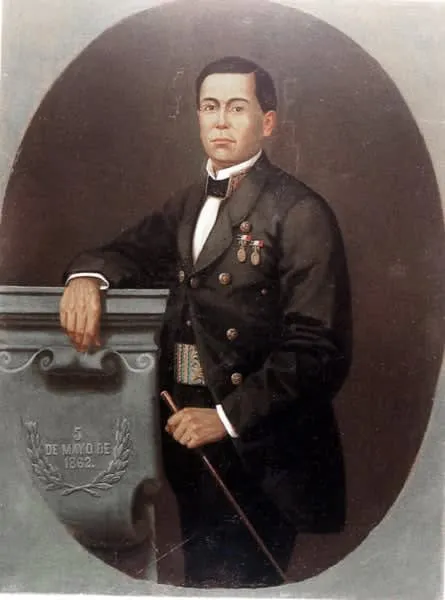
Under General Ignacio Zaragoza’s command, the Mexican army fought the French forces on May 5, 1862 — a date that would become one of the most unexpectedly significant in Mexican history.
The first French engagement in Mexico (in 1861) had occurred at the fortress of San Juan de Ulúa in Veracruz. That conflict, known as the “Pastry War,” established the pattern: European powers using debts as pretexts for military intervention.
What Caused the French Intervention?
Mexico had accumulated a debt of 80 million pesos to England, Spain, and France during the Reform War (1857-1860). In 1861, President Benito Juárez suspended debt payments.
England and Spain negotiated settlements and withdrew. France refused.
Napoleon III had larger ambitions: create a French-backed empire in the Americas, install Archduke Maximilian of Austria as Emperor of Mexico, and use this empire as a base to potentially support the Confederate States during the ongoing American Civil War.
General Charles Ferdinand de Lorencez marched approximately 6,000-8,000 French troops inland from Veracruz toward Mexico City. They were some of the best-trained soldiers in the world. They had not lost a major battle in 50 years.
On May 5, 1862, they reached Puebla.
The Battle of Puebla
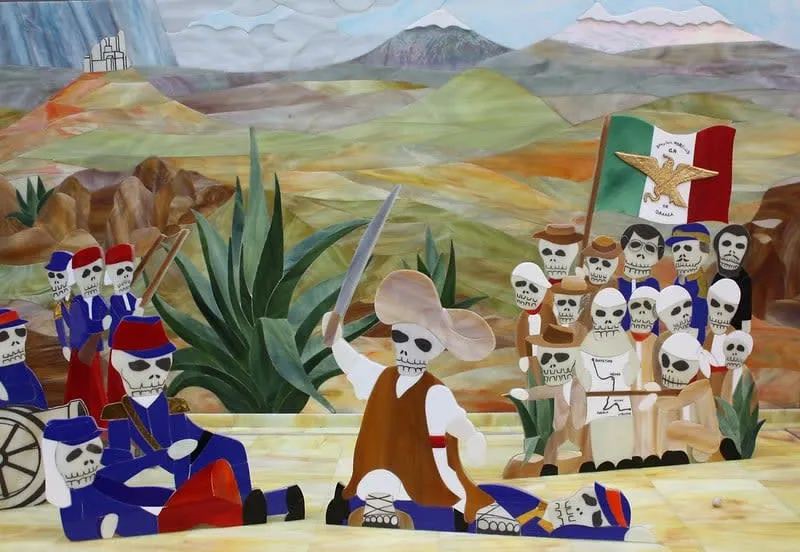
Defending Puebla were approximately 4,000 Mexican soldiers under General Ignacio Zaragoza Seguín — a 33-year-old commander who had been born in what is now Goliad, Texas.
His army included:
- Regular infantry and cavalry
- Indigenous Zapotec and Zacapoaxtla fighters armed with machetes and outdated muskets
- Local militia volunteers
- Two key commanders: General Porfirio Díaz (right flank) and General Miguel Negrete (Fort Loreto)
The French attacked twice. Both times, the Mexican defenders held their positions on the hills of Loreto and Guadalupe above the city.
By nightfall, the French had retreated, having suffered over 1,000 casualties. The Mexican army lost approximately 83 soldiers.
Zaragoza sent a telegram to President Juárez: “Las armas nacionales se han cubierto de gloria.” (“The national army has covered itself in glory.”)
He died of typhoid fever four months later, never knowing that France would eventually occupy Mexico anyway — but that this one battle had become a permanent symbol.
What Cinco de Mayo Actually Represents
The Battle of Puebla has two distinct legacies — one Mexican, one American.
In Mexico: Cinco de Mayo commemorates resilience against foreign intervention. An outgunned, underfunded army defeated one of the world’s great military powers through tactics, courage, and local knowledge. This resonated deeply in a country that had spent decades fending off external attempts at domination.
For Mexican-Americans: The battle had direct strategic consequences for the United States. The French advance was delayed by nearly a year — that year may have been crucial to the Union’s success in the Civil War. Napoleon III had been contemplating recognition of the Confederacy and potentially military support. If France had quickly established a Confederate-allied empire in Mexico, the Battle of Gettysburg might have unfolded differently.
This connection — a Mexican general born in Texas potentially helping save American democracy — gave Cinco de Mayo special meaning for Chicano communities in California and Texas as early as the 1860s.
The civil rights movements of the 1960s adopted Cinco de Mayo as a symbol of resistance and cultural pride. Then the beer industry discovered it.
The Three Key Leaders
The following commanders were decisive on May 5, 1862:
-
Ignacio Zaragoza Seguín — Overall commander of the Army of the East, born in Presidio La Bahía (now Goliad, Texas). His mixed Mexican-American heritage and his leadership of the victory made him a natural symbol for Chicano communities. He died of typhoid fever on September 8, 1862, at age 33.
-
Porfirio Díaz — Commanded the right flank and led a cavalry counterattack at a critical moment. Later became Mexico’s longest-serving president (1876-1911) and the dictator whose overthrow started the Mexican Revolution.
-
Miguel Negrete — Military commander from Puebla who fiercely defended Fort Loreto, the key high-ground position. His defense prevented the French from flanking the main Mexican line.
Why the U.S. Celebrates More Than Mexico
The gap between how Mexico and the US experience Cinco de Mayo is striking — and reveals how holidays get transformed when they cross cultures.
In Mexico (outside Puebla): Schools are open, banks are open, nobody is wearing a sombrero, and there are no margarita specials. It’s May 5th. People work.
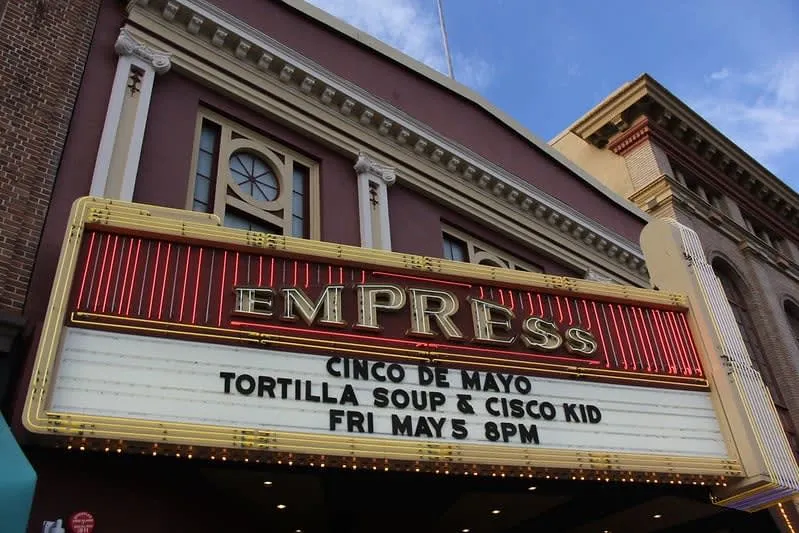
In the United States: It’s estimated that Americans spend over $600 million on Cinco de Mayo celebrations — more than Mexico spends on the holiday combined.
The explanation:
1. The Chicano civil rights movement (1960s) adopted Cinco de Mayo as a cultural touchstone — a Mexican military victory with direct American historical connections. Universities and community organizations began holding formal celebrations.
2. The beer industry (1980s) recognized Cinco de Mayo as an opportunity and began pouring marketing budgets into making it a nationwide drinking holiday. Corona, Dos Equis, and others ran massive Cinco de Mayo campaigns.
3. Restaurant marketing followed. Mexican and Tex-Mex restaurant chains made Cinco de Mayo a promotional occasion, reinforcing the commercial holiday.
4. Misidentification as Independence Day spread widely. Many Americans believe Cinco de Mayo is Mexican Independence Day (it is not — that’s September 16). This misidentification arguably made Americans more willing to celebrate it enthusiastically.
What Actually Happens in Puebla
The state of Puebla is the exception. Here, May 5 is a genuine public holiday:
- Military parade through the historic center in the morning
- Battle reenactment at the Forts of Loreto and Guadalupe (the actual battle sites, now museums on the hill above the city)
- Civic ceremonies and cultural events throughout the week
The reenactment involves hundreds of actors in period-accurate 1862 military uniforms, including French Zouave uniforms. Cannon fire echoes across the hillside. It draws large domestic Mexican crowds who come specifically to see it.
If you’re traveling through Mexico in early May, visiting Puebla for Cinco de Mayo is worthwhile. The reenactment is rarely covered in English-language media — most foreign tourists don’t know it exists.
For a complete guide to experiencing Cinco de Mayo in Puebla — including the reenactment schedule, logistics, where to stay, and what to eat — see our Cinco de Mayo in Mexico guide.
Mexico’s Real Independence Day
For the record: Mexico’s Independence Day is September 16, not May 5.
On September 15, 1810, Father Miguel Hidalgo rang his church bell in Dolores Hidalgo, Guanajuato, and gave the Grito de Independencia — the cry that launched the Mexican War of Independence against Spain.
Every September 15, the President of Mexico appears on the balcony of the National Palace, rings a replica of Hidalgo’s bell, and shouts “¡Viva México!” to a crowd of 100,000 people in the Zócalo. Every city and town across Mexico does the same. September 16 brings military parades and national celebration.
That’s the holiday.
Cinco de Mayo is a regional Puebla commemoration of a significant but ultimately minor battle. September 16 is Mexico’s founding narrative.
Want to experience Cinco de Mayo in Mexico? Read our Cinco de Mayo in Mexico guide for the full story of what happens in Puebla on May 5 and how to visit. Planning a trip to the region? See the Puebla Travel Guide and Things to Do in Puebla.