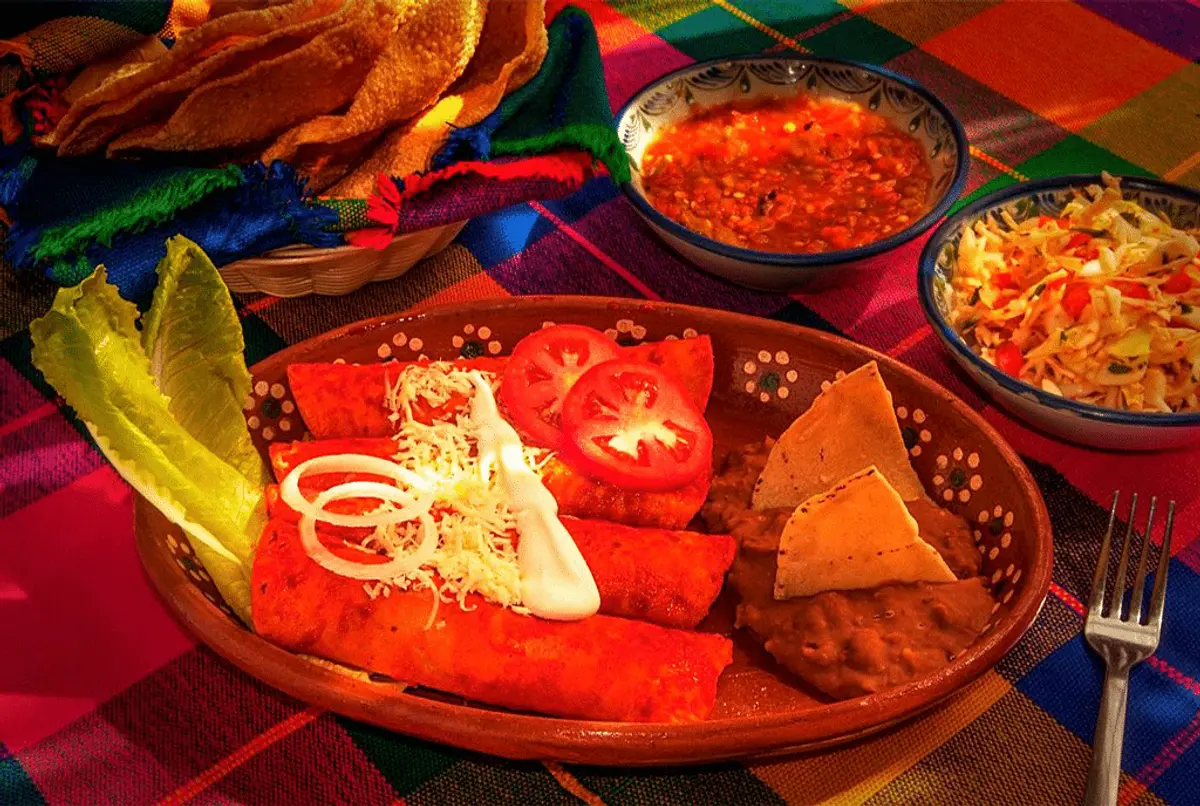
Zacatecas Food: 14 Traditional Dishes You Need to Try (2026)
Zacatecas is one of Mexico’s great UNESCO World Heritage cities, but most travel content focuses on its cathedral, mines, and colonial architecture. The food gets far less attention than it deserves.
That’s a mistake. Zacatecas cuisine is distinct, historically layered, and surprisingly rich — the product of silver miners who needed high-calorie food, Spanish and French colonial influences, and a dry highland climate that shaped what could grow and what had to be preserved.
This guide covers the 14 dishes that actually define Zacatecas food, where to eat them in the city, and what to take home.
Why Zacatecas Food Tastes Different
The state’s culinary identity comes directly from its mining history. From 1546 until the late 19th century, Zacatecas was the world’s largest silver producer — the Vetagrande and La Bufa mines funded the Spanish Empire. The workers who ran those mines (barreteros underground, tenateros hauling ore) needed high-calorie, portable, protein-dense food.
This produced a cuisine built around pork, beef, and goat — preserved as dried jerky or cooked into rich stews — and corn in every form imaginable. Not much grows easily in the semi-arid highlands, so trade was essential from early on. Salt, dried chiles, spices, and livestock all flowed through Zacatecas as it became a regional trading center.
The French Intervention (1864–1867) added another layer. French forces occupied Zacatecas for two years and introduced butter, cream, almonds, prunes, and refined sugar techniques. This explains why Zacatecas today has one of Mexico’s most sophisticated candy and sweet traditions — the dulces regionales reflect French confectionery methods applied to local ingredients like prickly pear and cactus fruit.
For a broader look at traveling in the region, see our Zacatecas travel guide and Mexico’s colonial cities route.
Quick Answer: The 5 Dishes You Must Try
If you’re short on time, these five define Zacatecas food:
- Asado de boda — the flagship pork stew in red chile sauce
- Tortas Malpaso — chorizo sandwiches from an institution open since 1939
- Tacos de papel — thin, crispy picadillo tacos from street stalls
- Queso de tuna — candied prickly pear “cheese” (it’s a sweet, not actual cheese)
- Caldillo de carne seca — dried beef stew with roasted chiles
Zacatecas Food: The 14 Traditional Dishes
1. Asado de Boda (Wedding Roast)
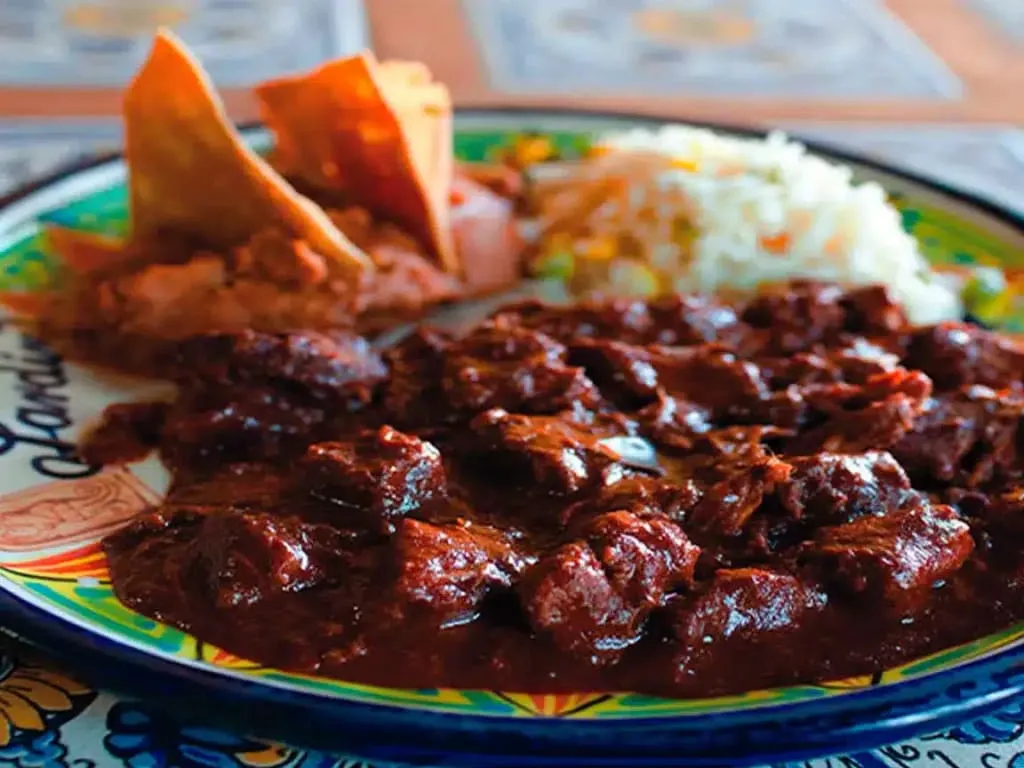
The dish that defines Zacatecas. Asado de boda is a slow-cooked pork stew made with a rich sauce of chile ancho and chile guajillo, roasted tomatoes, cumin, and cinnamon — influenced by the same spice combinations the French brought through during their occupation.
The name translates to “wedding roast” because it originated as a ceremonial gift: the groom’s family would prepare it for the bride’s family as confirmation of the marriage commitment. The dish became widespread during the Mexican Revolution when large gatherings required substantial, communal food.
What separates a good asado de boda from a mediocre one is the chile ratio and the pork cut — shoulder or neck (espinazo), slow-cooked until the fat renders into the sauce. Served over white rice, always with fresh flour tortillas.
Where to eat it: Restaurant El Recoveco (Calle Tacuba), or any of the cocinas económicas inside Mercado Genaro Codina.
2. Caldillo de Carne Seca (Dried Beef Stew)
One of the most underrated Zacatecas dishes — and the one visitors rarely know to order. Caldillo de carne seca starts with shredded dried beef (similar to the cecina of other regions, but sun-dried harder), which is then rehydrated and simmered with roasted green chiles, tomato, onion, and garlic into a thin, intensely savory broth.
The drying technique goes back to the mining era: jerked beef kept for weeks without refrigeration, fed miners during underground shifts. Today it’s served at breakfast and lunch with corn tortillas for dipping.
Where to eat it: Traditional at desayuneras (breakfast spots) around Plaza de Armas on weekend mornings.
3. Enchiladas Zacatecanas
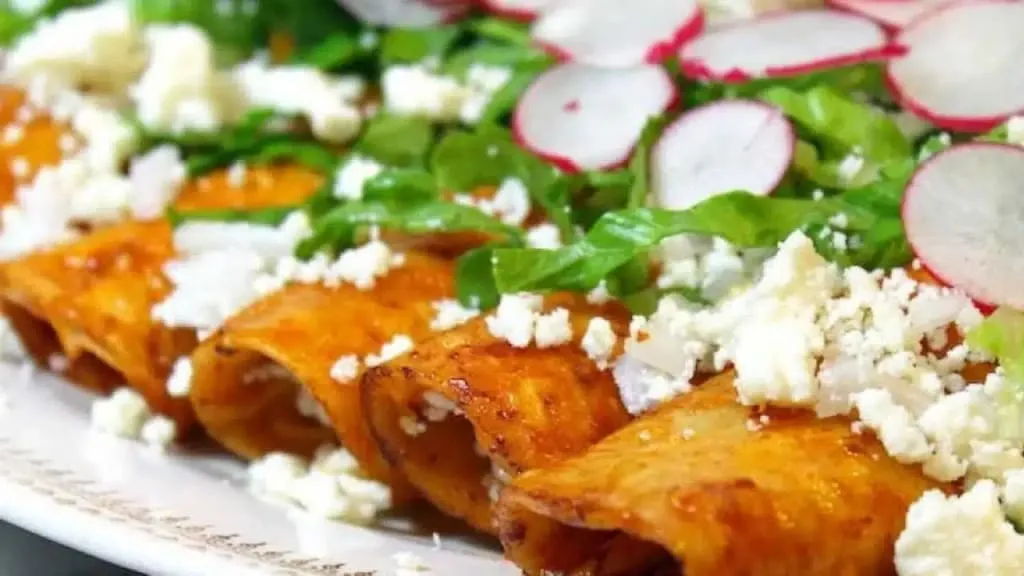
Distinct from all other Mexican enchiladas. The Zacatecas version uses corn tortillas dipped in a red sauce made with chile ancho and chile guajillo (the same base as asado de boda — these two chiles dominate the state’s cuisine), filled with shredded pork loin that’s been fried in lard.
The critical detail: raw onion and radish slices on top, not cooked. This textural contrast — crispy radish, sharp raw onion, soft enchilada — is specific to Zacatecas. Topped with crumbled queso fresco and Mexican cream.
4. Tostadas Jerezanas
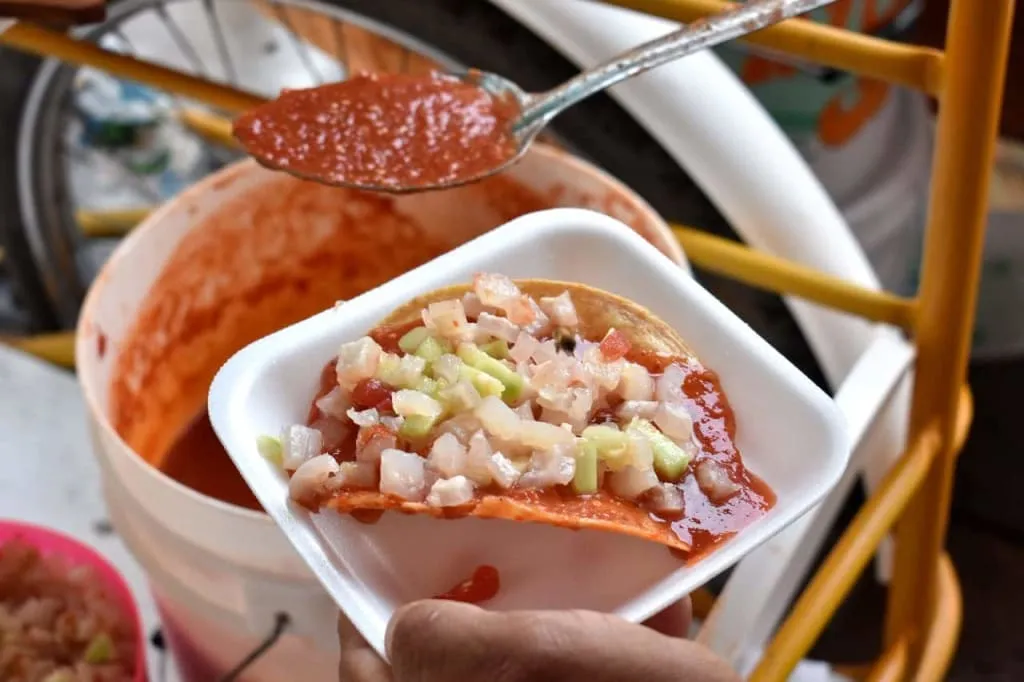
From the town of Jerez de García Salinas (two hours southwest of Zacatecas city), these tostadas are a regional institution. A crispy fried corn tortilla topped with pork — carnitas, buche (stomach), or cueritos (pickled pork skins) — covered in a chile-tomato salsa called salsa Jerezana.
What makes them Jerezanas is the salsa: dried chile negro gives it a darker, smokier base than typical Mexican salsas. Available from street carts throughout Zacatecas city, but best at Jerez’s Sunday market if you’re making the day trip. You can book Mexico tours on Viator.
5. Pacholas (or Pacholes)
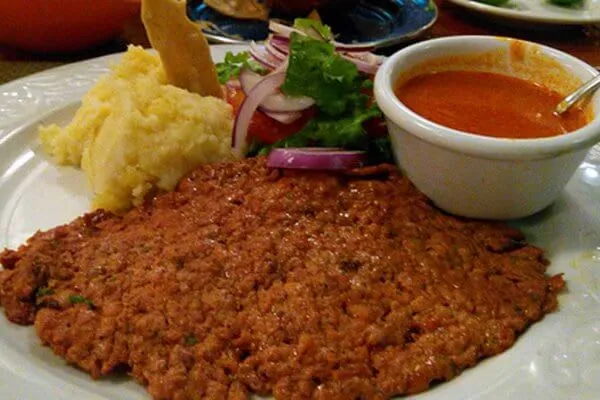
Pacholas are hand-formed patties of ground beef or pork worked on a metate (grinding stone) with cinnamon, cloves, oregano, and dried chile. The metate grinding creates a texture you can’t replicate with a food processor — the meat fibers align differently, producing a steak that’s both dense and tender.
Zacatecas shares this dish with Jalisco (where it’s also common), but the spice ratios differ — Zacatecas pacholas lean harder on the clove and cinnamon, a legacy of colonial-era spice trade. Cooked on a comal until crispy at the edges, served with beans and flour tortillas.
6. Brujitas de Sombrerete
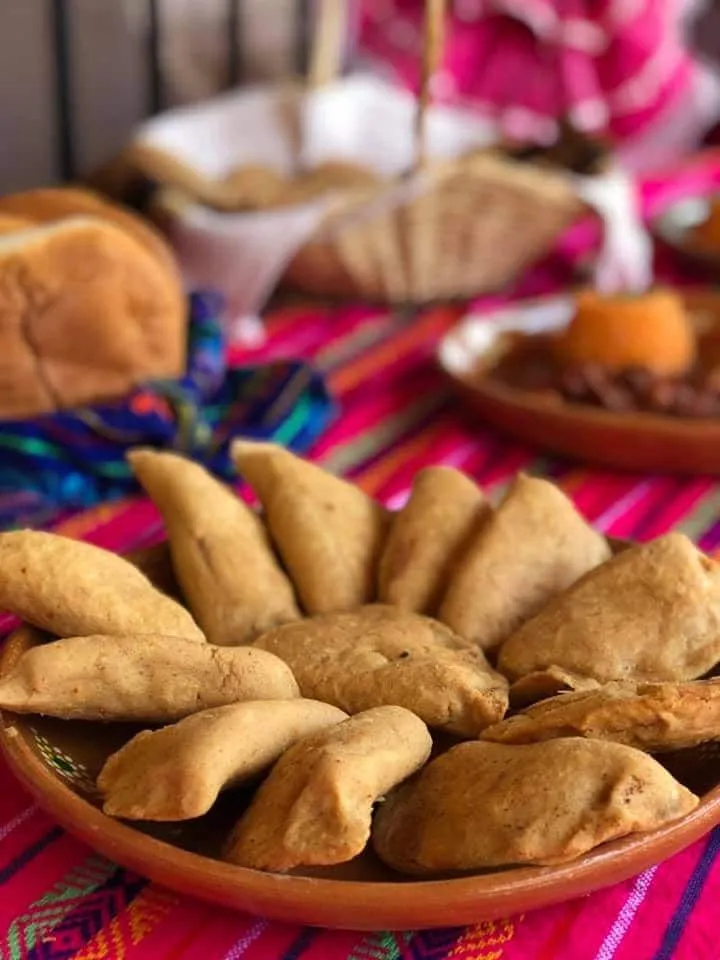
From the town of Sombrerete in northwest Zacatecas. Brujitas (literally “little witches”) are fried corn empanadas stuffed with shredded meat, potato with cheese, or refried beans. The fried shell is thicker than a regular tostada — more like a gordita — with a slight crunch that gives way to a soft interior.
The “little witch” name likely comes from their crescent-moon shape when sealed, or from the Sombrerete folk tradition around brujería (witchcraft) beliefs in rural northern Mexico. Served with both red and green salsa.
7. Tacos de Papel (Paper Tacos)
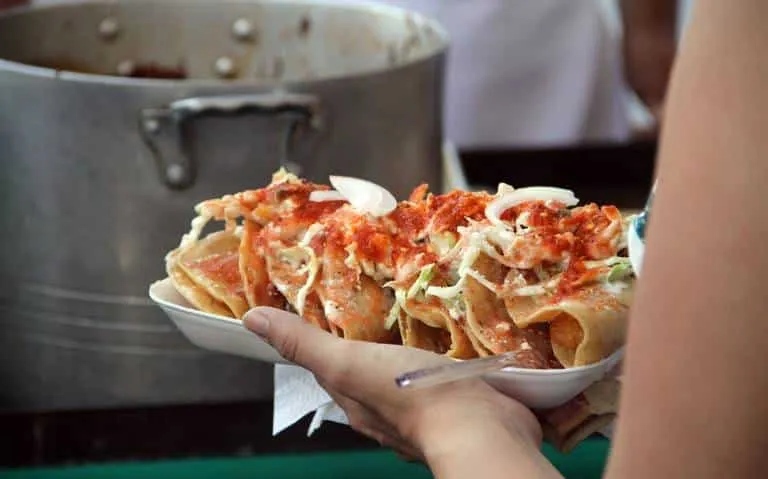
The signature street food of Zacatecas city. Paper tacos are small, thin corn tortillas fried until crispy (like a chip) and filled with picadillo — a loose ground beef hash with potatoes and vegetables. They’re “paper-thin” in the tortilla and in the filling — each taco is light enough to eat six or eight without effort.
Topped with cream, crumbled cheese, and red or green salsa. Found at evening street carts throughout the historic center, particularly along Avenida Hidalgo and near the Mercado González Ortega. A 50-peso order (3–4 tacos) is a standard snack.
8. Tortas Malpaso
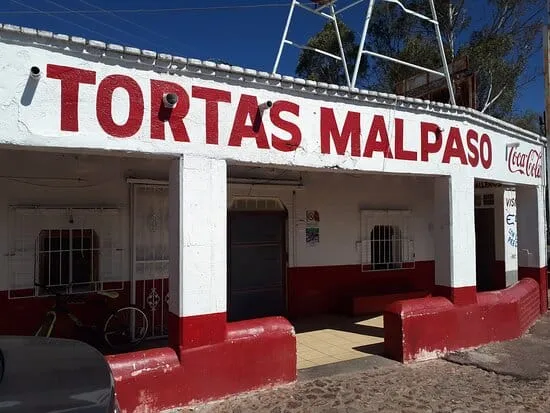
The most famous food institution in Zacatecas. Tortas Malpaso has been serving the same recipe since 1939: crusty birote bread (similar to Guadalajara’s bread, brought by Jalisco migrants), filled with house-made chorizo and pickled serrano chiles.
The chorizo is made in-house from Zacatecas-style pork sausage — drier and more heavily spiced than Toluca or Oaxacan chorizos, closer to a Spanish-style dry sausage. The pickled serranos cut through the fat perfectly.
Located on Calle Juan de Tolosa in downtown Zacatecas city. Line forms by 9 AM on weekends; they sell out by noon. The shop itself is worth seeing — decades of memorabilia and photos of the city line the walls.
9. Caldo de Rata (Field Rat Soup)
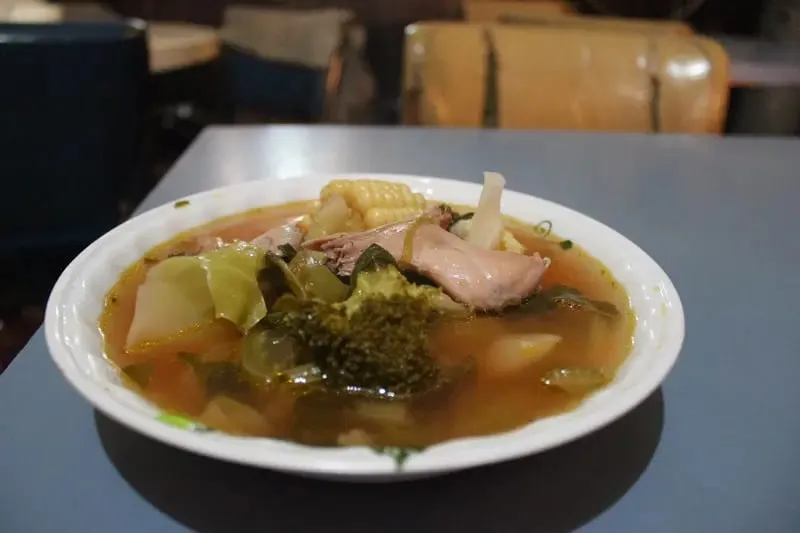
The dish that shocks visitors and defines regional authenticity. Caldo de rata is a broth made from wild field rats (rata de campo, not urban rodents), boiled with vegetables and herbs. The flavor is genuinely similar to chicken — lean, mild white meat — with a broth that tastes distinctly of the herbs and dried chiles used.
Also prepared in San Luis Potosí and Durango, this dish is a product of necessity in rural northern Mexico, where field rats were abundant and protein was scarce. High in minerals, particularly iron and zinc. Not commonly served in city restaurants — you’re more likely to find it at rural fondas during harvest season, or at specialty food festivals.
10. Gorditas de Chile
Not to be confused with generic gorditas — the Zacatecas version uses masa that’s been mixed with dried chile powder, giving the dough itself a reddish color and smoky flavor before it’s even filled. The filling options are the same as elsewhere (refried beans, chicharrón prensado, shredded beef), but the chile-infused masa makes them distinctly regional.
Available at every market in the state, from street carts in the morning and at lunchtime. The best gorditas are cooked on a clay comal over wood, though gas comal versions are far more common today.
11. Birria Zacatecana
Before birria became an international trend, Zacatecas had its own version — and it differs from the Jalisco-style that went viral. Zacatecas birria uses goat (borrego or chivo) slow-cooked in dried red chiles (ancho, guajillo, and occasionally chile negro), with a spice profile that includes more cumin and pepper than the sweeter Jalisco version.
Served in bowls of consommé with chopped white onion, fresh lime, and corn tortillas — not on tacos. The goat is pulled from the bone directly into the broth. Traditionally a Sunday dish or celebration food. See our birria vs barbacoa guide for the broader context.
12. Menudo Zacatecano
Zacatecas menudo uses a red-chile base (not the white version common in Sinaloa) with dried guajillo giving it a deep brick-red color. Tripe and hominy in a rich broth, topped with dried oregano, fresh lime, and dried chile piquin. Traditional hangover cure — served from 7 AM at weekend menuderas across the city. The Zacatecas version tends to be spicier than central Mexican menudo.
Zacatecas Sweets and Desserts
Zacatecas has one of Mexico’s strongest candy traditions — and it’s directly tied to the French Intervention, which introduced refined sugar techniques, almond paste, and European confectionery methods to local ingredients.
13. Queso de Tuna (Prickly Pear “Cheese”)
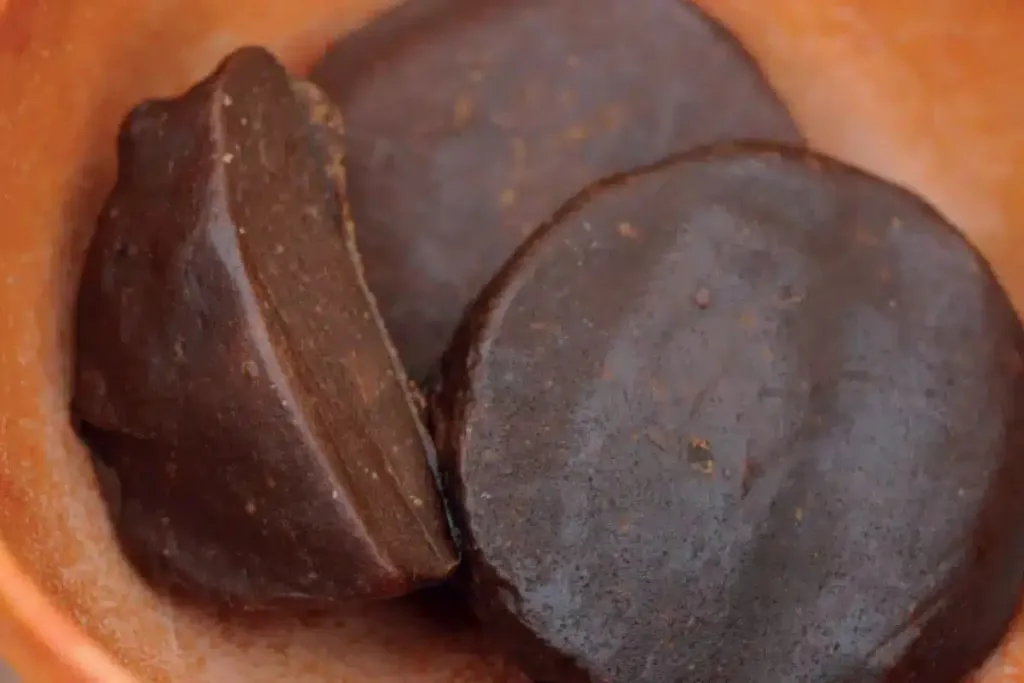
Despite the name, no dairy is involved. Queso de tuna is made by reducing the juice of the Cardona prickly pear cactus fruit in copper pots until it sets into a firm, sweet block that can be sliced like cheese. The Cardona variety (grown specifically in Zacatecas and Aguascalientes) gives it a deep magenta-to-purple color.
The “cheese” comparison comes from two things: the small rounded wheel shape it’s molded into, and the production process — reducing, straining, and pressing — which mirrors basic cheese-making steps. The flavor is intensely sweet with a slight tartness, similar to thick quince paste. For more on prickly pear drinks from the same ingredient, see our colonche guide.
14. Dulces Regionales (Regional Candies)
The collective term for Zacatecas’ candy tradition, sold in specialty shops on Calle Dr. Hierro and at Mercado Genaro Codina:
| Candy | Base | Flavor Notes |
|---|---|---|
| Charamuscas | Caramelized sugar | Animal-shaped figures, crunchy, slightly bitter |
| Borrachitos | Sugar + mezcal | Soft pillow candies soaked in local mezcal |
| Macarrones | Peanut + coconut | Fudge-textured bars, distinct from French macarons |
| Pepitorias | Pumpkin seed + piloncillo | Brittle-style bars, sesame or pumpkin seeds |
| Cajetas de membrillo | Quince paste | Similar to queso de tuna but quince-based, firmer |
Charamuscas and borrachitos are the two most commonly purchased souvenirs — both keep for several weeks. The mezcal-soaked borrachitos won’t make you drunk (too little alcohol per piece) but the flavor is notable.
Zacatecas Drinks
Mezcal Zacatecano
Zacatecas produces mezcal distinct from the Oaxacan style. The primary agave species are Agave durangensis (also called cenizo) and Agave salmiana — both giving a more mineral, earthy profile compared to the smokier Oaxacan Espadín. Production is smaller-scale and less internationally distributed. See our mezcal tasting guide and tequila vs mezcal breakdown for context.
Colonche
A traditional fermented drink made from the tuna (fruit of the prickly pear cactus) — purple-red in color, lightly effervescent, mildly alcoholic. Consumed fresh within 24 hours because it continues fermenting. Only available September–October when prickly pear is in season. Full details in our colonche guide.
Agua de Cebada (Barley Water)
The everyday non-alcoholic drink of Zacatecas — toasted barley simmered with cinnamon and sweetened with sugar. Different from other Mexican aguas frescas; heavier and slightly thicker. Standard at cocinas económicas and market stalls. Unusual outside the state.
Where to Eat in Zacatecas City
| Restaurant / Market | Specialty | Location | Price Range |
|---|---|---|---|
| Tortas Malpaso | Chorizo tortas (since 1939) | Calle Juan de Tolosa | $ (50–80 MXN/torta) |
| Mercado Genaro Codina | Asado de boda, caldillo, gorditas | Calle Aldama (main market) | $ (80–150 MXN/meal) |
| El Recoveco | Asado de boda, enchiladas Zacatecanas | Calle Tacuba | $$ (200–350 MXN) |
| La Cantina los Dorados | Regional dishes + local mezcal | Near Teatro Calderón | $$ (200–400 MXN) |
| Las Quince Letras | Traditional Zacatecas cuisine, full menu | Historic center | $$$ (350–600 MXN) |
| Tacos de papel carts | Paper tacos, evening street food | Avenida Hidalgo | $ (50–80 MXN) |
| Dulcería La Abuela | Full range of dulces regionales | Calle Dr. Hierro | $ (20–100 MXN per item) |
Market tip: Mercado Genaro Codina (not to be confused with the upscale Mercado González Ortega in the historic center) is where locals eat. The stalls on the upper floor serve full comidas corridas (set lunches) for around 80–100 MXN including soup, main, and drink.
What to Bring Home from Zacatecas
Zacatecas has excellent edible souvenirs that travel well:
- Queso de tuna — vacuum-packed versions keep 2–3 months; best from Mercado Genaro Codina’s dedicated candy section
- Borrachitos and charamuscas — standard candy shop purchase; keep 4–6 weeks
- Mezcal cenizo — look for mezcal artesanal labeled with Agave durangensis or cenizo; many small producers sell at the market without international distribution
- Dried chiles — chile ancho and guajillo from Zacatecas dry farms are available in bulk at the market; quality is excellent
- Cecina-style dried beef — if you’re not traveling far, the dried beef used for caldillo makes an excellent gift; vacuum-packed keeps 2 weeks
For the broader handicrafts context, see our Mexican crafts guide.
Food Calendar: When to Visit for the Best Eating
| Season | Food Events |
|---|---|
| August–September | Feria Nacional de Zacatecas (massive food fair, asado de boda competitions) |
| September–October | Colonche season — only time to drink fresh fermented prickly pear wine |
| October | Día de Muertos food — pan de muerto, calaveritas de azúcar, seasonal altars with asado de boda |
| December | Christmas tamales, ponche (fruit punch with tejocotes), rompope (eggnog) |
| Year-round | Tortas Malpaso, tacos de papel, dulces regionales, mercado meals |
For trip planning, see best time to visit Mexico and our Mexico travel budget guide.
Practical: Getting to Zacatecas
Zacatecas has a small international airport (ZCL) with direct flights from Mexico City (1 hour, from 800 MXN), Houston, Dallas, and Los Angeles. ADO bus from CDMX terminal norte takes 7–8 hours (500–650 MXN). The city center is walkable from most hotels; the main food areas are within 15 minutes on foot.
For route planning, see our 10-day Mexico itinerary — Zacatecas fits well into a colonial cities circuit with Aguascalientes, San Luis Potosí, and Guanajuato. Budget travelers will find Zacatecas one of Mexico’s better value cities; see cheapest destinations in Mexico for context. Also worth reading: is Mexico safe for honest advisory information.
Frequently Asked Questions
What is the most famous food from Zacatecas?
Asado de boda is the most iconic Zacatecas dish — a rich pork stew in chile ancho and guajillo sauce, traditionally served at weddings as a gift from the groom’s family to the bride’s. It’s the dish that most Mexicans associate with Zacatecas.
What is caldo de rata and should tourists try it?
Caldo de rata (field rat soup) is a traditional broth made from wild field rats, boiled with vegetables and herbs. The flavor is described as similar to chicken. It’s a rural delicacy from Zacatecas, Durango, and San Luis Potosí — not commonly found in restaurants but available at some regional markets. Adventurous eaters consider it a cultural experience.
What sweets is Zacatecas known for?
Zacatecas is famous for its dulces regionales (regional sweets): queso de tuna (candied prickly pear cactus fruit), charamuscas (caramel animal figures), borrachitos (mezcal-spiked sugar candies), and macarrones (peanut and coconut bars). Most candy shops are concentrated on Calle Dr. Hierro near the central market.
Is Zacatecas worth visiting for food alone?
Yes. Zacatecas is a UNESCO World Heritage city with a compact historic center full of excellent restaurants and food markets. The food is distinct from other Mexican regions — mining history created a meat-heavy, hearty cuisine different from coastal or southern Mexico. A food-focused visit of 2–3 days is completely viable.
What drinks go with Zacatecas food?
Mezcal is the natural pairing — Zacatecas produces excellent mezcal from Agave durangensis and Agave salmiana, with a different flavor profile than Oaxacan mezcal (earthier, more mineral). Colonche (fermented prickly pear wine) is the traditional non-spirit pairing. Agua de cebada (barley water) is the local non-alcoholic standard.