Best Time to Visit Baja California 2026: Month-by-Month Guide
Baja California is not one destination — it’s 1,250 kilometers of peninsula with two completely different coasts, five distinct climate zones, and a wildlife calendar unlike anywhere else in Mexico.
On the Pacific side: cold water, world-class surf, and the greatest gray whale breeding lagoons on Earth. On the Sea of Cortez side: warm turquoise water, whale sharks you can swim with, and one of the world’s most biodiverse marine ecosystems. The tip at Los Cabos has its own microclimate. Ensenada in the north feels Mediterranean. The interior desert reaches temperatures that can kill.
Getting the timing right for Baja depends entirely on what you came for.
Understanding Baja’s Two Coasts
This is the most important thing to understand before booking.
Sea of Cortez (Gulf of California) — East Coast:
- Warm, calm, ideal for swimming and snorkeling
- Best October through May (water temps 22-28°C)
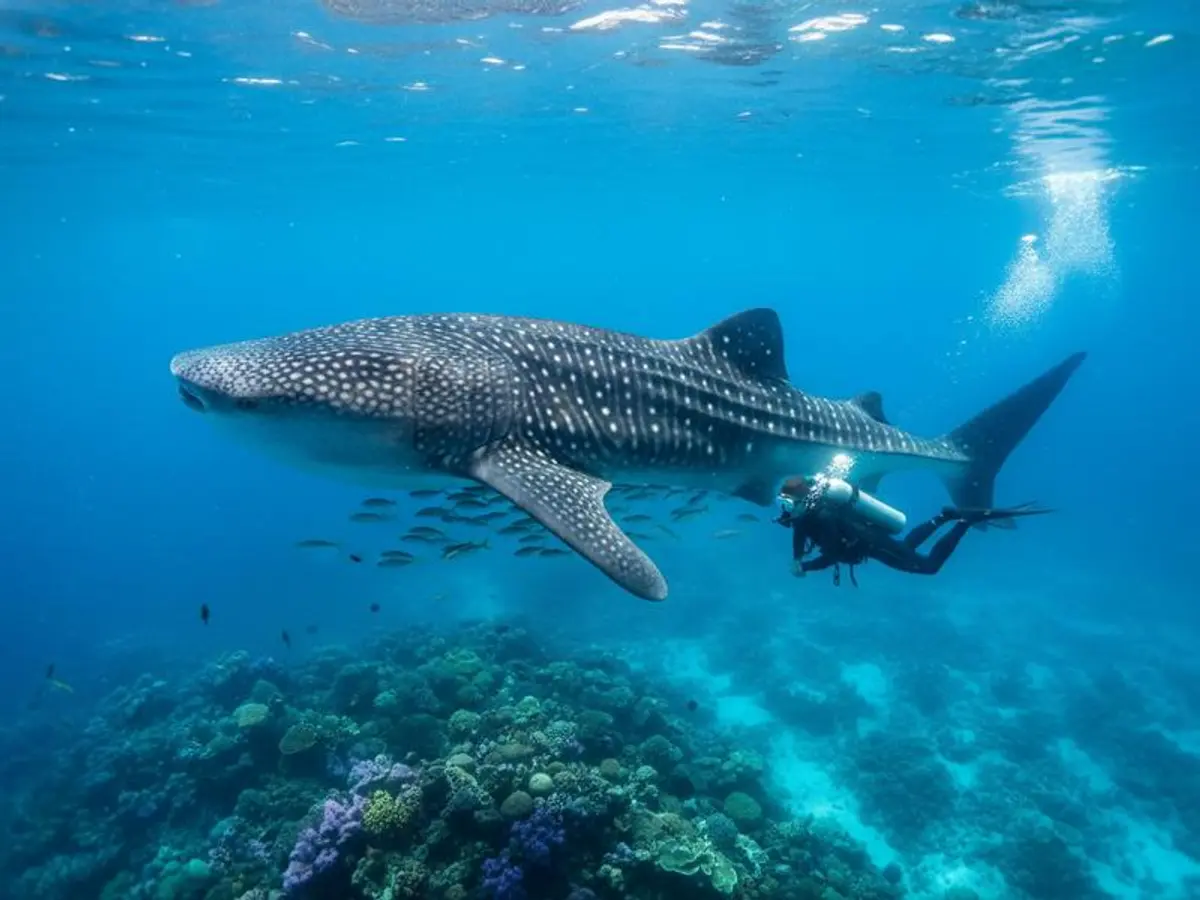
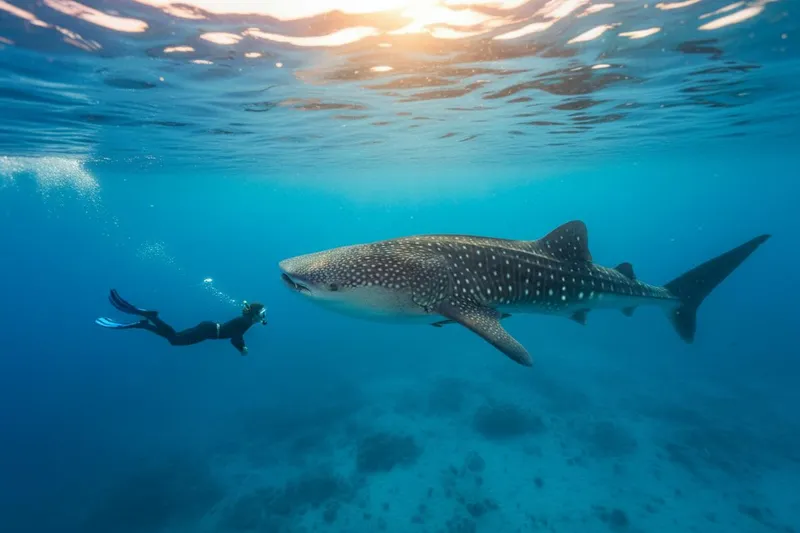
- Whale sharks aggregate near La Paz October-May
- Hurricane-affected September-October (avoid)
- Summer: extremely hot and humid (38-42°C)
Pacific Ocean — West Coast:
- Cold water year-round (14-18°C), never truly warm
- World-class surf year-round; best for big waves November-March
- Gray whale lagoons: January-March
- Ensenada: mild Mediterranean climate all year
- Summer: cooler than the east coast despite southern latitudes
The tip: Los Cabos Los Cabos sits where the two coasts meet. It gets the best of the Sea of Cortez (calm swimming beach at Medano) while the Pacific side has dramatic waves. Hurricane-vulnerable in September-October.
Best Time by Destination
| Destination | Best Months | Avoid |
|---|---|---|
| Los Cabos | November–May | September–October |
| La Paz | October–May | June–September |
| Loreto | October–April | July–September |
| Ensenada | Year-round | No bad months |
| Guerrero Negro / Gray Whale Lagoons | January–March | April–December |
| Magdalena Bay | January–March | April–December |
| San Ignacio | January–March | April–December |
| East Cape (kite surfing) | November–March | April–October |
| Valle de Guadalupe wines | September–November (harvest) | None (visits year-round) |
Month-by-Month Baja Guide
January — Peak Wildlife, Prime Los Cabos
January is Baja’s most active month for wildlife encounters. Gray whales are in the Pacific lagoons in peak numbers. Whale sharks are concentrated in La Paz Bay. Sea lions are active at Espíritu Santo Island. Temperatures in Los Cabos and La Paz are perfect: highs of 26-28°C with lows around 14°C.
January is also high season pricing — Los Cabos hotels are at or near peak rates. Book well in advance.
The Pacific surf at Todos Santos and Pescadero is pumping with strong northwest swells. Surfers who don’t mind cold water (wetsuits recommended) should target January-February for Baja’s best waves.
Los Cabos: Highs 26°C, water 22°C, sunny, minimal wind ★★★★★ La Paz: Highs 24°C, whale sharks active ★★★★★ Gray whales: Peak season in Pacific lagoons ★★★★★
February — Gray Whale Peak, Valentine’s Season
February is the best month for gray whale watching. The lagoons at San Ignacio, Ojo de Liebre, and Magdalena Bay hold the highest concentrations of whales — adults, calves, and the famously curious “friendly whales” that approach boats and allow touching.
Los Cabos and La Paz remain perfect. Temperatures in La Paz reach 26°C by day, with calm mornings ideal for kayaking around Espíritu Santo.
February is Valentine’s season, which drives premium pricing in Los Cabos resorts and popular restaurants. Worth knowing if you’re on a budget.
Whale watching: peak season Los Cabos: ★★★★★ La Paz: ★★★★★
March — Last Whale Window, Spring Surge
Gray whales begin departing in late March, heading back north to Alaskan waters. Early March is still excellent for watching — late March is the last reliable window. If gray whale watching is your primary reason for visiting, target February or early March.
Spring break brings North American crowds, particularly to Los Cabos. This is the highest-demand period for Cabo San Lucas, with hotel rates to match. La Paz and Loreto see fewer spring break visitors despite having excellent conditions.
Kite surfing at La Ventana (East Cape, south of La Paz) hits its trade wind peak in March. Consistent 20-25 knot winds make this one of the world’s top kite destinations in winter.
Whale watching: Early March only ★★★★ (late March ★★) Los Cabos: Peak season, peak prices ★★★★★ La Paz: Excellent; less crowded than Cabo ★★★★★ Kite surfing La Ventana: Peak ★★★★★
April — Shoulder Season Sweet Spot
Spring break crowds clear, whale season is over, whale sharks are still present in La Paz. Temperatures warm noticeably — Los Cabos highs reach 30°C, La Paz hits 32°C by afternoon. Water temperatures on the Sea of Cortez warm toward 24°C.
April is Baja’s best shoulder month: full summer-level sunshine and water warmth, but spring prices. Ensenada wine country (Valle de Guadalupe) is open and green from winter rains.
East Cape kite surfing winds fade in April — the trade wind season ends around late March to early April.
Los Cabos: ★★★★ La Paz: Whale sharks still active (through May) ★★★★ Valle de Guadalupe: Lush green pre-harvest ★★★
May — Last Best Month Before Heat
May is the last comfortable month before summer heat arrives. Temperatures are warm but manageable: Los Cabos 32°C, La Paz 34°C. Whale sharks remain in La Paz Bay through May — the season ends in late May or early June as warmer water disperses the aggregation.
Crowds have dropped significantly from March-April peaks. Hotels are more negotiable, particularly in La Paz.
The Pacific side gets completely flat in May — no surf, glassy mornings. Good for snorkeling along the Pacific coast, though water remains cooler than the Cortez.
La Paz: Whale sharks final month ★★★★ Los Cabos: Good weather, lower prices ★★★★ Overall value: Best of the season ★★★★★
June — Heat Arrives, Prices Drop
June marks the transition. Days lengthen, humidity increases, and temperatures climb into the mid-30s along the Cortez coast. The whale sharks are gone. Gray whale season ended months ago.
Hurricane season begins officially June 1, though June rarely sees storms directly affecting Baja. The risk is low but increases through the month.
Los Cabos resorts slash prices 30-40% in June — the trade-off is genuine heat. If you can manage 35°C days with air-conditioning as your base, June offers serious value.
Ensenada, on the Pacific with cold upwelling, stays comfortable in the 22-25°C range throughout June. This is actually when Ensenada shines relative to the rest of Baja.
Los Cabos: Manageable heat, excellent prices ★★★ La Paz: Hot, humid. For budget travelers only ★★ Ensenada: Excellent year-round weather continues ★★★★
July — Avoid South Baja
July is the warning month. Inland temperatures in the Baja California and Baja California Sur deserts reach 40-45°C. Sea surface temperatures on the Cortez hit 30°C — bath water. La Paz becomes genuinely uncomfortable without strong air conditioning.
Hurricane probability increases significantly in July. While a July hurricane hitting Baja is not common, tropical storms form with increasing frequency and can bring sudden rain, surge, and flight disruptions with little warning.
Ensenada remains comfortable (Pacific coast, 22-25°C). Valle de Guadalupe is warm but not extreme. These northern destinations work in July. South Baja — skip it.
Los Cabos: Hot, humid, hurricane risk ★ La Paz: Very hot, hurricane risk ★ Ensenada: Fine ★★★★
August — Peak Heat, Hurricane Risk
August is the month most experienced Baja travelers avoid south of Loreto. Los Cabos reaches 38°C, humidity is high, and hurricane risk peaks in late August through October.
Resorts are at their cheapest — but ask yourself whether a 5-star hotel with great AC compensates for not being able to walk outside between 10 AM and 6 PM.
The Pacific surf starts regenerating in late August with early southern swells. For serious surfers willing to deal with heat and checking the hurricane tracker daily, August can deliver uncrowded waves.
Los Cabos: Extreme heat, hurricane risk ★ La Paz: Same — avoid ★ Ensenada/Pacific surf: Early swells, manageable climate ★★★
September — Hurricane Peak: Avoid South Baja
September is the single riskiest month for southern Baja. Hurricane Patricia (2015), a category 5 when it made landfall, strengthened from tropical storm to category 5 in under 24 hours — the fastest intensification ever recorded in the Western Hemisphere. It struck the Jalisco coast but demonstrated what the eastern Pacific is capable of generating.
Loreto, La Paz, and Los Cabos have all taken direct or near-direct hurricane hits over the decades. The risk in September is real, not theoretical.
Ensenada: still fine. Valle de Guadalupe harvest begins in late September — this is when Baja’s wine country is most active and visiting becomes interesting for wine tourism.
South Baja: Avoid ★ Ensenada/Valle de Guadalupe: Harvest season begins ★★★★
October — Return to Paradise
October is the month Baja transforms. Hurricane season isn’t fully over (risk drops sharply after mid-October), but the heat breaks and wildlife returns.
Whale sharks begin reappearing in La Paz Bay in October. Water temperatures are still warm from summer (27-28°C on the Cortez). Temperatures drop to comfortable levels: Los Cabos highs around 30°C, La Paz 32°C, but humidity is lower.
Valle de Guadalupe harvest is in full swing in early October — vineyards host events, the food and wine scene peaks. Ensenada’s wine festival draws visitors from across the US and Mexico.
La Paz: Whale sharks returning ★★★★ Los Cabos: Excellent post-heat, early high season ★★★★ Valle de Guadalupe: Peak harvest month ★★★★★
November — Open Season
November is when Baja opens for its best stretch. Hurricane risk is essentially zero. Whale sharks are active in La Paz. Gray whale season is still weeks away. Kite surfing at La Ventana and Los Barriles starts as trade winds arrive.
Temperatures across southern Baja return to their winter perfection: Los Cabos 28°C, La Paz 27°C, Loreto 26°C. Water temperatures still hold at 24-25°C — warmer than most Caribbean destinations at this time of year.
East Cape kite surfing season opens in November. La Ventana and Los Barriles fill with kite schools and kiters from across North America.
Los Cabos: Opens for prime season ★★★★★ La Paz: Whale sharks, ideal temps ★★★★★ East Cape kiting: Season opens ★★★★ Overall: Best month for combining wildlife + conditions ★★★★★
December — Wildlife Season Peaks
Gray whales begin arriving in Baja’s Pacific lagoons in late December — a population of approximately 20,000 animals migrating from Alaskan waters to breed in San Ignacio, Ojo de Liebre, and Magdalena Bay.
Christmas week brings premium hotel rates to Los Cabos (similar to spring break). Families from North America fill the Cabo San Lucas resort zone. La Paz is a quieter alternative with the same great December conditions.
Kite surfing at La Ventana is in full swing with reliable December trade winds.
Los Cabos: Prime season, premium prices ★★★★★ La Paz: Prime season, more relaxed ★★★★★ Gray whales: Arriving in Pacific lagoons ★★★★
Baja Wildlife Calendar
| Species | Location | Active Season |
|---|---|---|
| Gray whales | San Ignacio, Ojo de Liebre, Magdalena Bay | January–March (peak Feb) |
| Whale sharks | La Paz Bay | October–May (peak Nov-Mar) |
| Humpback whales | Los Cabos / Sea of Cortez | December–April |
| Sperm whales | Deep Sea of Cortez | Year-round |
| Blue whales | Sea of Cortez | December–March |
| Fin whales | Sea of Cortez | November–April |
| Orca | Sea of Cortez | January–March |
| Sea lions (California) | Espíritu Santo Island | Year-round (breeding Feb-May) |
| Manta rays (giant) | Sea of Cortez | June–November |
| Sea turtles | Pacific coast | May–October (nesting) |
| Leatherback turtles | Pacific Baja | Sporadic year-round |
Baja California Packing Guide
November–April (Main Season)
- Light layers: mornings and evenings cool (14-18°C), days warm (26-30°C)
- Sun protection: strong UV year-round at sea level
- Wetsuit (3mm): if snorkeling or kite surfing — water 22-25°C
- Water shoes for rocky beaches and lava rock entries
- Cash (USD accepted in Cabo, prefer pesos in La Paz)
June–October (If You Must Go)
- Lightweight, light-colored clothing: it’s extremely hot
- SPF 50+ minimum
- Electrolytes and significant hydration capacity
- Sandals you can walk in (not flip-flops for cobblestones)
- Travel insurance — hurricane season is real
Gray Whale Lagoon Trips
- Layers (Baja Pacific coast January-February mornings are cold — 12-15°C)
- Windproof jacket for open boat travel
- Sunscreen for boat tours
- Waterproof bag for camera gear
- Motion sickness medication if you’re prone to it (boat rides to whale areas can be choppy)
Getting Around Baja
Baja California is long and distances are deceptive. The Transpeninsular Highway (Mexico 1) runs the full length — 1,700km from Tijuana to Cabo San Lucas. Some sections are remote with minimal services.
Car rental: The most practical option for exploring beyond a single destination. Crossing the border with a US rental car requires special permission — rent in Baja through a local or international agency. Compare Baja car rental options before booking.
Flights: Tijuana (TIJ), La Paz (LAP), and Los Cabos (SJD) all have direct connections to major US cities and Mexico City. Flying between Tijuana and Los Cabos is faster than driving (the drive is 2+ days).
Buses: ABC and Aguila bus lines run the Transpeninsular route, but journey times are long. La Paz to Tijuana is 24+ hours by bus.
Ferry: The Santa Rosalía ferry connects Baja to Guaymas (mainland Sonora). Topolobampo serves Los Mochis. Useful for one-way road trips.
Viator Tours in Baja
For whale watching departures, whale shark snorkeling, and Espíritu Santo island tours, advance booking makes a significant difference — especially during peak season (November-March). Browse Baja California tours on Viator for gray whale tours, La Paz whale shark experiences, and Los Cabos excursions.
Travel Insurance
Baja California has real risk factors: hurricane season, remote locations, water activities, and limited medical infrastructure outside of Los Cabos and La Paz. travel insurance covers emergency evacuation, hospital care, and trip interruptions from approximately 1.50 USD/day. Essential for June-October travel, strongly recommended year-round.
Internal Resources
- La Paz travel guide — balandra beach, whale sharks, Espíritu Santo, local restaurants
- Los Cabos travel guide — Cabo San Lucas vs San José del Cabo, beaches, luxury hotels
- Best time to visit Los Cabos — Los Cabos-specific seasonal breakdown
- Whale watching in Mexico — all Mexico whale species and seasons
- Best time to visit Mexico — national seasonal overview
Bottom Line
Baja California rewards visitors who understand its dual nature. The Pacific coast is for surfers and whale watchers — cold water, dramatic waves, and the world’s best gray whale nurseries. The Sea of Cortez side is for divers, snorkelers, and anyone who wants warm, impossibly clear water.
The golden window: November through May for south Baja. Year-round for Ensenada. Never in September for anything below Loreto unless you’re specifically chasing surf or have excellent risk tolerance.
The wildlife alone — 11 marine megafauna species in a single peninsula — makes Baja one of the world’s great nature travel destinations. Time it right and you’ll understand why.