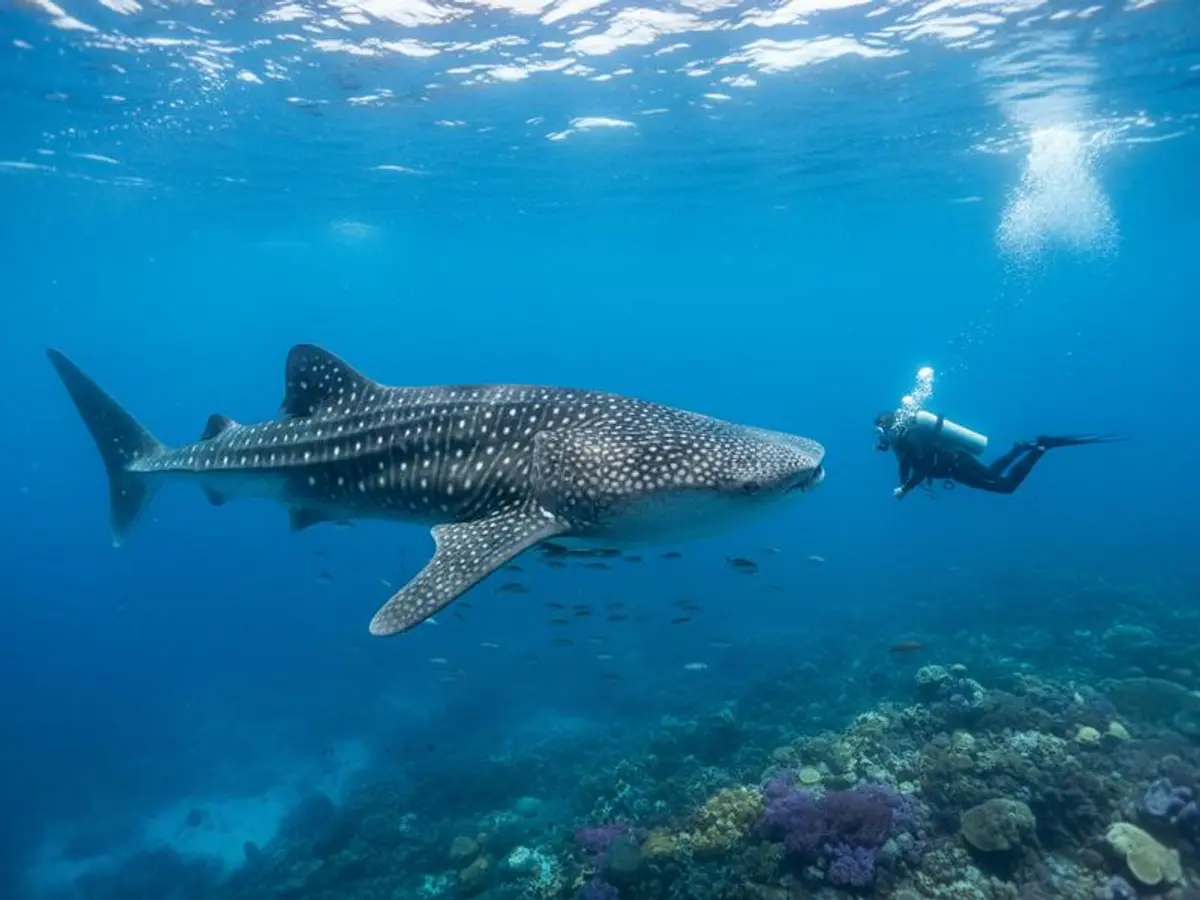
Best Time to Visit La Paz 2026: Whale Sharks, Whales & Weather
La Paz sits on the western shore of the Sea of Cortez — the body of water Jacques Cousteau called “the world’s aquarium” — and the timing of your visit determines almost everything: which animals you’ll see, how hot it gets, and how much you’ll pay.
The short version: October through May is the right window for most travelers. That’s when whale sharks fill the bay, the weather cooperates, and the city feels alive without being overrun. June through September brings brutal heat, hurricane risk, and unpredictable marine tours.
This guide breaks down every month so you can plan around your priorities.
Quick Answer: Best Time to Visit La Paz
| Goal | Best Months |
|---|---|
| Whale sharks | October–May (peak: January–March) |
| Gray whales (day trips) | January–March |
| Comfortable weather | October–May |
| Best beach conditions | October–April |
| Lowest prices | June–September (but heat/hurricane risk) |
| Espíritu Santo snorkeling | October–May |
| Sea lions | Year-round |
| Mobula rays | June–September |
| Carnival | February |
| Baja 1000 | November |
Best overall: October–May. Peak value (fewer crowds, still good wildlife): October–November and April–May. Avoid for most travelers: July–August.
La Paz Monthly Weather Table
| Month | High °C | Low °C | Rain (mm) | Sea Temp °C | Crowds | Overall |
|---|---|---|---|---|---|---|
| January | 24 | 14 | 10 | 23 | Low-Med | ★★★★☆ |
| February | 25 | 14 | 8 | 22 | Med (Carnival) | ★★★★★ |
| March | 27 | 16 | 5 | 22 | Med | ★★★★★ |
| April | 29 | 18 | 3 | 23 | Low-Med | ★★★★☆ |
| May | 32 | 20 | 2 | 25 | Low | ★★★★☆ |
| June | 35 | 24 | 8 | 28 | Very Low | ★★☆☆☆ |
| July | 37 | 26 | 20 | 30 | Very Low | ★★☆☆☆ |
| August | 38 | 27 | 35 | 31 | Very Low | ★☆☆☆☆ |
| September | 36 | 25 | 45 | 30 | Very Low | ★★☆☆☆ |
| October | 33 | 22 | 15 | 29 | Low | ★★★★☆ |
| November | 29 | 18 | 10 | 27 | Med (Baja 1000) | ★★★★★ |
| December | 25 | 15 | 8 | 24 | Med | ★★★★☆ |
La Paz Wildlife Calendar
The Sea of Cortez has exceptional marine biodiversity year-round, but the headline species come and go with the seasons.
Whale Sharks — October Through May
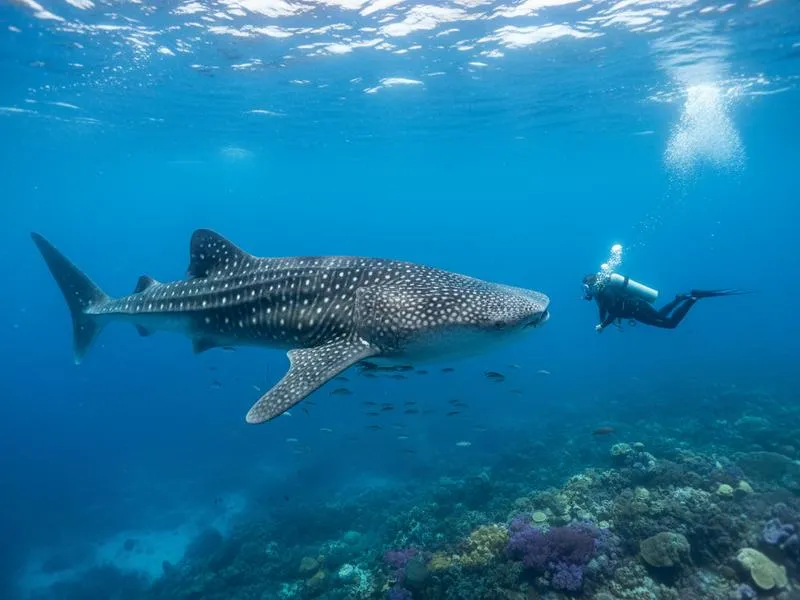
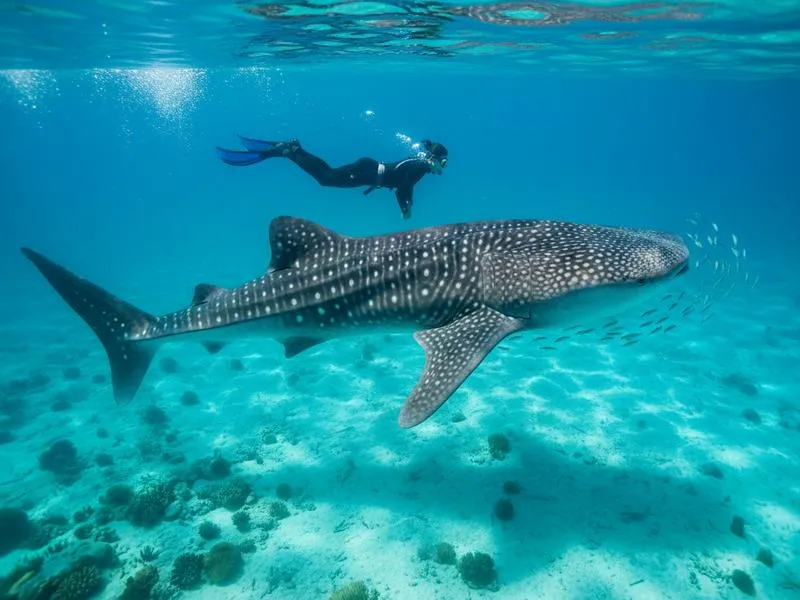
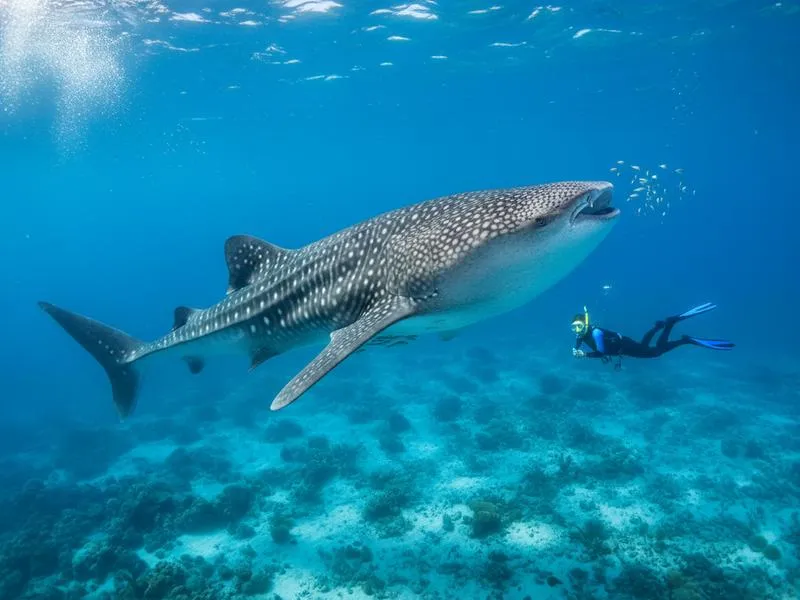
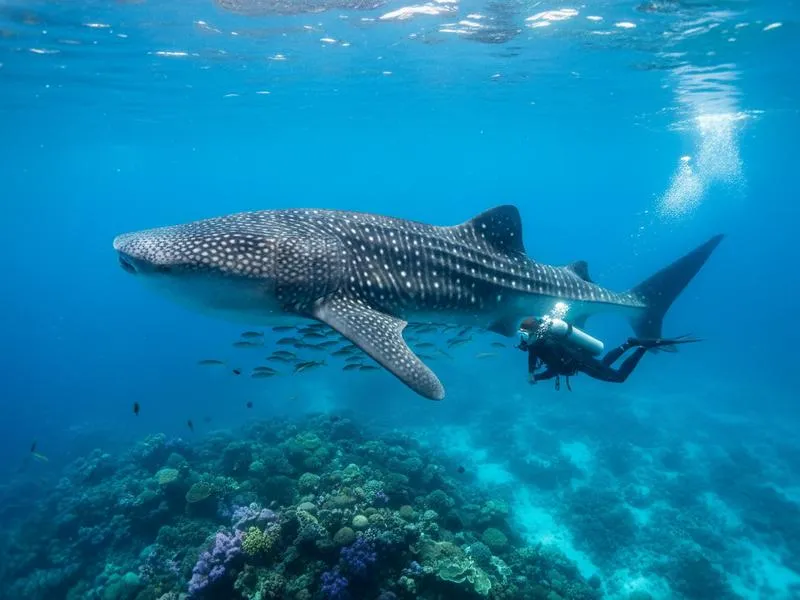
La Paz Bay is one of the most reliable places on Earth to snorkel with whale sharks. The animals congregate here to feed on plankton blooms driven by the Cortez currents.
Season: October through May. Peak: January through March, when 50+ individuals may be present on a single day.
What changes month by month:
- October–November: Whale sharks have just arrived, water is warm (27–29°C), crowds are manageable. Good combination of warm water and high sighting probability.
- December–January: Highest concentrations. Water cools to 23–24°C — you’ll want a 3mm wetsuit. Sighting rates are 95%+ on most days.
- February–March: Numbers stay high. Carnival weekend brings more people but the whale sharks don’t care.
- April–May: Numbers thin as the season winds down. Still reliable sightings, warm water returning, fewer visitors.
Key rule: You cannot scuba dive with whale sharks in La Paz. Mexican regulations require snorkeling only. Tours cost approximately 1,800–2,500 MXN per person including gear, park fees, and a short boat ride. Book through your hotel or the La Paz Marina — avoid touts on the street.
For more on whale shark tours across Mexico, see our full guide to swimming with whale sharks in Mexico.
Gray Whales — January Through March
La Paz itself is not a gray whale destination — but it’s the main hub for tours to the breeding lagoons where tens of thousands of gray whales arrive each winter.
The action happens at Laguna Ojo de Liebre (Scammon’s Lagoon) near Guerrero Negro (about 5 hours north) and Laguna San Ignacio (7 hours north). Both are UNESCO World Heritage sites. Mothers bring their calves into the warm, shallow lagoons, and the whales are remarkably curious — they approach small pangas and will let you touch them.
Day trips from La Paz are logistically challenging (it’s a lot of driving). Most people do this as a 2–3 night add-on or use La Paz as an airport gateway and travel north separately. Several operators in La Paz offer organized tours.
For the full picture, see our whale watching in Mexico guide.
Sea Lions — Year-Round
Los Islotes, a small rocky outcrop at the northern tip of Espíritu Santo Island, hosts a permanent colony of 500+ California sea lions. You can snorkel with them year-round. The young sea lions are especially playful — they’ll circle you underwater, tug at your fins, and swim directly at your face mask before veering off at the last second.
Sea lion tours typically combine with an Espíritu Santo day trip. Water visibility is best October through May (15–25 meters). In summer, plankton blooms reduce visibility but the sea lions remain.
Mobula Rays — June Through September
The summer months that deter most tourists bring one spectacular reward: massive mobula ray aggregations in the Sea of Cortez. Hundreds or thousands of rays leap from the water in what marine biologists still don’t fully understand — it’s one of the most dramatic wildlife events in Mexico.
Mobula rays are present year-round in the Cortez, but the summer aggregations — schools of hundreds visible from the surface — happen June through September. If you’re visiting in summer for any reason, a ray-watching tour is worth adding.
Beach Conditions Month by Month
Balandra Beach
Balandra is a protected cove 24 kilometers north of La Paz city. The water is so shallow and calm that it functions less like a beach and more like a giant warm-water lagoon. There are no waves. You can wade 200 meters from shore and still be only waist-deep.
Year-round: Technically accessible and beautiful in any month, but:
- October–April: Ideal. Air temperatures 24–29°C, no humidity, calm water.
- May–June: Getting hot. Manageable.
- July–August: 38°C, high humidity, no shade. Without shade structures it becomes a midday endurance test.
Balandra gets crowded on weekends year-round. Arrive before 9am or after 3pm for fewer people. Entry is free (controlled through a permit system — check the current La Paz tourism website for the latest reservation requirements).
Tecolote Beach
Tecolote is the closest open-water beach to La Paz with services (beach clubs, watersports rentals). It’s also the departure point for many whale shark tours, which makes it the best beach to base yourself during the October–May whale shark season.
Conditions mirror Balandra — best October through April. The Sea of Cortez at Tecolote stays glassy calm most of the year, unlike Pacific beaches.
Espíritu Santo Island — When to Go
Espíritu Santo is a UNESCO World Heritage island 45 minutes by boat from La Paz. It’s one of the most biodiverse marine reserves in the Americas — 900 marine species, 200 bird species, and the Los Islotes sea lion colony.
Best time: October through May. Water clarity peaks in the dry season (visibility 15–25 meters). Calm seas make the boat crossing comfortable.
Summer (June–September): Technically possible, but rough seas from tropical storms can cancel tours with no warning. Plankton blooms reduce visibility. The heat makes beach time difficult. Most operators reduce schedules.
Standard day trip from La Paz includes: boat crossing, snorkeling at Los Islotes sea lion colony, snorkeling at La Bonanza or El Cardonal reefs, beach lunch on the island. Cost: approximately 1,600–2,500 MXN per person.
For full planning details, see our La Paz travel guide.
La Paz vs. Los Cabos: Choosing the Right Baja Destination
Both cities sit in Baja California Sur, but they attract different travelers. Here’s a direct comparison:
| Factor | La Paz | Los Cabos |
|---|---|---|
| Water | Calm Sea of Cortez | Pacific surf on one side, Cortez on other |
| Beach vibe | Quiet, local, no beach clubs | International resort infrastructure |
| Price level | Moderate — much cheaper | Premium |
| Airport | Small (limited direct US flights) | Large (direct US/Canada/Europe flights) |
| Wildlife | Whale sharks, sea lions, gray whales | Whale watching, marlin, sea lions |
| Nightlife | Low-key city scene | Developed resort party scene |
| Authentic feel | Strong — real Mexican city | Resort-forward |
| Best beach | Balandra (world-class) | Lover’s Beach (good) |
Choose La Paz if: Wildlife matters most, you want a real Mexican city, budget is a consideration, or you’re combining with a Baja road trip.
Choose Los Cabos if: You want direct flights, resort amenities, Pacific surf, or a more international beach vacation.
Many travelers do both. Fly into Los Cabos (larger airport, more flights), spend a few days there, then drive or take the bus 3 hours north to La Paz for the wildlife and beaches. See our Los Cabos travel guide for comparison.
La Paz Festival Calendar
Carnival — February
La Paz Carnival is one of the biggest in Mexico — it typically runs the week before Ash Wednesday (late January or early February). The malecon transforms into a festival ground with music, food, and parades. Hotels fill up fast; book at least 6–8 weeks in advance if your dates overlap.
2026 Carnival: Approximately February 14–17 (dates subject to confirmation).
Baja 1000 — November
The Baja 1000 is one of the world’s most famous off-road races, running from Ensenada to La Paz (the full 1,000-mile route) or Ensenada to a finish point north of La Paz in alternating years. When the race finishes in La Paz, the city erupts — thousands of race fans, vehicles, and parties fill the streets. Usually held mid-November.
Even if you’re not a motorsports fan, arriving to witness the finish is an unexpectedly electric experience.
Packing by Season
October–May (Recommended Season)
- Light clothes for daytime (26–30°C)
- A light jacket or layer for evenings (can drop to 14–16°C December–February)
- 3mm wetsuit for whale shark tours December–March (most operators provide these)
- Reef-safe sunscreen — mandatory in marine parks, and the sun is intense year-round
- Casual shoes for the malecon and city walking
June–September (If You Must)
- Maximum-breathability clothing — humidity makes everything feel hotter
- Strong mosquito repellent — more insects in rainy season
- Flexible itinerary — marine tours cancel frequently during hurricane season
- Travel insurance with trip cancellation — tropical storm disruptions are real
Book Tours in La Paz
La Paz has excellent local tour operators for whale shark snorkeling, Espíritu Santo day trips, and gray whale expeditions. Viator aggregates vetted operators with transparent pricing and real reviews:
Browse La Paz tours and whale shark experiences on Viator →Travel Insurance for La Paz
Baja California Sur is safe, but marine activities carry real risk — boat accidents, jellyfish, and currents do happen. If you’re visiting during hurricane season, trip cancellation coverage becomes especially valuable.
travel insurance covers emergency medical, evacuation, and trip interruption for a fraction of what US-based policies charge.
travel insurance
Final Recommendations
First-time visitor who wants it all: Book October or November. Whale sharks have just arrived, water is warm, crowds are light, prices are pre-peak. You get good wildlife, comfortable weather, and the city feels relaxed.
Wildlife priority (maximum whale sharks): January–March. Water is cool enough to need a wetsuit but whale shark sightings are at their most reliable. Add gray whale lagoon tours from La Paz as your base.
Budget travel: May is underrated — whale sharks are still present, it’s getting warm, and prices haven’t fully dropped yet. Shoulder season at its best.
Avoid: July and August for most travelers. The heat is punishing, hurricane risk is real, and marine tour cancellations frustrate even flexible itineraries.
For the complete La Paz destination guide — where to stay, what to eat, how to get there — see our La Paz travel guide.
For broader Mexico timing questions, see best time to visit Mexico.