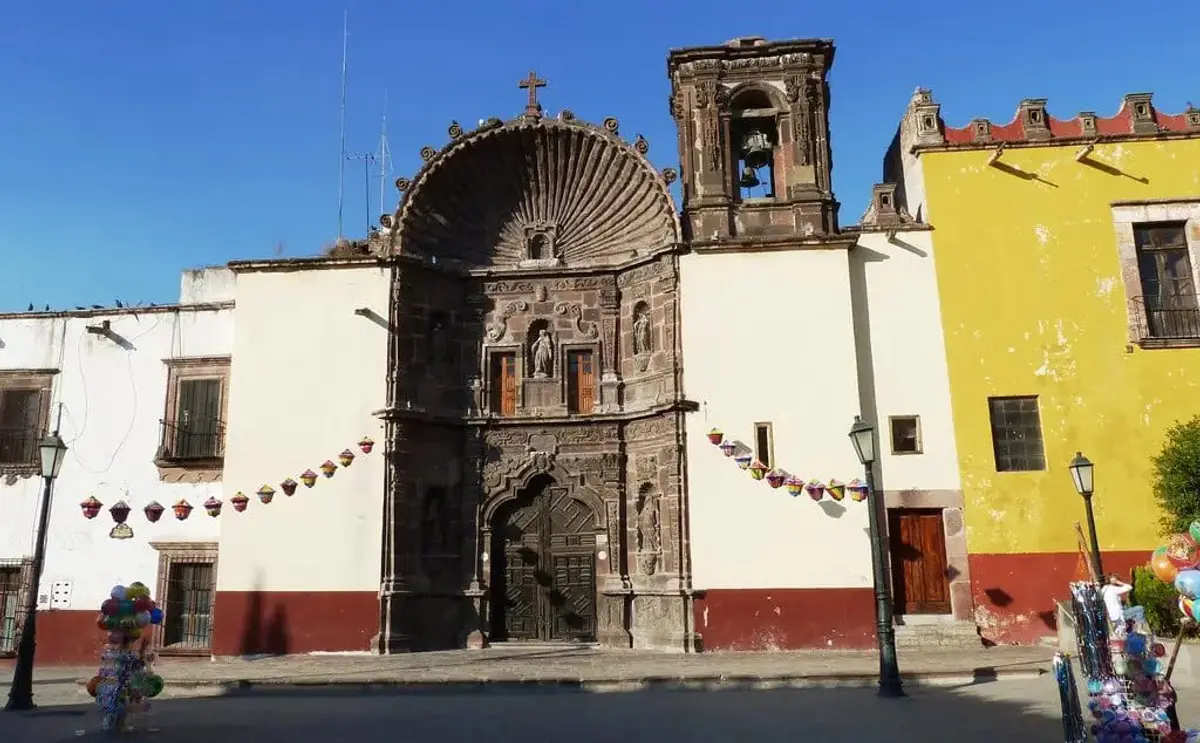
Is San Miguel de Allende Safe for Tourists in 2026? Best Areas + What to Avoid
Yes, San Miguel de Allende is safe for tourists in 2026. For most first trips, it is one of the easiest and safest places to visit in Mexico, especially if you stay in or near the centro histórico, use main streets at night, and treat it like a polished colonial city rather than a late-night party destination.
The source of confusion is Guanajuato state. Headlines about cartel violence usually refer to industrial corridors like Celaya, Salamanca, and Irapuato, not San Miguel’s UNESCO-listed colonial core. Travelers who understand that distinction, book a central stay, and use normal urban judgment usually find San Miguel calm, walkable, and straightforward.
If you are still choosing where to base yourself, pair this guide with our San Miguel de Allende hotels guide, things to do in San Miguel de Allende, and Mexico City to San Miguel de Allende transport guide.
| San Miguel de Allende safety question | Short answer |
|---|---|
| Is San Miguel de Allende safe for tourists? | Yes, especially in Centro, Guadiana, and the main visitor zones. |
| Safest area for a first trip | Centro if you want to walk everywhere, Guadiana if you want quieter nights. |
| Main tourist risks | Cobblestone falls, pickpockets during major festivals, and overdoing rooftop drinks at altitude. |
| Is it safe at night? | Yes in the central core, especially on lit restaurant streets, but use Uber after midnight. |
| Should Guanajuato state headlines stop you? | Usually no, because the main violence is not centered in San Miguel itself. |
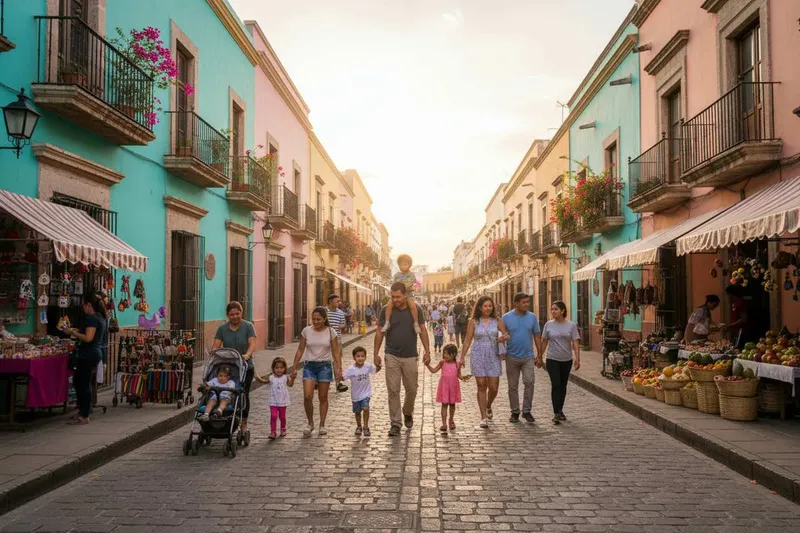
The Short Answer: Is San Miguel de Allende Safe?
Yes, for most travelers, absolutely.
Guanajuato state holds a Level 3: Reconsider Travel advisory from the U.S. State Department. The May 29, 2026 advisory cites terrorism, crime, and kidnapping. It bars U.S. government employees from Highway 45D and areas south of it, including Celaya, Salamanca, and Irapuato; San Miguel de Allende is not named in those specific restrictions.
That distinction matters when planning a San Miguel trip, but it does not turn the statewide Level 3 rating into a lower city-level advisory. Travelers should review the official map, use established routes, avoid intercity driving after dark, and make a risk decision that fits their circumstances. The city is:
- A UNESCO World Heritage Site with significant international attention
- Home to 30,000+ expats who have chosen to live there precisely because it’s livable and safe
- A major destination for American retirees, digital nomads, and artists
- Heavily dependent on tourism, creating strong institutional incentives to maintain security
The tourist crime you’re most likely to encounter in San Miguel de Allende is minor theft in busy markets or festival crowds, not violent street crime targeting visitors.
For Mexico’s national safety context, see our complete Mexico safety guide and our Mexico travel advisory guide for 2026.
Best Areas to Stay if Safety Matters
For most travelers, the safest and easiest booking strategy is simple: stay close enough to walk to the Jardín Principal, but not so close that church bells, nightlife, and festival traffic keep you awake.
Centro Histórico
Best for first-time visitors who want to walk to restaurants, galleries, rooftop bars, and the parroquia. If this is your first San Miguel trip and safety matters most, Centro is the default answer.
Guadiana
Best for travelers who want a calmer, more residential feel within easy reach of centro. It is a strong choice for couples, longer stays, and anyone who wants quieter nights without feeling isolated.
San Antonio
A workable choice for longer stays and repeat visitors, especially those comfortable with a little more walking. Pick a well-reviewed stay near the centro side of the neighborhood rather than farther-out edges.
Areas where you need more judgment
Not because San Miguel has classic no-go tourist districts, but because the city gets darker and quieter away from the center. If you book far up the hills or on the outer edges to save money, expect steeper walks, fewer people around at night, and more reliance on taxis or Uber.
Safe Zones in San Miguel de Allende
The simple answer to which areas of San Miguel are safe: everywhere tourists normally go.
Centro Histórico
Everything within the centro histórico — the Jardín Principal (main square), the parroquia, the surrounding streets of Calle Reloj, Umarán, Correo, Canal, Insurgentes — is safe. This is the heart of tourist San Miguel and is actively patrolled by both municipal police and tourist police.
The centro is particularly pleasant to walk in the evenings. Restaurants fill up, the jardín stays active until midnight, and the callejoneadas (see below) bring music and street life to the alleyways.
The Callejoneadas: A Safety-in-Numbers Feature
San Miguel is famous for its callejoneadas — guided processions through the city’s labyrinthine alleyways, led by brass bands, following the tradition of Mexican “callejonadas.” These happen several nights per week and are genuinely joyful events: locals, expats, and tourists moving together through cobblestone streets, stopping at bars and restaurants, with music echoing off colonial walls.
They’re also, incidentally, excellent for safety. There’s nothing safer than being part of a 50-person celebratory procession moving through well-lit streets with locals.
Tourist Areas Beyond Centro
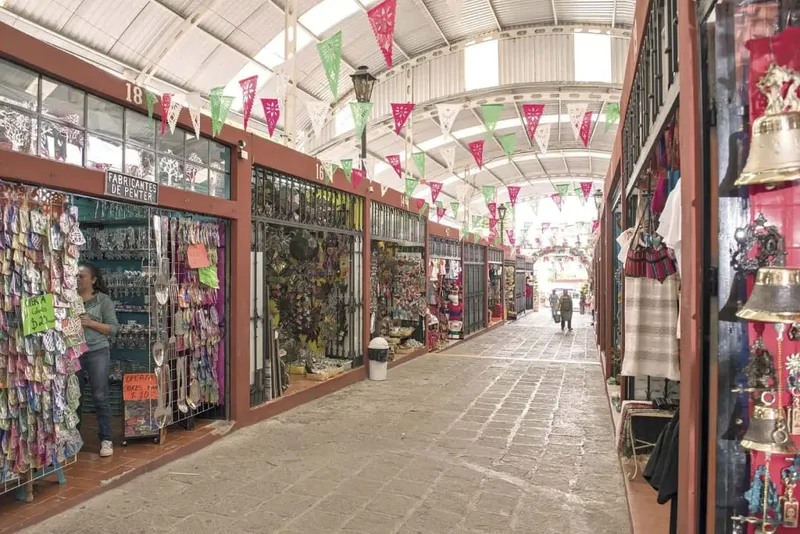
The Parque Juárez (a beautiful park south of centro), the Mercado de Artesanías, the Fábrica La Aurora (converted factory with art galleries), and the Botanical Garden (El Charco del Ingenio) are all safe destinations during normal hours.
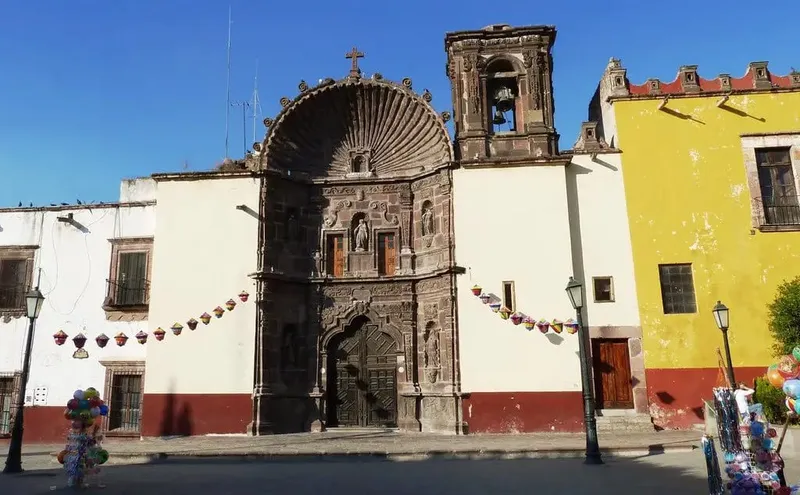
The Guanajuato State Reality: What You Need to Understand
This section is important. Let’s be completely honest about Guanajuato state — and equally clear about why it doesn’t apply to San Miguel de Allende.
What Happened in Guanajuato State
Guanajuato state has experienced significant cartel violence, primarily from the conflict between the Jalisco New Generation Cartel (CJNG) and the Santa Rosa de Lima Cartel (CSRL). This conflict intensified from roughly 2019 onward and put Guanajuato state on the map for violence in a way it hadn’t been before.
The violence concentrated in:
- Celaya — manufacturing city, ~150km from SMA, site of significant cartel battles
- Salamanca — oil refinery zone, cartel fighting for smuggling routes
- Irapuato — agricultural/industrial zone, similar dynamics
- León — Mexico’s shoe manufacturing capital, some elevated crime
These are industrial and agricultural cities in the flat central belt of Guanajuato state — economically and geographically distinct from the colonial highlands where San Miguel de Allende and Guanajuato City sit.
Why San Miguel de Allende Is Separate
San Miguel de Allende is in the Bajío highlands — a different geography, a different economy, and different security conditions from the industrial cities.
The city’s economy is built on tourism and expatriate residents. There is no significant industrial or agricultural activity that attracts cartel interest in the smuggling corridor sense. The city has no major refinery, manufacturing zone, or agricultural territory that cartel organizations have fought over.
The federal and state security presence in San Miguel is significant — partly because of its international profile and UNESCO status, partly because of its large American expat community (and the corresponding diplomatic attention that brings).
The MEX-57D Drive: Fine
If you’re driving to San Miguel de Allende from Mexico City, use the main toll-road route via Querétaro, travel during daylight, and check current road conditions before departure. No route is risk-free, so avoid unplanned shortcuts and intercity driving after dark.
Avoid secondary rural roads at night, particularly those passing through isolated areas. This is standard advice for driving in rural Mexico generally, not specific to Guanajuato.
What Crime Tourists Actually Face in San Miguel
To calibrate your actual risk, here’s what tourists encounter:
Cobblestone Injuries (Most Common)
This is not a joke. San Miguel de Allende has beautiful, uneven colonial cobblestones throughout the centro. These streets were not designed for modern footwear, and ankle sprains are genuinely common — particularly after a evening of wine and mezcal at excellent restaurants.
Pack supportive shoes. Avoid high heels on cobblestones. Watch your step at night when lighting on smaller streets can be uneven.
Pickpockets at Festivals
San Miguel hosts a packed cultural calendar — the famous Festival Internacional de Jazz y Blues, the Festival de Cine de San Miguel, Día de los Muertos celebrations, Semana Santa processions. During large festival crowds, keep your valuables in front pockets and be aware of your bag in dense crowds.
This is standard festival precaution, not unusual for San Miguel.
Taxi Scams (Minor)
Uber operates in San Miguel de Allende, which largely eliminates the negotiation problem with local taxis. Use Uber or DiDi for predictable pricing. If taking a local taxi, agree on the fare before entering.
Altitude Adjustment
San Miguel sits at about 1,900 meters (6,200 feet). Some visitors experience mild altitude-related symptoms in the first day or two — headaches, mild shortness of breath, faster intoxication. Hydrate well, take it easy on the first day, and go lighter on alcohol than you usually would.
Night Safety in San Miguel de Allende
The short version: the centro at night is fine, and choosing the right area makes a noticeable difference.
Restaurants, bars, and rooftop terraces stay busy until midnight and beyond. The main streets (Canal, Correo, Insurgentes, Umaran) are well-lit and trafficked. The jardín has people well into the evening.
Callejoneadas specifically create safe crowd environments even late at night — being part of a guided procession through the alleyways is one of the most distinctly San Miguel experiences available, and it happens in the evenings precisely when you might otherwise worry about wandering alleyways alone.
Late night caution: After midnight, when bars and restaurants close, the streets thin out. At this point, the standard urban judgment applies: stick to lit main streets, take Uber rather than walking long distances alone, and don’t wander into unfamiliar dark side streets. This is the same advice you’d get for Florence, Lisbon, or any other beautiful colonial city at 2am.
Driving Safety: Getting to San Miguel
From Mexico City: MEX-57D toll highway via Querétaro is the recommended route. Well-maintained, well-lit toll road. Travel during daylight. About 3 hours from CDMX.
From Guadalajara: MEX-90D / MEX-45D. Also fine on the main toll roads. About 4 hours.
From Guanajuato City: About 1.5 hours on MEX-51 and MEX-43. These are secondary highways — fine during daylight, use common sense.
The rule: Stay on toll highways (cuotas), travel during daylight, and don’t take shortcuts on secondary rural roads at night. This gives you a safe, uneventful drive to one of Mexico’s most beautiful colonial cities.
Medical Care in San Miguel de Allende
San Miguel has decent medical options for a city of its size (~80,000 permanent residents, much larger with expats and tourists).
Hospital La Fe is the primary private hospital and the best option for serious care. English-speaking staff are available.
Dr. Lara (and several other bilingual general practitioners) serve the expat community and are accustomed to treating international patients for routine care, stomach issues, altitude effects, and similar.
Cruz Roja (Red Cross) handles emergency response and is a reliable first response for accidents.
For serious emergencies requiring advanced care, transfer to Querétaro or Mexico City may be recommended — both are within 2-3 hours.
The Expat Community: What 30,000 Expats Tell You
San Miguel de Allende has one of the largest expat communities in Mexico — estimates range from 10,000 to 30,000, with the higher number reflecting the broader definition including snowbirds and part-time residents.
This community is overwhelmingly American and Canadian, predominantly retirement-aged, and deeply embedded in the community. They run businesses, serve on neighborhood associations, support local charities, and in many cases have lived in San Miguel for 10, 20, or 30 years.
What this tells you about safety: People don’t retire to places where they don’t feel safe walking to dinner. Families don’t raise children in places with serious street crime. The sustained, decades-long presence of this community is the best real-world evidence that San Miguel de Allende is genuinely safe.
The expat community also creates active neighborhood watch networks, real relationships with local police, and strong informal security through mutual awareness. This community-embedded security is often more effective than formal policing.
2026 Updates: San Miguel de Allende Safety
Guanajuato state advisory: Level 3: Reconsider Travel as of May 29, 2026. The advisory restricts U.S. government employees from Highway 45D and areas south of it, including Celaya, Salamanca, and Irapuato. It does not list a separate restriction for San Miguel de Allende, but the state rating still applies.
San Miguel de Allende specifically: The U.S. advisory does not list a separate employee restriction for the city. That is useful route context, not a guarantee of safety; apply the advisory’s general precautions and monitor current local conditions.
Tren Maya note: The Maya Train does not connect to San Miguel de Allende. Ground transport from CDMX or Querétaro remains the primary access.
Festival calendar: San Miguel’s major events — Semana Santa, Jazz & Blues festival, Day of the Dead, San Miguel Arcángel patron festival (late September) — attract significant crowds. Book accommodation well in advance for these periods and bring pickpocket precautions appropriate to large festival crowds.
See our Mexico travel advisory guide for 2026 for the full national picture.
Quick Safety Summary: San Miguel de Allende
Safety level: Level 3: Reconsider Travel for Guanajuato state. San Miguel de Allende is not named in the advisory’s specific employee restrictions.
Lower-friction visitor areas: Centro histórico, Parque Juárez, and established tourist markets. Stay alert, especially after dark and during crowded events.
State context: The official restriction covers Highway 45D and areas south of it, including Celaya, Salamanca, and Irapuato. San Miguel de Allende is not named separately.
Actual tourist risks: Cobblestone ankle sprains, pickpockets at festivals.
Night safety: Centro is fine. Standard late-night urban caution after midnight.
Driving: MEX-57D from CDMX is fine. Stay on toll roads, travel by day.
Medical: Hospital La Fe, bilingual expat-oriented GPs. Get travel insurance.
Women’s safety: Good. Centro at night is safe. Standard nightlife precautions.
Plan Your San Miguel de Allende Trip
- Best Hotels in San Miguel de Allende
- Things to Do in San Miguel de Allende
- Mexico City to San Miguel de Allende
- Safest Cities in Mexico: 2026 Rankings
- Solo Female Travel in Mexico: Honest Guide
- Is Mexico Safe? Complete 2026 Guide
- Mexico Travel Advisory 2026: State-by-State
Book Your Experience
San Miguel’s real magic comes through in its culture — the festivals, the art galleries, the mezcal bars, the food markets. Viator has vetted San Miguel tours including cooking classes, callejoneada experiences, and day trips to nearby Guanajuato City and Dolores Hidalgo, with verified reviews and clear cancellation policies.
San Miguel is one of Mexico’s genuinely great cities. The Gothic pink church, the rooftop views, the callejoneadas at night, the morning light on colonial facades. Go without fear — go with good shoes.