Mexico Street Food Guide 2026: 17 Foods to Try + Prices
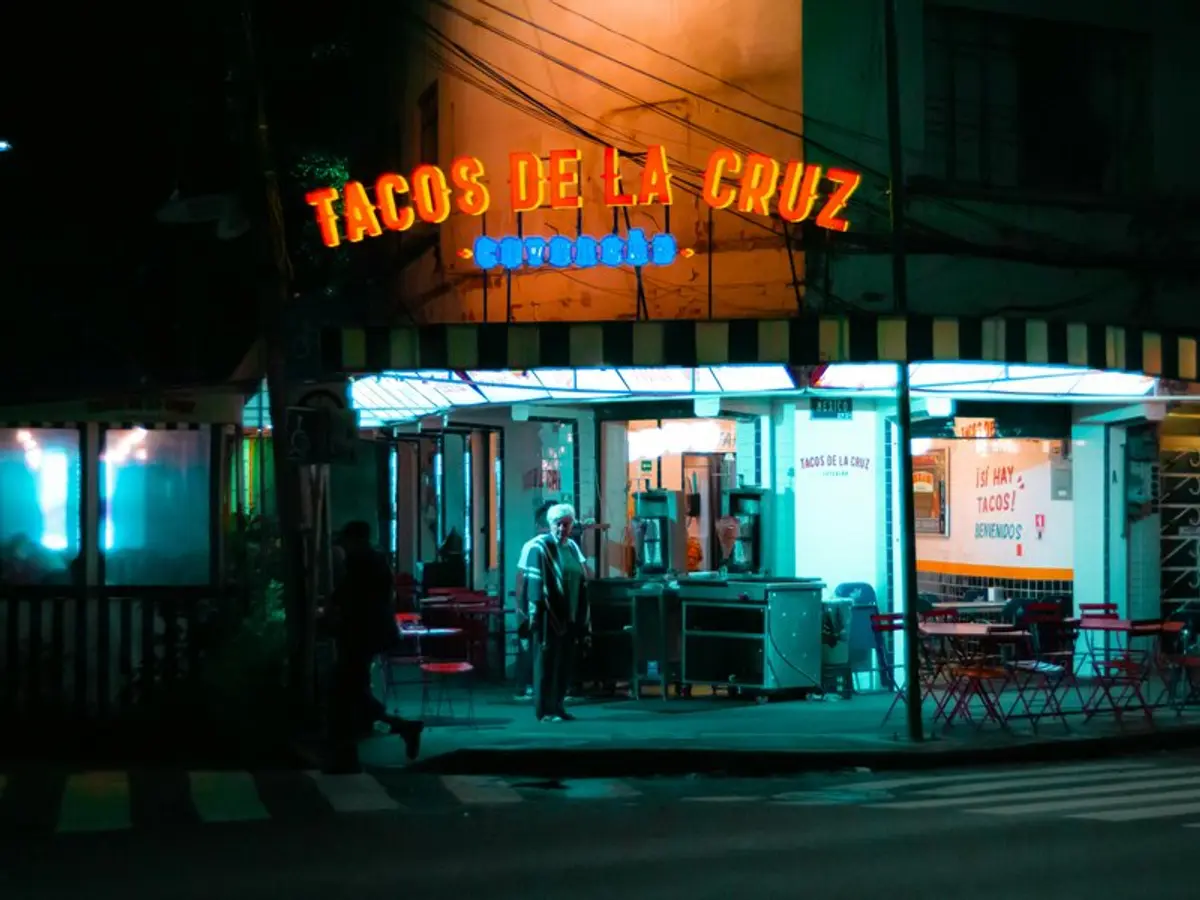
Mexico street food is one of the easiest reasons to travel well in the country. You can eat tacos al pastor in Mexico City, tlayudas in Oaxaca, tortas ahogadas in Guadalajara, and panuchos in Mérida for a fraction of what a sit-down meal would cost, usually with better flavor and more local character.
If you only want the short version, start with tacos al pastor, barbacoa, tlayudas, panuchos, elotes, and marquesitas. Pick busy stalls with high turnover, order what locals are already eating, carry small bills, and expect to spend roughly 15 to 40 MXN for most individual items.
This guide covers the foods actually worth seeking out, how to order, what street food costs in different cities, how to eat safely, and where each regional specialty makes the most sense on a real trip.
For a broader overview of Mexican cuisine, see our Mexico Food Guide. This post focuses specifically on street-level eating.
30-Second Answer
| Question | Short answer |
|---|---|
| What is the best street food in Mexico? | Tacos al pastor, barbacoa, tlayudas, panuchos, tortas ahogadas, elotes, and marquesitas are the safest bets for first-timers. |
| How much does street food cost in Mexico? | Most tacos, antojitos, and snacks cost about 15 to 40 MXN each, while a full fonda lunch usually costs 60 to 120 MXN. |
| Is Mexican street food safe? | Usually yes, if you choose busy stalls with visible cooking, fast turnover, and freshly handled toppings. |
| Which cities are best for street food? | Mexico City, Oaxaca, Mérida, Guadalajara, and San Cristóbal de las Casas are the best all-around street food cities for travelers. |
| What should first-timers avoid? | Empty stalls, food sitting in direct sun, giant menus, and ordering spicy salsa blindly on the first round. |
Best Street Food in Mexico by Trip Style
| If you want… | Start with… | Best place to try it |
|---|---|---|
| Famous classics | Tacos al pastor, barbacoa, elotes | Mexico City |
| Regional specialties | Tlayudas, memelas, chapulines | Oaxaca |
| Yucatán flavors | Panuchos, salbutes, marquesitas | Mérida |
| Richer comfort food | Tortas ahogadas, birria, tejuino | Guadalajara |
| Market-heavy local food | Tamales, Chiapas antojitos, atole | San Cristóbal de las Casas |
The Street Food Hierarchy: Stands, Markets, and Fondas
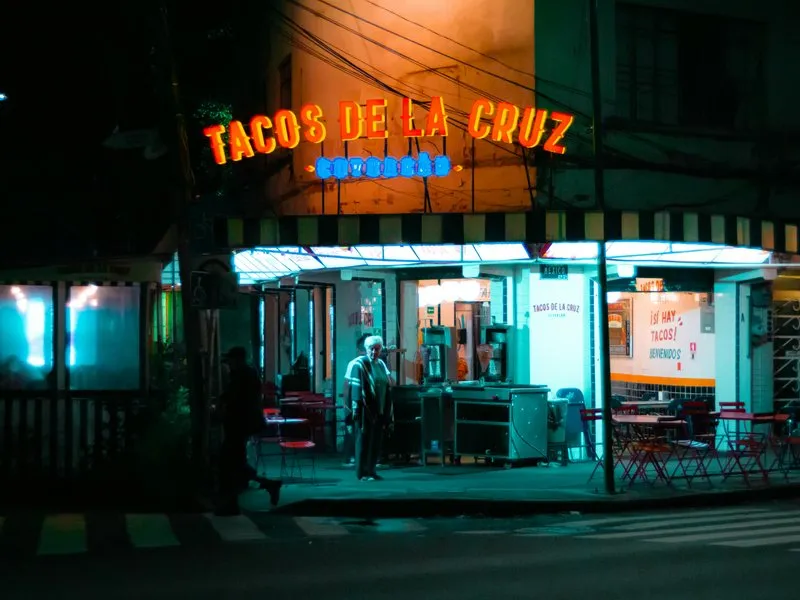
Not all street food is the same. Understanding where you’re eating changes what to order, what to expect, and how much to pay.
Taco Stands and Taquerías
The lowest-overhead, most specialized format. A taquería does one or two things extremely well — al pastor from the rotating spit, suadero in a big vat of fat, carnitas from a copper pot. Cash only, usually. You stand, eat quickly, and move on. The cook typically has years of practice making the same thing every day. This is where to find the purest expression of a single taco style.
Look for: a line of workers on their lunch break, a griddle that’s been going since 6am, handmade tortillas pressed fresh, and a salsa bar you help yourself from.
Market Stalls (Puestos de Mercado)
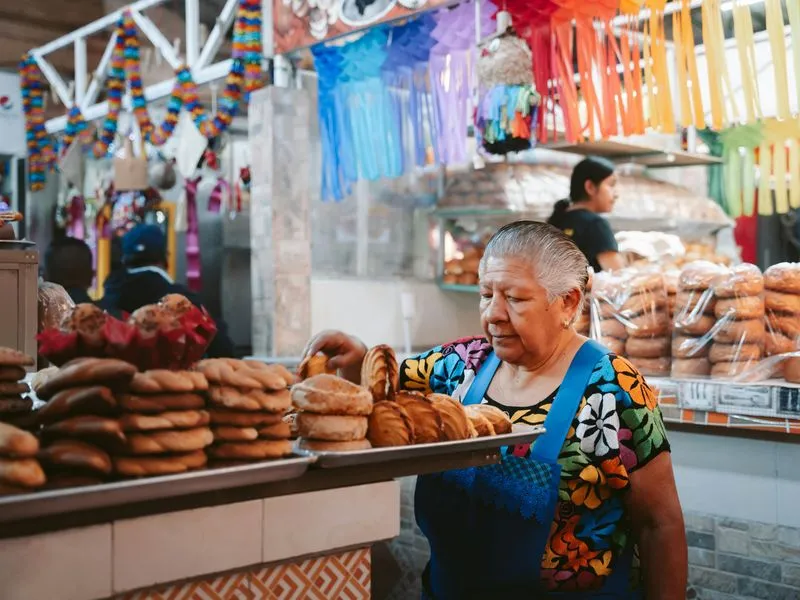
Covered mercados — Mercado de Jamaica, La Merced, Mercado 20 de Noviembre in Oaxaca — house dozens of individual stalls under one roof. A stall typically has stools, a broader menu, and a specific specialty. You might find one stall that only does tlayudas next to one that only does tasajo (dried salted beef). The atmosphere is loud, smoky, and completely authentic.
Markets are ideal for: exploring several things in one visit, eating comfortably with company, and finding regional specialties in concentrated form.
Fondas
The fonda is the underrated gem of Mexican street eating. It’s a small family-run spot — often just a few tables in someone’s living room, a converted storefront, or a dedicated stall in a market — that serves a fixed lunch menu called the comida corrida. For 60-120 MXN you typically get soup, a main dish, rice, beans, tortillas, and a drink. The menu changes daily based on what’s fresh.
Fondas serve lunch from around noon to 4pm and are usually gone after that. They cater to local office workers, teachers, and market vendors. The food is home-cooking at its best.
Best Street Foods by Type
Tacos: The Full Breakdown
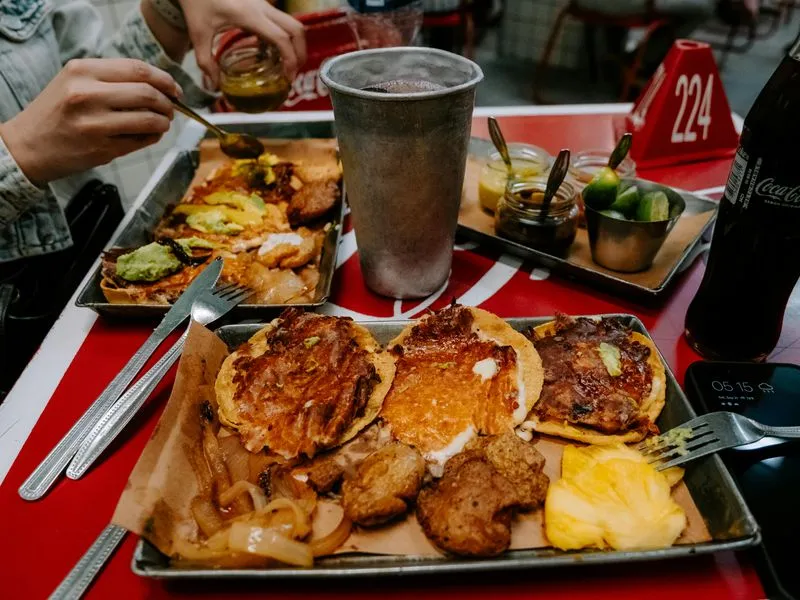
Mexico has dozens of distinct taco styles. Here are the ones worth understanding:
Tacos al Pastor The most famous. Pork marinated in dried chiles and achiote, stacked on a vertical spit (trompo) that’s been rotating for hours. The taquero shaves thin slices of meat directly onto a tortilla with a flick of a long knife, often catching a slice of pineapple from the top in the same motion. If you can see the trompo turning and the meat is properly caramelized on the edges, you’re in the right place. Cost: 20-35 MXN per taco.
Tacos de Canasta Basket tacos. Steamed inside a covered basket lined with plastic, which keeps them soft and moist. This is CDMX breakfast culture — bean, potato, or chicharrón filling, eaten standing up by 8am. The basket travels by bicycle or on foot from a central kitchen to corners around the city. One of the most affordable foods in Mexico: 10-15 MXN each.
Tacos de Guisado “Stewed filling” tacos. A row of cazuelas (clay pots) sits on a counter, each with a different slow-cooked filling — rajas con queso, picadillo, nopales, tinga, papas con chorizo. You point, they scoop onto a fresh tortilla. Usually 15-25 MXN, and you can mix two fillings for a little extra. Found at market stalls and small fondas throughout Mexico.
Tacos de Suadero A Mexico City specialty. Suadero is a thin cut of beef from between the hide and the rib — it cooks slowly in its own fat in a large flat-bottomed pot called a comal batea until it’s soft, slightly crispy at the edges, and incredibly rich. You won’t find it much outside CDMX. Around 25-30 MXN each.
Tacos de Barbacoa Available Saturday and Sunday morning only in most places — by noon they’re gone. Traditional barbacoa is lamb or beef cheek cooked overnight in an underground pit covered with maguey leaves. The result is impossibly tender, fall-apart meat served with consomé (the broth from the pit) on the side. This is serious breakfast food. 25-40 MXN per taco, plus consomé for 20-30 MXN extra.
Masa Snacks: Sopes, Huaraches, Memelas, Tlacoyos, Gorditas
These all start from the same place — masa (corn dough) — but diverge in shape, thickness, region, and filling:
Sopes — Small thick discs with pinched-up edges to hold toppings. Fried or griddled, then loaded with refried beans, shredded meat, salsa, crema, and cheese. CDMX and Central Mexico staple. 25-40 MXN.
Huaraches — Long oval masa cakes shaped like sandals (hence the name). Larger than a sope, usually filled with beans inside the masa, then topped. A full huarache is a meal. 40-60 MXN.
Memelas — Similar to huaraches but more common in Oaxaca and Puebla, often oval and slightly thicker. Sometimes topped simply with salsa and cheese, no meat.
Tlacoyos — Blue corn oval masa cakes stuffed inside with beans, cheese, or chicharrón. Pre-Hispanic origin. Often sold by women in traditional dress in CDMX’s La Merced market. 20-30 MXN.
Gorditas — “Little fat ones.” Thick masa rounds, deep-fried or griddled, then split open and stuffed with filling. Northern Mexico style uses wheat flour. Oaxacan style uses chapulines (grasshoppers). 20-35 MXN.
Corn: Elotes, Esquites, Tostadas
Elotes — Whole grilled corn on the cob. The vendor slathers it with mayo, sprinkles cotija cheese, adds lime and chili powder. The char from the grill is part of the flavor. Eat it standing — there’s no clean way. 20-30 MXN.
Esquites — The cup version of elote. Corn cut off the cob (or cooked loose), served in a cup with the same toppings plus lime juice. Easier to eat, equally good. 25-40 MXN. Some vendors add chile negro or epazote broth. Try both versions.
Tostadas — Flat, fried tortillas (completely dried out, not like a chip). Topped with beans, shredded chicken, ceviche, tinga, or carnitas — then salsa, crema, and cheese. Tostadas work because the crunch contrasts with soft toppings. Expect to drip. 20-30 MXN each.
Regional Must-Tries
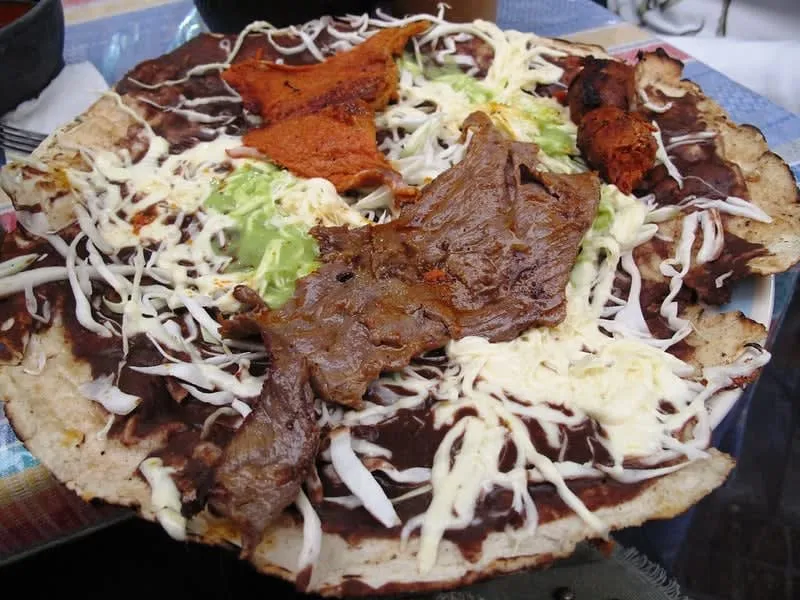
Tlayuda (Oaxaca) A large, partially dried, leathery tortilla — not quite crisp, not quite soft — smeared with black bean paste, quesillo (Oaxacan string cheese that melts in strips), tasajo or chorizo, and salsa. It’s the size of a pizza. One tlayuda is dinner for one person. At Mercado 20 de Noviembre in Oaxaca, the charcoal grills are going from 7pm onwards. 60-100 MXN.
See our full Oaxaca Travel Guide for where to find the best tlayudas.
Torta Ahogada (Guadalajara) “The drowned sandwich.” A birote salado (a specific Guadalajara-style hard roll — the local water and yeast give it a unique texture) stuffed with carnitas or pork, then drowned in a brick-red tomato-arbol chile sauce. You eat it in a bowl. You WILL get sauce on your shirt. 45-70 MXN. Local tip: ask for “media” (medium spicy) on your first try.
Panuchos and Salbutes (Yucatán) Two different things that tourists often confuse. A panucho is a fried tortilla stuffed with black beans inside, then topped with turkey or chicken, pickled red onion, and habanero salsa. A salbut is similar but without beans inside the tortilla and not pre-stuffed — lighter, puffier. Both are sold in markets in Mérida and around the Yucatán Peninsula. 15-25 MXN each.
Garnachas (Veracruz and Tabasco) Small thick masa rounds, fried crispy, topped with ground beef, pickled onion, and salsa verde. This is Veracruz street food — the port city influence shows in the lighter spice profile. 15-20 MXN each.
Guacamayas (Guanajuato) A sandwich that doesn’t sound special until you eat one. A bolillo roll split open, stuffed with chicharrón (fried pork skin) and dunked in a red chile salsa. Sold at street stalls near Guanajuato’s main market. The heat from the salsa soaks into the bread. 25-35 MXN.
Sweets: Churros, Marquesitas, Buñuelos, Nieve
Churros — Fried dough in star-shaped tubes, rolled in cinnamon sugar. Mexico’s version is thinner than Spanish churros and served with chocolate or cajeta (goat milk caramel) for dipping. Hot from the fryer is non-negotiable. 20-30 MXN.
Marquesitas (Mérida) — The Yucatán’s street dessert contribution is unique: a thin crispy rolled crepe filled with Edam cheese and your choice of sweet — chocolate, cajeta, Nutella, strawberry. The cheese and sweet combination sounds wrong and tastes right. A Mérida night market without marquesitas doesn’t exist. 35-55 MXN.
Buñuelos — Thin, flat fried dough discs drizzled with piloncillo (raw cane sugar) syrup or sprinkled with sugar and cinnamon. A Christmas and festival food but available year-round at fairs and markets. 20-30 MXN.
Nieve de Garrafa — Hand-cranked ice cream made in a large metal container packed with ice and salt. The traditional flavors are regional: rose petal in Oaxaca, tamarind in Guerrero, mamey in CDMX. Not the same as industrial ice cream — the texture is coarser and icier, and the flavors are intense. 25-45 MXN per scoop.
Drinks Worth Knowing
Aguas Frescas — Fresh fruit water, blended and strained. Common flavors: jamaica (hibiscus — deep red, slightly tart), tamarindo (sweet-sour), horchata (rice milk with cinnamon), melón. Sold in large glass jars at market entrances. 15-25 MXN per cup.
Tepache — Fermented pineapple rind drink, lightly alcoholic (typically under 2%). Slightly sour, slightly sweet, sold in small plastic bags or cups at some market stalls. Made by leaving pineapple rind with piloncillo to ferment for 2-3 days. 15-20 MXN.
Tuba — A Colima specialty, tuba is fermented coconut palm sap collected fresh daily. Sold from a clay pot by men in white who tap trees in the morning. Mildly sweet, slightly fizzy from natural fermentation. Distinctive and worth trying if you’re in Colima or coastal Jalisco. 20-30 MXN.
Atole — Warm corn-based drink thickened with masa harina, flavored with cinnamon, vanilla, or chocolate (then called champurrado). The traditional pairing for tamales at breakfast. More filling than it looks. 20-35 MXN.
Common First-Timer Mistakes
- Ordering the first empty stall you see. In Mexico, the line is often the review system.
- Showing up at the wrong hour. Barbacoa is usually a morning play, tacos al pastor peak later, and fondas are strongest at lunch.
- Assuming every taco style exists everywhere. Suadero is a Mexico City specialty, tortas ahogadas are a Guadalajara thing, and panuchos are Yucatán territory.
- Paying with a big bill. Many street vendors have limited change, especially early in the day.
- Going too hard on salsa immediately. Ask what is mild before you soak your first taco.
When to Eat Street Food in Mexico
Street food in Mexico follows the day more than a restaurant does.
- Early morning: tamales, atole, tacos de canasta, market breakfast stalls
- Late morning to lunch: fondas, tacos de guisado, tlacoyos, market comedores
- Afternoon: elotes, esquites, aguas frescas, sweets
- Evening to late night: tacos al pastor, tortas ahogadas, tlayudas, birria, late-night taco stands
If your trip is built around food, Mexico City and Oaxaca reward a full day of eating better than almost anywhere else.
Food Safety: The Real Talk
Most street food in Mexico is safe. The following signals tell you you’re in the right place:
Good signs:
- Long line of local workers (turnover is fast, food doesn’t sit)
- Visible cooking — food is being made in front of you, not held from earlier
- The cook is sweating from the heat of the grill (the grill is hot enough to kill anything)
- Limes and salsas are served fresh from small containers, not pre-made jugs sitting in the sun
- The stand is busy enough that ingredients cycle through quickly
Bad signs:
- Pre-made sauces in unlabeled bottles sitting in direct sun
- Cooked meat sitting uncovered at room temperature for an extended time
- Flies unchecked on food
- No visible cooking — everything is pre-assembled
The lime is not decoration. Squeeze it over everything. The acidity lowers pH on the food surface and discourages bacteria. It also tastes better.
The salsa rotation trick. Street vendors rotate their chile salsas constantly because they know fresh salsa is better and safer. If the salsa looks dried-out or separated, skip it.
For more practical travel advice, see our Mexico Travel Tips guide.
How to Order: Spanish Phrases That Actually Help
You don’t need fluent Spanish to eat well at Mexican street food stalls. Most vendors are experienced with foreign visitors and pointing always works. But these phrases help:
| Phrase | Meaning |
|---|---|
| ”¿Tiene algo sin carne?” | Do you have anything without meat? |
| ”¿Qué lleva esto?” | What does this have in it? |
| ”Con todo, por favor” | With everything (all the toppings) |
| “Sin picante, por favor” | Without spicy |
| ”¿Me pone uno de cada?” | Can I have one of each? |
| ”¿Cuánto cuesta?” | How much does it cost? |
| ”Uno más, por favor” | One more, please |
| ”¿Tiene tortillas de maíz?” | Do you have corn tortillas? (vs flour) |
Pointing at what the person next to you ordered is universally understood. Holding up fingers for quantity works everywhere.
Price Guide by City and Item
Prices below are 2025-2026 estimates in MXN. Tourist areas run 20-40% higher.
| Food | CDMX | Oaxaca | Mérida | Guadalajara | San Cristóbal |
|---|---|---|---|---|---|
| Taco al pastor | 25-35 | 20-30 | 20-28 | 22-30 | 18-25 |
| Taco de canasta | 10-15 | n/a | n/a | n/a | n/a |
| Taco de guisado | 20-30 | 18-25 | 18-25 | 20-28 | 15-22 |
| Barbacoa taco | 30-40 | 25-35 | 25-35 | 28-38 | 22-30 |
| Elote | 25-35 | 20-30 | 25-35 | 22-30 | 20-28 |
| Esquites | 30-40 | 25-35 | 30-40 | 28-38 | 25-35 |
| Tlayuda | n/a | 60-100 | n/a | n/a | n/a |
| Tamale | 25-40 | 20-35 | 25-35 | 22-35 | 18-30 |
| Comida corrida (fonda) | 80-120 | 70-110 | 75-115 | 80-120 | 60-90 |
| Agua fresca (cup) | 15-25 | 15-22 | 18-28 | 15-25 | 12-20 |
| Marquesita | n/a | n/a | 35-55 | n/a | n/a |
| Nieve de garrafa | 30-45 | 25-40 | 28-45 | 30-45 | 25-40 |
Best Street Food Cities in Mexico: Ranked
1. Mexico City (CDMX)
The largest, most diverse, most competitive street food scene in the country. Every region of Mexico has migrants here running stalls selling their home cuisine. You can eat Oaxacan tlayudas, Yucatecan panuchos, Veracruz garnachas, and Jalisco tortas ahogadas all within a few kilometers. Add CDMX-specific items (suadero, canasta tacos) and the city’s own taco culture, and you could spend a week eating only street food without repeating.
See our Mexico City Food Guide for neighborhood-by-neighborhood recommendations.
2. Oaxaca
Small city, enormous food reputation. The covered market at 20 de Noviembre is the starting point: dedicated sections for tlayudas, meats grilled over charcoal, and memelas. Add memelas from market vendors at dawn, tlayudas after dark, and Mercado Benito Juárez for chocolate and chapulines. Oaxaca has the highest density of quality per block of any Mexican city.
3. Mérida
The Yucatán capital has its own distinct cuisine that you won’t find elsewhere. The Sunday market at Parque Santa Lucía is free, enormous, and lined with salbut and panucho vendors, marquesita carts, poc chuc (grilled pork), and cochinita pibil (slow-roasted achiote pork, Yucatán’s most famous dish). The night markets in Centro are active almost every night.
4. Guadalajara
Birria, tortas ahogadas, tejuino (fermented corn drink), and a taco culture that differs noticeably from CDMX. The Mercado San Juan de Dios is the largest covered market in Latin America — it’s overwhelming but rewarding. Guadalajara’s street food is heavier, richer, and more focused on pork and offal than CDMX.
5. San Cristóbal de las Casas
Smaller scale but genuinely distinctive — Chiapas has its own traditions that don’t appear in other states. Tamales wrapped in banana leaves, chorizo unlike anything from further north, and the indigenous Tzotzil influence shows in the ingredients and preparation. The outdoor market on the edge of Centro runs daily from pre-dawn.
Book a Street Food Tour
If you want a guided introduction — a local who knows which stands have been operating for decades and can translate the entire salsa bar — a food tour is one of the best value experiences in Mexico. Guides typically take small groups to three to six stops in a neighborhood, explaining history and technique along the way.
Browse Mexico food tours on Viator →
Travel Insurance for Mexico
Street Food Calendar: When to Go
June is one of the best months for street food festivals across Mexico — regional food fairs, corn festivals, and outdoor markets align with the pre-rainy season calendar. See our Mexico in June guide for specific events and timing.
Final Notes
Street food in Mexico rewards curiosity and basic observation skills. Look for the stall where locals are lined up before the doors open. Follow the vendors who have been in the same spot for twenty years. Try the thing you can’t identify before asking what it is — you’ll usually be glad you did.
The food isn’t a tourism product. It’s what people eat every day because it’s good, affordable, and convenient. The best experience is not the food tour with the Instagram backdrop — it’s the basket taco eaten standing on a sidewalk at 7am next to someone heading to work.
Related Guides:
- Mexico Food Guide — the full cuisine overview
- Mexico City Food Guide — neighborhood by neighborhood
- Oaxaca Travel Guide — markets, mezcal, and tlayudas
- Things to Do in Guadalajara — tortas ahogadas, tejuino, and market stops
- Merida Travel Guide — panuchos, salbutes, and marquesitas
- Mexico Travel Tips — practical advice for first visits