25 Best Things to Do in Chihuahua City, Mexico (2026 Guide)
Chihuahua City is the best 1- to 2-night base for revolutionary history, northern Mexican food, and the first leg of the Copper Canyon route. If you only have one full day, prioritize the Pancho Villa Museum, Palacio de Gobierno, Quinta Gameros, and a carne asada dinner. If you have a second day, add Paquimé or Cuauhtémoc rather than stretching your stay only inside the center.
This guide covers the 25 best things to do in Chihuahua City, Mexico, with the fastest picks for first-timers, El Chepe travelers, and anyone deciding whether Chihuahua City is worth more than an overnight stop.
Quick links: Chihuahua City travel guide | Mexico City to Chihuahua | Day trips from Chihuahua City | Creel guide | Copper Canyon guide
Chihuahua City in 30 Seconds
| If you want… | Best move |
|---|---|
| The best single day in the city | Do Cathedral, Palacio de Gobierno, Pancho Villa Museum, Quinta Gameros, then dinner at Los Pacos |
| The best stop before El Chepe | Sleep near the center, take a 15-minute Uber to Estación Chihuahua before 5:15 AM, and do only a light historic-center walk the evening before |
| The best history-focused plan | Prioritize Pancho Villa Museum, the Hidalgo dungeon, Palacio de Gobierno murals, and Casa Chihuahua |
| The best day trip | Paquimé + Mata Ortiz for archaeology and pottery, or Cuauhtémoc if you want the shortest cultural day trip |
| Whether Chihuahua City is worth it | Yes, for 1 to 2 nights. It is more useful as a northern-history and Copper Canyon gateway than as a long colonial-city stay |
Activity Quick Reference
| # | Activity | Category | Cost | Time Needed |
|---|---|---|---|---|
| 1 | Museo Pancho Villa (Quinta Luz) | History | 100 MXN | 1.5–2 hrs |
| 2 | Cathedral of Chihuahua | Architecture | Free | 30–45 min |
| 3 | Palacio de Gobierno + Piña Mora murals | History/Art | Free | 45–60 min |
| 4 | Dungeon of Miguel Hidalgo | History | Free | 20–30 min |
| 5 | Quinta Gameros | Art/Architecture | 80 MXN | 1–1.5 hrs |
| 6 | Casa Chihuahua / Palacio Federal | History | Free | 30 min |
| 7 | Calle Libertad pedestrian walk | Urban | Free | 45 min |
| 8 | Mercado Municipal breakfast | Food | 40–80 MXN | 1 hr |
| 9 | Centro Histórico exploration | Urban | Free | 2–3 hrs |
| 10 | Parque Lerdo & Río Chuvíscar | Park | Free | 1–2 hrs |
| 11 | Carne asada at Los Pacos | Food | 150–300 MXN | 1.5 hrs |
| 12 | Discada at a northern restaurant | Food | 150–200 MXN | 1.5 hrs |
| 13 | Machacado breakfast experience | Food | 50–80 MXN | 45 min |
| 14 | Queso menonita & Mennonite goods | Shopping | 80–300 MXN | 1 hr |
| 15 | Tarahumara crafts shopping | Shopping | 50–500 MXN | 1 hr |
| 16 | El Chepe train experience | Transport/Adventure | $60–130 USD | Half or full day |
| 17 | Cuauhtémoc & Mennonite villages | Day Trip | 100–300 MXN | Half day |
| 18 | Paquimé UNESCO ruins | Day Trip | 95 MXN entry | Full day |
| 19 | Mata Ortiz pottery village | Day Trip | Travel only | Full day (combine with 18) |
| 20 | Hidalgo del Parral | Day Trip | Travel only | Full day |
| 21 | Cascadas de Basaseachi | Day Trip | 50 MXN entry | Full day |
| 22 | Creel & Copper Canyon gateway | Day Trip | El Chepe ticket | Full day |
| 23 | Charreada (Mexican rodeo) | Culture | 80–200 MXN | 2–3 hrs |
| 24 | Sunday tianguis at Plaza Zaragoza | Market | Free to browse | 2 hrs |
| 25 | Museo Regional de Chihuahua | History | 80 MXN | 1–1.5 hrs |
Historic Sites
1. Museo Pancho Villa (Quinta Luz) — The City’s Most Important Stop
The Museo Ojo de la Riva — known as the Museo Pancho Villa or Quinta Luz — is the actual home where Francisco “Pancho” Villa and his widow Luz Corral lived. She remained here until her death in 1981; the house is preserved exactly as they left it.
The centerpiece is the 1919 Dodge touring car riddled with 150 bullet holes from the ambush at Hidalgo del Parral on July 20, 1923. The scale of the bullet damage is shocking in person — this wasn’t a quick drive-by but an organized military-grade assault. The División del Norte, a massive steam locomotive used to move Villa’s army through northern Mexico during the Revolution, sits in the courtyard alongside saddles, weapons, photographs, and personal effects.
Villa’s bedroom, Luz Corral’s bedroom, and his personal office are intact. The kitchen is original early-20th-century. No English signage, but the exhibits speak for themselves.
Entry: 100 MXN (~$5 USD)
Hours: Tue–Sat 9 AM–7 PM, Sun 9 AM–5 PM
Address: Calle 10a Norte 3010, Colonia Santa Rosa (10-min Uber from Cathedral, ~60 MXN)
Time needed: Minimum 1.5 hours; don’t rush this one
2. Cathedral of Chihuahua
The Catedral de Chihuahua on Plaza de Armas is the anchor of the historic center — 64 years of construction (1725–1789) with one of the finest baroque stone facades in northern Mexico. The twin towers and carved portal took generations of artisans. The interior is relatively plain by Mexican cathedral standards, but the main altarpiece and the scale of the nave are worth seeing.
Entry: Free
Hours: Daily 7 AM–8 PM
The Plaza de Armas surrounding the cathedral is the main gathering point. Street food vendors — gorditas de harina, local sweets, fresh juices — operate throughout the day.
3. Palacio de Gobierno — Piña Mora Murals
The government palace on the main plaza houses a series of dramatic murals by Chihuahuan artist Aarón Piña Mora covering the full history of the state: pre-Hispanic Rarámuri and Paquimé cultures, the Spanish conquest, the colonial mining era, Father Hidalgo’s imprisonment and execution, and the Revolution. The Revolutionary scenes — Villa’s troops, northern Mexico’s contribution to independence from Díaz — are painted with the intensity of someone telling their family’s story.
These murals are not Rivera or Siqueiros in fame, but they’re substantive works that belong in the same category. The execution of Hidalgo scene is particularly raw.
Entry: Free
Hours: Mon–Fri 8 AM–8 PM, weekends 9 AM–6 PM
4. Dungeon of Miguel Hidalgo
Adjacent to the Palacio de Gobierno, the small cell where Father Miguel Hidalgo y Costilla was imprisoned from April to July 1811 before his execution is open as a separate exhibition. Hidalgo — the parish priest who rang the Dolores bell in 1810 and launched Mexican independence — was captured, brought to Chihuahua, tried, defrocked, and shot. His head was kept on public display for 10 years as a warning.
The cell itself is tiny. The exhibition contextualizes the entire first independence movement, making this an important stop for anyone interested in Mexican history beyond surface-level sightseeing.
Entry: Free (same building as Palacio de Gobierno)
5. Quinta Gameros — Chihuahua’s Art Nouveau Palace
Built between 1907 and 1910 by mining baron Manuel Gameros for his wife, the Quinta Gameros is one of the most architecturally significant buildings in northern Mexico — a French Renaissance Art Nouveau mansion in the middle of a desert city. Gameros commissioned European artisans and materials; the building was never actually inhabited by the family (the Revolution interrupted their return from Europe) and was eventually turned over to INAH.
The interiors are remarkable: Tiffany-style stained glass, painted ceilings, period furniture, and Art Nouveau ironwork. The contrast with the surrounding buildings is jarring — this is a Parisian mansion dropped into Chihuahua.
Entry: 80 MXN (~$4 USD)
Hours: Tue–Sun 10 AM–2 PM, 4 PM–7 PM
Address: Paseo Bolívar 401, near the historic center
6. Casa Chihuahua / Palacio Federal
The Palacio Federal — now home to the Casa Chihuahua cultural center — is the site of Father Hidalgo’s execution on July 30, 1811. The execution courtyard is accessible; interpretive panels document the trial, defrocking, and execution of Mexico’s independence movement leaders here. The building is also where Benito Juárez and his government took refuge during the French Intervention (1864–1866).
Entry: Free
Hours: Mon–Fri 9 AM–6 PM
Neighborhood Walks & Urban Exploration
7. Calle Libertad Pedestrian Street
The pedestrian street running between Plaza de Armas and Plaza Hidalgo is the best concentrated stretch of the historic center. Cafés, restaurants selling northern food, craft shops with Tarahumara and Mennonite goods, and street vendors occupy the stretch. Walk it in the late afternoon (5–7 PM) when it’s most active — office workers, students, and families fill it in a way that feels genuinely local.
Entry: Free
8. Mercado Municipal — Best Breakfast in Town
The Mercado Municipal is where Chihuahua eats breakfast. Arrive by 7 AM for the full market experience: stalls selling machacado con huevo (dried beef scrambled with eggs, the northern Mexican breakfast), gorditas de harina, burritos de frijoles, fresh cheese, and the chile-heavy salsas of northern Mexico.
The market is also the main place to buy queso menonita (Mennonite cheese) in block form, dried beef for machacado, and locally made sweets.
Entry: Free to enter; budget 40–80 MXN for a full breakfast
Hours: Daily from approximately 6 AM
9. Centro Histórico Walking Circuit
The historic center is compact enough to cover on foot in 2–3 hours. The standard circuit:
- Plaza de Armas → Cathedral → Palacio de Gobierno (murals + dungeon)
- North on Calle Libertad → street food, shops
- Plaza Hidalgo → smaller, quieter, with the Palacio Federal (Casa Chihuahua)
- Side street to Quinta Gameros (10-minute walk southeast from Plaza Hidalgo)
- Return via Paseo Bolívar — Chihuahua’s main boulevard, lined with colonial and early-20th-century buildings
Entry: Free (individual museums have their own fees)
Tip: Do the walking circuit before noon; Chihuahua gets hot in the afternoon
10. Parque Lerdo & Río Chuvíscar
Parque Lerdo is the main urban park — trees, benches, weekend food vendors, and a section along the Río Chuvíscar with a walking path. It’s not spectacular but it’s where local families spend Sunday mornings. The river corridor offers a break from the urban heat in the dry season.
Entry: Free
Food & Drink
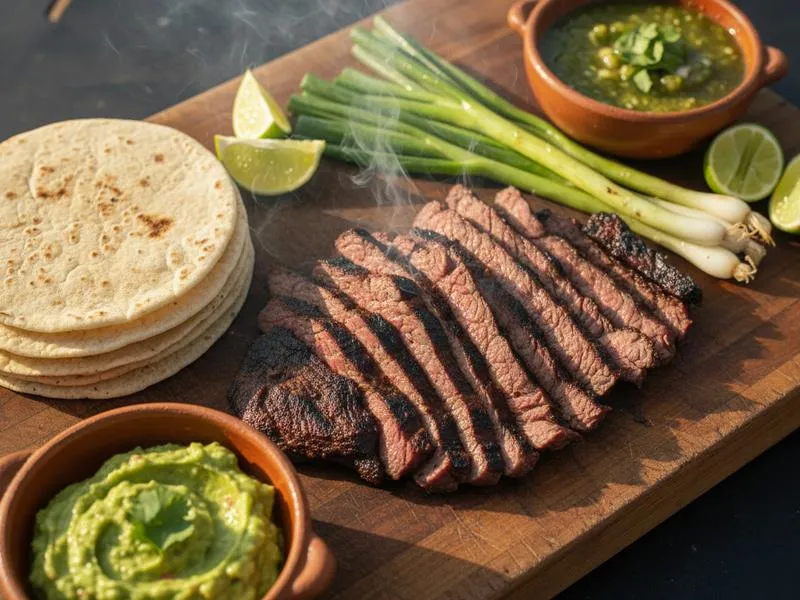
Chihuahua is the beef capital of Mexico — where ranching culture, Mennonite farming, and proximity to the US border created a food identity completely distinct from central Mexican cuisine.
11. Carne Asada at Los Pacos
Carne asada in Chihuahua is not what you get in a Tex-Mex restaurant. The northern Mexican version is a ceremonial meal — thinly sliced beef grilled over mesquite wood, served with flour tortillas (not corn), frijoles machacados (refried pinto beans), guacamole, and a habanero salsa that’ll demand a Carta Blanca chaser.
Los Pacos on Calle Aldama 417 has been doing this for 50+ years on a wood fire. Order the carne asada platter for 2 (200–350 MXN); it comes with everything. Arrive at 7 PM when the grill is fully hot.
Other options: La Vaca Negra (Centro) for upscale northern cuts; any neighborhood restaurant advertising “carne a la tampiquena” or “discada” will do it right
Budget: 150–300 MXN per person
12. Discada — The Plow Disc Meal
Discada is Chihuahua’s most distinct dish: a mixed-meat hash of beef, pork sausage (chorizo), bacon, ham, and sometimes peppers, cooked in a repurposed agricultural plow disc (disco). The disc’s curved shape retains fat and liquid in the center while crisping edges — the result is something between a braise and a fry, intensely savory.
It’s served with flour tortillas and eaten like a DIY taco bar. Ask for it at any restaurant advertising northern Mexican food; it’s often not on the printed menu but always available.
Budget: 150–200 MXN per person
13. Machacado Breakfast
Machacado con huevo is the northern Mexican breakfast. Dried, shredded beef (machacado) is rehydrated in a pan, then scrambled with eggs, tomato, chile, and onion into a hearty, protein-rich plate served with flour tortillas and frijoles. Best at the Mercado Municipal or at a simple fonda (home-style restaurant) before 9 AM.
Budget: 50–80 MXN
14. Queso Menonita & Mennonite Goods
The Mennonite communities of Cuauhtémoc (100km west) supply most of northern Mexico’s dairy. Queso menonita — also called queso Chihuahua — is a mild, yellow, semi-soft cheese that melts beautifully and tastes something like mild cheddar crossed with young gouda. It’s sold throughout the city in blocks for 80–120 MXN per kilo.
Find it at the Mercado Municipal, supermarkets, and specialty shops on Calle Libertad. Mennonite vendors also sell butter, cream, and occasionally handmade wooden furniture and textiles in local markets.
Budget: 80–300 MXN depending on quantity
15. Tarahumara Crafts Shopping
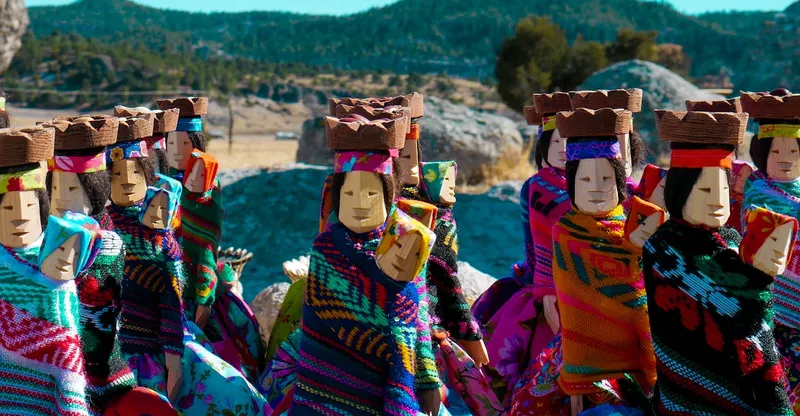
The Rarámuri (Tarahumara) people of the Copper Canyon region sell handwoven baskets, textile belts, wooden carved figures, and handmade instruments through city shops and market stalls. The baskets in particular — woven from pine needles and sotol plant fiber in geometric patterns — are functional art. Prices are low (50–500 MXN for quality work) bought directly from artisans or craft stalls.
Look for Tarahumara goods at the Mercado Municipal, Calle Libertad shops, and at the train station if you’re heading to the canyon. Authentic pieces are signed or have a small tag indicating the community of origin.
El Chepe Train
16. Board the El Chepe — The Country’s Greatest Train Journey
The Ferrocarril Chihuahua Pacífico (El Chepe) is one of Latin America’s great train journeys — 653km from Chihuahua City across the Sierra Madre Occidental to Los Mochis on the Pacific coast, descending through 86 tunnels and 37 bridges into the Copper Canyon system. Most travelers do segments, not the full route.
Departure from Chihuahua City: Estación Chihuahua, 4km from the historic center (15-min Uber)
| Detail | El Chepe Express | El Chepe Regional |
|---|---|---|
| Days | Tue, Thu, Sat | Tue, Thu, Sat |
| Departure | 6:00 AM | 6:00 AM |
| Class | First class | Economy + 1st |
| Creel arrival | ~10:30 AM | ~1–2 PM |
| Chihuahua→Creel fare | ~$60–70 USD | ~$25–35 USD |
| Booking | chepe.mx | chepe.mx or at station |
The practical decision: Most independent travelers take the Express to Creel (4hr), spend 2–4 days exploring Copper Canyon, then return by bus or take the Regional back. One-way Chihuahua→Creel on Express + a few canyon days + bus back is the standard trip.
Book Express tickets at least 2–3 weeks ahead in high season (Oct–Feb). The Regional rarely sells out.
→ Full logistics in our Copper Canyon travel guide and Creel guide
Day Trips from Chihuahua City
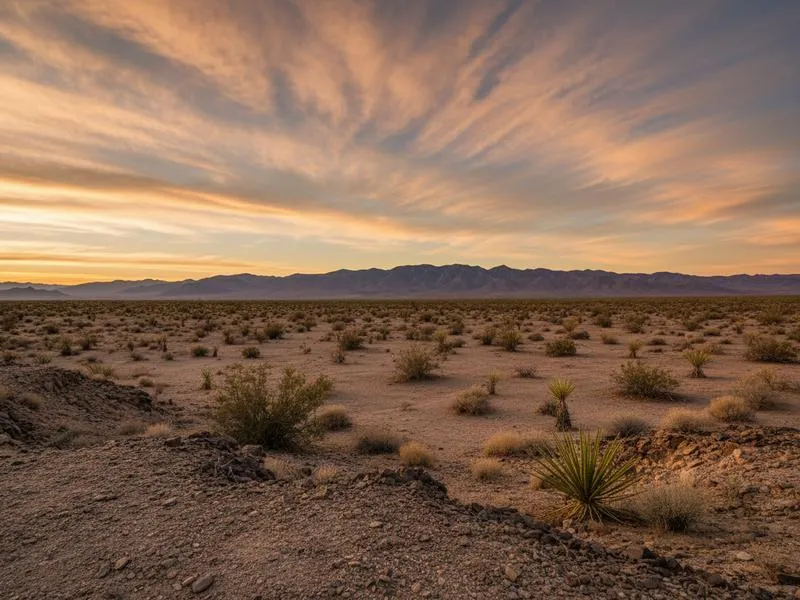
| Destination | Distance | Drive | Best For |
|---|---|---|---|
| Cuauhtémoc (Mennonites) | 100 km | 1 hr | Cultural contrast, cheese factories |
| Hidalgo del Parral | 230 km | 2.5 hrs | Pancho Villa assassination site |
| Cascadas de Basaseachi | 260 km | 3 hrs | Mexico’s second-tallest waterfall |
| Paquimé / Casas Grandes | 300 km | 3 hrs | UNESCO ruins, pre-Columbian North America |
| Mata Ortiz | 335 km | 3.5 hrs | Pottery village (combine with Paquimé) |
| Creel / Copper Canyon | 300 km by car | 3.5 hrs driving / 4 hrs El Chepe | Canyon base, pine forests, Rarámuri culture |
17. Cuauhtémoc — The Mennonite World
100km west, 1hr drive. The Old Colony Mennonites arrived in Chihuahua from Canada and Russia in 1922, having been granted land and autonomy by President Obregón. Today, the farmland around Cuauhtémoc is one of the most productive agricultural zones in northern Mexico — and one of the most culturally jarring experiences in the country.
The Mennonite communities speak Plautdietsch (Low German) as their first language, drive horse-drawn buggies, and operate cheese factories that supply queso menonita to all of Mexico. Several factories offer tours; ask in Cuauhtémoc’s town center. The Campo 67 community (30km from Cuauhtémoc) is the most accessible for visitors.
Entry: Free; cheese factory tours 50–100 MXN
18. Paquimé / Casas Grandes — UNESCO Ruins
300km northwest, 3hr drive. Paquimé is a UNESCO World Heritage Site (1998) representing the largest pre-Columbian urban settlement in northern Mexico — 2,000+ rooms, multi-story adobe architecture, ball courts, duck pens (the first domesticated ducks in North America), macaw aviaries, and water channels. It functioned as a trading hub between the Mesoamerican civilizations of the south and the Pueblo cultures of what is now New Mexico and Arizona.
The Museo de las Culturas del Norte adjacent to the ruins has exceptional exhibits: Casas Grandes polychrome pottery (geometric black, red, and white patterns), human effigy vessels, shell ornaments, and a full reconstruction of how the urban center functioned.
Entry: 95 MXN (ruins + museum, combined)
Hours: Tue–Sun 8 AM–5 PM
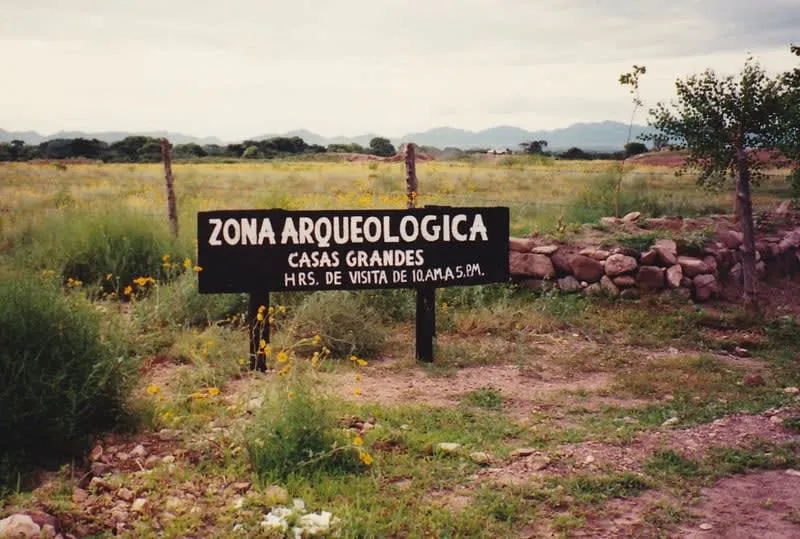
19. Mata Ortiz — Living Pottery Tradition
35km south of Paquimé. The village of Mata Ortiz has 300+ potters working in pre-Hispanic Casas Grandes geometric styles — a tradition revived in the 1970s by farmer and self-taught potter Juan Quezada, who taught himself to recreate the ancient forms from potsherds in the desert. The work is internationally recognized as some of the finest contemporary craft pottery in the Americas.
Buying directly from artists in Mata Ortiz costs $30–300 USD per piece. The same work in US galleries or museum shops costs 5–10× more. Every potter signs their work; authentication is straightforward.
Combine Paquimé + Mata Ortiz in one full day — they’re a natural pair.
20. Hidalgo del Parral — Villa’s Assassination Site
230km south, 2.5hr drive. On July 20, 1923, Pancho Villa was ambushed and killed in Parral as his Dodge pulled out of the Río Nazas bank. The spot where the assassination occurred is marked; the Museo Francisco Villa is at the exact site. Parral is also a historic silver mining city — the Palacio Municipal, Teatro Hidalgo, and the Templo de la Virgen del Rayo are colonial-era. Budget half a day minimum.
21. Cascadas de Basaseachi
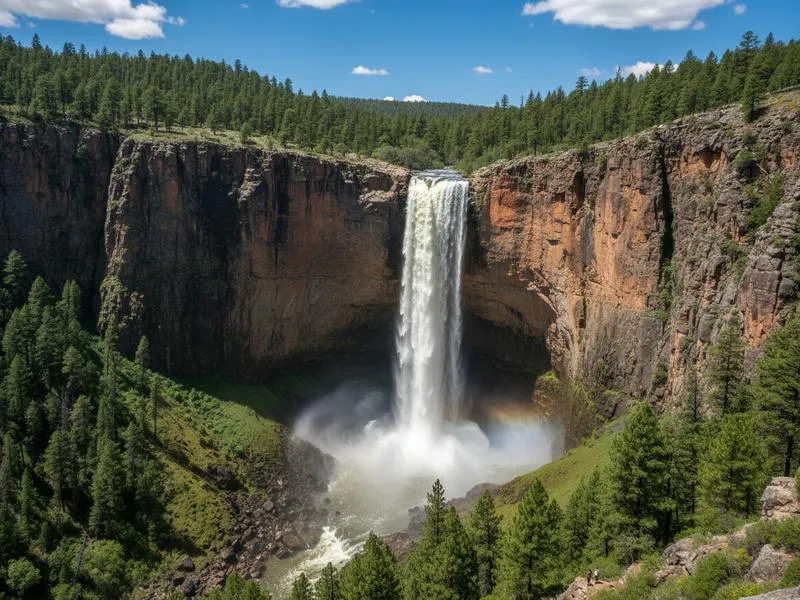
260km west, 3hr drive. At 246 meters, Basaseachi Falls is Mexico’s second-tallest waterfall (some seasons claim it as tallest, depending on measurement). It sits in the Sierra Madre forest in Basaseachi National Park — pine and oak forest, trails to the canyon rim and base, and isolation that makes it feel genuinely remote.
The falls are most powerful June–September during the rainy season. March–May they’re visible but reduced. Access requires a car; there’s no reliable public transport.
Entry: 50 MXN national park fee
22. Creel & the Copper Canyon Gateway
300km by car (3.5hr drive) or 4hr on El Chepe train. Creel is the main base town for Copper Canyon exploration — a small lumber and tourism hub at 2,400m elevation in pine forest at the canyon rim. From Creel you access:
- Valle de los Hongos — mushroom-shaped rock formations, easy walk (80 MXN)
- Lago Arareko — clear mountain lake 7km from town (50 MXN entry)
- Cascada Cusarare — 30m waterfall 22km away, past the Jesuit mission
- Barranca de Urique lookout — full canyon view, deepest point 1,879m below the rim
→ Full guide: Creel, Chihuahua
Culture & Entertainment
23. Charreada — Mexican Rodeo
The charreada is Mexico’s national sport — a formal equestrian competition tracing its roots to 16th-century Spanish-Mexican cattle ranching culture. Chihuahua has a strong charro tradition; the Lienzo Charro (rodeo arena) north of the historic center hosts competitions, typically on Sundays from September through April.
The format: 9 disciplines including cala de caballo (precision horse reining), piales (roping the horse’s hind legs while running), and the signature escaramuza charro — women performing synchronized equestrian drills in traditional china poblana dresses at full gallop. The escaramuza is worth the entrance fee alone.
Entry: 80–200 MXN
When: Sundays, September–April (check local listings; no fixed schedule published online)
Where: Ask your hotel for the current Lienzo Charro location
24. Sunday Tianguis at Plaza Zaragoza
The Sunday tianguis (outdoor market) near Plaza Zaragoza brings together street food, used clothing, craft goods, tools, and the unhurried social life of a northern Mexican Sunday. It’s not a tourist market — it’s where the city shops on a day off. Arrive by 8 AM for the best food stalls.
Entry: Free
When: Sundays 7 AM–2 PM
25. Museo Regional de Chihuahua
The Museo Regional (also known as the Quinta Gameros — see Activity 5 above — or as a separate building depending on current INAH configuration) covers Chihuahua’s pre-Hispanic history with collections from Paquimé and the Sierra Madre cultures. If the Quinta Gameros is your main architectural stop, the Museo Regional fills in the archaeological context that makes Paquimé more meaningful.
Entry: 80 MXN
Hours: Tue–Sun 10 AM–6 PM
Free Activities in Chihuahua City
| Activity | Why It’s Worth Your Time |
|---|---|
| Palacio de Gobierno murals | Piña Mora’s revolutionary murals rival anything in Mexico City — and entry is free |
| Cathedral of Chihuahua | 64-year baroque construction, one of the finest in northern Mexico |
| Dungeon of Miguel Hidalgo | Father Hidalgo’s cell — a genuinely moving piece of Mexican independence history |
| Casa Chihuahua / Palacio Federal | Hidalgo’s execution site; also where Juárez governed during the French Intervention |
| Calle Libertad evening walk | The pedestrian street at its most alive 5–7 PM |
| Plaza de Armas people-watching | The social center of the city — free, excellent people-watching with street food nearby |
| Parque Lerdo morning walk | Early-morning joggers, families, the unhurried pace of a northern Mexican city |
| Sunday tianguis | Real city market life — free to browse, cheap to eat |
Seasonal Activity Calendar
| Season | Conditions | What’s Open/Best |
|---|---|---|
| March–May | Warm 22–28°C days, cool nights; dry | Best for city + Paquimé; Basaseachi reduced flow but accessible |
| June | Hot 30–35°C, early rainy season | El Chepe on schedule; Basaseachi picking up |
| July–August | Hot, afternoon thunderstorms | Canyon gorges flooding; El Chepe delays possible; charreada season active |
| September–October | Perfect 18–25°C, post-rain green | Best overall — canyon green, skies clear, Basaseachi full, charreada season |
| November–December | Cool 10–20°C | Good; Creel getting cold; Chihuahua City pleasant |
| January–February | Cold 3–15°C, snow at altitude | Snow at Creel (spectacular); Chihuahua City mild; El Chepe high season — book ahead |
Getting Around Chihuahua City
- Uber works reliably and is the recommended option. Expect 40–80 MXN center-to-center; 60 MXN to the train station or Pancho Villa Museum.
- Taxis: Available but negotiate the fare before getting in. Use the fixed-rate kiosk at the airport.
- Walking: The historic center (Cathedral, Palacio, Calle Libertad, Quinta Gameros) is compact and walkable in the daytime. The Pancho Villa Museum is a 10-min Uber from the Cathedral — walk it if you want, but the route passes through unremarkable neighborhoods; Uber is easier.
- Car rental: Essential for Paquimé, Cuauhtémoc, Basaseachi, and Parral. International agencies at CUU airport. Book a mid-size or SUV if heading toward the sierra roads.
Budget Guide
| Travel Style | Daily Budget (USD) | What It Covers |
|---|---|---|
| Budget | $40–55 | Guesthouse, market meals, museum entries, Uber transport |
| Mid-range | $55–90 | Hotel El Gobernador class, restaurant dinners, day trips by car |
| Comfortable | $90–140 | Best hotel options, El Chepe Express ticket, guided tours, Paquimé day trip |
Note: El Chepe tickets ($60–130 USD), car rental for day trips (~$40–60 USD/day), and Paquimé entry (95 MXN) are separate from daily hotel/food costs.
The Northern Exploration Cluster
Chihuahua City is the hub of northern Mexico’s most compelling travel corridor:
- Mexico City to Chihuahua — flights, overnight bus, Terminal Norte guide, El Chepe connection timing
- Day Trips from Chihuahua City — Paquimé, Mennonite colony, Creel, Parral, Basaseachi — all logistics
- Copper Canyon Travel Guide — El Chepe logistics, Rarámuri culture, canyon stops ranked
- Creel, Chihuahua — the main canyon base at 2,400m
- Paquimé / Casas Grandes — UNESCO ruins full guide
- Guachochi — Pueblo Mágico at the canyon’s south rim
- Batopilas — colonial silver town at the canyon bottom (1,000m elevation)
- Northern Mexico Travel Guide — the full region
Also useful: Is Mexico Safe? | Mexico Entry Requirements | Mexico Packing List
Plan Your Trip
Tours and Experiences: Guided Pancho Villa history tours, El Chepe packages, Copper Canyon adventure trips, and Paquimé excursions:
Browse Chihuahua City tours on Viator →Car Rental: A rental car opens up Paquimé (UNESCO ruins), Cuauhtémoc’s Mennonite communities, Cascadas de Basaseachi, and Hidalgo del Parral. Compare rates at CUU Airport:
Compare car rentals at Chihuahua Airport →Travel Insurance: Chihuahua State carries a Level 3 US advisory. Choose travel insurance that explicitly covers emergency medical care and evacuation in higher-advisory regions: