
Things to Do in La Paz Baja California 2026: 25 Best Activities & Day Trips
La Paz is the capital of Baja California Sur — a city of 250,000 people on a calm bay of the Sea of Cortez, 177km north of Los Cabos. Jacques Cousteau called the Sea of Cortez “the world’s aquarium,” and La Paz is your access point to it. Whale sharks, sea lions, manta rays, whale watching, kayaking through UNESCO island chains — marine wildlife here operates at a scale you don’t find anywhere else on the Pacific coast. This guide covers 25 things to do, from the unmissable (whale shark snorkeling) to the underrated (chocolate clam tasting, sunrise kayak to El Mogote), with real prices and honest seasonal advice.
Activity Overview
| # | Activity | Category | Cost (approx.) | Best Season |
|---|---|---|---|---|
| 1 | Whale shark snorkeling | Wildlife | $65–95 USD/person | Oct–May |
| 2 | Sea lions at Los Islotes | Wildlife | $45–70 USD (boat) | Year-round |
| 3 | Espíritu Santo Island day | Island | $60–90 USD | Oct–May |
| 4 | Balandra Beach | Beach | Free | Year-round |
| 5 | Kayaking the Bay | Water sport | $20–35 USD/half day | Oct–May |
| 6 | SCUBA diving | Diving | $80–120 USD/2-tank | Year-round |
| 7 | Whale watching | Wildlife | $65–90 USD | Dec–Mar |
| 8 | Kitesurfing at La Ventana | Water sport | Lessons $80–120 | Nov–Mar |
| 9 | Sportfishing | Fishing | $200–400 USD charter | Year-round |
| 10 | Malecón sunset walk | Sightseeing | Free | Year-round |
| 11 | Chocolate clam tasting | Food | 100–200 MXN | Year-round |
| 12 | Mercado Municipal | Food/Culture | Free entry | Year-round |
| 13 | Museo de las Californias | Museum | Free | Year-round |
| 14 | Museo de Ballenas | Museum | Free | Year-round |
| 15 | La Catedral de La Paz | Culture | Free | Year-round |
| 16 | Snorkeling Tecolote Beach | Snorkel | $15–25 USD rental | Oct–May |
| 17 | Stand-up paddleboarding | Water sport | $15–20 USD/hour | Oct–May |
| 18 | Sunset sailing cruise | Sailing | $45–70 USD | Year-round |
| 19 | El Mogote sandbar kayak | Kayak | Included in kayak | Oct–May |
| 20 | Birdwatching at El Mogote | Nature | Free (own kayak) | Nov–Mar |
| 21 | Todos Santos day trip | Day trip | $5–15 USD bus | Year-round |
| 22 | Loreto day trip | Day trip | $15–20 USD bus | Oct–May |
| 23 | La Ventana day trip | Day trip | $10–15 USD | Nov–Mar |
| 24 | Baja Ferry overnight | Day trip | $40–120 USD | Year-round |
| 25 | Sea turtle volunteering | Wildlife/Volunteer | Free–low cost | Jun–Nov |
1. Whale Shark Snorkeling — The Main Event

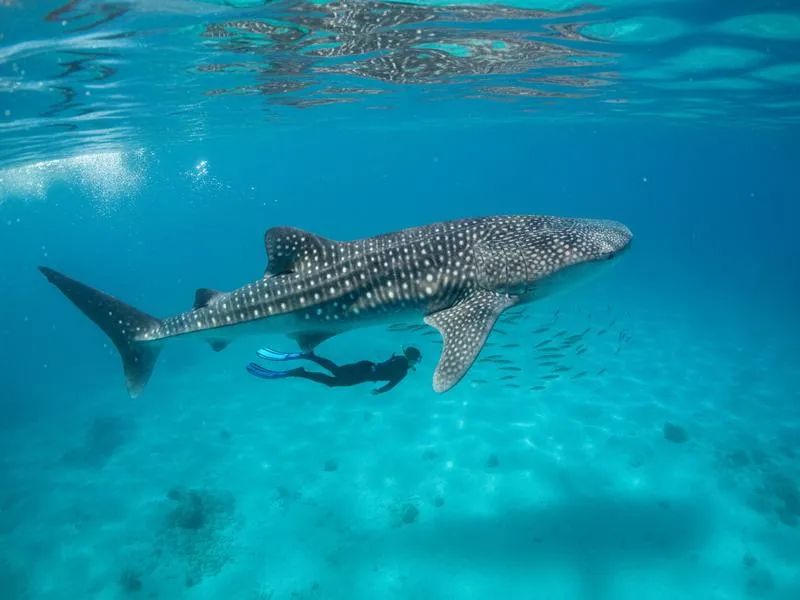
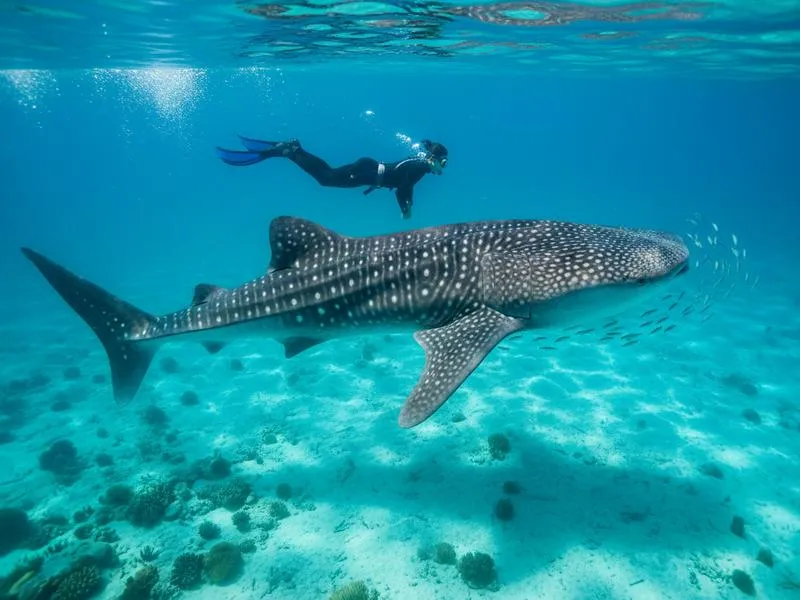
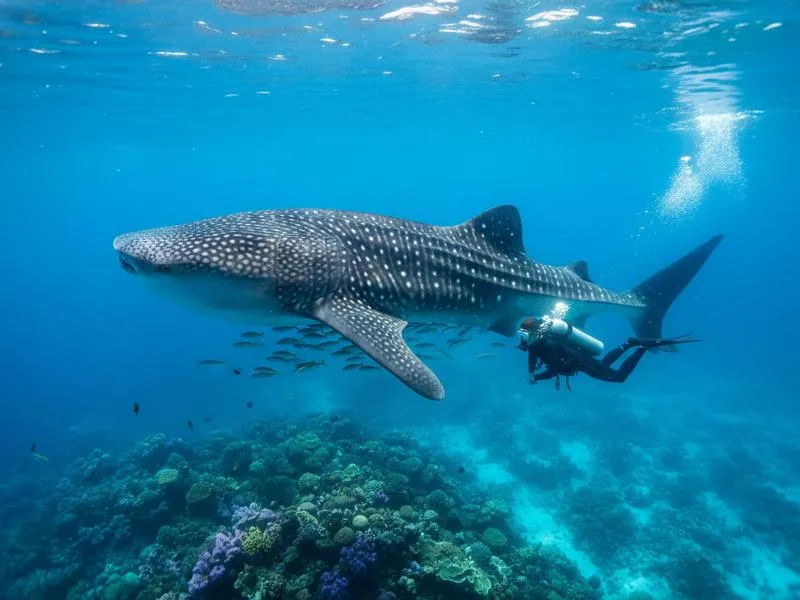
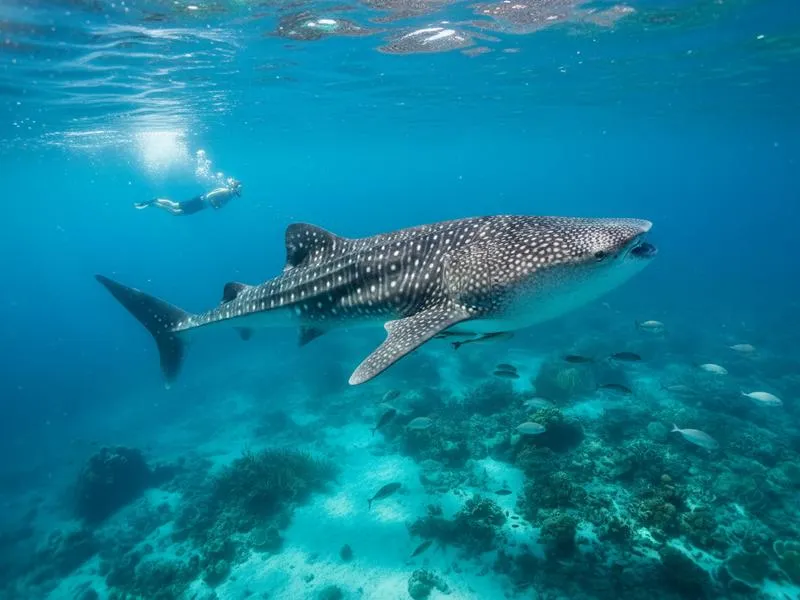
La Paz has one of the most reliable whale shark encounters in the world. Unlike dive sites that require advanced certification or distant offshore trips, the whale sharks in La Paz Bay often feed within 30 minutes of the marina. You snorkel with them — diving is prohibited by Mexican law to protect the animals. Our Mexico whale shark guide compares La Paz with Holbox and Isla Mujeres by season, price, and logistics.
Season: October through May. Peak concentration: November–January (sometimes 40–50 sharks in one session). Some sharks remain year-round, but summer sightings are unreliable.
What to expect:
- Sharks range 5–12 meters (16–40 feet) — juvenile to sub-adult
- They feed on the surface, scooping krill and fish eggs with mouths wide open
- You enter the water 3–5 meters ahead and float alongside — no touching permitted
- Water is warm October–May: 22–28°C (72–82°F)
- Visibility 5–20 meters depending on plankton concentration (less vis = more food = more sharks)
Booking: $65–95 USD per person through licensed operators. Book 1–2 days ahead in November–February. Includes gear, guide, snacks. Half-day tours (4 hours) are standard. Most tours also include a stop at Los Islotes (sea lions) for no extra charge.
Top operators: Fun Baja, Cortez Club, Carey Dive Center, Mar y Aventuras.
Whale shark encounters are snorkel-only by Mexican federal regulation — any operator offering SCUBA diving with whale sharks is operating illegally. Verify your operator has the required whale shark permit.
2. Sea Lions at Los Islotes — Up Close and Personal
Los Islotes is a small rocky outcrop at the northern tip of Espíritu Santo island, 30 minutes by boat from La Paz marina. It’s home to a permanent colony of 500+ California sea lions — juveniles, adults, bulls, pups — all of them extremely curious about snorkelers.
The experience: Sea lion pups (born January–March) are the most playful. They’ll swim circles around you, blow bubbles in your face, and attempt to steal fins. Adults are generally indifferent unless you get between a mother and pup. Bulls are territorial on the rocks — stay in the water.
Best months: Year-round, but January–April is peak pup season. November–February: maximum animal density, young sea lions at peak curiosity.
How to visit: Most whale shark tours include a Los Islotes stop. You can also book standalone sea lion tours (~$45–70 USD). Snorkel gear included. This is the most affordable marine wildlife experience in La Paz.
3. Espíritu Santo Island — Full Day in a UNESCO Archipelago
Espíritu Santo is a UNESCO World Heritage Site and national park — 14 islands, 47km of coastline, volcanic red-rock cliffs, white sand beaches, and turquoise channels. It’s one of the most protected marine environments in Mexico. Jacques Cousteau dove here in the 1940s. You can’t visit without a tour; the park has no infrastructure.
What full-day tours cover:
- Snorkeling at El Cardonal (reef fish, rays, occasional hammerhead sightings)
- Kayaking a beach or channel (calm, beginner-friendly)
- Los Islotes sea lion stop (included in most tours)
- Beach lunch
- Optional: Playa El Encanto or Bahía San Gabriel swimming stop
Cost: $60–90 USD per person, 8–10 hours. Tours depart Marina La Paz 7:30–8 AM. Bring reef-safe sunscreen (the usual cenote rule applies here too — the park requires it), water shoes, and a waterproof bag.
Camping on Espíritu Santo: Possible with permit (managed through tour operators, $10–15 USD/night). You must bring all food and water. No facilities. Permits limited to preserve the ecosystem.
4. Balandra Beach — Mexico’s Most Beautiful Beach (and It’s Free)
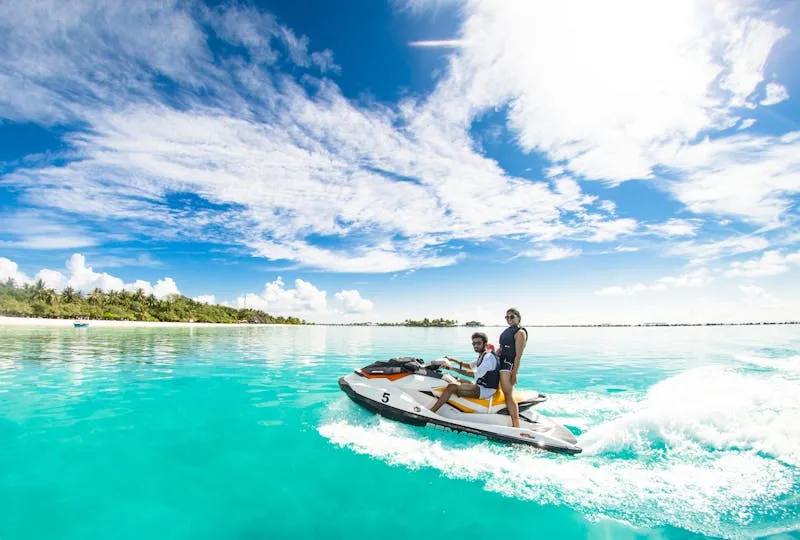
Balandra is consistently voted the most beautiful beach in Mexico by Mexican travelers. It’s 24km north of La Paz, on the protected east coast of the peninsula. The water is so shallow — ankle-to-knee-deep for 50+ meters — that it looks like a swimming pool from aerial photos. The color is turquoise from the calcium deposits on the sandy bottom.
The reality check: Balandra is free and well-known. Weekends from November–April get crowded (hundreds of visitors). Arrive before 10 AM or after 3 PM for peaceful conditions. There is limited shade; bring an umbrella.
Getting there: Taxi from La Paz centro: 250–350 MXN each way (~20–25 min). Some tour operators include Balandra in day packages. No Uber service to Balandra. Rental car is the most flexible option.
Facilities: Small restaurant, beach chairs for rent (80–100 MXN), kayak rental available. No large hotel infrastructure — this is a day-use public beach.
Nearby: Tecolote Beach is 8km further north — longer beach, more wind, sand dunes, and a cluster of seafood palapa restaurants. Many visitors combine both in one day trip.
5. Kayaking the Bay of La Paz
The Bay of La Paz is unusually calm — protected by the Espíritu Santo archipelago from Pacific swells, sheltered from strong currents. This makes it ideal for sea kayaking at all skill levels.
Options:
- Guided kayak tours: Half-day tours ($35–50 USD) cover Balandra, El Mogote mangroves, or the Malecón waterfront
- Multi-day kayak expeditions: 3–5 day paddling trips through Espíritu Santo islands, camping on beaches, guided by experienced outfitters ($400–700 USD all-inclusive)
- Kayak rentals: Stand-alone rental at Tecolote Beach ($15–20 USD/hour, no guide)
Best experience: The El Mogote sandbar across from downtown La Paz. El Mogote is a 20km sand-and-mangrove peninsula visible from the Malecón. Kayaking across (15 min from city waterfront) gets you to a completely deserted sandbar with 360° bay views. Bird species: frigatebirds, brown pelicans, great blue herons, roseate spoonbills (November–March), and occasional flocks of flamingos.
6. SCUBA Diving — Hammerheads and Shipwrecks
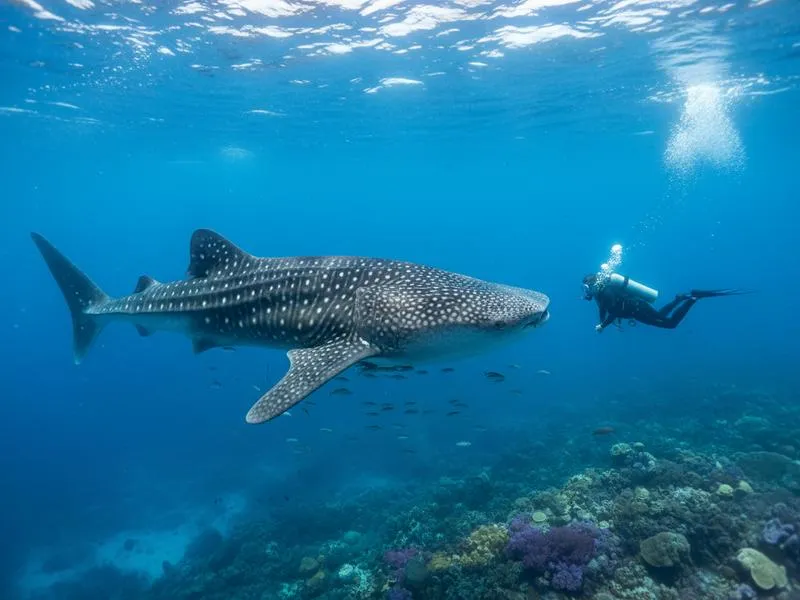
La Paz is one of the top dive destinations in Mexico. The Sea of Cortez has exceptional visibility (15–30 meters), warm water (22–28°C October–June), and unique species not found in the Caribbean.
Top dive sites:
| Site | Depth | Highlight | Best Season |
|---|---|---|---|
| El Bajo Seamount | 15–30m | Hammerhead sharks, Mobula rays | Jul–Nov |
| The Swanee (shipwreck) | 15–20m | 19th-century sunken vessel, moray eels | Year-round |
| Las Animas | 12–25m | Whale sharks, sea lions, schooling fish | Oct–May |
| El Corroncho | 10–20m | California sea lions, octopus | Year-round |
| La Reina | 8–18m | Schooling fish, rays | Year-round |
El Bajo: The marquee dive. This seamount rises from 300 meters to within 15 meters of the surface, creating an upwelling that draws schooling hammerhead sharks (July–November), giant manta rays (year-round), whale sharks, and tuna. It’s 45 minutes offshore — an advanced-level dive due to current.
Certification: Open Water PADI certification courses available in La Paz for $350–500 USD (4 days). The calm, clear bay makes La Paz an excellent learning environment.
Best operators: Cortez Club, Fun Baja, Carey Dive Center.
7. Whale Watching — Blue Whales in the Bay
December through March, the waters around Baja California Sur host the largest blue whale population in the world. La Paz is one of the few places on Earth where you can reliably see blue whales — the largest animal that has ever existed — from small boats.
Species by month:
| Month | Species | Best Sighting |
|---|---|---|
| Dec–Mar | Blue whales | Loreto area / La Paz offshore |
| Dec–Apr | Humpback whales | Bay of La Paz (closer to shore) |
| Dec–Apr | Gray whales | Magdalena Bay (3 hrs west) |
| Oct–May | Whale sharks | Bay of La Paz |
| Oct–May | Mobula rays | Offshore islands |
Tours: $65–90 USD per person, half-day. Blue whale tours often combine with sea lion and snorkel stops. The boats leave at 7–8 AM. The whales are typically 30–90 minutes offshore.
Magdalena Bay: The best gray whale nursery (80km west of La Paz by road). January–March, gray whales calve in the shallow lagoon. The experience: open-skiff boats in the lagoon, whales come to the boat, mothers push calves toward tourists. This is a separate day trip from La Paz ($80–120 USD) — highly recommended.
8. Kitesurfing at La Ventana — World-Class Wind
La Ventana is a small beach village 60km south of La Paz. From November through March, consistent thermal winds (15–35 knots) funnel through the mountains and hit the bay at predictable afternoon angles, making it one of the top kitesurfing destinations in North America.
The kite scene: 100+ kiters on the water on peak days, from beginners to world-level freestyle riders. The beach has no waves (flat water) — ideal for learning. Multiple kiteschools offer IKO-certified instruction.
Getting there: 1 hour from La Paz by rental car (no direct public transport). Some La Paz hostels and hotels arrange shared rides for $10–15 USD each way.
If you’re not a kiter: La Ventana has excellent snorkeling (manta rays common), a good palapa restaurant strip, and you can watch the kite show for free from the beach.
9. Sport Fishing — The Original Baja Draw
Baja California Sur is called “the marlin capital of the world.” The Sea of Cortez’s warm, nutrient-rich water supports huge populations of billfish, dorado (mahi-mahi), tuna, and wahoo.
La Paz sport fishing calendar:
| Month | Target Species |
|---|---|
| Jul–Oct | Marlin (striped & blue), dorado, wahoo |
| Oct–Dec | Dorado, tuna, yellowtail |
| Jan–Mar | Yellowtail, cabrilla |
| Apr–Jun | Dorado begins again, tuna |
Charter costs: $200–400 USD for a full-day panga boat (4–6 anglers), $400–800 for a full-day cruiser. Catch-and-release is standard practice for billfish. Most operators clean and pack your fish for you; many restaurants in La Paz will cook your catch for a small fee (“pesca your own”).
From the Malecón: The sport fishing fleet departs from Marina La Paz (south Malecón end) and Club de Caza y Pesca at the north. Walk the docks at 5 AM if you want to negotiate a last-minute spot.
10. The Malecón at Sunset
The Malecón is a 1.5km pedestrian waterfront promenade along the western edge of the city. In the evening, the entire city comes here: families, couples, joggers, street vendors, local fishermen hauling in the day’s catch. Sunsets over the bay, looking toward El Mogote, are spectacular.
What’s along the Malecón:
- Sculpture trail (10+ large-scale public artworks)
- Museo de Ballenas (whale museum — small, free, good models)
- Restaurants and cafes facing the water
- Ice cream vendors (paletas from local heladerías — mango with chile is essential)
- Marina La Paz entrance (southern end) — watch the sport fishing fleet return
- Malecón watercraft rentals (kayaks, SUP boards, small motorboats)
Best time: One hour before sunset for the full color show. The Malecón is also pleasant in the morning (5:30–8 AM) for a run or coffee before the heat of the day.
11. Chocolate Clams — La Paz’s Signature Food Experience
The chocolate clam (almeja chocolata) is endemic to the Sea of Cortez — you cannot get this species anywhere else. The name comes from the brown shell exterior, not the flavor. Raw, they taste intensely oceanic: brinier than oysters, sweeter than geoduck, with a firm bite and clean finish.
How to eat them: Raw on the half shell with lime, chile powder, and hot sauce — or as chocolate clam aguachile (marinated in lime and serrano chile). Ceviche version is also common. La Paz restaurants also do them grilled with cheese (a la diabla style), but the raw preparation best shows the flavor.
Where to eat:
- Mercado Municipal Nicolás Bravo (Revolución de 1910 at Degollado): Street market stalls sell chocolate clams fresh for 200–300 MXN per dozen, raw with toppings
- La Paz Clandestino: Upscale but excellent chocolate clam tostadas
- El Camarón Sinaloa: Market-style seafood, extremely fresh, cheap (40–80 MXN per preparation)
- Tacos El Estadio: Not clams, but the best marlin tacos in La Paz — another local specialty
Other must-eat La Paz seafood: Marlin tacos (smoked marlin, most famous), zarandeado (whole fish grilled over mangrove wood), and fresh Baja-style aguachile (different from Sinaloa style — lighter broth, more citrus).
12. Mercado Municipal Nicolás Bravo
The municipal market is where La Paz residents actually shop and eat. Located two blocks inland from the Malecón (corner of Revolución and Degollado), it has fish stalls, produce vendors, butchers, and a row of small comedores serving traditional Baja breakfast and lunch.
Best time to visit: 7–11 AM for breakfast (caldillo de machaca, chilaquiles, huevos rancheros, fresh-squeezed OJ). The fish stalls are freshest in the morning when the day’s catch arrives.
What to buy: Chocolate clams (cheapest in the city), fresh shrimp, local dried chiles, piloncillo, tamarind, and locally produced date products (La Paz is a major date-growing region — date honey, date piloncillo, date candy). The region produces Medjool and Deglet Noor varieties; the date harvest happens September–October.
13. Museo de las Californias — Free Peninsula History
Located in the Centro de Arte, Cultura y Turismo building near the waterfront, this free museum covers the complete human history of the Baja Peninsula from Cochimí indigenous communities through the Jesuit missions (1697–1768) to the pearl diving era (La Paz was the pearl capital of the world through the 1930s).
The pearl section is compelling: La Paz’s natural oyster pearls were considered the finest in the world, worn by Spanish royalty and trading in international markets until a 1940 bacterial epidemic wiped out all oyster beds permanently. A John Steinbeck short story (later The Pearl, 1947) was set in La Paz and based on real events from this period.
Hours: Tuesday–Saturday, 9 AM–6 PM. Closed Sunday–Monday. Free entry.
14. Museo de Ballenas
The whale museum on the Malecón is small (two rooms) but has complete life-size whale skeleton replicas and good explanatory panels on the cetacean species found in Baja waters. Worth 30 minutes, especially if you’re visiting in whale watching season. Free entry.
15. La Catedral Nuestra Señora de La Paz
The cathedral on the main Plaza Constitución was built in 1861 on the site of the original 1720 Jesuit mission. The interior is modest by Mexican cathedral standards (no gold leaf, no elaborate altarpieces), but the rose-colored facade and the plaza in front — with its laurel trees and weekend vendors — are the social center of La Paz.
The main Plaza comes alive on Sunday evenings: families, food vendors, musicians, quinceañera photos. This is how La Paz actually lives, not how tourism presents it.
16. Snorkeling at Tecolote Beach
El Tecolote is a public beach 28km north of La Paz (past Balandra). The snorkeling off the rocky point at the north end of the beach — 10 minutes walk from the main beach access — has coral, sergeant major fish, moorish idols, and occasional sea turtles.
How to visit: Taxi from centro: 280–400 MXN. Beach clubs rent snorkel gear (~15 USD/set). The seafood palapa restaurants at Tecolote serve the best fish tacos within day-trip range of La Paz.
17. Stand-Up Paddleboarding
SUP rentals are available on the Malecón and at Tecolote Beach. The bay is flat-calm from October through May — perfect for SUP. Sunrise paddleboarding (6–8 AM) is exceptional: mirror-flat water, warm light, frigatebirds overhead, and often dolphins visible from the board.
18. Sunset Sailing Cruise
Multiple catamaran and sailing boat operators offer 2–3 hour sunset cruises from Marina La Paz. Most include an open bar (mezcal, beer, soft drinks) and a food spread. Sunsets over the bay, looking west toward El Mogote, are reliably dramatic. Cost: $45–70 USD per person. Book same-day at Marina La Paz or through your hotel.
19. El Mogote Sandbar
El Mogote is a 20km sand-and-mangrove peninsula that encloses the Bay of La Paz on the west side. It’s visible from the Malecón across 1km of water. Take a water taxi from the Malecón waterfront (50–80 MXN round trip, 10-minute crossing) to reach a completely deserted beach with calm, shallow water and views back toward the city.
El Mogote mangroves: kayaking into the interior channels at high tide reveals a dense mangrove ecosystem with herons, egrets, and (November–March) roseate spoonbills. Best wildlife viewing: 6–9 AM.
20. Birdwatching at El Mogote and Balandra
La Paz is a serious birdwatching destination. The protected bays, mangroves, and offshore islands create exceptional habitat for Pacific Flyway migrant species.
Year-round species: Brown pelican, magnificent frigatebird, blue-footed booby (offshore islands), black-crowned night heron, great blue heron, reddish egret.
Winter migrants (November–March): Roseate spoonbill, lesser scaup, surf scoter, long-billed curlew, American avocet, white pelican.
Espíritu Santo island: Blue-footed boobies nest here — unusual; most nesting colonies are on the Galápagos and Sea of Cortez islands. The booby colony is visible on day tours.
Day Trips from La Paz
21. Todos Santos — Art Town and Surfing Beach
Todos Santos is a small colonial town 80km northwest of La Paz (1.5 hours by car or bus). UNESCO Pueblo Mágico. Known for: art galleries (50+ studios concentrated in a 4-block historic center), Hotel California (the real one — no Eagles connection, built 1950, the song is about a different place), and the surf breaks north of town.
The surf: La Pastora and Los Cerritos beaches have consistent Pacific swells, November–March. Beginners: Los Cerritos is gentler. Advanced: La Pastora and Punta Lobos.
Getting there: Aguila bus from La Paz terminal (every 2 hours, 1.5 hours, $6–8 USD). Returns until 9 PM. Rental car gives more flexibility for beach access.
22. Loreto — Oldest Permanent Settlement in the Californias
Loreto is 3 hours north of La Paz (280km on Highway 1, or 1-hour flight from La Paz airport). It’s the oldest permanent European settlement in the Californias — the Misión Nuestra Señora de Loreto (1697) is where Jesuit colonization of Baja California began, and it’s still intact and functioning.
Why visit: The mission, the Museo de las Misiones, Loreto’s tranquil colonial waterfront (quieter than La Paz), and Loreto Bay National Marine Park — UNESCO World Heritage, home to blue whales (December–March) and excellent kayaking through a pristine archipelago.
Day trip viability: Possible but tight (6-hour round trip driving). Overnight is much better. ADO/Aguila buses run La Paz–Loreto daily.
23. La Ventana / Los Barriles — Kite and Wind Country
La Ventana (60km south, 1 hour by car) and Los Barriles (90km south, 1.5 hours) are the East Cape destinations. November–March, both towns fill with kitesurfers, windsurfers, and North American snowbirds. Even if you don’t kite, the drive along the scenic East Cape road with views of the Sierra de La Giganta and the calm turquoise bay is worth the trip.
24. Baja Ferry Overnight to Mazatlán
The Baja Ferries service runs La Paz to Mazatlán on the mainland (18–20 hours one way). This is a working cargo ferry that also takes passengers — cabins available ($40–80 USD/person), or a salon seat ($25–35 USD). The crossing leaves La Paz in the evening and arrives in Mazatlán the next morning.
Why it matters for travelers: you can drive your rental car onto the ferry (vehicle transport available, ~$100–150 USD each way), cross the Sea of Cortez, and continue your Mexico road trip on the mainland. An unusual, memorable experience. Book through Baja Ferries website.
25. Sea Turtle Volunteering — Seasonal
June through November is sea turtle nesting season on Baja California Sur beaches. Several conservation programs operate near La Paz, including at Punta Gorda (1.5 hours south). Activities: nighttime beach patrol for nesting females, egg collection for protection from poachers, data recording.
Organizations: Most programs operate through the Instituto Politécnico Nacional (IPN) research station near La Paz. Contact: La Paz dive shops and eco-tour operators can connect you with volunteer opportunities. Some charge a small fee ($20–50 USD/week) to cover materials. Species nesting nearby: leatherback, olive ridley, green, and loggerhead.
La Paz by Traveler Type
| If you’re… | Top picks |
|---|---|
| Wildlife-first | Whale sharks (#1), Sea lions (#2), Whale watching (#7), Espíritu Santo (#3) |
| Beach people | Balandra (#4), Tecolote (#16), El Mogote (#19) |
| Active/water sports | Kayaking (#5), Diving (#6), Kitesurfing (#8), SUP (#17) |
| Food travelers | Chocolate clams (#11), Mercado Municipal (#12), marlin tacos |
| Culture seekers | Museo de las Californias (#13), Cathedral (#15), Loreto day trip (#22) |
| Families | Balandra (#4 — ultra-shallow), Sea lions (#2), Malecón walk (#10) |
| Serious divers | SCUBA diving (#6) — El Bajo hammerheads, The Swanee wreck |
Seasonal Activity Calendar
| Month | Best Activities | What to Skip |
|---|---|---|
| Oct–Nov | Whale sharks begin (Oct), Espíritu Santo, diving | Kitesurfing (wind not strong yet) |
| Dec–Feb | Peak whale sharks, whale watching (blue whales), Sea lions pups | — peak season, book ahead |
| Mar–May | Whale sharks still running, best diving visibility, Espíritu Santo | Gray whale season ending |
| Jun–Sep | El Bajo hammerheads and mantas (July–Sep), turtle volunteering | Whale sharks gone, jellyfish risk, heat 35–40°C |
Getting Around La Paz
La Paz is walkable in the centro histórico (Malecón, market, cathedral within 10-min walk). For beaches and day trips:
- Rental car: Most practical for Balandra, Tecolote, La Ventana, and any highway destination. Avis, Hertz, and local agencies at LAP airport and Marina La Paz.
- Taxi: Abundant in centro. Malecón → Balandra: 250–350 MXN (negotiate before you get in). No meter system in most taxis.
- Uber: Available in La Paz — works reliably in the city and to nearby beaches.
- Aguila bus: Long-distance to Todos Santos, Loreto, Los Cabos from the central bus terminal (5 de Febrero y Jalisco).
Budget Guide
| Budget Tier | Daily Spend | What You Get |
|---|---|---|
| Budget | $50–80 USD | Hostel dorm ($15–20), mercado meals ($5–8 each), free beach + Malecón, 1 paid tour/trip |
| Mid-range | $100–150 USD | Hotel room ($60–90), restaurant meals ($12–20 each), 1–2 paid activities |
| Splurge | $200–350+ USD | Boutique hotel ($120–200), whale shark + Espíritu Santo on same trip, fine dining |
Note on tours: The biggest expense in La Paz is guided marine wildlife tours. A whale shark tour ($75) + Espíritu Santo day ($80) is $155 in one day — but these are genuinely world-class experiences. Budget for 2–3 tour days during a 5-day trip; use other days for free beaches, the Malecón, and mercado eating.
La Paz Practical Tips
- Airport: Manuel Márquez de León International Airport (LAP) — domestic flights only (Guadalajara, CDMX, Tijuana). For US connections, fly into SJD (Los Cabos) and bus/drive north.
- Best months overall: October–November for warm water + whale sharks + fewer crowds + affordable rates. December–February for maximum whale shark concentration but higher prices and advance booking required.
- Jellyfish: July–September brings medusas (jellyfish) into the bay. Some beaches become uncomfortable. Wear a rash guard or wetsuit if swimming in summer.
- Cash and ATMs: La Paz has good ATM coverage in the centro and marina area. Avoid HSBC and use Citibanamex or BanBajío to avoid DCC (Dynamic Currency Conversion) fees.
- Language: La Paz is a real Mexican city — very little English spoken outside of tour operators and marina businesses. Basic Spanish goes a long way. Tour guides all speak English.
- Water: Don’t drink tap water. Hotels provide garrafones; buy bottled water at Oxxo convenience stores.
Related Guides
- La Paz Travel Guide 2026 — Getting there, where to stay, what to eat, full city overview
- Day Trips from La Paz 2026 — 10 excursions ranked: Espíritu Santo, Balandra, La Ventana, Todos Santos, Cabo Pulmo, and more
- Los Cabos Travel Guide 2026 — La Paz vs Los Cabos comparison, resort beaches, El Arco
- Things to Do in Los Cabos 2026 — Whale watching, El Arco, Cabo Pulmo, sport fishing
- Best Beaches in Mexico 2026 — How Balandra ranks among all Mexico’s beaches
- Mexico Packing List 2026 — What to bring for a Baja trip
- Is Mexico Safe? — Baja California Sur safety context (rated Level 2)