Tlaxcala in July: Fireflies, Rain & Travel Tips
Is Tlaxcala Good in July?
Yes — Tlaxcala in July is a strong choice if your trip is built around fireflies, Cacaxtla, pulque, hacienda meals, and a quieter highland base near Puebla. It is not the driest month, but July gives Tlaxcala the kind of green countryside and seasonal reason to visit that the dry months cannot match.
The key is pacing. July is rainy season in central Mexico, so mornings should carry the outdoor parts of the trip. Save exposed ruins, plaza walks, countryside stops, and road transfers for the first half of the day. Afternoons are better for museums, long lunches, cafés, hotel downtime, or moving only short distances.
Start with Mexico in July if you are comparing Tlaxcala with Puebla in July, Cholula in July, Mexico City in July, Taxco in July, or Xalapa in July. Use this guide once Tlaxcala is on the shortlist and you need the practical answer on rain, firefly logistics, hotels, and how many nights to stay.
For a broader state overview before you choose bases, pair this page with our Tlaxcala travel guide and Puebla state guide. They help separate the city, Cacaxtla, Huamantla, Puebla, and Cholula pieces before July weather starts dictating the day-by-day schedule.
Tlaxcala in July in 30 Seconds
| Question | Short answer |
|---|---|
| Is July worth it? | Yes, especially for fireflies, Cacaxtla, haciendas, pulque, and green highland scenery. |
| Biggest upside | Peak Nanacamilpa firefly season with a calmer base than Puebla or Mexico City. |
| Biggest downside | Afternoon rain and rural night logistics if you visit a firefly sanctuary. |
| Best 2026 window | Mid-July through late July for the safest firefly-focused timing. |
| Best trip length | 2 nights if fireflies matter; 1 night for city plus Cacaxtla. |
| Best for | Repeat Mexico travelers, archaeology fans, slow-food stops, road trippers, and Puebla add-ons. |
| Poor fit | Travelers who want nightlife, resort comfort, guaranteed dry afternoons, or a large museum scene. |
Tlaxcala works best as a narrow trip, not a checklist. Pick the city center, Cacaxtla, one countryside meal or pulque stop, and a firefly plan only if you can handle the evening transport properly.
Weather in Tlaxcala in July
Tlaxcala in July is mild by Mexican summer standards because of the altitude. Days are usually warm rather than punishing, nights can feel cool, and the surrounding hills are greener than they are in spring. The tradeoff is rain. Clouds often build after lunch, and storms can interrupt countryside plans.
That does not make July a bad month. It just changes the schedule. Put Cacaxtla, walking routes, churches, markets, and rural drives before lunch. Keep the second half of the day flexible enough for indoor stops or a slow meal.
| July factor | What it means in Tlaxcala | Best move |
|---|---|---|
| Morning | Best window for outdoor sightseeing | Cacaxtla, central plazas, churches, countryside roads |
| Midday | Warm sun before clouds build | Lunch, shade, museums, short transfers |
| Afternoon | Rain risk rises | Keep plans flexible after 3 PM |
| Evening | Cooler, sometimes clear after storms | Bring a light layer, especially for firefly trips |
| Roads | Rural routes can slow after heavy rain | Do not schedule tight late-night transfers |
If you are coming from Mexico City or Puebla, pack for two climates in one day: sun protection in the morning and a light rain layer for the afternoon or evening. Our Mexico rainy season guide and best time to visit Mexico guide explain how this central-highland pattern compares with beach destinations in the same month.
Fireflies in Tlaxcala in July
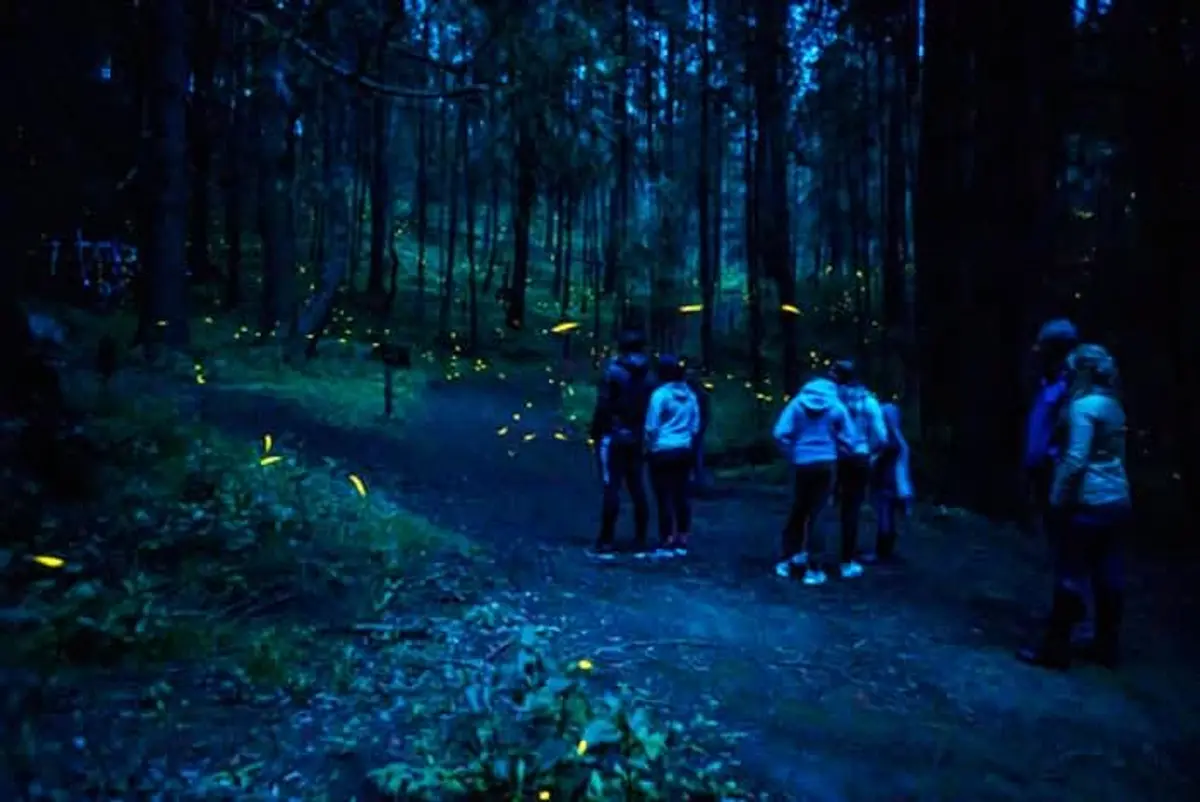
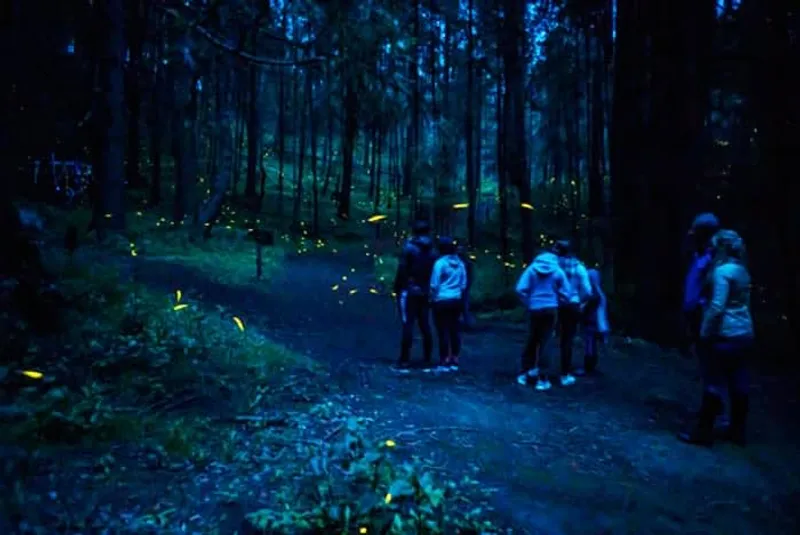
July is the main reason many travelers choose Tlaxcala. The forests around Nanacamilpa are famous for synchronized firefly viewing during the rainy season, and July is usually the most reliable month to plan around it. For the dedicated planning layer, read the Tlaxcala Firefly Sanctuary guide, the Nanacamilpa Firefly Sanctuary guide, and our transport guide on how to get to the Tlaxcala Firefly Sanctuary.
Do not treat the fireflies like a casual roadside stop. The best experience usually comes from an authorized sanctuary, local guide, or lodging package that controls lights, timing, access, and noise. You will be in a forest after dark, often after rain, so the experience depends on patience and good behavior as much as timing.
For a smoother trip:
- Sleep nearby if possible. Returning to Puebla or Mexico City late at night adds stress after rural driving.
- Avoid bright phone screens and flashlights. Light ruins the experience for you and everyone else.
- Bring quiet rain gear. A loud poncho or umbrella can be annoying in a silent forest group.
- Do not expect perfect photos. The point is the forest, not a phone shot.
- Book ahead for weekends. July demand is higher than June, especially on Friday and Saturday nights.
If fireflies are the main reason for the trip, build the whole itinerary around that evening. Do Cacaxtla or Tlaxcala city earlier, rest before the forest, and avoid a long night transfer afterward. If lodging is the hard part, compare the options in where to stay for Tlaxcala fireflies before deciding between Tlaxcala city, Nanacamilpa, Puebla, or Mexico City.
What to Do in Tlaxcala in July
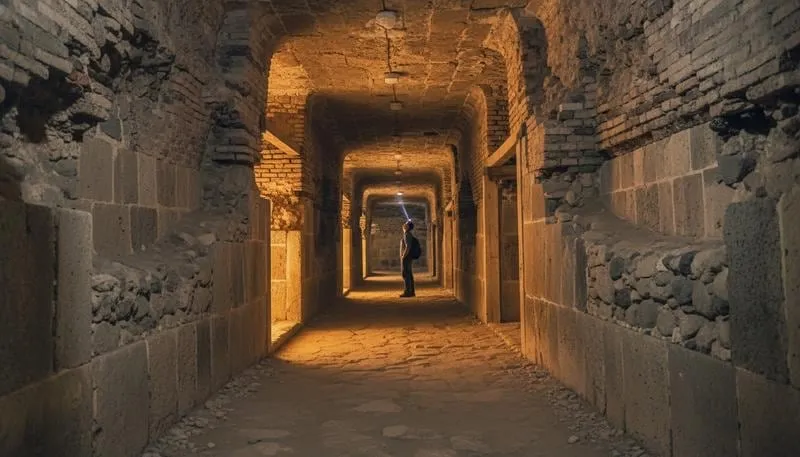
Visit Cacaxtla Before the Rain
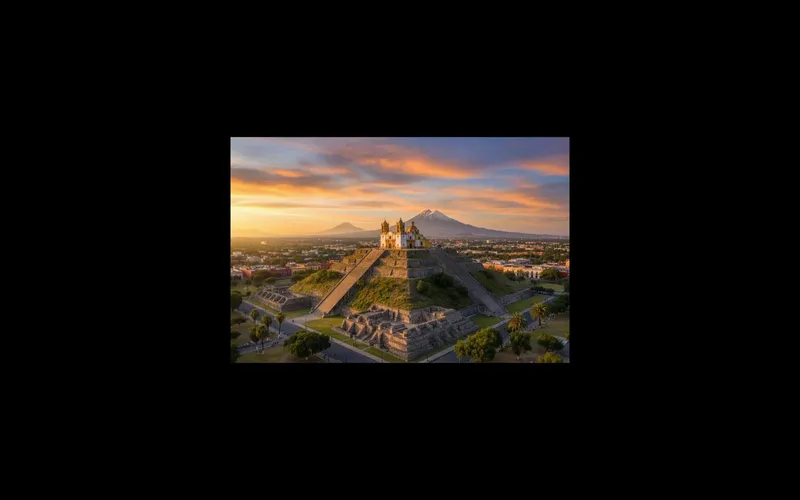
Cacaxtla is the strongest archaeological reason to visit Tlaxcala. Go early, both for comfort and for better weather odds. July clouds can actually make the site more pleasant than a harsh spring morning, but you still want the outdoor pieces finished before storms build.
Pair Cacaxtla with nearby Xochitécatl if conditions are good and you have a car or driver. If rain is already moving in, keep the plan simple and return to the city for lunch. Travelers based in Puebla can also use our day trips from Puebla guide to decide whether Tlaxcala deserves an overnight instead of a rushed out-and-back.
Walk Central Tlaxcala Slowly
Central Tlaxcala is compact, easy to understand, and calmer than Puebla. The plaza, government palace murals, churches, and arcaded streets are enough for a gentle half-day, especially if you do not overpack the schedule.
July gives the city a softer look after rain. Plan your walk in the morning or after a storm clears, then use cafés, museums, and covered arcades when the weather turns.
Add a Hacienda Meal or Pulque Stop
Tlaxcala is one of the best places in central Mexico to connect food, maguey, pulque, and old hacienda landscapes without turning the day into a major expedition. Choose one stop rather than trying to stack several. Rainy-season roads and relaxed meal pacing do not reward rushing. If you want another small-town stop nearby, compare Huamantla in July before adding it to the same route.
If you are driving, keep alcohol decisions conservative. Pulque is part of the region’s identity, but rural roads, rain, and night transfers are a poor mix.
Where to Stay in July
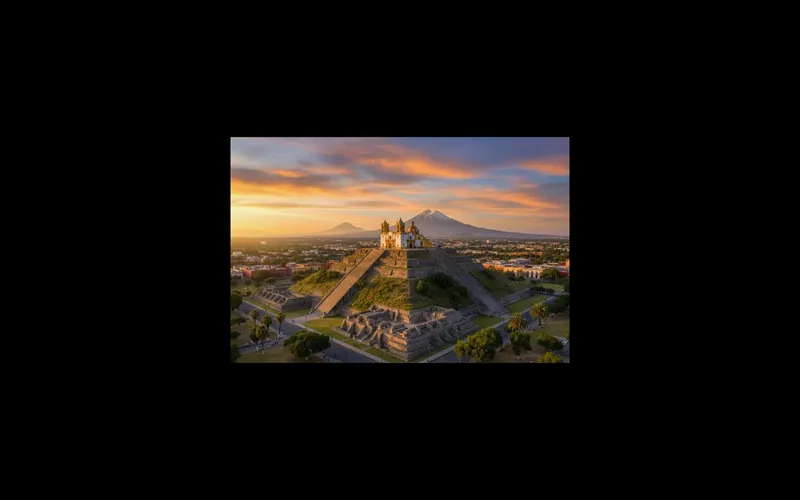
For a first Tlaxcala trip, stay central if your priorities are plazas, food, buses, taxis, and easy rainy-day fallback plans. A central hotel makes the city feel simple: walk in the morning, pause during rain, go out again when skies clear.
If fireflies are the main reason for traveling in July, consider sleeping closer to Nanacamilpa or booking a lodge-style package tied to an authorized viewing area. That can be less convenient for city sightseeing, but it makes the late evening much easier.
Use this rule:
- 1 night central: best for Tlaxcala city plus Cacaxtla.
- 2 nights central: best for city, Cacaxtla, a hacienda meal, and weather buffer.
- 1 night near Nanacamilpa: best if the firefly experience is the trip’s main event.
- Puebla base: possible, but less ideal for a firefly night because the return is late and rural.
Tlaxcala or Puebla in July?
Choose Tlaxcala if the trip is about fireflies, Cacaxtla, pulque, haciendas, quiet streets, and a smaller highland rhythm. Choose Puebla if you want more hotels, stronger rainy-day options, major food infrastructure, Talavera, Cholula, and a safer first-time visitor base.
A good compromise is to spend two or three nights in Puebla and add one night in Tlaxcala during the firefly window. That gives you Puebla’s easy logistics without reducing Tlaxcala to a rushed day trip. If you are building a broader central-Mexico July loop, nearby comparisons like Atlixco in July and Tepoztlán in July can help you decide whether you want flower-town, mountain-town, or firefly-focused pacing.
| Choose Tlaxcala in July for | Choose Puebla in July for |
|---|---|
| Firefly season | Bigger hotel choice |
| Cacaxtla | Mole, Talavera, and museums |
| Pulque and hacienda stops | Easier first-time logistics |
| Quieter plazas | More rainy-day backups |
| A smaller central-Mexico trip | Better bus and dining depth |
Suggested 2-Day Tlaxcala July Itinerary
Day 1: Arrive from Puebla or Mexico City, check in, walk central Tlaxcala, see the murals and churches, then keep dinner close to the hotel if rain arrives.
Day 2: Visit Cacaxtla early, return for lunch, rest in the afternoon, then leave for a booked firefly sanctuary or nearby overnight plan in the evening.
Day 3: Keep the morning light. Have breakfast, add one short pulque or countryside stop if conditions are good, then continue to Puebla, Mexico City, or another central-Mexico stop.
That is enough. July is not the month for cramming every nearby town into one day. The best trip leaves room for weather, slow meals, and the firefly evening. If your dates are flexible, compare the shoulder pages for Tlaxcala in June, Tlaxcala in August, and Tlaxcala in September before locking in flights.
Final Thoughts
Tlaxcala in July is worth it when you want a seasonal central-Mexico trip with a clear purpose. The fireflies give July its headline, but Cacaxtla, pulque, haciendas, quiet streets, and green highlands make the trip feel complete.
Go with the right expectations: rain is part of the plan, not a surprise. Start early, avoid tight evening transfers, book firefly access responsibly, and give yourself at least one overnight. Done that way, Tlaxcala becomes one of the smarter July add-ons to Puebla or Mexico City.