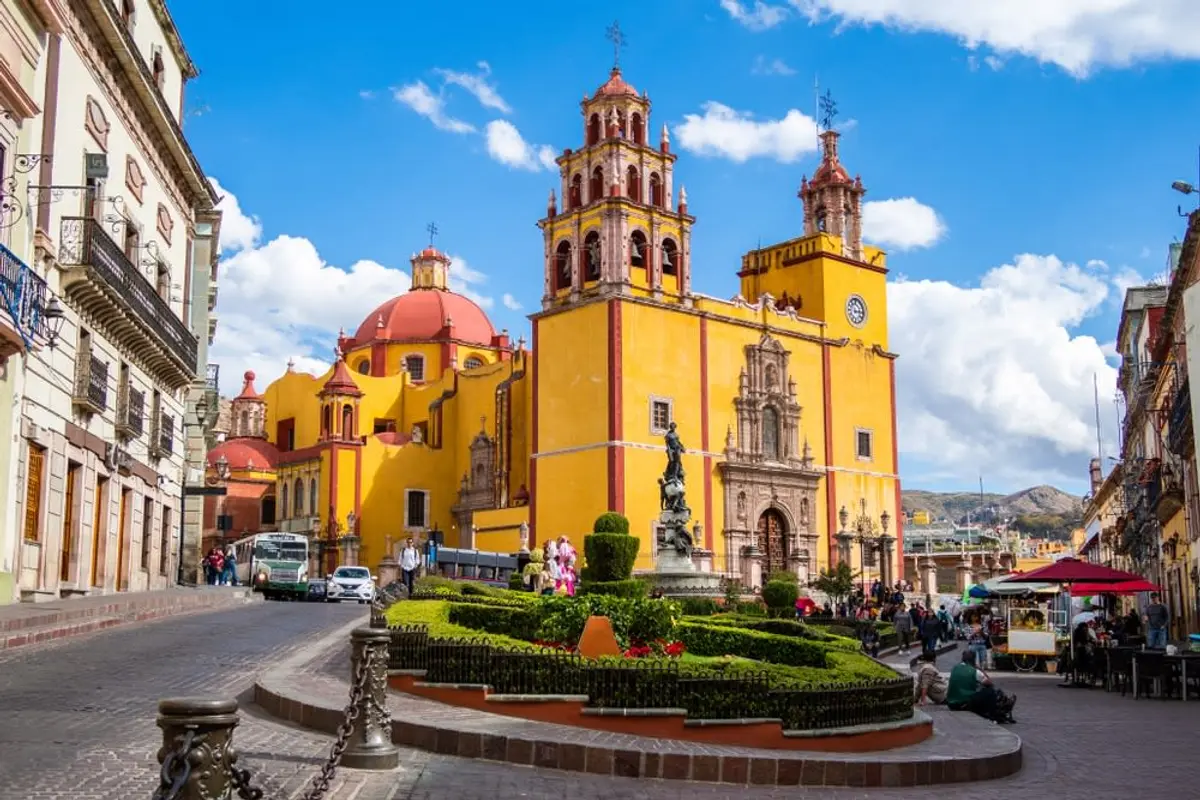
What to Eat in Guanajuato: 15 Dishes, Enchiladas Mineras & Where Locals Eat (2026)
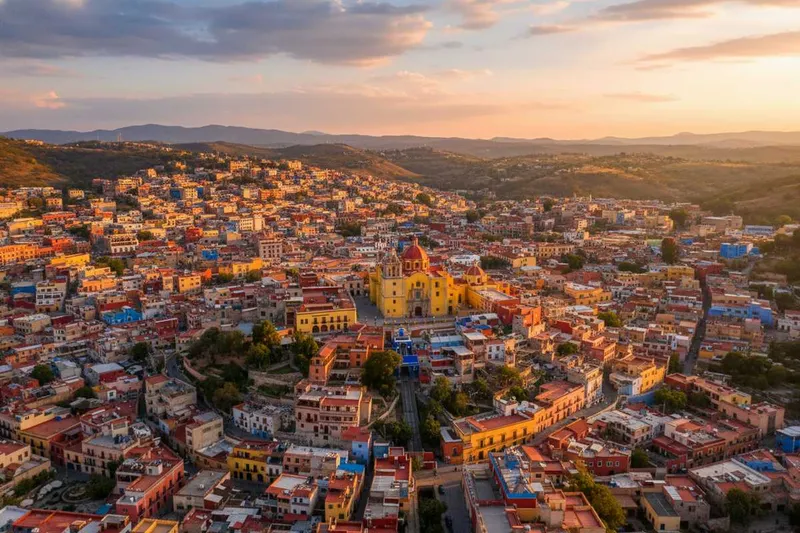
Guanajuato’s food comes from 300 years of silver wealth and the miners who actually dug it up. The city’s signature dish — enchiladas mineras — was literally designed to be eaten underground, with ingredients sturdy enough to survive a morning shift in a hot mine. The street snack economy that grew up around the mines produced guacamayas and gorditas that still feed students and workers today at the same prices, adjusted for inflation.
This is not Cancún resort food. It is not CDMX fine dining. It is the direct descendant of colonial-era mining culture, seasoned by Chichimec indigenous traditions and 500 years of Spanish influence — and it is seriously good.
| Guanajuato Food at a Glance | |
|---|---|
| Signature dish | Enchiladas mineras |
| Best street snack | Guacamaya |
| Local market | Mercado Hidalgo (7 AM–6 PM) |
| Budget meal | 60–120 MXN at the market |
| Local drink | Mezcal / Bajío wine |
| Don’t miss | Gorditas de harina on Sunday mornings |
| Food festival | Cervantino (October) — street food from all Mexico |
Guanajuato’s Food Identity
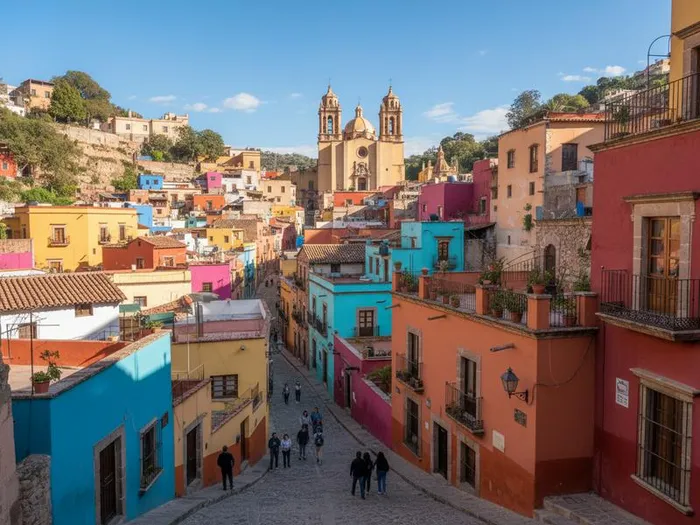
Guanajuato sits in the Bajío — Mexico’s high central plateau, 2,000+ meters elevation. It is cattle and goat country. The colonial city was built on silver money, and the food reflects both realities: hearty, protein-forward dishes from the ranching tradition, preserved by Spanish colonial-era techniques.
What makes Guanajuato’s cuisine distinct:
The mining legacy. Enchiladas mineras, guacamayas, and gorditas were all portable foods that miners could eat quickly at shift breaks. This functional origin shapes the cuisine to this day — it is food built for working people, not performance.
The Chichimec influence. The Chichimec people of the Bajío highlands resisted Spanish conquest longer than almost any other group in New Spain. Their food traditions — nopal cactus, chili peppers, wild herbs, goat preparation techniques — mixed with Spanish imports to create a cuisine that exists nowhere else.
The wine and mezcal country. Guanajuato state now produces some of Mexico’s most interesting wines (Tempranillo, Cabernet, Syrah at altitude) and quality mezcal. This is new — within the last 20 years — but it has elevated restaurant culture significantly.
15 Essential Guanajuato Foods
1. Enchiladas Mineras
The dish Guanajuato is known for above all others. Corn tortillas are dipped in a guajillo-based red chile sauce (smooth, moderate heat), rolled around a filling of crumbled queso fresco with onion, then arranged on a plate and covered with what no other enchilada in Mexico has: diced boiled potato, boiled carrot, pickled jalapeño strips, shredded chicken, and fresh shredded lettuce.
The potato and carrot topping is the signature. It sounds unusual. It works — the starchy vegetables absorb the chile sauce and cut the richness of the cheese. The whole plate is assembled at room temperature rather than baked, so the tortillas stay slightly firm and the vegetables stay distinct.
Named for the miners (mineros) who ate them during breaks. The hearty topping was designed to sustain a worker through a physical shift. Today they cost 80-150 MXN at most restaurants.
Where to eat them: El Jardín de los Ángeles (Plaza de la Paz), Truco 7 (Calle Truco 7), any of the stalls at Mercado Hidalgo’s upper level.
2. Guacamaya
Guanajuato’s street snack king. A bolillo (crusty white roll, toasted) is split and loaded with:
- Chicharrón (crispy pork skin) — large, light pieces
- Sliced cucumber
- Lime juice
- Valentina hot sauce (classic red, mild)
- Salsa verde (optional, for heat)
- Chilito salt seasoning
The combination is inexplicably perfect — crunchy, sour, spicy, salty, with the chicharrón dissolving into the citrus sauce as you eat. Price: 35-50 MXN.
Named after the macaw bird (guacamaya) — supposedly for the colorful layering of sauces, though Guanajuatenses argue about the etymology. The name is strictly local; you won’t find this sandwich called a guacamaya anywhere else in Mexico.
Where to find them: Mobile carts near the Jardín Unión starting around 10 AM; Mercado Hidalgo entrance; university area streets near Teatro Juárez.
3. Gorditas de Harina
Not the corn masa gorditas common elsewhere in Mexico — gorditas de harina are made from wheat flour dough, flattened into thick discs and cooked on a comal until puffed and slightly crispy on the outside. The interior stays soft.
They are split open and filled with:
- Beans and chicharrón
- Picadillo (spiced minced meat)
- Requesón (fresh ricotta-style cheese)
- Rajas (strips of poblano pepper)
Sunday morning is gordita culture in Guanajuato — families line up outside neighborhood spots before 10 AM for fresh off the comal gorditas. The wheat flour tradition reflects the Spanish colonial influence more strongly than other Mexican states where corn dominates.
Where to find them: Mercado Hidalgo (second floor stalls), neighborhood bakeries in Colonia Noria Alta and Colonia Pastita, and weekend food markets.
4. Caldo de Pollo Guanajuatense
Guanajuato’s version of chicken soup is enriched with garbanzos (chickpeas) — a direct Spanish legacy that persisted in the Bajío while fading from most Mexican cooking. A full bowl contains chicken on the bone, zucchini, corn, carrots, celery, chile de árbol, and a handful of chickpeas that soak up the broth completely.
The garbanzo addition adds a subtle nuttiness and texture that you don’t find in chicken soups elsewhere in Mexico. This is home food — it appears at market stalls and family restaurants, rarely at tourist-facing places.
Where to eat it: Market stalls at Mercado Hidalgo or neighborhood fondas (home-style restaurants) in the Pastita neighborhood, 10-minute walk from the historic center.
5. Chivito al Pastor
Guanajuato is goat country. The regional tradition of chivito al pastor (baby goat, shepherd-style) involves roasting a young goat on a vertical spit over mesquite wood — similar in technique to the tacos al pastor tradition but with goat rather than pork, and without the pineapple.
The meat develops a caramelized exterior and a tender, slightly gamey interior with a smokiness that pork doesn’t produce. Served with handmade tortillas, salsa verde, chopped onion, and fresh lime.
This is predominantly a weekend dish and a festivity dish — quinceañeras, baptisms, and Sunday family gatherings. Restaurants in the city serve it year-round; the best versions are at spots outside the city center in Marfil and Silao.
6. Pozole Rojo Minero
Guanajuato has its own take on pozole — thicker than the versions served in Jalisco and Guerrero, with a heavier chile base (guajillo and ancho) and, in traditional preparations, goat or lamb rather than pork. The hominy corn kernels (cacahuazintle) are the same as everywhere, but the broth is more deeply colored and slightly smokier.
Garnishes are the standard Mexican pozole set: shredded cabbage, dried oregano, radish slices, lime, tostadas, and chile de árbol oil on the side.
Most restaurants serve the pork version for tourists; ask at market stalls for pozole de chivo (goat) on weekends.
7. Tacos de Guisado
The everyday food of Guanajuato. A guisado is a cooked filling — braised, stewed, or sautéed — served in small corn tortillas. Typical guisados in Guanajuato:
- Rajas con crema (poblano strips in cream sauce)
- Picadillo (spiced ground pork with potato and carrot)
- Chicharrón en salsa verde (pork skin braised in tomatillo sauce)
- Nopales con huevo (cactus paddles with egg, breakfast)
- Frijoles negros (black beans, simplest version)
The market stalls at Mercado Hidalgo and the smaller Mercado Embajadoras have guisado counters from 7 AM. A taco costs 15-25 MXN.
8. Pacholas
A distinctly Guanajuatense preparation that crosses the line between a torta filling and a main dish. Pacholas are thin patties made from spiced ground beef (or a beef-pork mix) shaped by hand and cooked on a comal — like a thin Mexican hamburger, seasoned with chiles, garlic, and cumin.
They are either eaten in a bolillo roll or plated alongside rice, beans, and sliced nopal. The flavor is deeply savory with background chile heat.
Few restaurants advertise pacholas explicitly — look on the daily specials board (comida corrida menu) at traditional Guanajuato restaurants.
9. Dulces de Guanajuato
Guanajuato has a serious candy tradition, largely descended from the Spanish colonial conventos (convents) that produced sweets for the silver-mining elite. The main types:
- Cajeta — The Bajío region is the heartland of cajeta. Celaya (30km from Guanajuato city) is the official cajeta capital of Mexico, but Guanajuato city has multiple shops selling it: the goat-milk caramel spread that became famous when Nestlé adopted the recipe and scaled it nationally. The real artisanal version from Celaya has a deeper, slightly more complex flavor than the commercial product.
- Chiles en nogada in marzipan form — Guanajuato confectioners make a marzipan replica of the national dish during the usual late-July-through-September restaurant season. Exact dates vary, so check the current chiles en nogada season guide before planning a trip around the dish. Odd, beautiful, and very Guanajuatense.
- Charamuscas — Twisted hard candy in traditional shapes (skulls, corn ears), sold in clear bags in the Mercado Hidalgo. The multicolored twists are the classic Guanajuato souvenir candy.
- Jamoncillo — Milk-fudge tablets made with pine nuts, flavored with cinnamon. Dense, sweet, and impossible to eat just one.
The covered candy shops at Mercado Hidalgo (ground floor, south side) have the best selection.
10. Carnitas Estilo Bajío
The Bajío carnitas tradition differs slightly from the Michoacán version that dominates nationally. Guanajuato’s carnitas use lard-rendered pork, slow-cooked until the fat is translucent and the meat can be shredded by hand — but they tend to use less orange and achiote than Michoacán preparations, emphasizing the pork’s natural flavor over citrus brightness.
The standard cuts: maciza (lean shoulder, most popular), cuerito (skin, gelatinous), buche (esophagus, for the adventurous), trompa (snout), and orejas (ears, crispy).
Carnitas are a Sunday morning institution throughout the Bajío. The best spots open at 8 AM and sell out by noon. Plaza San Roque, behind the Teatro Juárez, has Sunday carnitas vendors.
11. Tostadas de Salpicón
Cold salpicón (shredded beef dressed with vinegar, capers, olives, onion, chile manzano, and fresh herbs) piled on a crispy corn tostada, topped with crema and sliced avocado. This is Spanish colonial food — the olive and caper combination traces directly to 17th-century Castilian cuisine.
It appears at cantinas and established restaurants in the historic center. The contrast between cold, tangy salpicón and warm, crunchy tostada is excellent.
12. Menudo de Guanajuato
The weekend hangover cure nationwide, but Guanajuato’s version leans on a darker chile base (mulato and pasilla alongside the standard guajillo) that produces a deeper, slightly bitter-savory broth. Served with corn tortillas, dried oregano, chopped onion, and lime.
Every market and traditional restaurant serves menudo Saturday and Sunday morning starting at 7 AM. It is non-negotiable.
13. Enchiladas de Mole Negro
Beyond the mineras, Guanajuato restaurants also serve enchiladas in mole negro — a complex sauce made from multiple dried chiles (mulato, ancho, pasilla), chocolate, and spices, thickened with ground pumpkin seeds. This version is closer to Oaxacan mole negro than to the simpler guajillo sauces used for mineras.
The contrast between the two versions tells the story of Guanajuato’s culinary geography: the red-sauce mineras are working-class, utilitarian, and deeply local; the mole negro versions are festival food, brought north from Oaxaca by the trade routes that ran through the Bajío.
14. Tequila and Mezcal at Source
Guanajuato is 45 minutes from tequila country (Jalisco border) and also produces mezcal from espadín and tobaziche agave in the highlands around Dolores Hidalgo. Most restaurants in the historic center carry at least 15-20 mezcal options; the better cantinas carry 40+.
Mezcal etiquette in Guanajuato: Order it neat, sip slowly, and accept the sliced orange and sal de gusano (worm salt) side. Mixing mezcal is considered slightly uncultured. If a bartender is good, ask what they’d recommend.
15. Bajío Wine
Guanajuato state’s wine region has expanded dramatically in the last two decades. The main wineries are in the Dolores Hidalgo-Guanajuato highlands (1,850+ meters elevation):
- Cuna de Tierra — Benchmark Guanajuato winery, Tempranillo and Cabernet, restaurant on-site
- Freixenet México — The Spanish cava producer’s Mexican operation, produces sparkling wine and still reds, visitor center with tours
- La Redonda — Near Tequisquiapan (just over the Querétaro border), often included in Guanajuato wine tours
- Dos Búhos — Artisanal operation in Dolores Hidalgo, small-batch production, tours by appointment
The altitude produces wines with higher acidity and more nuanced tannin than Baja California wines — a different style. Reds improve every vintage. Most restaurants in Guanajuato city’s historic center carry Cuna de Tierra by the bottle.
Where to Eat in Guanajuato
| Restaurant / Market | Type | Price | Specialty |
|---|---|---|---|
| Mercado Hidalgo (upstairs) | Market stalls | 60-120 MXN | Enchiladas mineras, gorditas, guacamayas |
| Truco 7 | Traditional restaurant | 120-250 MXN | Enchiladas mineras, caldos |
| El Jardín de los Ángeles | Mid-range | 150-280 MXN | Full Guanajuato menu, good mole |
| La Carreta | Cantina | 80-200 MXN | Tacos de guisado, beer, mezcal |
| Mestizo | Modern-traditional | 200-400 MXN | Elevated Bajío cuisine, wine pairings |
| El Midi Bistró | Fusion | 250-450 MXN | French-Mexican, good for a splurge |
| Mercado Embajadoras | Market | 50-100 MXN | Breakfast guisados, student crowd |
| Street vendors, Jardín Unión | Street food | 35-60 MXN | Guacamayas, 10 AM–4 PM |
Guanajuato Food by Neighborhood
Historic Center / Centro Histórico The highest concentration of restaurants and the most tourist-facing menus. Enchiladas mineras are on every menu. Price premium of 20-30% vs market stalls. Jardín Unión is the hub.
Mercado Hidalgo The essential market, housed in an 1910 iron-and-glass structure (designed by Gustave Eiffel’s firm). Ground floor: souvenir stalls, candy shops (cajeta, charamuscas, jamoncillo). Second floor: food stalls with full meals, best for enchiladas mineras at market prices.
Colonia Noria Alta / Pastita The residential neighborhoods where locals eat. Fewer tourists, lower prices, better gorditas. Walk 15-20 minutes from the Jardín Unión or take a taxi. The Sunday carnitas and gordita spots here are the real thing.
University District (near Teatro Juárez) Student food territory — tortas, tacos de guisado, guacamayas, cheap beer. Best for quick budget meals.
Quick-Reference: 15 Must-Try Guanajuato Foods
| Dish | Type | Don’t Miss Because | Price Range |
|---|---|---|---|
| Enchiladas mineras | Main dish | Guanajuato’s signature, potato topping unique to here | 80-150 MXN |
| Guacamaya | Street snack | Chicharrón + hot sauce + bolillo = perfect | 35-50 MXN |
| Gorditas de harina | Breakfast | Wheat flour, not corn — colonial Spanish origin | 20-40 MXN each |
| Cajeta (artisanal) | Sweet | Real Celaya goat-milk caramel, not the Nestlé version | 60-200 MXN jar |
| Charamuscas | Candy | Twisted colored hard candy — the Guanajuato souvenir | 20-50 MXN bag |
| Chivito al pastor | Weekend meat | Goat on a spit — proper Bajío ranching tradition | 120-200 MXN |
| Carnitas | Sunday morning | Sold out by noon | 80-150 MXN kilo |
| Pacholas | Daily special | Spiced meat patties, distinctly Guanajuatense | 80-130 MXN |
| Pozole rojo (goat) | Hearty bowl | Ask for chivo version at market stalls | 80-120 MXN |
| Menudo | Weekend morning | Hangover standard, deep chile broth | 60-100 MXN |
| Tacos de guisado | Any time | Market breakfast culture, 7 AM | 15-25 MXN each |
| Salpicón tostada | Cold starter | Spanish colonial capers + olives + beef | 60-100 MXN |
| Bajío wine | Drink | Tempranillo at altitude — genuinely good | 150-400 MXN glass |
| Mezcal flights | Drink | Ask what the bartender recommends | 80-200 MXN shot |
| Jamoncillo | Sweet | Milk fudge with pine nuts, dense and addictive | 30-60 MXN piece |
Food Calendar: Best Times to Eat in Guanajuato
| Season | What’s Best |
|---|---|
| January–March | Carnitas season peaks, quieter restaurants, no festival markups |
| April–May | Chivito al pastor season, spring farmers’ market produce |
| June–August | Mezcal harvest season begins, wine tastings at Cuna de Tierra |
| September | Independence Day (Sep 16): Dolores Hidalgo day trip, El Grito in the Jardín de la Unión |
| October | Cervantino Festival — best food stalls from all over Mexico converge. Prices 30-40% higher. Book ahead. |
| November | Post-Cervantino quiet, great deals, Day of the Dead market food |
| December | Posadas street food, ponche (hot fruit punch), buñuelos |
Budget Guide
| Budget | Daily Food Spend | What You Get |
|---|---|---|
| Budget | 150-300 MXN ($8-16 USD) | Mercado meals, guacamayas, gorditas, tacos de guisado |
| Mid-range | 300-600 MXN ($16-32 USD) | Sit-down restaurants, full enchiladas mineras, mezcal shots |
| Splurge | 600-1,200 MXN+ ($32-65 USD) | Wine pairing dinners, Mestizo or Midi Bistró, artisanal mezcal |
Guanajuato is significantly cheaper than San Miguel de Allende (25-30 km away) for equivalent food quality. The market stalls and guacamaya vendors are functional — this city has not been fully gentrified.
Practical Tips
Timing: The best food vendors (gorditas, carnitas, menudo) operate from 7 AM to noon. Miss that window and your options narrow to the tourist restaurants.
Sunday is special: Sunday morning in Guanajuato is when the best traditional food appears — gorditas de harina families, carnitas trucks, expanded Mercado Hidalgo stalls. If you have one morning in the city, make it Sunday.
Cervantino (October): The International Festival Cervantino brings street food stalls representing every Mexican state to the city for three weeks. It is the best time to eat in Guanajuato — and the most expensive time to sleep here.
Cajeta buying tip: Buy cajeta at the market, not at tourist shops. Same product, 30-40% lower price. Celaya cajeta (the gold standard, from 30 km away) is available at Mercado Hidalgo.
Altitude: Guanajuato is at 2,000+ meters. Alcohol hits harder and digestion adjusts over a day or two. Take it easy on the mezcal flights the first evening.
Guanajuato vs. Nearby Food Cities
| City | Signature | Price | What It Does Better |
|---|---|---|---|
| Guanajuato | Enchiladas mineras, guacamayas | $$ | Mining-culture street food, mezcal, Bajío wine |
| San Miguel de Allende | International fusion | $$$ | Upscale dining, brunch scene, expat coffee culture |
| Querétaro | Enchiladas queretanas, barbacoa | $$ | Cheaper than SMA, wine country day trips |
| Dolores Hidalgo | Unusual ice cream (mole, shrimp, beer) | $ | Novelty ice cream + cajeta shopping day trip |
| Celaya | Cajeta | $ | The artisanal source for the real thing |
Plan Your Guanajuato Trip
Pair this food guide with:
- Guanajuato City Travel Guide — What to see, do, and how long to stay
- Things to Do in Guanajuato City — 25 activities including the Cervantino Festival
- Day Trips from Guanajuato — Dolores Hidalgo, León leather, San Miguel de Allende
- Best Time to Visit Guanajuato — Cervantino timing, shoulder seasons, festival calendar
- Guanajuato vs San Miguel de Allende — Which city is right for you