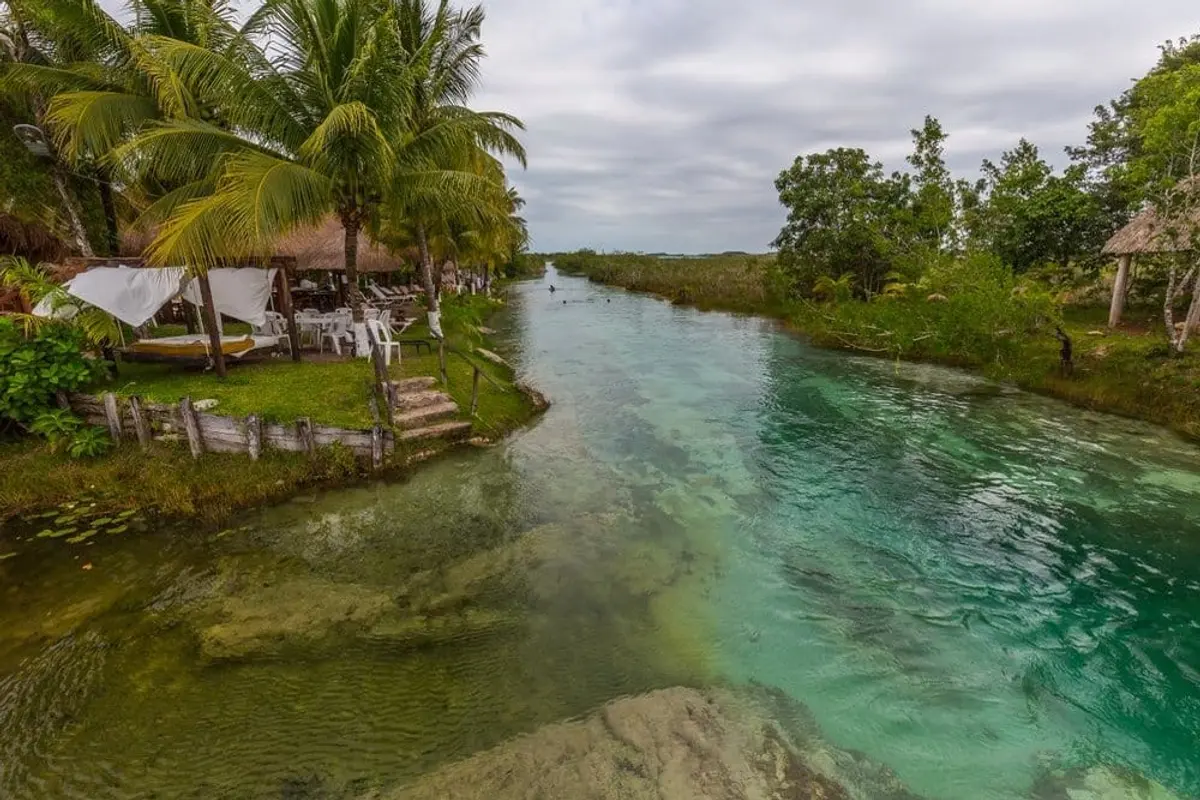
Bacalar in July 2026: Lagoon, Rain & No Sargassum
Is Bacalar Worth Visiting in July 2026?
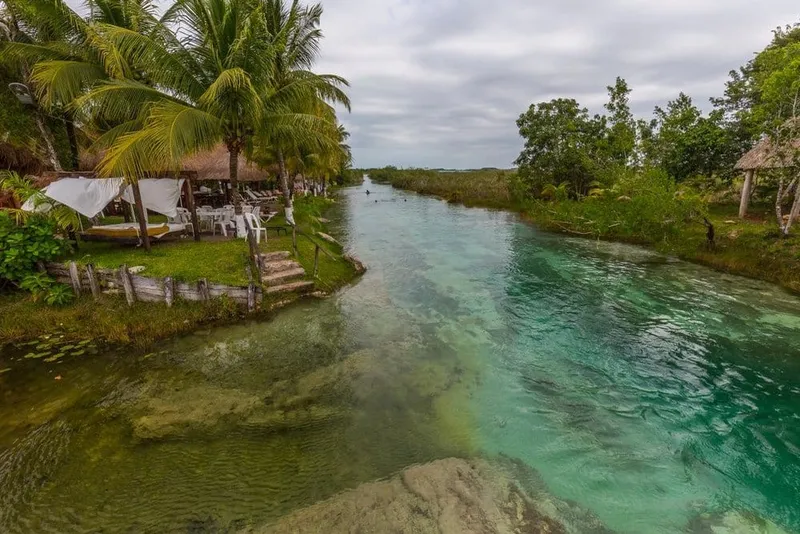
Bacalar in July 2026 is one of the smartest Quintana Roo choices if you want warm water without Caribbean sargassum anxiety. The lagoon is freshwater, so the seaweed that can affect Cancun, Tulum, and Playa del Carmen does not wash into Bacalar.
That does not make July effortless. It is hot, humid, rainy, mosquito-prone after showers, and busier than June because summer vacation movement is underway. Bacalar works best when you treat the lagoon as a morning priority, book reliable A/C, and keep afternoons flexible.
Start with Mexico in July if you are still comparing the whole country. Use this guide once Bacalar is on your shortlist and you need the local answer on July 2026 weather, lagoon color, sargassum, crowds, hotels, routes, and whether the longer transfer south is worth it. For non-seasonal basics, keep the Bacalar travel guide, things to do in Bacalar, and best time to visit Bacalar open too.
Bacalar in July in 30 Seconds
| Question | Short answer |
|---|---|
| Is July worth it? | Yes, if you want no-sargassum water days and can plan around heat and rain. |
| Biggest upside | Freshwater lagoon swimming when Caribbean beaches may have heavy seaweed. |
| Biggest downside | Humidity, afternoon storms, mosquitoes, school-holiday demand, and variable lagoon color. |
| Best 2026 window | Late July if you need school-holiday timing; book A/C hotels ahead and keep lagoon plans early. |
| Best trip length | 2-3 nights; choose 3 if lagoon color and weather margin matter. |
| Best base | Lakefront or town-center hotel with strong A/C, shade, and easy tour pickup. |
| Poor fit | Travelers who need ocean waves, dry weather, nightlife, or a short airport transfer. |
July Bacalar is best for couples, families, backpackers, and road-trippers who want clean water, slow mornings, and southern Quintana Roo scenery. It is less ideal if you want a polished beach-resort week, ocean waves, or a trip that depends on clear skies every day.
It pairs especially well with Cozumel in July for reefs, Isla Mujeres in July for whale sharks, Tulum in July for restaurants and ruins, or Valladolid in July style cenote-and-ruins routing before escaping to the lagoon.
Bacalar Weather in July
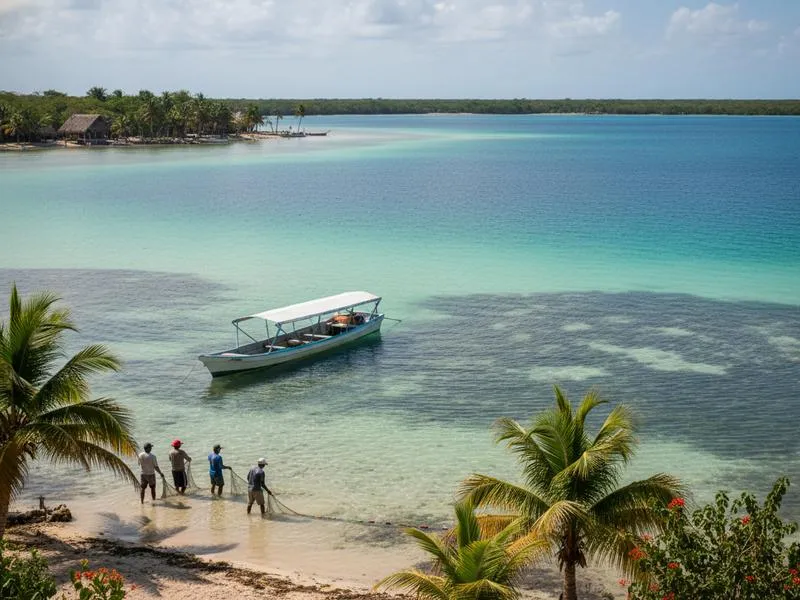
Bacalar in July feels fully tropical. Expect hot mornings, warm nights, strong humidity, and a real chance of afternoon or evening rain. Rain does not usually erase the whole day, but it can flatten the lagoon color, change wind conditions, and make late plans less comfortable.
This is the same broad pattern covered in the Mexico rainy season guide, but Bacalar needs extra flexibility because lagoon color depends so much on sun, wind, and recent showers.
| July factor | What it means in Bacalar | Best move |
|---|---|---|
| Morning | Best chance for calm water and bright lagoon color | Sail, kayak, swim, paddleboard, take photos |
| Midday | Heavy heat away from the water | Lunch, shade, A/C, dock swimming |
| Afternoon rain | Common and sometimes heavy | Keep tours early and avoid tight late-day drives |
| Humidity | Strong after showers and near vegetation | Choose hotels with proven cooling |
| Mosquitoes | More noticeable after rain | Pack repellent and light long sleeves |
The best July rhythm is simple: do the lagoon first. If you wake up to sun and calm water, take the sailing tour, kayak, or swim then. Saving the main water plan for late afternoon is risky because clouds, wind, or rain can change the whole feel of the lagoon.
A/C is not a luxury in July. It is part of the travel strategy. A beautiful room with weak cooling can make Bacalar feel harder than it should.
Lagoon Color, Swimming, and Sargassum
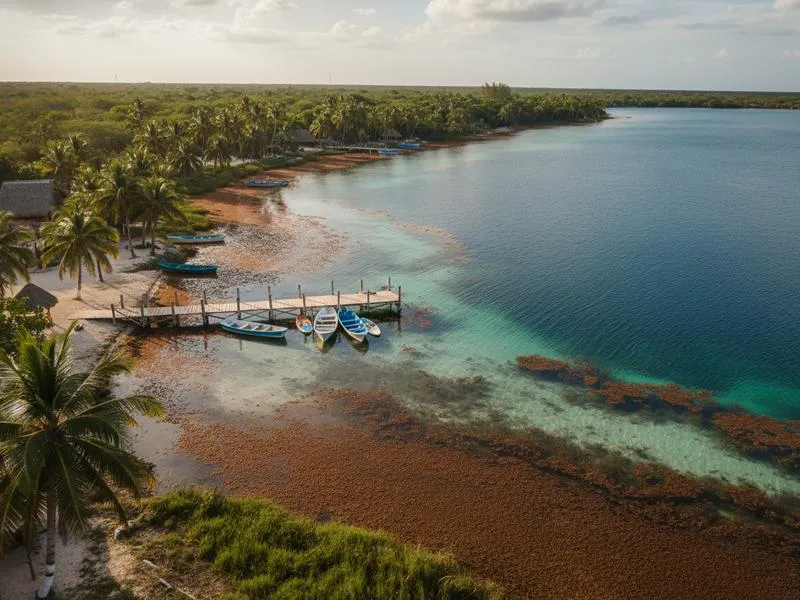
Bacalar’s July advantage is straightforward: there is no sargassum in the lagoon. The town sits on a freshwater system, not the open Caribbean, so seaweed that affects east-facing beaches does not pile up along Bacalar’s shore. If beach conditions are the deciding factor for your route, compare this with the wider Quintana Roo travel guide before choosing your base.
The lagoon still changes by the hour. Its famous blue color depends on sun, wind, rain, cloud cover, and water movement. After a storm, the water can look flatter or more mixed. On a calm sunny morning, it can look electric.
Best July water plans:
- Sail the lagoon early before wind and heat build
- Kayak or paddleboard at sunrise if your hotel has dock access
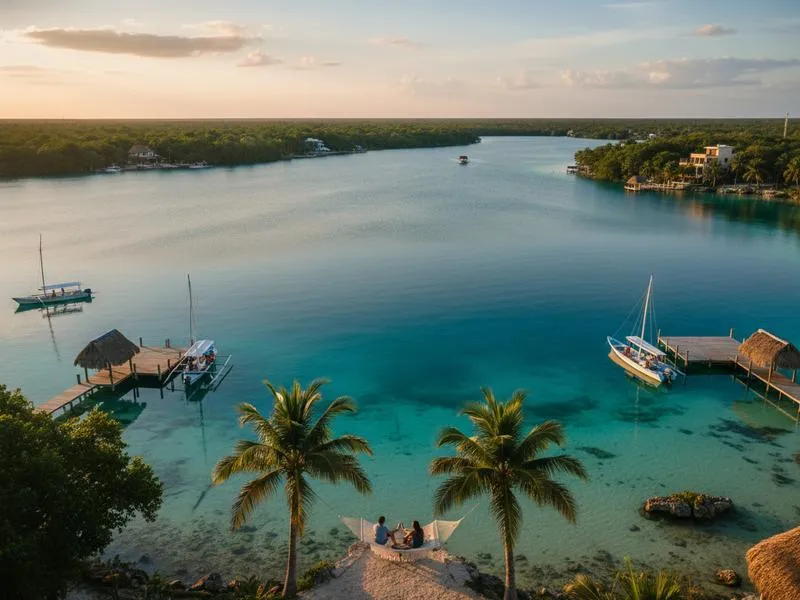
- Swim from a hotel pier between meals and tours
- Visit Cenote Azul or nearby cenotes as a backup when the lagoon looks cloudy
- Choose operators that respect Canal de los Piratas restrictions and stromatolite protection
- Do not stand on stromatolites; they are living formations, not photo platforms
If you need ocean waves, Bacalar is the wrong substitute. If you want clean freshwater, slower nights, and a route that avoids the worst beach-seaweed risk, July can make a lot of sense.
Crowds, Prices, and Summer Travel Value
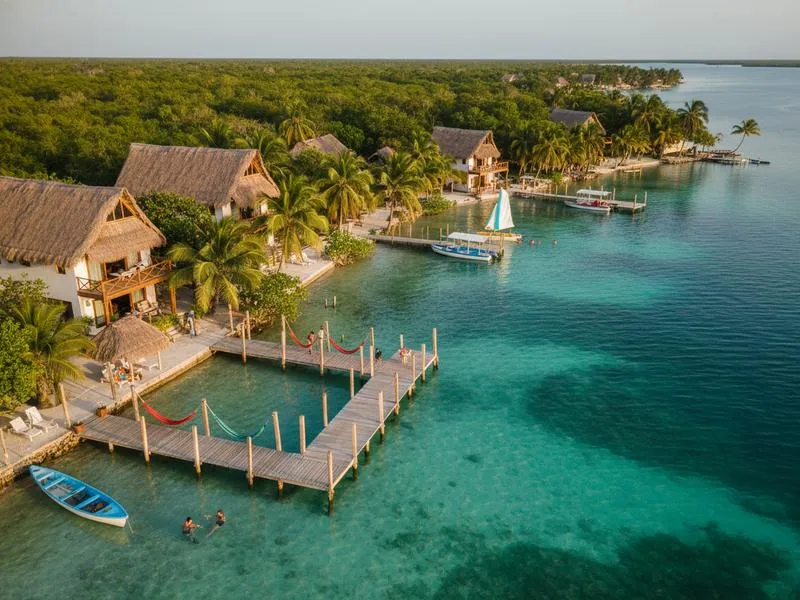
July is not as quiet as June. School holidays, family travel, backpacker routes, and Quintana Roo summer movement all push demand higher, especially on weekends and at lakefront hotels. It is still usually softer than winter holiday season, but you should not treat July as empty low season.
| July window | Crowd pattern | Best move |
|---|---|---|
| July 1-10 | Slightly easier before deeper summer movement | Good value if forecasts look manageable |
| July 11-20 | More family and road-trip demand | Book lakefront stays earlier |
| July 21-31 | Busier summer rhythm across Quintana Roo | Prioritize A/C, dock access, and flexible tours |
Do not chase the cheapest room if it puts you far from water, food, or reliable transport. In July, comfort has value. A shaded dock, working A/C, pool access, and easy tour pickup can matter more than saving a small amount on a room that becomes uncomfortable after rain. Use the Bacalar hotel guide if you are choosing between lagoonfront, town-center, and budget stays.
If you are driving, keep routes daylight-focused. Bacalar combines well with Chetumal, Mahahual, Kohunlich, Dzibanche, Calakmul, Valladolid, and Tulum, but July storms make tight evening drives a poor idea. The Cancun to Bacalar and Tulum to Bacalar route guides are useful if you are deciding whether the transfer fits your flight plan.
Where to Stay in Bacalar in July
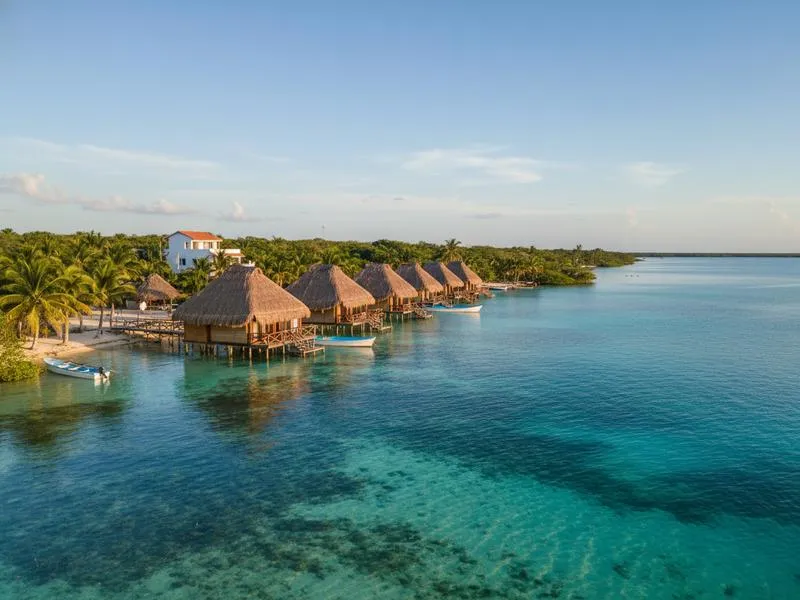
Where you stay shapes the July trip. Heat, rain, and summer crowds make convenience more important than in February or March.
Lakefront hotels are the easiest choice if Bacalar is the point of the trip. You can swim before breakfast, wait out showers without losing the water, and use a dock when the weather opens up again.
Town-center stays work if you want restaurants, lower prices, Fort San Felipe, bus access, and simpler evenings. Choose reliable A/C and assume you will need tours, taxis, or beach-club access for lagoon time.
South-of-town hotels can feel peaceful and spacious, but they work best with a car, arranged transfers, or a hotel that handles meals and tours well. In July rain, being isolated without easy food or rides can feel limiting.
For most travelers, two or three nights is the right length. One night gives you too little weather margin. Four nights can be lovely if you want a slow reset, but combine Bacalar with Valladolid, Tulum, Chetumal, Mahahual, or Calakmul if you want more variety.
Bacalar vs Tulum, Cozumel, Isla Mujeres, and Mahahual in July
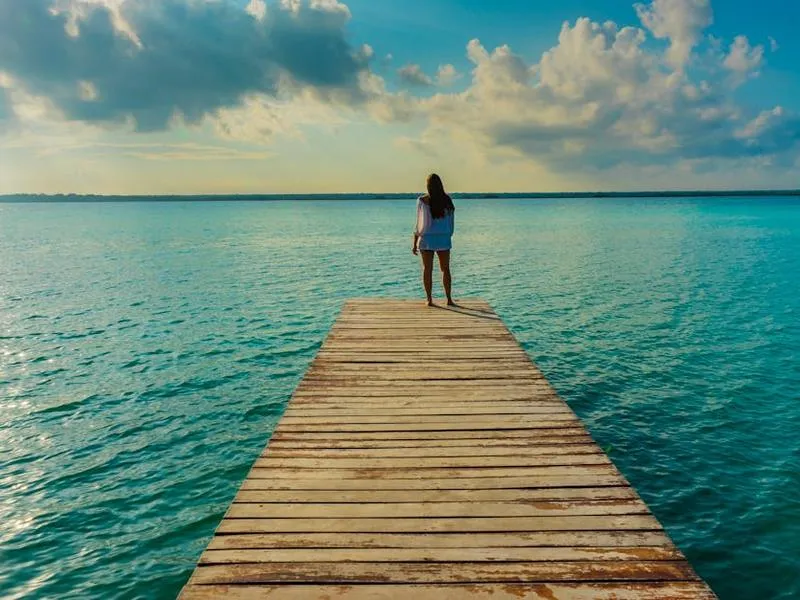
Bacalar is the no-sargassum lagoon choice, not a perfect replacement for every Caribbean trip.
| Destination | Better for | July tradeoff |
|---|---|---|
| Bacalar | Lagoon swimming, sailing, quiet nights, no sargassum | Long transfer, no ocean beach, rainy-season humidity |
| Tulum | Restaurants, ruins, cenotes, design hotels, nightlife | Higher sargassum risk and expensive logistics |
| Cozumel | Diving, snorkeling, west-coast reef days | Ferries and weather flexibility matter |
| Isla Mujeres | Whale sharks, Playa Norte, short Cancun ferry | More day-trip pressure and peak wildlife-season demand |
| Mahahual | Costa Maya beach, reefs, cruise-port access | Beach conditions can still vary with seaweed and wind |
Choose Bacalar if you want calm freshwater, early nights, and a slower southern route. Choose Cozumel if reefs are the main reason for the trip. Choose Isla Mujeres if whale sharks matter most. Choose Tulum if restaurants and nightlife outweigh beach-condition uncertainty. For a deeper side-by-side decision, read Tulum vs Bacalar before locking hotels.
Best July Itinerary Ideas
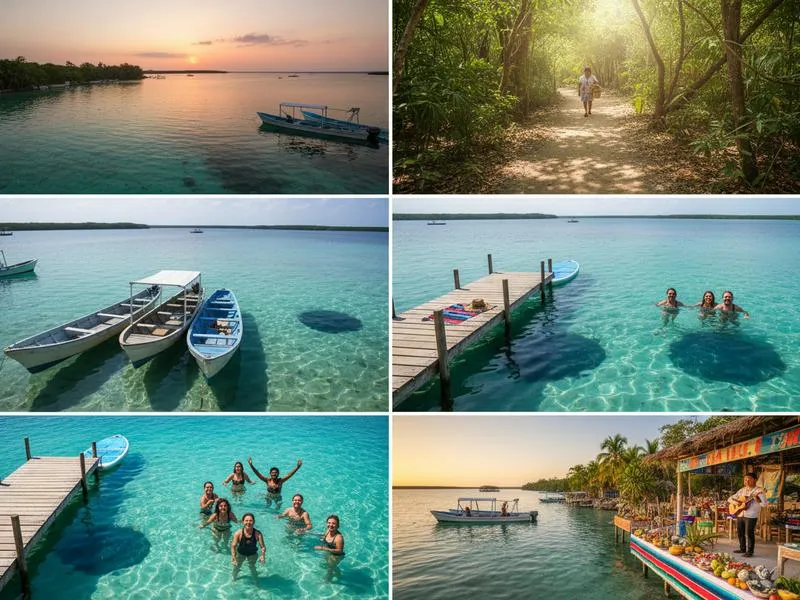
A good July Bacalar plan gives you more than one morning for the lagoon.
2-night Bacalar escape
- Day 1: Arrive from Tulum, Valladolid, Chetumal, or Playa del Carmen; sunset dock time if weather cooperates
- Day 2: Morning lagoon tour, Fort San Felipe, shaded lunch, dock swim, Cenote Azul, or a quiet dinner in town
- Day 3: Sunrise swim, breakfast, then continue north, south, or inland
5-night southern Quintana Roo route
- Night 1-2: Valladolid in July for Chichén Itzá, Ek Balam, cenotes, and cooler evening walks
- Night 3-4: Bacalar for lagoon mornings and slow evenings
- Night 5: Chetumal, Mahahual, or Tulum depending on flights and onward plans
7-night water-focused Quintana Roo trip
- Day 1-2: Playa del Carmen or Tulum for restaurants, cenotes, and ruins
- Day 3-5: Bacalar for no-sargassum lagoon time
- Day 6-7: Cozumel or Isla Mujeres for reefs, whale sharks, or easier Cancun departure logistics
Do not overpack the afternoons. July rewards slower pacing: one real morning plan, one heat-friendly backup, and dinners that can shift if rain arrives.
If your dates are flexible by a few weeks, compare Bacalar in June for slightly easier early-summer pricing and Bacalar in August for later vacation-season tradeoffs.
Final Verdict: Should You Visit Bacalar in July?
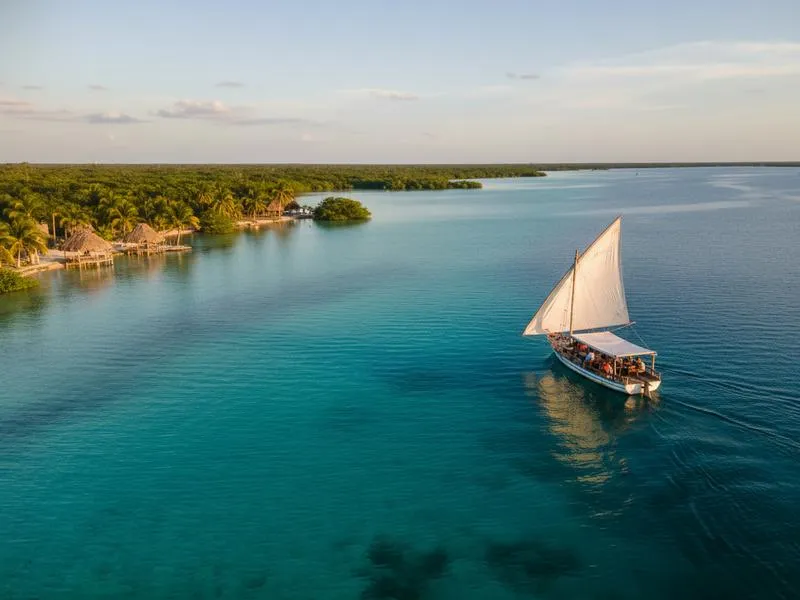
Visit Bacalar in July if you want a sargassum-free water trip, can handle heat and humidity, and are willing to plan around morning lagoon windows. It is one of the strongest Quintana Roo choices when mainland beaches are uncertain because the lagoon gives you a completely different kind of water day.
Skip it if you need ocean waves, dry-season weather, big nightlife, or a quick Cancun airport transfer. July Bacalar is slower, wetter, and more practical than polished.
My take: Bacalar is worth it in July for travelers who book good A/C, stay two or three nights, protect the first sunny morning, and treat rain as part of the rhythm. If you do that, it can be one of the smartest water stops in southern Quintana Roo.