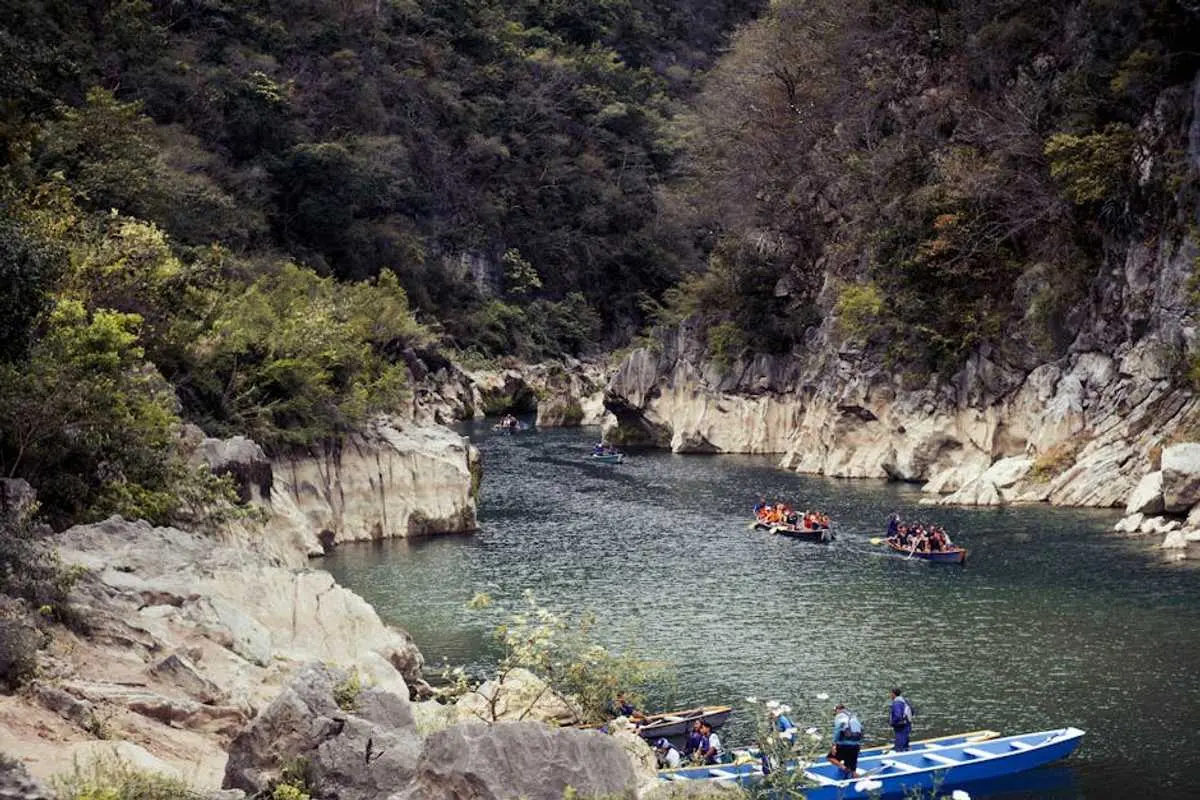
Huasteca Potosina in July: Waterfalls, Rain & Planning
Is Huasteca Potosina Good in July?
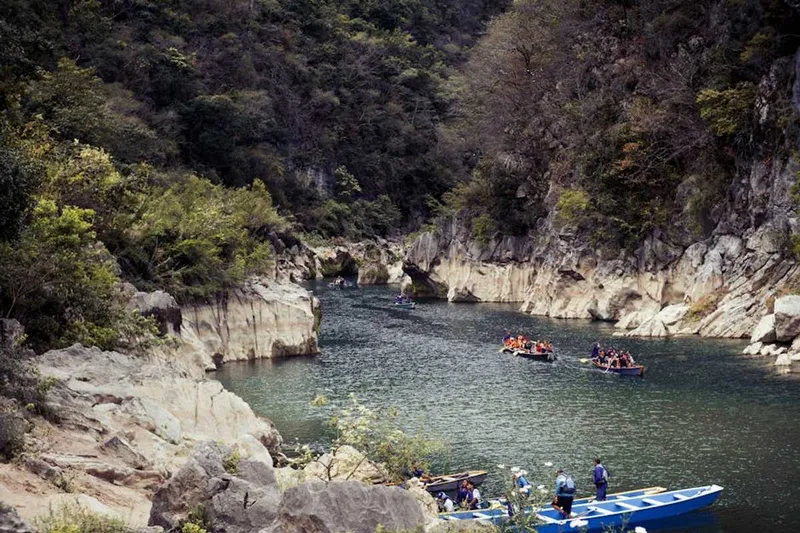
Yes — Huasteca Potosina in July is worth it if you want Mexico’s waterfalls, rivers, caves, and jungle landscapes at their most powerful. This is not the easiest month, and it is not the best month for guaranteed clear-blue water, but it can be the most impressive month for travelers who want an active nature trip.
July sits inside the rainy season. That matters in two opposite ways. Rain feeds Tamul, Micos, Tamasopo, Minas Viejas, Puente de Dios, and the wider river system, so the region feels alive. Rain can also muddy water, raise levels, slow drives, or make guides swap one activity for another.
Start with Mexico in July if you are still choosing between Huasteca Potosina, Oaxaca in July, Holbox in July, La Paz in July, San Cristóbal de las Casas in July, and Mexico City in July. Use this guide when you already know you want waterfalls and need the July-specific tradeoffs, then compare the broader best time to visit Mexico guide if your dates are flexible.
Huasteca Potosina in July in 30 Seconds
| Question | Short answer |
|---|---|
| Is July worth it? | Yes, for powerful waterfalls, green landscapes, rafting, and adventure travel. |
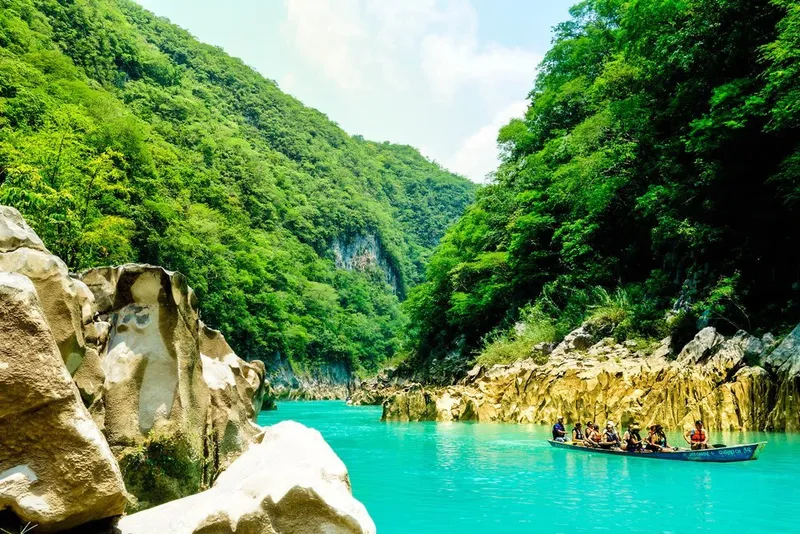
| Biggest upside | The rivers are more dramatic, the jungle is lush, and waterfall volume is strong. |
| Biggest downside | Rain can affect water color, access, roads, and the exact order of your tours. |
| Best 2026 window | Early to mid-July for strong scenery before late-summer rain patterns become more disruptive. |
| Best base | Ciudad Valles for most travelers; Xilitla as an add-on. |
| Best trip length | 3 full days minimum; 4 days is safer in July. |
| Poor fit | Travelers who need guaranteed turquoise water, dry weather, or resort-style simplicity. |
The mistake is treating Huasteca Potosina like a checklist. July rewards travelers who give guides flexibility, protect the mornings, and accept that the best current waterfall might not be the one they saved on Instagram.
Weather in Huasteca Potosina in July
Huasteca Potosina in July is hot, humid, and storm-prone. Ciudad Valles often feels heavier than highland cities because the air is tropical and the sun is strong when clouds break. Book lodging with reliable A/C, start early, and use the Mexico rainy season guide to understand why afternoon storms can change waterfall plans quickly.
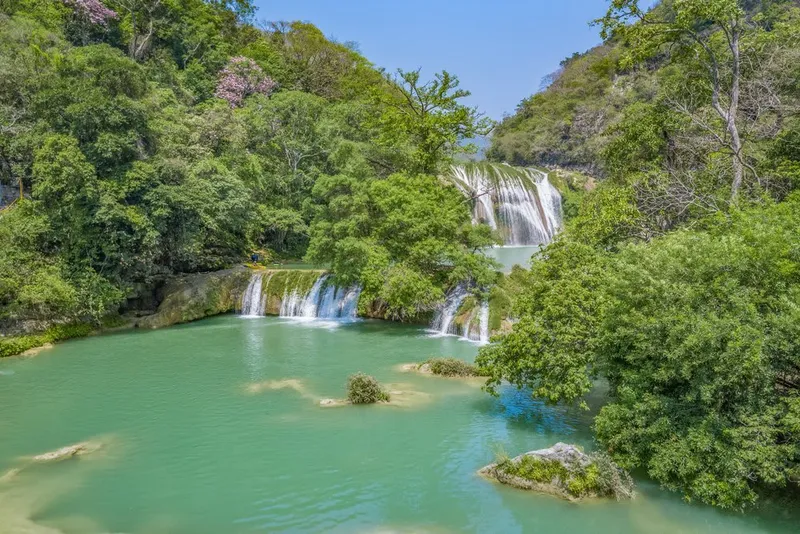
The key issue is recent rain, not the calendar alone. After calmer stretches, water can look blue-green and the waterfalls can be spectacular. After heavy storms, some rivers turn brown, levels rise, or operators choose safer alternatives.
| July factor | What it means | Best move |
|---|---|---|
| Morning | Best window for transfers, waterfalls, photos, and lower heat | Take early pickups seriously |
| Midday | Humid heat and stronger sun between storms | Swim, rest, hydrate, and use shaded stops |
| Afternoon rain | Common and sometimes heavy | Keep the itinerary flexible |
| River color | Beautiful after calm days, cloudy after storms | Ask guides about current conditions, not averages |
| Packing | Wet, hot, active, and practical | Water shoes, dry bag, quick-dry clothes, light rain shell |
If you want cooler July weather, compare San Cristóbal de las Casas in July or Mexico City in July. If you want beaches with no sargassum, compare La Paz in July, Mazatlán in July, or Puerto Vallarta in July. For wider weather risk planning, pair this page with the Mexico hurricane season guide before locking flights.
Best Things to Do in Huasteca Potosina in July
July is best for a focused waterfall-and-river trip, not a rushed route that tries to cover every attraction in two days. Distances are longer than they look, roads are slower after rain, and the best operators will adjust plans around safety and water conditions.
Visit waterfalls when guides say conditions are best
Tamul, Micos, Tamasopo, Minas Viejas, Puente de Dios, and El Meco are the names most first-timers compare. In July, do not lock your heart onto one exact stop before speaking with a local operator. Water level, clarity, and access can change quickly, so use the best waterfalls in Mexico guide for inspiration but let current conditions decide the final order.
Use Ciudad Valles as the practical base
Ciudad Valles is the easiest base because it has tour offices, supermarkets, bus links, restaurants, ATMs, and hotels that can handle wet gear. It is functional rather than romantic, but July is the month when function matters. Read Ciudad Valles in July if you need the base-city version of this same rainy-season plan.
Add Xilitla if you have time
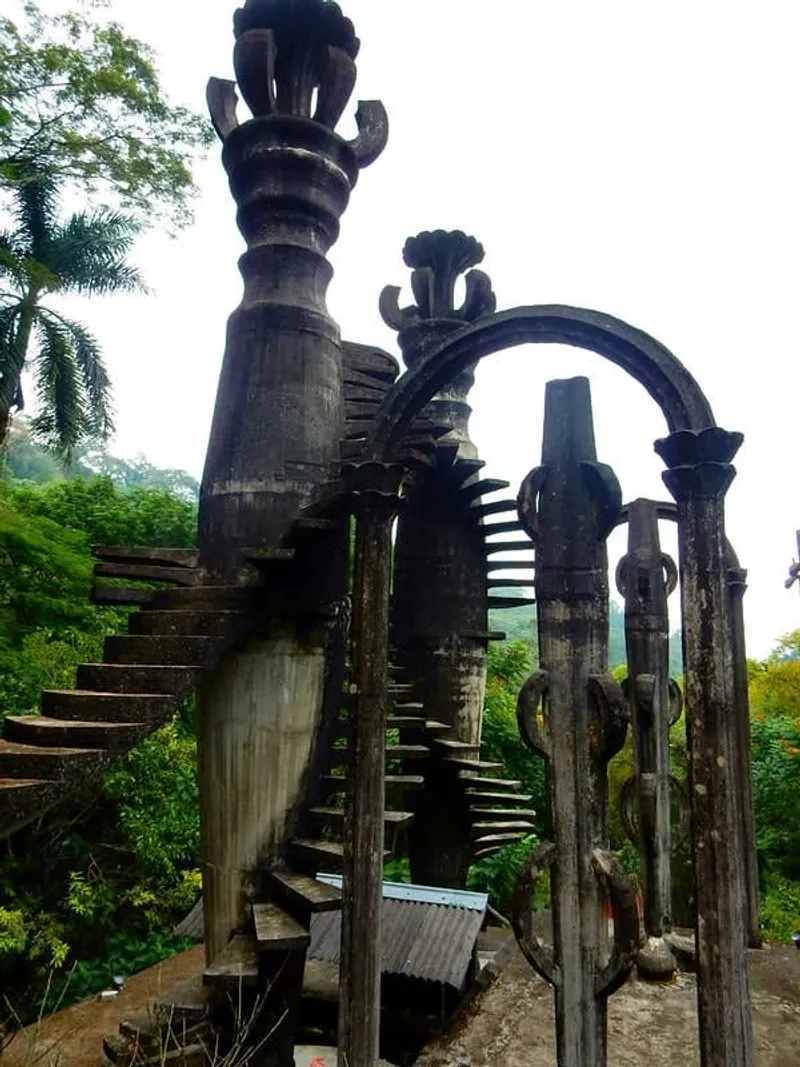
Xilitla and Las Pozas are excellent in a green July landscape, but they work better as their own day or overnight. The route is slow, humid, and better enjoyed without a second demanding waterfall stop squeezed into the same afternoon. Use Xilitla in July when Las Pozas is more than a quick add-on.
Consider Tamtoc or Sótano de las Golondrinas
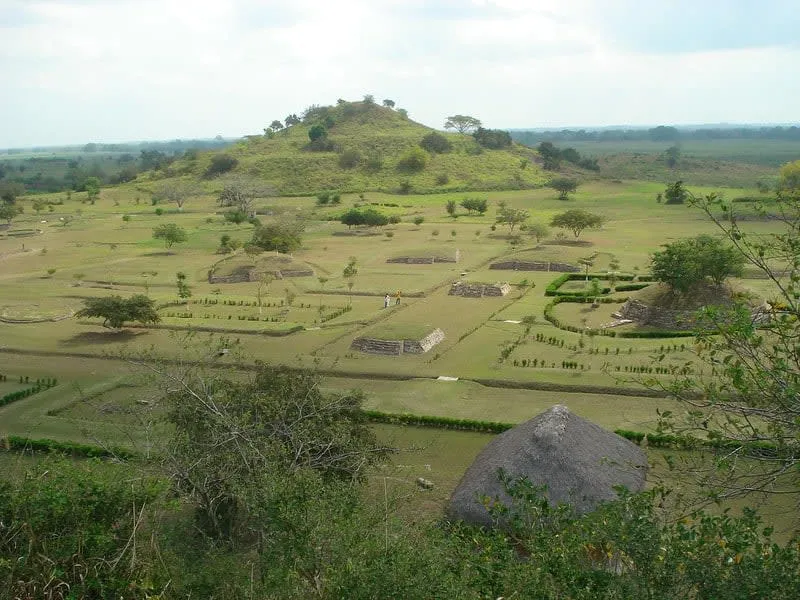
Tamtoc adds archaeology and Teenek history to a region many travelers experience only through water. Sótano de las Golondrinas is a major nature stop, but timing and weather matter, so confirm current access and guide advice before committing.
Where to Stay in July

For most July trips, stay in Ciudad Valles first. Choose a hotel for A/C, pickup access, parking if you have a car, breakfast timing, and simple laundry or drying space. A pretty hotel that makes tour logistics harder is the wrong tradeoff in rainy season.
Xilitla is better for travelers who want Las Pozas, mountain scenery, and a slower town stay. If you have four nights, a good split is three nights in Ciudad Valles and one night in Xilitla.
| Base | Best for | July caveat |
|---|---|---|
| Ciudad Valles | Waterfall tours, transport, restaurants, and quick pivots | Hot, practical, and not especially scenic |
| Xilitla | Las Pozas, mountain atmosphere, slower evenings | Less efficient for most waterfall routes |
| Tamasopo area | Being closer to select waterfalls | Fewer services and more car-dependent |
| San Luis Potosi city | Flights, pre/post-trip food and plazas | Too far for easy daily waterfall touring |
If you are building a wider route, pair this with the full Huasteca Potosina travel guide, Ciudad Valles travel guide, and San Luis Potosi in July before booking transfers.
Suggested 4-Day July Itinerary
A four-day structure is better than a three-day sprint in July because rain buffers are useful.
| Day | Plan | Why it works in July |
|---|---|---|
| Day 1 | Arrive in Ciudad Valles, confirm conditions, book or reconfirm tours | Lets you choose based on current water and weather |
| Day 2 | Waterfall circuit such as Micos, Tamasopo, Minas Viejas, or El Meco | Uses the first full day for the classic water experience |
| Day 3 | Tamul, rafting, or a guided river day if conditions are right | Keeps the most weather-sensitive day operator-led |
| Day 4 | Xilitla and Las Pozas, Tamtoc, or a backup waterfall | Gives you a flexible slot if storms changed earlier plans |
With only three full days, cut the least important item instead of compressing every transfer. The region is more enjoyable when you leave space for lunch, showers, wet clothes, and changing conditions.
Huasteca Potosina vs Other July Nature Trips
| If you are comparing… | Choose Huasteca Potosina if… | Choose the other place if… |
|---|---|---|
| Huasteca vs Copper Canyon | You want tropical rivers, waterfalls, and guided water activities | You want train scenery, cooler mountains, and canyon viewpoints |
| Huasteca vs Oaxaca | You want nature and water as the main event | You want Guelaguetza, food, markets, mezcal, and craft villages |
| Huasteca vs La Paz | You want jungle, rivers, and inland adventure | You want dry Baja beaches and Sea of Cortez boat days |
| Huasteca vs San Cristóbal | You want waterfalls and humid lowland scenery | You want cool highland weather, textiles, coffee, and villages |
| Huasteca vs Bacalar | You want active waterfall days and stronger adventure logistics | You want an easier lagoon stay with fewer transfers |
Huasteca Potosina is the adventurous choice. It is not polished, and that is part of the point. The payoff is a trip that feels very different from Mexico’s beach-resort circuit.
Final Verdict: Should You Visit Huasteca Potosina in July?
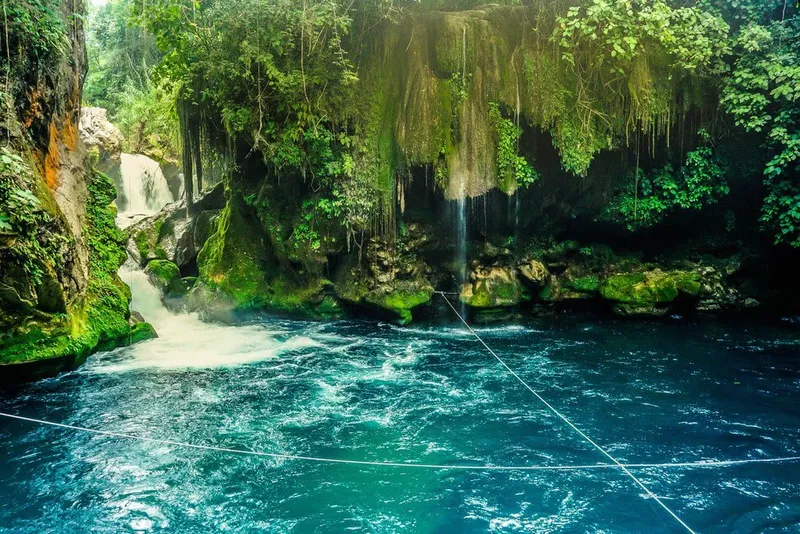
Visit Huasteca Potosina in July if you want dramatic waterfalls, green jungle, rafting, cave rivers, and an active inland Mexico trip that depends on local guides and current conditions. This is one of the most visually powerful times to see the region.
Skip it if you need dry weather, guaranteed turquoise water, simple resort logistics, or a trip where every day can be planned months in advance. July is beautiful here because the water is alive, and that same water makes the destination less predictable.
The best July plan is practical: base in Ciudad Valles, book reputable operators, start early, protect one flexible day, and trust real-time local advice over fixed online itineraries. If the month is still flexible, compare Huasteca Potosina in June for slightly earlier rainy-season timing or Huasteca Potosina in August for a later-summer version of the same water-first route. Do that, and Huasteca Potosina can become the most memorable nature stop of your summer Mexico route.