Oaxaca vs Mérida 2026: Which Colonial City Should You Visit?
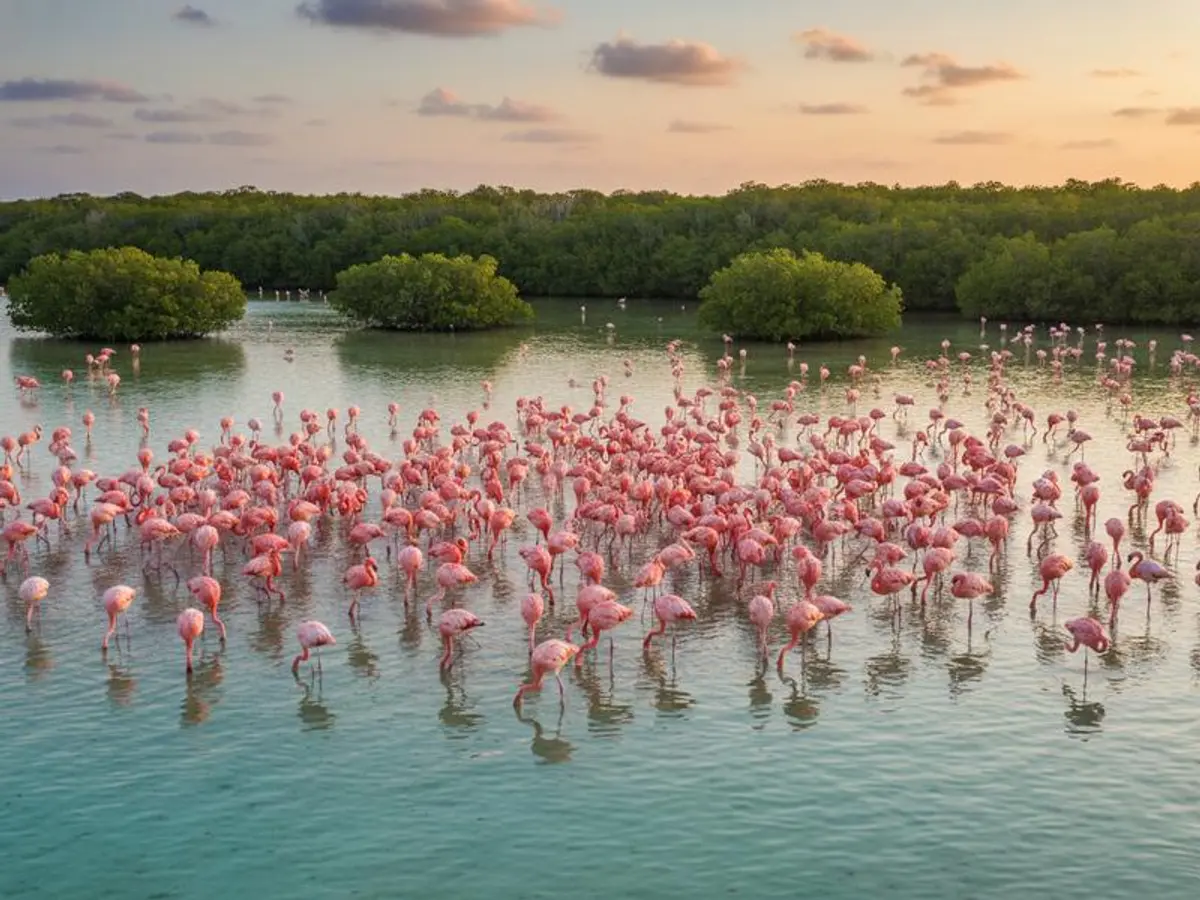
Oaxaca and Mérida are both UNESCO colonial cities in Mexico, both celebrated for food and archaeology — and both wildly different in character. Oaxaca is a highland city of mezcal, mole, and Zapotec culture. Mérida is the gateway to the Yucatán Peninsula’s Maya ruins, cenotes, and Gulf Coast.
If you’re trying to decide between them, here’s the honest breakdown.
Quick Comparison: Oaxaca vs Mérida at a Glance
| Factor | Oaxaca | Mérida |
|---|---|---|
| Location | Mountain valley, 1,500m, southern Mexico | Yucatán Peninsula, low-elevation, flat |
| Climate | Mild year-round, dry season Nov–May | Hot and humid, extreme heat Apr–May |
| UNESCO status | ✅ Historic Center + Atzompa/Monte Albán zone | ✅ Historic Center + Campeche nearby |
| Food scene | ⭐⭐⭐⭐⭐ Seven moles, mezcal, grasshoppers | ⭐⭐⭐⭐ Cochinita pibil, panuchos, Yucatecan |
| Major ruins nearby | Monte Albán (9 km), Mitla (46 km), Yagul | Chichén Itzá (120 km), Uxmal (80 km), Ek Balam |
| Cenotes | None nearby | Hundreds within 2 hrs |
| Beaches | 7–8 hrs to Pacific coast (new Hwy 135D: 3.5 hrs) | Gulf coast 1 hr (Progreso), Riviera Maya 4 hrs |
| Safety (US advisory) | Level 2 (state) / safe in city | Level 1 (state) — safest in Mexico |
| Uber | ❌ Banned (taxis/colectivos only) | ✅ Works freely |
| Budget (mid-range/day) | $50–90 USD | $45–80 USD |
| Best for | Food, mezcal, Indigenous culture, crafts | Maya ruins, cenotes, beach access |
| Airport | OAX (direct from major US cities) | MID (fewer US routes) or fly CUN and bus |
| Expat community | Growing, still authentic | Large (30,000+ expats in Mérida) |
Food: Oaxaca Wins on Depth
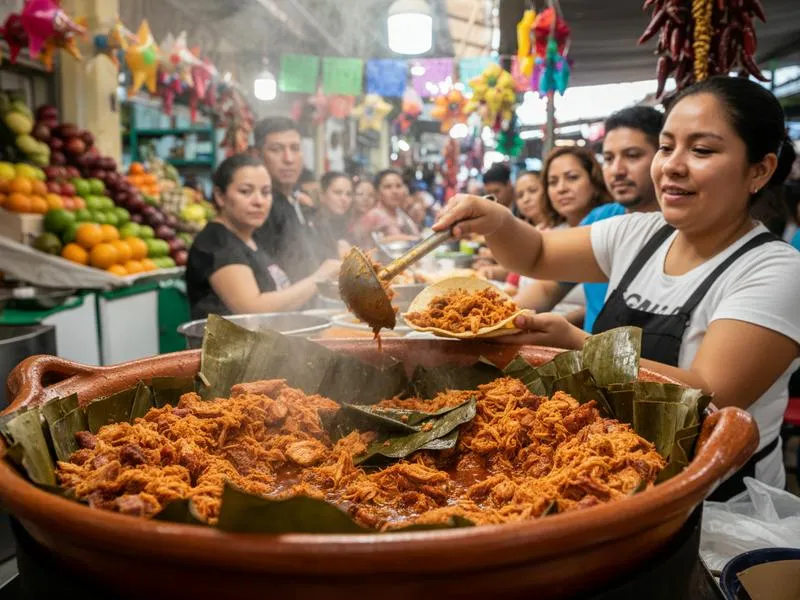
Oaxaca has one of the most distinctive regional cuisines in all of Mexico. The anchor is the seven moles — negro, rojo, coloradito, amarillo, verde, chichilo, and manchamanteles — each requiring hours of preparation with ingredients unique to Oaxacan valleys. Beyond moles:
- Tlayuda — large tostada with black beans, Oaxacan cheese, tasajo, and quesillo
- Chapulines — fried grasshoppers with lime and chili (sold at every market)
- Tejate — pre-Hispanic cold chocolate drink with cacao and mamey sapote
- Mezcal — Oaxaca produces ~85% of Mexico’s mezcal; Santiago Matatlán alone has 200+ registered distilleries
- Mercado 20 de Noviembre — the best food market in Mexico for grilled meats, in the opinion of most visitors who’ve done both cities
Mérida has excellent regional cuisine — Yucatecan food is genuinely distinct from generic “Mexican food.” Cochinita pibil slow-cooked in achiote and wrapped in banana leaves, panuchos with black bean–stuffed tortillas, poc chuc pork marinated in naranja agria, and sopa de lima with regional lime citrus. But the variety is narrower.
Verdict: If food is your primary reason for visiting, Oaxaca is the stronger choice. Mérida is still worth eating in — but Oaxaca’s food scene is more adventurous, more experimental, and more rooted in pre-Hispanic tradition.
Maya Ruins: Mérida Is the Better Base
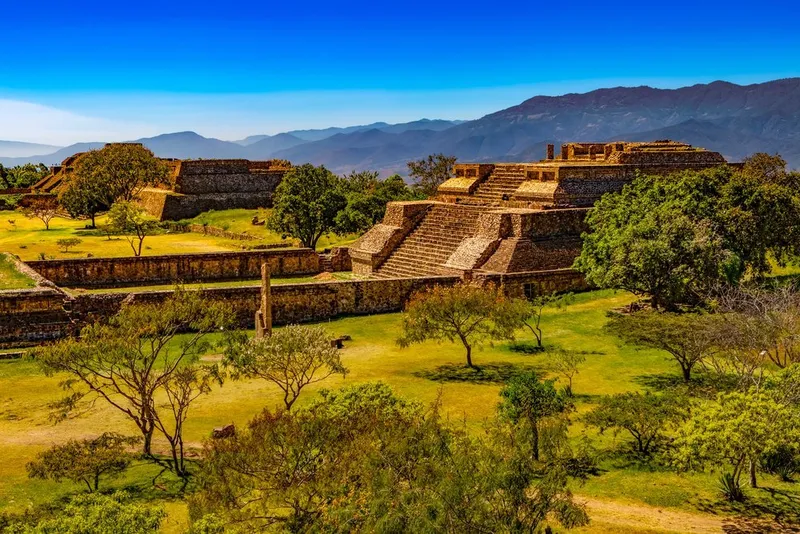
Oaxaca’s ruins are dominated by Monte Albán — the 2,500-year-old Zapotec capital perched on a leveled hilltop 9km from the city. It’s genuinely impressive: the scale of the platform, the observatory Building J (you can climb into it), the carved Danzantes figures. Entry is 210 MXN. You can climb most structures. Other sites: Mitla (geometric stone mosaics unique in the Americas, 46km), Yagul (with UNESCO rock art), Atzompa (green ceramics). But Oaxaca’s sites are Zapotec, not Maya — a different civilization entirely.
Mérida’s ruins access is on a different scale. Chichén Itzá (one of the 7 Wonders of the World) is 120km away — 2 hours by bus or car. Uxmal (arguably more atmospheric, less crowded) is 80km. Ek Balam — the only major climbable Maya pyramid left in Yucatán — is 2.5 hours away. The entire Puuc Route circuit (Uxmal + Kabah + Sayil + Labná) is doable in a day. Dzibilchaltún is just 16km from Mérida.
| Site | From Oaxaca | From Mérida |
|---|---|---|
| Monte Albán | 9 km (20 min) | 12 hrs+ |
| Chichén Itzá | 14 hrs+ | 120 km (2 hrs) |
| Uxmal | Not feasible | 80 km (1.5 hrs) |
| Ek Balam (climbable) | Not feasible | 2 hrs |
| Tulum ruins | Not feasible | 4 hrs |
| Mitla | 46 km (1 hr) | Not feasible |
Verdict: For Maya archaeology specifically, Mérida is the superior base. Oaxaca has Monte Albán, which is worth visiting — but it’s Zapotec, not Maya, and the depth of options around Mérida is unmatched.
Cenotes: Only Mérida Has Them
This is a non-contest. Cenotes — natural freshwater sinkholes formed by collapsed limestone — are almost exclusively a Yucatán Peninsula feature. The cenote region starts roughly an hour from Mérida. The famous Cuzamá horse-cart circuit (through old henequén railway tracks), the cave cenotes at Dzitnup and Samula near Valladolid, and the 3,500+ cenotes across Yucatán state.
Oaxaca has none. The closest swimming cenote to Oaxaca City is in Veracruz state, hours away.
If cenote swimming is important to you, Mérida wins.
Beaches: Oaxaca’s Pacific Coast vs Mérida’s Gulf
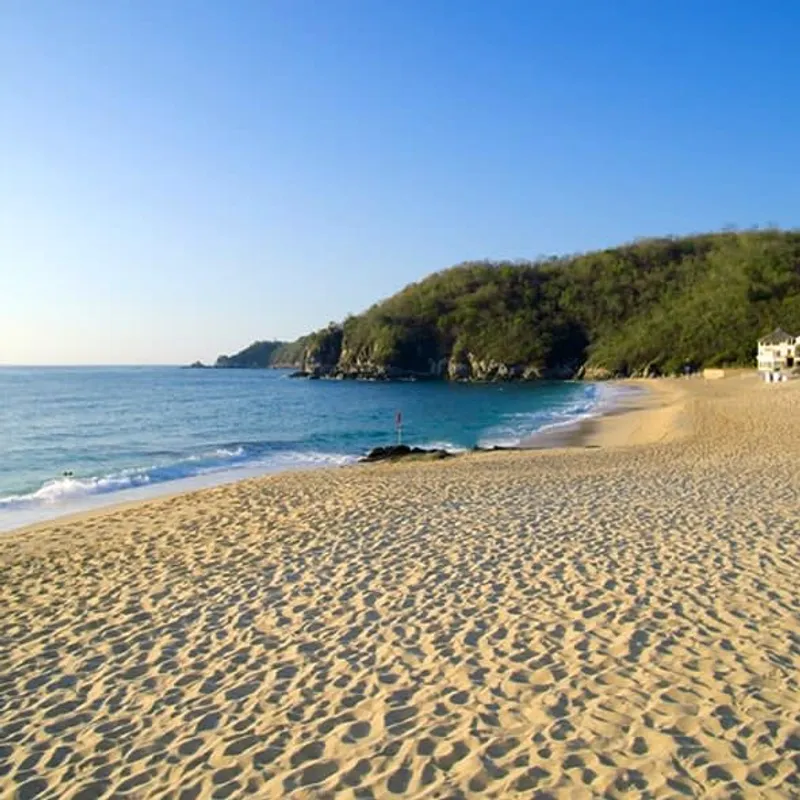
From Oaxaca: Puerto Escondido (surf, turtles, bioluminescence) and the coast around Mazunte and Zipolite are accessible via the new Highway 135D, which cut the journey from 7–8 hours to 3–3.5 hours. The Pacific coast here is sargassum-free year-round — a genuine advantage over the Caribbean. Puerto Escondido is known for powerful surf; beginner swimming is better at Carrizalillo or Playa Marinero. Puerto Ángel and Mazunte are more remote and calm.
From Mérida: Progreso on the Gulf coast is 35km away — flat Gulf waters, fishing village feel, popular with Meridanos on weekends. The Caribbean coast (Tulum, PDC, Cancún) is 4–5 hours east. Gulf beaches are calm and swimming-safe year-round but less dramatic. Caribbean beaches are more famous, but face sargassum seaweed issues April–October on east-facing shores.
Verdict: Draw, depending on preference. Oaxaca’s Pacific coast is wilder, more surfable, and sargassum-free. Mérida offers quicker access to more famous Caribbean beaches (with sargassum caveats) and calm Gulf alternatives.
Climate: Oaxaca Is More Pleasant Year-Round
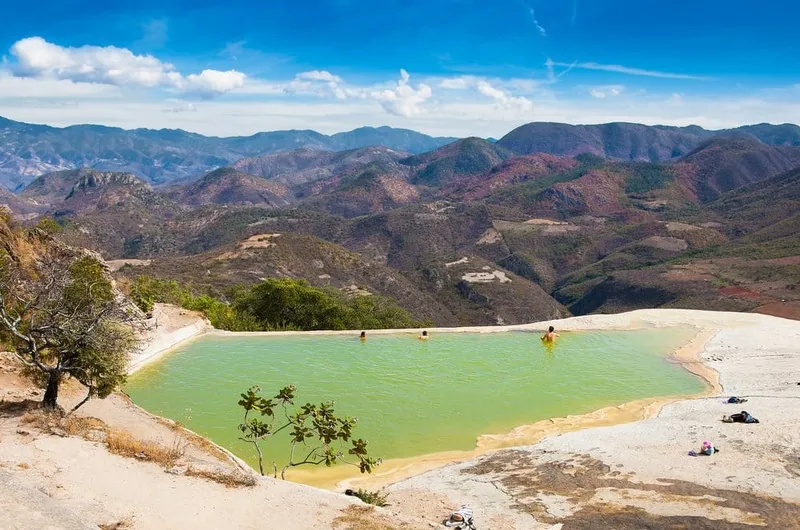
Oaxaca sits at 1,500 meters in a mountain valley. The climate is mild: highs of 24–28°C (75–82°F) year-round, cool nights (12–18°C), and a predictable dry season from November through May. The rainy season (June–September) brings afternoon showers, but mornings are typically clear. Hierve el Agua is closed (and murky) June–October.
Mérida is hot. Average highs in the 30–35°C range (86–95°F); April and May push toward 38–40°C (100–104°F). Humidity is high. There’s no escaping the heat in Mérida — the city was designed for it (hammocks, central patios, early mornings). November through February is the most comfortable period, when temperatures drop to 25–28°C. The rainy season (June–September) brings heavy but brief daily storms.
Verdict: Oaxaca’s climate is more comfortable for most travelers year-round. Mérida’s heat can be brutal April–May. If you’re visiting in summer, Oaxaca is significantly more pleasant than Mérida.
Culture and Craft: Oaxaca’s Depth
Oaxaca has extraordinary Indigenous cultural depth. The state has 16 recognized Indigenous groups — primarily Zapotec and Mixtec — and their craft traditions are living, accessible, and purchasable at fair prices directly from artisans:
- Teotitlán del Valle (30km) — natural-dye Zapotec wool rugs
- San Bartolo Coyotepec (25km) — black clay pottery invented by Doña Rosa (burnishing without a wheel)
- Atzompa (12km) — green-glazed ceramics
- Arrazola & San Martín Tilcajete — painted alebrije figures
- Tlacolula Market (every Sunday) — the largest indigenous market in Oaxaca, authentic commerce not tourist theater
Guelaguetza — Oaxaca’s signature festival (Mondays of July) — is the most important indigenous cultural festival in Mexico, drawing traditional dance groups from all 8 regions of the state.
Mérida has a rich Maya and colonial heritage, but the craft scene is smaller. Henequén (sisal) products, hammocks, and Talavera-influenced ceramics are available. The Yucatán has significant Maya culture — especially in smaller villages like Izamal and Valladolid — but it’s less concentrated near the city itself.
Verdict: Oaxaca wins on cultural depth, living craft traditions, and indigenous market experiences.
Getting There: Oaxaca vs Mérida
Oaxaca (OAX): Direct flights from Mexico City (1 hr), Los Angeles (3.5 hrs), Houston (2.5 hrs), Atlanta (3.5 hrs), Dallas (2.5 hrs). No Uber at the airport — taxis 490–715 MXN to the city center.
Mérida (MID): Direct flights from Mexico City (2 hrs), Miami (2.5 hrs), Dallas (2.5 hrs), Houston (2.5 hrs), Cancún (1 hr). Fewer US routes than Oaxaca — many travelers fly into Cancún (CUN) and take the ADO bus or Maya Train to Mérida (3.5–4 hrs). Uber works at MID airport.
Getting around:
- Oaxaca: No Uber (banned). Taxis and colectivos only. Day trips to ruins/villages require a tour or rental car.
- Mérida: Uber works freely. Day trips to Chichén Itzá/Uxmal by rental car are straightforward; tour buses also available.
Traveler-Type Guide
| You should choose Oaxaca if you: | You should choose Mérida if you: |
|---|---|
| Prioritize food above everything else | Want easy access to Chichén Itzá |
| Are interested in Indigenous culture and craft | Plan to visit multiple cenotes |
| Want to do mezcal tourism | Prefer a cooler, less crowded beach base |
| Are doing a culinary or cooking trip | Want a very safe, walkable colonial city |
| Are traveling in summer (cooler climate) | Have limited time and want efficient ruin access |
| Want to combine city + beach (via new highway) | Are traveling with older adults or families |
| Want an “off the tourist trail” experience | Want Uber and modern infrastructure |
| Are a solo traveler seeking local authenticity | Are basing yourself for the full Yucatán loop |
Should You Visit Both?
Yes — and it’s more feasible than people expect.
The route: Fly into one, out of the other. Most travelers base this around the Mexico City hub:
- Option A: Oaxaca first, fly OAX–MEX (1 hr) → MEX–MID (2 hrs), then explore Yucatán
- Option B: Cancún first, bus/train to Mérida and Yucatán, then fly CUN–MEX → MEX–OAX
- Option C (budget): Overnight buses exist but are 20+ hours each direction — not recommended
For 7 days: Pick one city and go deep. Split trips feel rushed. For 10–14 days: Oaxaca 4–5 days + Mérida 4–5 days with day trips is manageable. For 3 weeks+: Both cities plus the coasts. This is one of Mexico’s best extended routes.
FAQ
Which is more touristic? Mérida is more international-tourist-oriented, with strong English-language infrastructure and heavily visited sites nearby (Chichén Itzá). Oaxaca has grown significantly as a destination — it’s not “undiscovered” — but feels more authentic and less resort-heavy.
Which has better nightlife? Oaxaca wins on bar scene depth — the mezcal bars in the Jalatlaco and Centro neighborhoods are some of the best in Mexico. Mérida has a good salsa/Yucatecan dance scene, particularly around Plaza Santa Lucía on weekends, but it’s quieter than Oaxaca.
Can I visit Oaxaca with kids? Yes. The Ethnobotanical Garden, Monte Albán, the markets, and the food culture all work well with children. The climate is mild and the city is walkable.
Plan Your Trip
- 🏛️ Oaxaca: Oaxaca Travel Guide | 5 Days in Oaxaca Itinerary | Things to Do in Oaxaca | Monte Albán Guide
- 🌿 Mérida: Mérida Travel Guide | 7 Days in Yucatán Itinerary | Things to Do in Mérida | Day Trips from Mérida
- 🔄 Comparisons: Cancún vs Mérida | Cancún vs Tulum | Oaxaca vs San Cristóbal
Book tours in Oaxaca → Book tours in Mérida → Compare travel insurance →