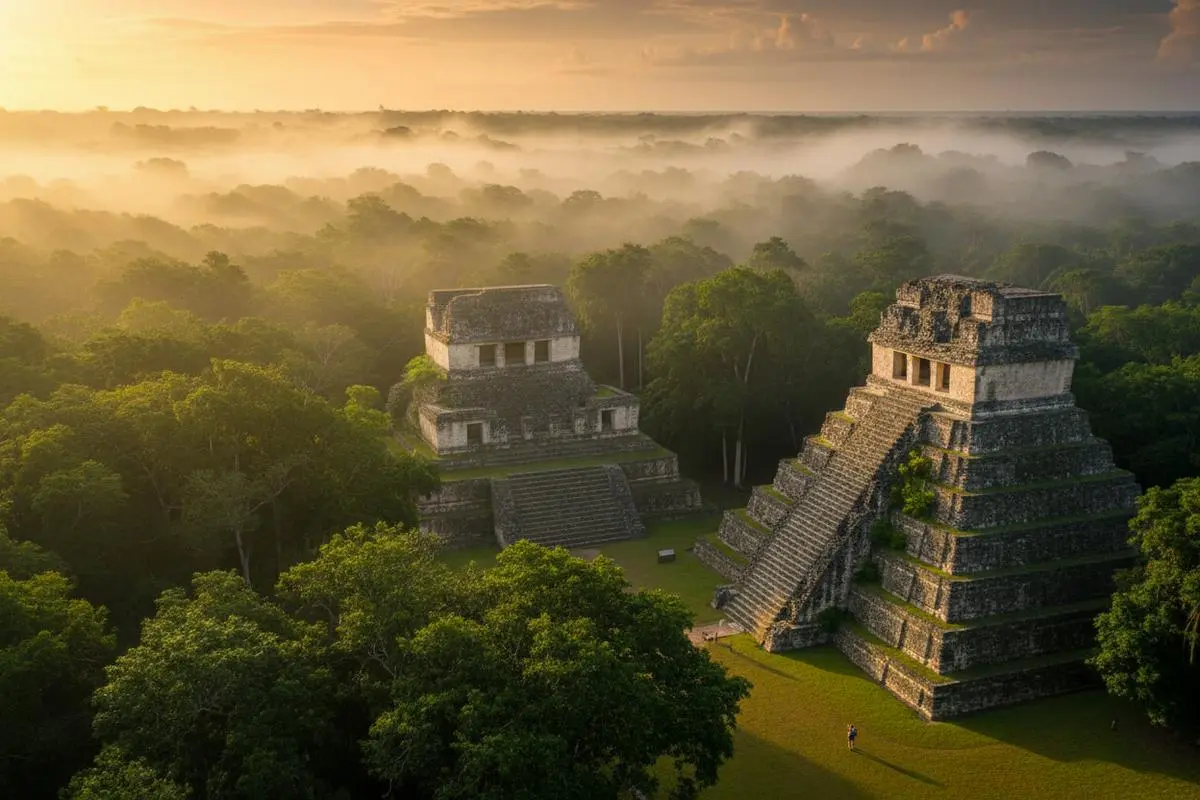
Oaxaca vs San Cristóbal: Which Should You Visit?
Oaxaca vs San Cristóbal de las Casas comes down to your trip style: food and polished day trips in Oaxaca, or cooler weather, lower costs, and living Maya culture in San Cristóbal.
Choose Oaxaca if food, mezcal, craft villages, Monte Albán, and easier tourist infrastructure matter most. Choose San Cristóbal if you want a cooler mountain city, lower daily costs, living Maya culture, and a more backpacker-friendly vibe. If you have 10 to 12 days, do both.
Oaxaca is Zapotec and Mixtec Mexico. It is the undisputed food capital of the country, the mezcal heartland, the Monte Albán UNESCO site, and a circuit of craft villages where artisan families have been working for generations.
San Cristóbal de las Casas is Tzotzil and Tzeltal Maya Mexico. It sits at 2,200 meters in the Chiapas highlands, surrounded by living indigenous communities where syncretic religious practices continue in ways you will not see anywhere else in the country. It has a bohemian, activist energy, excellent coffee, and noticeably lower prices than Oaxaca.
Neither city replaces the other. This guide compares food, costs, weather, safety, day trips, transport, and how many days you need so you can choose one city or build a smarter route that includes both.
Oaxaca vs San Cristóbal: 30-Second Choice
| If you care most about… | Pick this city | Why |
|---|---|---|
| Food and restaurants | Oaxaca | Best food scene in Mexico, from market stalls to destination restaurants |
| Mezcal and craft villages | Oaxaca | Better day-trip circuit, easier logistics, stronger artisan focus |
| Lower prices | San Cristóbal | Hotels, meals, and day-to-day transport are usually cheaper |
| Living indigenous culture | San Cristóbal | Chamula and Zinacantán offer one of the most distinctive cultural experiences in Mexico |
| Easier first-time trip | Oaxaca | Better flights, Uber, more polished tourist infrastructure |
| Cooler weather | San Cristóbal | Highland climate stays crisp while much of Mexico runs hot |
| A one-week trip | Oaxaca | More rewarding if you only have time for one base |
| A deeper 10 to 12 day trip | Both | Take Oaxaca first, then the overnight bus to San Cristóbal |
Quick Answer: Oaxaca vs San Cristobal de las Casas
| Factor | Oaxaca | San Cristobal de las Casas |
|---|---|---|
| Altitude | 1,555m (5,100 ft) | 2,200m (7,200 ft) — bring layers |
| Indigenous culture | Zapotec and Mixtec | Tzotzil and Tzeltal Maya |
| Food scene | ✅ Best in Mexico — 7 moles, tlayudas, mezcal | 🟡 Good — Chiapas coffee, tamales, comida corrida |
| Nightlife | 🟡 Mezcal bars, live music, moderate | 🟡 Bohemian bars, low-key scene |
| Ancient ruins | ✅ Monte Alban (30 min from city) | 🟡 Palenque (5 hrs away), Tonina (2 hrs) |
| Nature excursions | Hierve el Agua, Sierra Norte | Sumidero Canyon, Lagos de Montebello, Agua Azul |
| Day trips | Craft villages, mezcal distilleries, Hierve el Agua | Chamula, Zinacantan, Sumidero Canyon |
| Transport to city | OAX airport (direct flights from US/CDMX) | Tuxtla airport (1 hr shuttle to SCP) |
| Uber | ✅ Works | ❌ No Uber — taxis and colectivos |
| Safety | 🟡 Bloqueo risk on highways | 🟡 Bloqueo risk, some remote area caution |
| Budget per day | 1,200-1,800 MXN comfortable | 800-1,200 MXN comfortable |
| English spoken | Moderate in tourist areas | Less common |
| Time needed | 4-5 days minimum | 3-4 days minimum |
| Best for | Foodies, craft lovers, mezcal enthusiasts | Cultural explorers, budget travelers, photographers |
| Worst for | Budget travelers (getting pricier) | Those wanting easy transport, nightlife |
| Vibe | Sophisticated food culture, craft village circuits | Bohemian, activist, backpacker energy |
| Weather | Warm days, cool evenings | Cool to cold, especially nights |
| Markets | Mercado 20 de Noviembre, Benito Juarez | Mercado de Dulces, Santo Domingo handicrafts |
Choose Oaxaca if: food and mezcal are your priority, you want easy access to Monte Alban ruins, and you love artisan craft villages.
Choose San Cristobal if: you want living Maya culture, a bohemian atmosphere, budget-friendly prices, and some of Mexico’s best photography opportunities.
Oaxaca: What Makes It Special
I have been to Oaxaca more times than I can count, and it never gets old. This city earns its reputation as the cultural heart of southern Mexico. Here is what makes it worth your time.
The Best Food Scene in Mexico
This is not an exaggeration. Oaxaca is where you eat seven varieties of mole, each with its own recipe and occasion — negro, rojo, coloradito, amarillo, verde, chichilo, and manchamanteles. You eat tlayudas (oversized crispy tortillas loaded with asiento, beans, and Oaxacan cheese) from street vendors at 11pm. You try chapulines (grasshoppers) toasted with garlic and lime. You drink mezcal from clay copitas in palenques where the jimador still roasts agave in underground pits.
The food scene spans everything from the smoke-filled aisles of Mercado 20 de Noviembre — where you pick your meat and they grill it in front of you — to tasting-menu restaurants that have put Oaxaca on the international culinary map. If you are a foodie, there is no contest here. Read our full Oaxaca travel guide for restaurant recommendations.
Monte Alban — A 30-Minute Day Trip
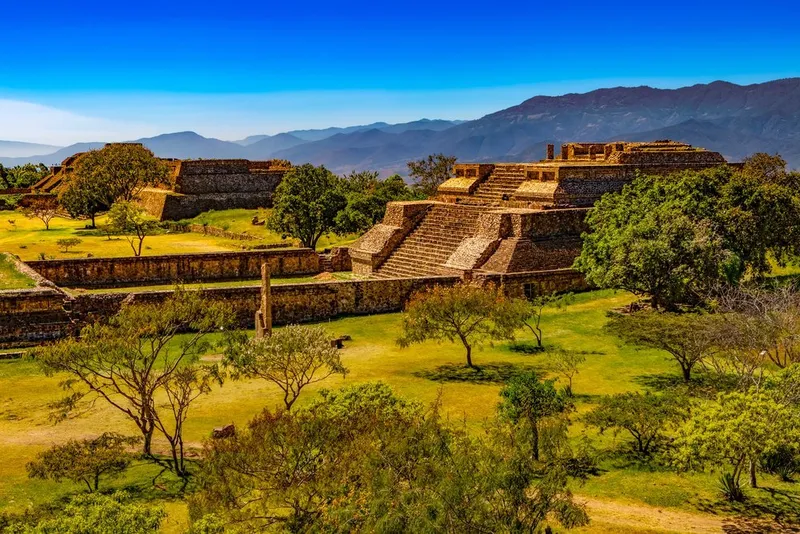
Monte Alban is the ancient Zapotec capital, a UNESCO World Heritage Site perched on a flattened mountaintop overlooking the entire Oaxaca valley. The Zapotecs literally leveled a mountain to build their city. It is one of the most impressive archaeological sites in the Americas, and it is a 30-minute drive from downtown Oaxaca. No overnight trip required, no five-hour bus ride — just go in the morning, explore for three hours, and be back for lunch. That convenience matters. See our day trips from Oaxaca guide for the full rundown.
Mezcal Country
Oaxaca produces the majority of Mexico’s mezcal, and visiting the palenques (small distilleries) in surrounding villages is one of the best experiences in the state. Santiago Matatlan calls itself the “world capital of mezcal,” and you can visit family-run operations where production has not changed in centuries. The difference between artisanal mezcal here and the stuff you get in bars back home is staggering.
The Craft Village Circuit
Within an hour of Oaxaca City, you can visit Teotitlan del Valle (hand-woven rugs using natural dyes), San Bartolo Coyotepec (black pottery — barro negro), San Martin Tilcajete (alebrijes — fantastical painted wood carvings), and Santo Tomas Jalieza (woven belts and textiles). Each village specializes in a different craft, and you buy directly from the families who make them. This is not a tourist market — these are living workshops. Our things to do in Oaxaca post covers the best craft villages to visit.
Guelaguetza Festival
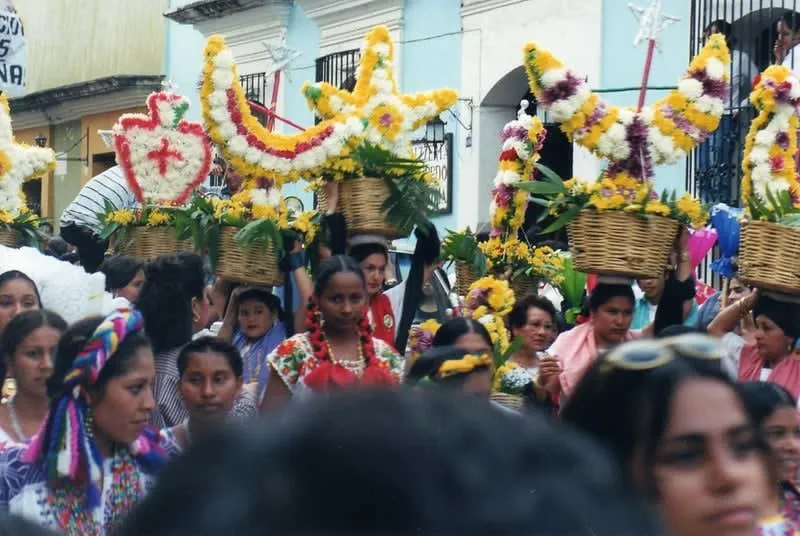
If you can time your visit for July, the Guelaguetza is the biggest indigenous dance festival in Mexico. Delegations from each of Oaxaca’s eight regions perform their traditional dances in the open-air amphitheater on Cerro del Fortin. It is colorful, loud, and deeply meaningful — not a performance for tourists, but a genuine cultural exchange between communities. The best time to visit Oaxaca depends on what you want to see, but Guelaguetza in July and Day of the Dead in late October are the peak cultural moments.
Hierve el Agua
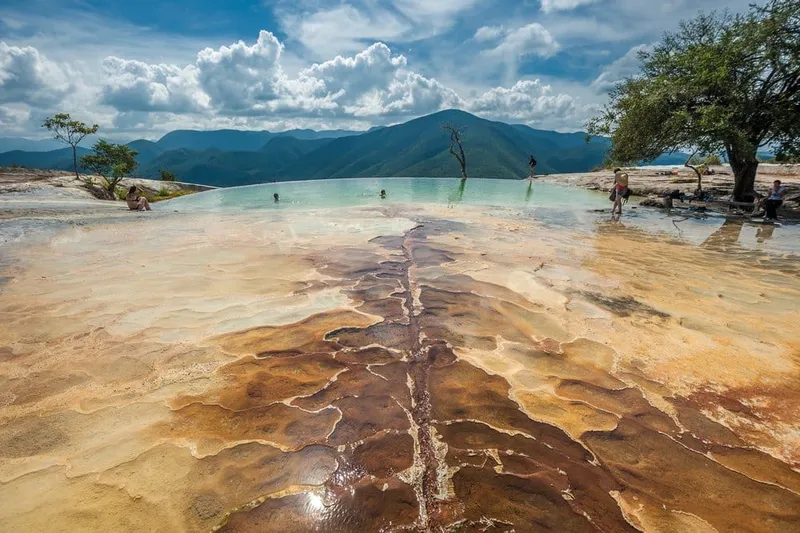
Hierve el Agua is a set of petrified mineral waterfalls with natural infinity pools overlooking the mountains. The mineral-rich water has formed rock formations that look like frozen cascades over thousands of years. You can swim in the pools at the top while looking out over the valley. It is about 70 kilometers from Oaxaca City and makes an excellent half-day trip combined with a stop at the Mitla archaeological site.
More Day Trip Options
Beyond the craft villages and Monte Alban, Oaxaca offers Sierra Norte ecotourism (community-run cloud forest hiking and mountain biking), Mitla ruins (Mixtec-Zapotec mosaics unlike anything at Monte Alban), and El Tule (a 2,000-year-old Montezuma cypress with the widest trunk of any tree in the world). You can easily spend a week doing day trips and still not cover everything. See our 5-day Oaxaca itinerary or 7-day Oaxaca itinerary for suggested schedules.
San Cristobal de las Casas: What Makes It Special
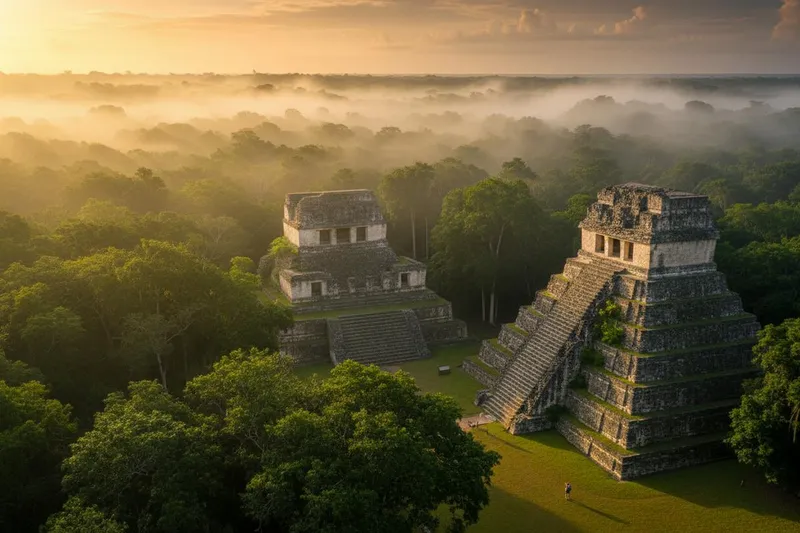
San Cristobal is a completely different Mexico. It is highland, cool, indigenous Maya, and carries a political edge that you feel the moment you arrive. This is Zapatista territory, and the murals, bookshops, and community organizations reflect that history. Here is why people fall in love with this city.
Chamula and Zinacantan — Living Maya Communities
San Juan Chamula is the single most extraordinary cultural experience I have had in Mexico, and I say that as a Mexican. The Tzotzil Maya church in Chamula has no pews. The floor is covered in pine needles. Families kneel on the floor surrounded by candles and bottles of Coca-Cola (used in spiritual rituals). Chickens are sacrificed inside the church. Catholic saints line the walls, but the worship is entirely Tzotzil Maya — a syncretic practice that has survived 500 years of colonization.
Photography inside the church is strictly forbidden, and you should respect that absolutely. But the experience stays with you.
Zinacantan, a neighboring Tzotzil community, is known for its flower greenhouses and textile cooperatives. Women weave extraordinary embroidered textiles and you can visit their homes to watch the process and buy directly. These two villages are a 20-minute colectivo ride from San Cristobal and are covered in our things to do in San Cristobal guide.
Proximity to Palenque
Palenque is one of the most stunning Maya archaeological sites in Mexico — the jungle setting, the Temple of the Inscriptions, the Palace with its tower. It is world-class. From San Cristobal, it is about five hours by bus, which honestly makes it tough as a day trip. I recommend planning an overnight in Palenque town so you can arrive early before the heat and crowds. But the fact that Palenque is reachable from San Cristobal at all is a major draw. Include it in a Chiapas 7-day itinerary for the full experience.
Sumidero Canyon
The Canon del Sumidero is a dramatic gorge with 1,000-meter cliffs carved by the Grijalva River. You take a two-hour boat tour from Chiapa de Corzo (about an hour from San Cristobal) through the canyon, spotting crocodiles, spider monkeys, and birds along the way. The sheer scale of the canyon walls is impressive. This is an easy day trip from San Cristobal.
Agua Azul and Misol-Ha Waterfalls
On the road to Palenque, you pass two of Chiapas’s most famous waterfalls. Agua Azul is a series of turquoise cascading pools — the color comes from limestone minerals in the water. Misol-Ha is a single dramatic 35-meter drop with a cave behind the curtain of water. Both are standard stops on the Palenque route and worth the time.
Lagos de Montebello
Near the Guatemala border, the Montebello Lakes are a series of highland lakes in different shades of blue, green, and turquoise. The colors shift with the light and season. It is one of Chiapas’s most beautiful natural areas and makes a full-day trip from San Cristobal. The road passes through pine forests and Tojolabal Maya communities.
Coffee Culture
Chiapas produces Mexico’s best coffee — particularly the Soconusco and highland regions. San Cristobal is where you drink it. The city is full of small coffee shops roasting Chiapas beans, and the quality is excellent. If you care about coffee, this is your city. You can visit coffee fincas (farms) in the surrounding highlands for a deeper experience.
Bohemian and Activist Energy
San Cristobal has a unique atmosphere that is hard to describe until you are there. It is a city where indigenous Maya women sell textiles next to activist bookshops with Zapatista literature. Where international volunteer organizations share streets with mezcalerias and bohemian cafes. Where murals about indigenous rights cover colonial-era walls. The 1994 Zapatista uprising put San Cristobal on the international map, and that political consciousness remains part of the city’s identity.
Santo Domingo Church and Market
The Church of Santo Domingo de Guzman has one of the most elaborate baroque facades in Mexico — a riot of carved stucco saints, eagles, and mermaids. The courtyard in front hosts a daily handicraft market where Tzotzil and Tzeltal women sell textiles, amber jewelry, and woven goods. It is the best single spot for shopping in San Cristobal.
Cool Highland Climate
At 2,200 meters, San Cristobal is genuinely cool. Daytime temperatures hover around 18-22 degrees Celsius, and nights can drop to 5-8 degrees, even in summer. Bring layers. Many travelers arrive expecting tropical Mexico and are unprepared for cold nights. The upside is that the cool climate creates a cozy atmosphere — fireplaces in restaurants, hot chocolate, and wool textiles everywhere. Check our best time to visit Chiapas guide for seasonal details.
Honest Weaknesses of Each
I believe in honest travel writing. Both cities have downsides, and pretending otherwise does not help you plan.
Oaxaca Downsides
- Getting more expensive. The digital nomad and remote-worker influx has pushed up prices in Oaxaca City significantly. What was once a budget destination is now mid-range, and some neighborhoods have experienced real gentrification. Long-term residents and local families feel the impact.
- Bloqueos (road blockades). Oaxaca state has a strong protest tradition, and highway blockades from teachers’ unions, social movements, and community disputes can disrupt travel plans. The airport road and Highway 190 are common targets. Check current conditions before travel and read our Oaxaca safety guide for specifics.
- Monte Alban crowds. The ruins get busy from 10am to 2pm, especially during holidays. Go early (gates open at 8am) or late afternoon for a better experience.
- Mezcal tourism traps. The mezcal boom has created some operations that cater more to Instagram than to quality. Ask locals or your hotel for recommendations to genuine palenques rather than the ones with shuttle buses.
- The coast requires a separate trip. Puerto Escondido and Huatulco are 6-7 hours from Oaxaca City over mountain roads. You cannot realistically do the city and the Oaxaca coast beaches on a short trip. See our best beaches in Mexico guide if beach time is a priority.
San Cristobal Downsides
- No Uber. Taxis exist but require negotiation. Colectivos (shared vans) are cheap but require knowing the routes. For travelers used to ride-hailing apps, this is an adjustment.
- Bloqueo risk is real. Highway 190 between Oaxaca and San Cristobal — and roads in the Chiapas highlands generally — are subject to blockades. Some are brief (a few hours), others can last days. Build flexibility into your schedule.
- Palenque is not a realistic day trip. Five hours each way means 10 hours of driving for a few hours at the ruins. Plan an overnight or skip it. Guides who sell “Palenque day trips” from San Cristobal are selling exhaustion.
- Altitude and cold surprise people. Travelers expecting warm tropical Mexico show up in flip-flops and t-shirts and spend their first night shivering. Pack warm layers and be prepared for cold rain, especially June through October.
- Less developed tourist infrastructure. Fewer international restaurants, fewer English speakers, fewer organized tours compared to Oaxaca. This is part of the appeal for some travelers and a challenge for others.
- Political tension in surrounding areas. The Chiapas highlands are Zapatista territory. While this does not directly affect tourists in San Cristobal, some remote areas have their own governance structures, and travelers should be respectful and informed. See our San Cristobal safety guide and the broader Mexico safety overview for context.
Best Choice by Trip Style
If you want the fastest honest recommendation, use this section instead of overthinking the entire comparison.
- First trip to Mexico: Pick Oaxaca. It is easier to reach, easier to move around, and has more immediate wow-factor through food, markets, Monte Albán, and mezcal.
- Shoestring or backpacker trip: Pick San Cristóbal. Your money goes further, hostel culture is stronger, and the city rewards slower travel.
- Food-first trip: Pick Oaxaca without hesitation.
- Culture-first trip: Pick San Cristóbal if you care more about living Maya communities and highland identity than restaurants.
- Short trip, 4 to 5 days: Pick Oaxaca.
- Longer inland Mexico trip, 10+ days: Do both, using Oaxaca as your higher-energy first stop and San Cristóbal as the slower second half.
By Traveler Type
| Traveler Type | Better Choice | Why |
|---|---|---|
| Foodie | Oaxaca | Best food in Mexico, period |
| Ruins hunter | Both (different) | Monte Alban easy day trip; Palenque needs overnight from SCP |
| Culture seeker | San Cristobal | Chamula is one-of-a-kind in Mexico |
| Backpacker | San Cristobal | Cheaper, more hostel culture, bohemian vibe |
| Family | Oaxaca | Better infrastructure, more accessible |
| Photographer | San Cristobal | Indigenous markets, church interiors, highland light |
| Honeymooner | Oaxaca | Better restaurants, boutique hotels |
| Solo female | Both safe | See our solo female travel Mexico guide |
| Mezcal lover | Oaxaca | No contest — mezcal capital of the world |
| Coffee lover | San Cristobal | Chiapas coffee country |
| Digital nomad | Oaxaca | Better Wi-Fi, more coworking spaces, cafes |
| Budget traveler | San Cristobal | 25-35% cheaper across the board |
Budget Comparison
Money matters, and the price difference between these two cities is significant enough to influence your decision.
Accommodation
- Oaxaca: Budget hostels start around 250-350 MXN per dorm bed. Private rooms in guesthouses run 500-700 MXN. Mid-range boutique hotels cost 1,000-2,000 MXN. Oaxaca has seen serious price inflation in the last few years.
- San Cristobal: Hostels start around 150-250 MXN per dorm bed. Private rooms in guesthouses are 300-400 MXN. Mid-range hotels run 600-1,200 MXN. San Cristobal remains genuinely affordable.
Food
- Street food prices are similar in both cities — 30-60 MXN for a meal at a market stall or street vendor.
- Sit-down restaurants are cheaper in San Cristobal. A comida corrida (set lunch menu) in San Cristobal runs 60-80 MXN versus 80-120 MXN in Oaxaca. Dinner at a nice restaurant in Oaxaca can easily hit 400-600 MXN per person; equivalent quality in San Cristobal would be 250-400 MXN.
Day Trips and Activities
- Both cities charge 300-800 MXN for organized day trips depending on the activity and whether you go independently or with a guide.
- Monte Alban entrance: 90 MXN. Getting there independently by colectivo is cheap; a private tour costs more but includes guide narration.
- Chamula and Zinacantan can be reached by 25 MXN colectivo from San Cristobal — one of the cheapest extraordinary experiences in Mexico.
Transport Within the City
- Oaxaca has Uber, which keeps taxi prices competitive. Short rides run 30-50 MXN.
- San Cristobal relies on taxis and colectivos. Walking covers most of the historic center easily. Colectivos to surrounding villages cost 20-30 MXN.
Bottom Line
San Cristobal is 25-35% cheaper than Oaxaca on average. A comfortable daily budget in San Cristobal runs 800-1,200 MXN (including accommodation, three meals, and an activity). In Oaxaca, plan for 1,200-1,800 MXN for equivalent comfort. Budget travelers can stretch further in San Cristobal; Oaxaca rewards those willing to spend more on food experiences.
Best Time to Visit Each
Timing matters differently for each city. Here is the breakdown.
Oaxaca: October through April
The dry season runs October through April, with warm days (25-28 degrees Celsius) and cool evenings (10-14 degrees). This is the most comfortable period for sightseeing and day trips from Oaxaca.
Key dates:
- July — Guelaguetza festival, the biggest indigenous dance celebration in Mexico. Worth planning around despite being rainy season.
- Late October to early November — Day of the Dead. Oaxaca is one of the best places in Mexico to experience Dia de los Muertos, with cemetery vigils, comparsas (parades), and elaborate altars throughout the city.
- December — Noche de Rabanos (Night of the Radishes) on December 23. Carved radish sculptures in the zocalo. Uniquely Oaxacan.
San Cristobal: November through March
The dry highland season runs November through March. Days are sunny and pleasant (18-22 degrees), but nights are cold (5-10 degrees). Pack warm layers regardless of when you visit — even in summer, evenings in San Cristobal require a jacket. For more detail, see our best time to visit Chiapas guide.
Key dates:
- January — Festival de San Sebastian, the city’s patron saint festival.
- March — Spring Festival with cultural events and live music.
- June through October — Rainy season. Afternoon downpours are common, and some roads to remote areas become more difficult.
The Sweet Spot for Both
November is the ideal month if you are doing both destinations. Dry season has begun in both cities, Day of the Dead has just passed in Oaxaca (early November dates still have residual celebrations), and San Cristobal’s highland dry season is well underway. December through February also works well, though San Cristobal gets cold at night.
Can You Do Both? The Oaxaca to San Cristobal Route
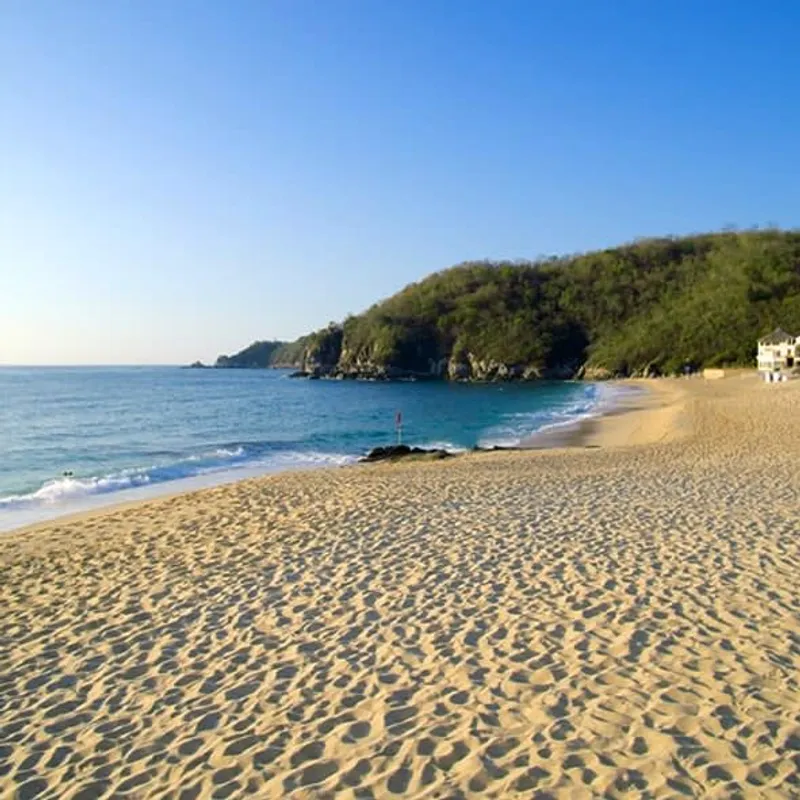
Yes — and many travelers do. Combining Oaxaca and San Cristobal is one of the best two-week itineraries in Mexico. Here is how to make it work.
Getting Between Them
The main route is Highway 190, connecting Oaxaca City to San Cristobal via the Isthmus of Tehuantepec. Options include:
- OCC/ADO overnight bus: 10-12 hours, leaves in the evening, arrives early morning. First-class buses have reclining seats, AC, and a bathroom. This is the most common option and costs 600-900 MXN.
- Tourist shuttle: Several companies run shared vans on this route. Slightly more expensive (800-1,200 MXN) but sometimes faster if conditions are good.
- Flying: There is no direct flight. You would fly Oaxaca to CDMX to Tuxtla Gutierrez, which takes longer and costs more than the bus. Only worth it if you have flight credits to burn.
For the complete breakdown, see our Oaxaca to San Cristobal route guide.
Bloqueo Warning
Highway 190 passes through areas where bloqueos (road blockades) occur. These are usually related to local political disputes, teachers’ union actions, or community demands. Most are resolved within hours, but some can last days. Build at least one buffer day into your schedule in case of delays. Check with your bus company and local news before traveling. The Mexico travel advisory has current information on road conditions.
Sample “Do Both” Itinerary (10 Days)
Here is a realistic 10-day itinerary combining both cities:
Days 1-2: Oaxaca City Walk the centro historico, visit Mercado 20 de Noviembre and Mercado Benito Juarez, explore the zocalo, eat tlayudas and mole, drink mezcal in the evening. Get your bearings and eat as much as possible.
Day 3: Monte Alban + Craft Villages Morning at Monte Alban (arrive by 8:30am to avoid crowds). Afternoon visiting Teotitlan del Valle or San Bartolo Coyotepec.
Day 4: Hierve el Agua + Mitla Full day trip combining the Mitla ruins and Hierve el Agua petrified waterfalls. Stop at a mezcal palenque on the way.
Day 5: Overnight Bus to San Cristobal Spend the morning in Oaxaca — last mezcal tasting, final market visit. Evening OCC bus departure. Sleep on the bus.
Day 6: Arrive San Cristobal + Explore Arrive early morning. Check into your hotel, rest, then explore the centro — Santo Domingo church and market, Andador de Guadalupe pedestrian street, coffee shops. Adjust to the altitude and cooler climate.
Day 7: Chamula + Zinacantan Morning colectivo to San Juan Chamula for the church experience. Afternoon in Zinacantan visiting textile cooperatives and flower greenhouses. Back to San Cristobal for dinner.
Day 8: Sumidero Canyon Day trip to Canon del Sumidero via Chiapa de Corzo. Two-hour boat ride through the canyon. Return to San Cristobal by late afternoon.
Day 9: Free Day or Lagos de Montebello Either a free day to explore San Cristobal at your own pace — Na Bolom cultural center, Amber Museum, more coffee shops — or a full-day trip to Lagos de Montebello near the Guatemala border.
Day 10: Fly Out from Tuxtla Gutierrez One-hour shuttle or colectivo to Tuxtla Gutierrez airport (TGZ). Flights connect to CDMX and other Mexican cities.
Optional Extension: Add 2-3 days for an overnight trip to Palenque from San Cristobal (highly recommended if you have the time). This makes it a 12-13 day trip. See our Chiapas 7-day itinerary for the expanded version.
Common Mistakes Travelers Make
- Treating them as interchangeable colonial cities. They are not. Oaxaca is easier, warmer, and more food-driven. San Cristóbal is cooler, cheaper, and more highland-focused.
- Underestimating San Cristóbal’s cold nights. Bring layers even in spring.
- Trying to force Palenque into a rushed day trip from San Cristóbal. It is much better as an overnight.
- Assuming Oaxaca includes the coast on a short trip. Oaxaca City and the coast still need separate planning, even with the improved highway.
- Ignoring bloqueo risk on the Oaxaca-San Cristóbal route. Keep one buffer day if the connection matters.
Travel Insurance
Travel insurance is most useful here for trip disruption rather than medical drama. The two biggest practical risks on this route are bus or road delays from bloqueos and last-minute plan changes around weather or transport. If you are stitching Oaxaca and San Cristóbal into one itinerary, a policy that covers cancellations and interruptions is more useful than the absolute cheapest plan.
Book Tours
If you prefer organized tours for some activities, here are reliable options through Viator:
- Book Oaxaca tours on Viator — Monte Alban, mezcal tours, cooking classes, craft village circuits
- Book San Cristobal tours on Viator — Chamula and Zinacantan, Sumidero Canyon, Palenque overnight trips
For both cities, you can also arrange guides independently through your hotel or hostel, often at lower prices. The advantage of Viator is cancellation flexibility and English-speaking guides if you need them.
Frequently Asked Questions
Is Oaxaca or San Cristobal de las Casas better?
Neither is objectively better — they are completely different experiences. Oaxaca is the food and mezcal capital of Mexico with Zapotec culture, Monte Alban ruins, and craft villages that have operated for generations. San Cristobal de las Casas offers living Tzotzil Maya culture, proximity to Palenque, a bohemian atmosphere, and lower prices.
Oaxaca suits foodies and craft lovers. San Cristobal suits cultural explorers and budget travelers. Many travelers do both on a 10-12 day trip, and that is honestly the best approach if your schedule allows it. Check the safest cities in Mexico list — both cities rank well for tourist safety.
Can you visit both Oaxaca and San Cristobal on one trip?
Yes, and many travelers do. The Oaxaca to San Cristobal route takes 10-12 hours by OCC overnight bus or tourist shuttle via Highway 190. Plan 4-5 days in Oaxaca and 3-4 days in San Cristobal for a combined 10-12 day trip.
Be aware that Highway 190 occasionally has bloqueos (road blockades) that can delay travel. Build at least one buffer day into your schedule, and check current road conditions before your bus departure.
Which is cheaper, Oaxaca or San Cristobal?
San Cristobal is generally 25-35% cheaper than Oaxaca across the board. Budget accommodation in San Cristobal starts around 300-400 MXN per night versus 500-700 MXN in Oaxaca. Street food prices are similar, but sit-down restaurants are noticeably cheaper in San Cristobal.
Oaxaca has become more expensive in recent years due to increased international tourism and gentrification — a trend that is ongoing. A comfortable daily budget in San Cristobal is around 800-1,200 MXN versus 1,200-1,800 MXN in Oaxaca.
Which has better food, Oaxaca or San Cristobal?
Oaxaca wins for food by a wide margin, and this is not controversial. Oaxaca is widely considered the culinary capital of Mexico, famous for seven varieties of mole, tlayudas, chapulines (toasted grasshoppers), mezcal, and Oaxacan cheese. The food scene includes everything from street markets to world-class restaurants that attract international food writers. Our Mexican foods guide covers the key dishes to try.
San Cristobal has good food — particularly Chiapas coffee, tamales, and affordable comida corrida set lunches — but cannot match Oaxaca’s culinary depth and variety. If food is your primary motivation, Oaxaca is the clear choice.
Is Oaxaca or San Cristobal safer?
Both are generally safe for tourists. Oaxaca’s main risk is bloqueos (road blockades from protests and social movements) that can disrupt travel plans, particularly on highways. San Cristobal also experiences occasional bloqueos on Highway 190 and in surrounding areas.
Neither city has significant violent crime targeting tourists. Petty theft in crowded markets is the most common issue in both — keep your belongings secure and stay aware. See our Oaxaca safety guide and San Cristobal safety guide for detailed information, and our overall Mexico safety overview for broader context.
What is the best time to visit Oaxaca and San Cristobal?
For Oaxaca, October through April is ideal — dry season with comfortable temperatures. July brings the Guelaguetza festival (worth the rainy season), and late October to early November is Day of the Dead. Read our best time to visit Oaxaca guide for the full seasonal breakdown.
For San Cristobal, November through March is best — dry highland season with cool temperatures. San Cristobal sits at 2,200 meters, so it can be genuinely cold at night year-round. Pack layers regardless of when you visit.
If doing both, November through March covers the best season for each destination. November is the sweet spot — dry season has started in both cities, and you catch the tail end of Day of the Dead celebrations in Oaxaca.
Plan Your Trip
Here are our detailed guides for planning your Oaxaca and San Cristobal trip:
Oaxaca Guides
- Oaxaca Travel Guide — comprehensive overview
- Things to Do in Oaxaca — activities and attractions
- 5-Day Oaxaca Itinerary — short trip planning
- 7-Day Oaxaca Itinerary — extended trip planning
- Best Time to Visit Oaxaca — seasonal guide
- Day Trips from Oaxaca — excursions and side trips
- Is Oaxaca Safe? — safety information
Chiapas and San Cristobal Guides
- San Cristóbal Travel Guide — complete city overview
- Things to Do in San Cristobal — activities and attractions
- Best Time to Visit San Cristóbal — weather and seasonal planning
- Chiapas 7-Day Itinerary — full Chiapas trip planning
- Best Time to Visit Chiapas — seasonal guide
- Is San Cristobal Safe? — safety information
- Oaxaca to San Cristobal Route — transport details
General Mexico Guides
- Is Mexico Safe? — overall safety guide
- Solo Female Travel in Mexico — tips for solo women travelers
- Safest Cities in Mexico — safety rankings
Ricardo Sanchez is a Mexico-born travel writer who has spent extensive time in both Oaxaca and San Cristobal de las Casas over the past decade. He believes the Oaxaca vs San Cristobal debate is best resolved by visiting both — start with whichever one calls to you, and let the other wait for your next trip. Or take the overnight bus and do both in one go. Mexico rewards the traveler who goes deeper.