Yucatan Peninsula Travel Guide: Where to Go & When
For a first Yucatan Peninsula trip, choose the Caribbean coast for beaches, Yucatan state for cenotes and Maya ruins, or combine both on a 14-day loop from Cancun through Tulum, Bacalar, Campeche, Merida, and Valladolid. December through April has the easiest weather; a rental car is most useful inland, while buses and the Maya Train work for major stops.
The Yucatán Peninsula is Mexico’s most-visited region, and it earned that status.
Nowhere else in the Americas combines: an intact ancient civilization’s largest surviving cities; underground river systems that create lakes in caves; two coastlines with completely different characters; a wildlife calendar that includes whale sharks, flamingos, sea turtles, and jaguars; and three states with colonial cities that feel nothing like the beach resorts 30 minutes away.
This guide is the full overview — how the peninsula is structured, what to prioritize, how to move between destinations, and how to plan two weeks that covers the highlights without feeling like you’re ticking boxes.
Why the Yucatán Is Different From the Rest of Mexico
One geological fact explains almost everything about the Yucatán Peninsula: it’s made entirely of flat limestone.
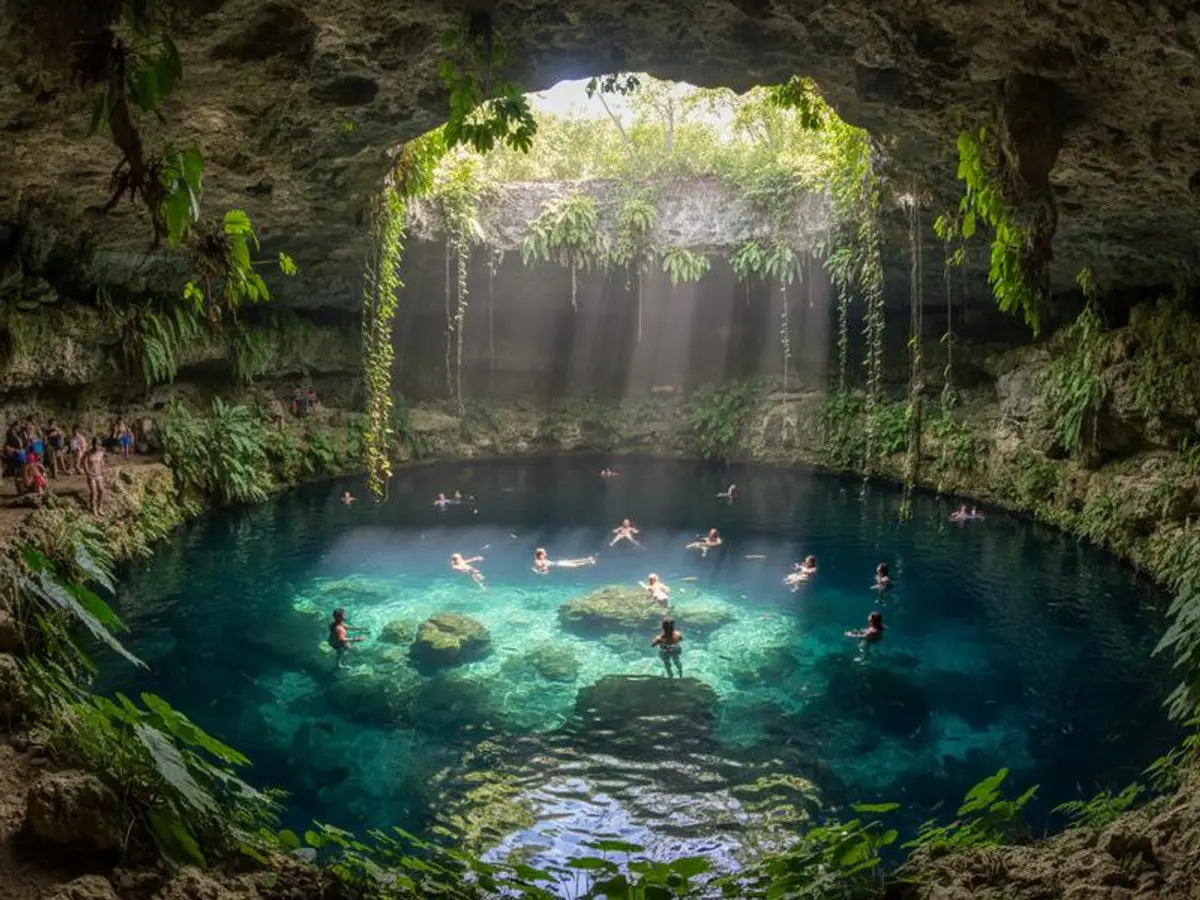
Limestone is porous. When rain falls, it doesn’t form rivers — it soaks straight through the rock into underground aquifers. Over millions of years, this underground water dissolved the limestone from below, creating an enormous network of caverns. When cavern roofs collapse, they form cenotes — freshwater pools that open to the sky, often connected to vast underwater cave systems.
The result: the Yucatán Peninsula has no surface rivers. Zero. The entire freshwater system is underground. Maya civilization was organized around cenote access — the location of every major city was determined by water supply, which meant cenote location.
This geological quirk produces:
- Thousands of cenotes across the peninsula (estimates range from 6,000 to 10,000)
- The world’s longest known underwater cave system (Sac Actun, 376km and counting)
- A flat landscape that extends to the horizon in every direction
- Uniquely clear groundwater that makes cenotes visually spectacular
- Limestone-filtered freshwater that meets the Caribbean in underground “haloclines” (where fresh and salt water create layered visibility effects for divers)
The Maya civilization thrived here for 2,000+ years, reaching its peak between 600-900 CE, and left behind some of the hemisphere’s most sophisticated ancient monuments.
The Three States of the Yucatán Peninsula
The Yucatán Peninsula divides into three states with distinct characters:
Quintana Roo — The Caribbean Coast
Cancun, Playa del Carmen, Tulum, Bacalar, Holbox. This is the face of Mexico for most international travelers — tourism infrastructure, Caribbean beaches, resort hotels.
Quintana Roo didn’t exist as a state until 1974. Cancun was selected by a computer algorithm in 1969 as the optimal location for a new resort city (proximity to airports, beach quality, potential for development). The state was purpose-built for tourism in a way that Yucatán and Campeche were not.
The Caribbean coast is Mexico’s busiest tourism corridor. The advantages: excellent tourist infrastructure, regular international flights to Cancun, competitive hotel prices across all budgets, proximity to major Maya ruins (Tulum, Cobá), and the Caribbean water quality that photographs so well. The disadvantages: sargassum season (variable, April through October in recent years), overtourism in Tulum particularly, and a coastal strip that can feel more like a tourist industry than a travel destination.
Bacalar is the exception — a 50km freshwater lake in southern Quintana Roo with seven colors of blue depending on depth and algae. Still developing but not yet overdeveloped. The most interesting destination in Quintana Roo outside of the ruins.
Yucatán State — The Colonial Interior
Mérida, Valladolid, Izamal, Uxmal, the Puuc route. This is the state that corresponds most closely to the ancient Maya heartland — more ruins per square kilometer than anywhere else in Mexico, a capital city that is one of the finest Spanish colonial cities in the Americas, and a dramatically lower tourist volume compared to the Caribbean coast.
Mérida (population 1 million) is the peninsula’s largest city and its cultural capital. It has a historic center of extraordinary scale and quality — the Plaza Grande, the Cathedral, the Paseo de Montejo mansion boulevard — and a food scene anchored by Yucatecan cuisine that is genuinely distinct from the rest of Mexican cooking (cochinita pibil, papadzules, sopa de lima, poc-chuc).
Valladolid (45 minutes from Chichen Itza) is the peninsula’s most livable colonial town for travelers — small enough to walk everywhere, large enough for a selection of good restaurants and cenote day trips, with Cenote Zaci right in the town center.
Izamal is the “Yellow City” — an entire colonial town painted ochre yellow, with a 16th-century Franciscan convent built on top of a Maya pyramid. Day trip from Mérida, 70km east.
Campeche — The Most Overlooked State
Campeche city has the best-preserved colonial walls of any city in the Americas — a full ring of bastions and fortifications built to repel Caribbean pirates in the 17th-18th centuries. The historic center is UNESCO-listed and painted in saturated colors (yellows, corals, blues) that give it a distinct visual identity. It’s also genuinely uncrowded: far fewer international tourists than Mérida despite being equally deserving.
Calakmul — in the interior jungle of Campeche, far from the coast — is one of the Maya world’s great sites. The largest Maya city in the Peten jungle, it rivals Tikal in Guatemala in scale. The drive requires commitment (6 hours from Cancun, through jungle where military checkpoints are normal), but the site is extraordinary and receives a fraction of Chichen Itza’s crowds.
Getting Around the Yucatán Peninsula
Option 1: Rental Car
The most flexible option and the only practical choice for reaching remote ruins, cenote clusters away from the main highways, Celestún flamingos, and the Puuc route from Mérida. Compare car rental rates for the Yucatán at RentCars — book in advance during high season (December-April) when Cancun airport rental inventory runs low.
Roads on the peninsula are generally good. Highways between Cancun, Mérida, Valladolid, and Campeche are modern and well-maintained. Secondary roads to ruins like Ek Balam and Uxmal are paved but narrower. The road to Calakmul is paved all the way.
Mexican car rental insurance: the basic rate rarely includes full coverage. Add the deductible waiver (CDW) at minimum — accident rates on tourist corridors are higher than the car rental agent’s calm demeanor implies.
Option 2: Maya Train (Tren Maya)
The Tren Maya is Mexico’s largest recent infrastructure project — a 1,554km railway loop around most of the Yucatán Peninsula that opened in sections from 2023 onwards. By 2026, it connects:
- Cancun
- Playa del Carmen
- Tulum
- Bacalar
- Chetumal (border with Belize)
- Campeche
- Mérida
- Izamal
- Valladolid
- Chichen Itza (adjacent station)
For the main loop (Cancun → Tulum → Bacalar → Campeche → Mérida → Valladolid → Cancun), the train is genuinely useful — air-conditioned, punctual by Mexican transport standards, and passes through jungle and coastline that’s not visible from the highway. Book tickets at trenmaya.mx.
The train does not go to Calakmul, Celestún, Uxmal, or the Puuc route — a car remains necessary for these.
Option 3: ADO Buses + Colectivos
ADO is Mexico’s national first-class bus network. For the Cancun-Playa del Carmen-Tulum corridor and Mérida-Campeche-Valladolid intercity routes, ADO buses are comfortable, punctual, and inexpensive (Cancun to Mérida: approximately 300 MXN, 4 hours).
Colectivos (shared van taxis) fill the gaps — Playa del Carmen to Tulum is 45 minutes by colectivo at around 50 MXN. They run when full, departing from fixed points in each town.
The Two-Week Yucatán Peninsula Loop
This is the most logical route for a first visit, designed as a loop starting and ending at Cancun airport:
Days 1-3: Cancun / Isla Mujeres Arrive Cancun. If it’s whale shark season (June-September, Holbox/Isla Mujeres), book a day tour immediately — this is time-sensitive. Use Cancun as a base for the Isla Mujeres day trip and acclimatization. Hotel Zone (Zona Hotelera) for resort experience; Downtown Cancun for a more Mexican city experience at lower prices.
Days 4-6: Tulum Two hours south of Cancun. Tulum Archaeological Zone (cliffside Maya ruins overlooking Caribbean — most photogenic ruins in Mexico). Cenotes in the Tulum Cenote Zone: Gran Cenote, Dos Ojos, Cenote Calavera, Cenote Car Wash. The town of Tulum is divided into “pueblo” (where locals live, good cheap restaurants) and “Tulum Beach” (where boutique hotels charge European prices on sandy lanes).
Days 7-8: Bacalar 4 hours south of Tulum. The Laguna de Bacalar is a 50km freshwater lake — kayak, paddleboard, or take a boat tour through the “seven colors” that shift from turquoise to deep navy depending on depth. The town is small, walkable, and has developed a genuine bar-and-restaurant scene around the malecon without losing its character entirely. Worth 2 nights.
Days 9-10: Campeche 6 hours from Bacalar or 4 hours from Mérida. The UNESCO-listed historic center is the visual highlight of the peninsula’s colonial cities. Walk the full circuit of the walls (1.5 hours), climb Baluarte de la Soledad for the view, eat the Campeche-style shrimp ceviche in the market. Two nights is enough; supplement with a day trip to the Edzná ruins (60km, one of the less-visited but architecturally impressive Maya sites).
Days 11-13: Mérida 3 hours from Campeche. Mérida is where the peninsula’s cultural depth concentrates. Plan 3 days minimum: Paseo de Montejo (walk it in the early morning before it heats up), the Cathedral and Plaza Grande, the Mercado Lucas de Gálvez for Yucatecan breakfast (panuchos, salbutes, chocolomo), and a Celestún day trip (2 hours) for the pink flamingo lagoon — one of Mexico’s most unusual wildlife experiences. Sunday is the best day to be in Mérida — the city closes Paseo de Montejo to cars and the entire boulevard becomes a cyclist and pedestrian parade.
Day 14: Valladolid → Chichen Itza → Cancun Valladolid is the ideal overnight before Chichen Itza (45 minutes away). If you’re doing this as a day trip from Mérida, the timing works but is long. Better: stay in Valladolid the night before, arrive Chichen Itza at 8 AM opening, spend 3 hours in relatively empty site, then drive 2.5 hours back to Cancun for your flight.
Major Ruins Comparison
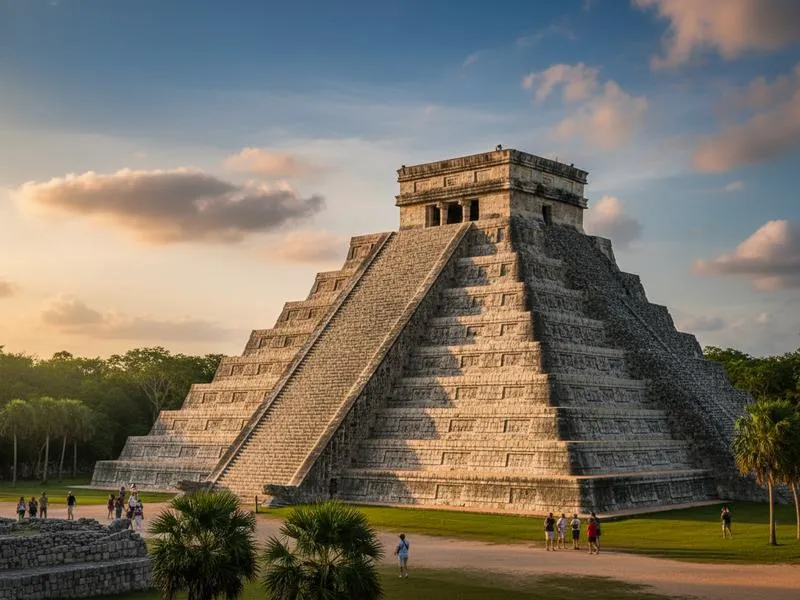
The Yucatán Peninsula has more major Maya ruins than anywhere else. Here’s how to choose:
| Site | Distance from Cancun | Crowds | What Makes It Special |
|---|---|---|---|
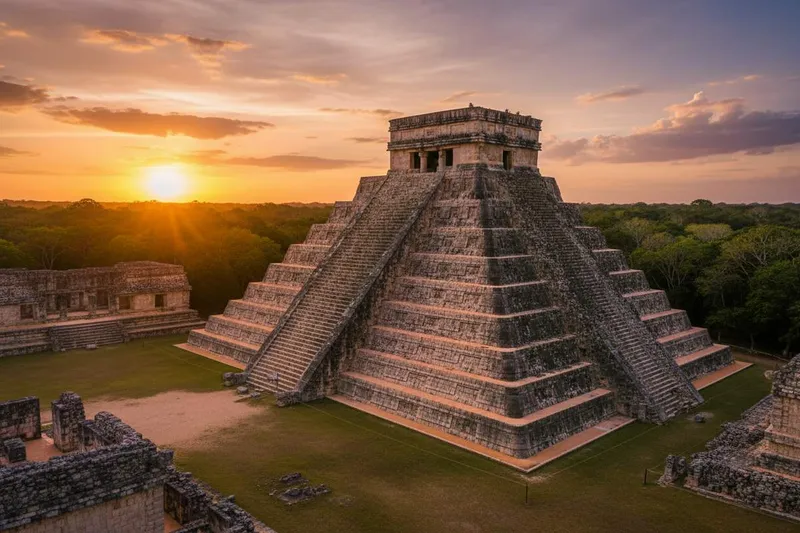
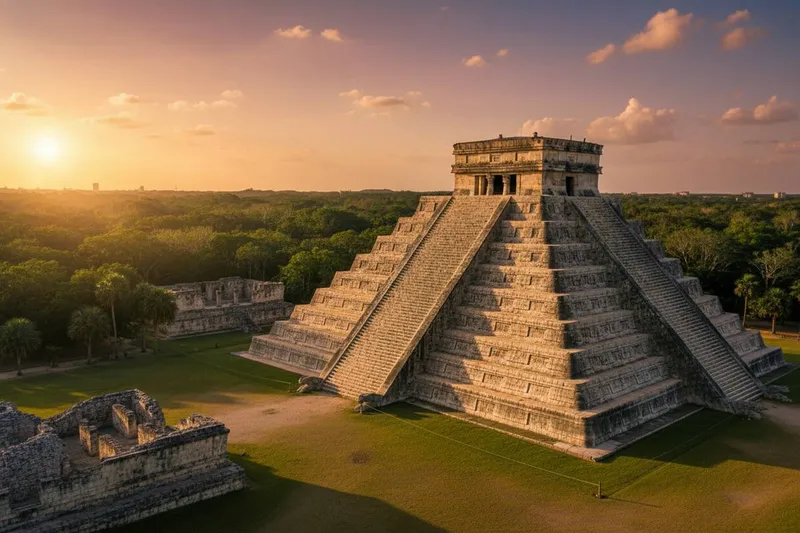
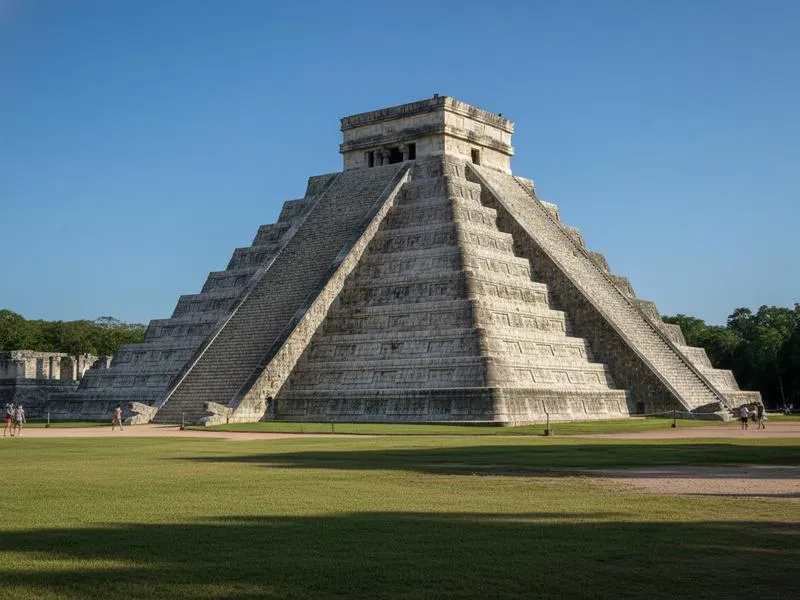
| Chichen Itza | 2.5hr | Extreme | Scale, El Castillo, Great Ball Court, Cenote Sagrado |
| Tulum | 2hr | Very High | Cliffside Caribbean views, most photogenic setting |
| Cobá | 2.5hr | Moderate | Climbable pyramid (145 steps), jungle location |
| Ek Balam | 3hr | Low | Excellently preserved stucco friezes, climbable |
| Uxmal | 4hr from Cancun | Low-Moderate | Best Puuc architecture, Pyramid of the Magician |
| Calakmul | 6hr from Cancun | Very Low | Largest Maya city in Peten, wildlife (monkeys, toucans) |
Recommendation: Chichen Itza is non-negotiable if it’s your first Yucatán trip — go early. Add Ek Balam (20 minutes from Valladolid) for a far more intimate experience with arguably better-preserved detail. If you’re willing to make the 6-hour drive, Calakmul is one of the most extraordinary archaeological experiences in Mexico.
For a deep dive: Chichen Itza guide | Yucatán 7-day itinerary
Cenotes 101
There are four types of cenotes, and each offers a different experience:
Open cenotes: Collapsed roof, open sky. Ik Kil (near Chichen Itza), Cenote Azul (Playa del Carmen), Zaci (Valladolid). Most photogenic, warmest water, most popular.
Semi-open cenotes: Partial roof with openings. Green Cenote / Gran Cenote (Tulum). Good for snorkeling, dramatic light shafts where the roof has openings.
Cave cenotes: Entirely underground. Some around Valladolid and the Cuzamá hacienda area. Requires headlamps, more adventurous, often connected to cave diving systems.
Underwater cave cenotes: For certified cave divers. The Sac Actun system and Dos Ojos (accessible to open water snorkelers in the shallow sections) are the most visited.
Best cenotes by interest:
| Interest | Cenote | Location |
|---|---|---|
| Photography | Ik Kil | Near Chichen Itza |
| Snorkeling | Dos Ojos | Tulum |
| Swimming, families | Gran Cenote | Tulum |
| Fewer crowds | Samula | Valladolid |
| Hacienda experience | Xlacah (Dzibilchaltun) | Near Mérida |
| Cave diving | Sac Actun entrance | Tulum |
| Most photogenic in city | Cenote Zaci | Valladolid (in town) |
The Tulum cenote zone (5-15km west of Tulum town) has the highest concentration of quality cenotes on the Caribbean coast. Rent a bicycle or car and self-navigate — entry to most is 150-300 MXN per person.
For complete cenote coverage: Mexico cenotes guide
Caribbean Coast vs. Gulf Coast: The Real Difference
Most Yucatán travelers spend their entire trip on the Caribbean coast. This is understandable — Cancun has the international airport, the beaches are famous, and the infrastructure is world-class.
But the Gulf coast offers experiences the Caribbean simply doesn’t have:
Celestún Flamingo Reserve: 90 minutes west of Mérida, Celestún’s biosphere reserve holds one of the largest flamingo colonies in the Western Hemisphere — 15,000-20,000 Caribbean flamingos in peak season (October-March). The bird is pink, they move in massive flocks, and the estuary setting makes the experience genuinely surreal. Boat tours depart from the village.
Río Lagartos: 3 hours from Mérida, the even more remote flamingo reserve with birds year-round and smaller crowds. Also excellent for birding (over 350 species including the roseate spoonbill and boat-billed heron).
Calm, warm Gulf water: While the Caribbean gets sargassum, the Gulf coast has warm, calm water with less tourist density. Progreso (Mérida’s beach town, 30 minutes away) is where Meridanos go to the beach — a long pier, low-key atmosphere, inexpensive seafood.
The authenticity gap: Gulf coast fishing villages are still fishing villages. Celestún, Sisal, and Dzilam de Bravo have minimal tourist infrastructure — you eat where the fishermen eat, stay in family-run rooms, and the experience feels like Mexico 30 years ago.
Wildlife Calendar
| Species | Location | Season |
|---|---|---|
| Whale sharks | Holbox, Isla Mujeres, Isla Contoy | June–September (peak July-Aug) |
| Pink flamingos | Celestún, Río Lagartos | Year-round (peak Oct-Mar) |
| Sea turtles (loggerhead) | Akumal, Xcacel beach | May–October (nesting) |
| Green sea turtles | Akumal Bay (snorkeling) | Year-round |
| Jaguars | Sian Ka’an Biosphere | Rare sightings year-round |
| Howler monkeys | Cobá, Calakmul | Year-round |
| Crocodiles | Bacalar, Río Lagartos | Year-round |
| Whale sharks | Holbox / Isla Contoy | June–September |
| Manatees | Chetumal Bay, Holbox | December–April |
| Spider monkeys | Calakmul | Year-round |
Best Month Table
| Month | Caribbean Coast | Interior/Mérida | Flamingos | Whale Sharks |
|---|---|---|---|---|
| January | ★★★★★ | ★★★★★ | Peak | No |
| February | ★★★★★ | ★★★★★ | Peak | No |
| March | ★★★★★ | ★★★★ | Good | No |
| April | ★★★★ | ★★★★ | Good | Starting |
| May | ★★★★ | ★★★ | Good | Starting |
| June | ★★★ | ★★ (heat) | Good | Yes |
| July | ★★★ | ★ (brutal) | Good | Peak |
| August | ★★★ | ★ (brutal) | Good | Peak |
| September | ★★ (hurricane) | ★ | Good | Good |
| October | ★★★ | ★★★★ | Peak | Ending |
| November | ★★★★★ | ★★★★★ | Peak | No |
| December | ★★★★★ | ★★★★ | Peak | No |
Budget Guide
The Yucatán Peninsula has a wide budget range depending on where you base yourself.
Cancun Hotel Zone: 80-300 USD/night for hotels. Restaurants catering to tourists charge US prices. Use Cancun as a gateway, not a base.
Playa del Carmen: 50-150 USD/night. Mix of budget hostels and mid-range hotels on 5th Avenue. More walkable and less resort-oriented than Cancun.
Tulum Beach: 150-400 USD/night for the famous eco-chic bungalows. Tulum Pueblo: 40-80 USD/night. The gap in value between the beach and the town is enormous.
Bacalar: 30-80 USD/night. One of the better values on the peninsula.
Campeche: 25-60 USD/night. The most underpriced colonial city in Mexico relative to quality.
Mérida: 35-100 USD/night. Mid-range hotels in the historic center offer excellent quality. Many converted hacienda properties.
Valladolid: 20-60 USD/night. The cheapest comfortable base on the peninsula.
Daily food budget:
- Budget (street food, markets): 150-300 MXN
- Mid-range (local restaurants, one nice dinner): 400-800 MXN
- Upscale: 1,000+ MXN/day
Entry fees:
- Chichen Itza: 533 MXN + 271 MXN state fee (804 MXN total, approximately 40 USD)
- Tulum: 80 MXN federal + 75 MXN state
- Ek Balam: 395 MXN
- Uxmal: 533 MXN
- Cobá: 80 MXN
- Calakmul: 80 MXN + 60 MXN biosphere fee
Viator Tours Worth Booking in Advance
For the Yucatán Peninsula, advance booking matters most for:
- Whale shark tours (June-September): Limited boats, specific permit zones. Book through Viator — reputable operators with required biosphere permits
- Chichen Itza evening light show (Noche de Kukulcán — seasonal projection shows on El Castillo): Often sold out days ahead
- Sian Ka’an biosphere tours from Tulum: Only licensed operators permitted; capacity is controlled
- Cenote Dos Ojos cave diving / snorkeling: Fill fast in peak season
General day trips to ruins and standard cenote visits can usually be arranged locally or with short notice.
Getting to the Yucatán Peninsula
Cancun International Airport (CUN) is the primary entry point — one of Mexico’s busiest airports with direct flights from most North American cities, multiple European capitals, and extensive domestic connections. More than 30 airlines fly into CUN.
Mérida International Airport (MID) receives connections from Mexico City, Monterrey, Guadalajara, and a handful of US cities (primarily seasonal). Useful if Mérida is your first destination.
Cozumel Airport (CZM): Primarily dive tourism, with some direct US connections. Useful if you’re planning to dive the Cozumel wall systems.
From Cancun airport, ADO buses run every 30 minutes to Cancun downtown (25 MXN), every hour to Playa del Carmen (120 MXN), and multiple daily to Tulum (200 MXN). Rental cars are available at the airport — compare rates at RentCars.
Travel Insurance for the Yucatán
The Yucatán Peninsula has good medical infrastructure in Cancun, Mérida, and Playa del Carmen, but rural stretches and cave-water activities still make it worth checking your policy before you go. If your trip includes cenote diving, long drives, or remote ruins, make sure emergency medical care and evacuation are covered.
Where to Go First
The most common mistake first-time Yucatán visitors make is spending too many nights in Cancun. The Hotel Zone is an efficient base with an international airport and beach access, but it’s the least “Yucatán” thing about the Yucatán.
If you land in Cancun and have 2 weeks, move south within 24 hours. The peninsula deepens as you move away from the resort corridor. Bacalar is 4 hours south and worth every minute of the drive. Mérida is 4 hours west and operates on a completely different register from beach tourism.
The Yucatán Peninsula rewards movement. Book a rental car, build in flexibility, and don’t let the all-inclusive resort make you forget that outside the Hotel Zone, one of the most extraordinary regions in the Americas is waiting.
Internal Links
- Yucatán 7-day itinerary — week-long route with day-by-day breakdown
- Mérida travel guide — Yucatán’s capital city in depth
- Cancun travel guide — using Cancun as a gateway and what’s worth doing
- Tulum travel guide — ruins, cenotes, beach hotels, and what Tulum actually is
- Best time to visit Yucatán — month-by-month seasonal breakdown
- Mexico cenotes guide — complete cenote reference for the peninsula