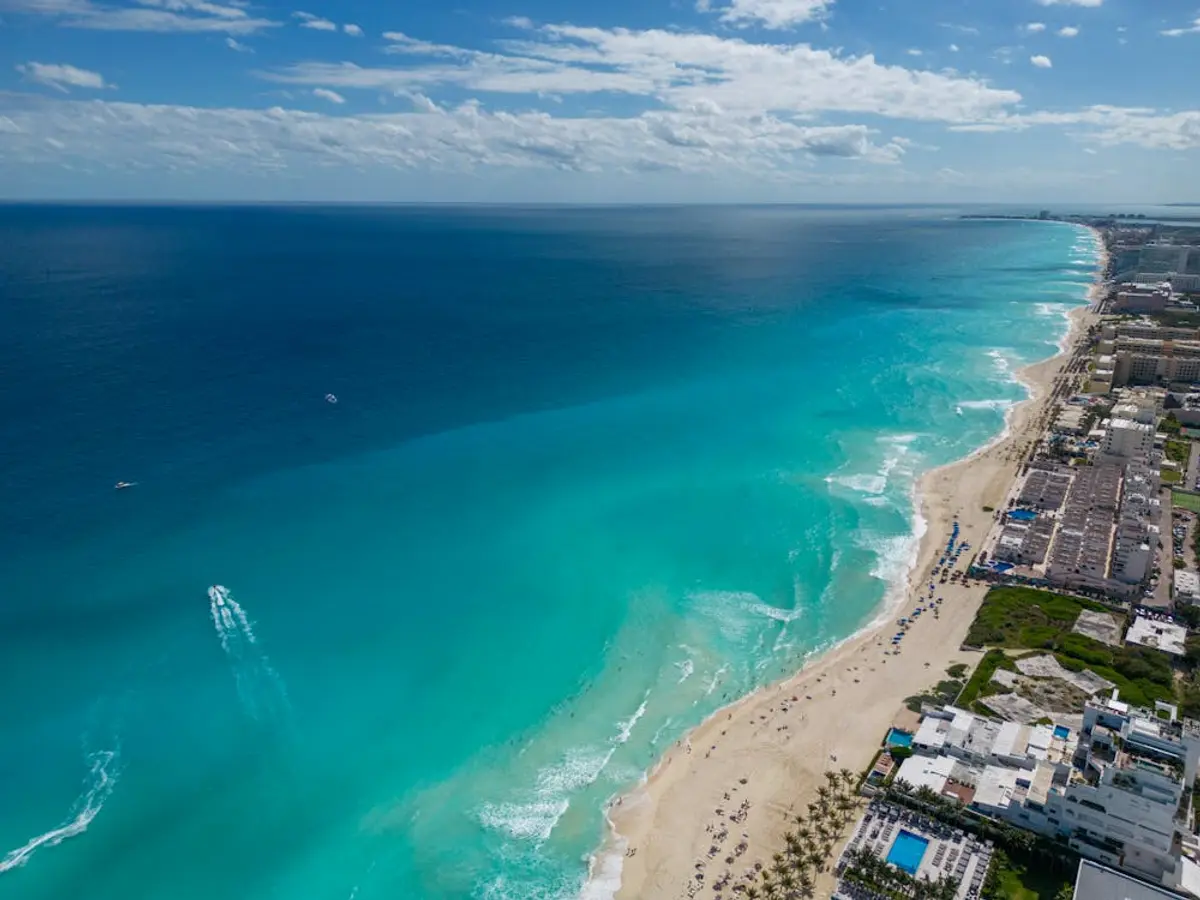
Cancun vs Los Cabos 2026: Which Is Right for You?
Cancun vs Los Cabos is one of Mexico’s great travel debates — and there’s no universal winner. Both are excellent, just completely different.
Cancun is turquoise Caribbean water, ancient Maya ruins, cheap cenotes, and the Riviera Maya within reach. Los Cabos is dramatic desert cliffs, Pacific swells, world-class sportfishing, and seriously luxurious resorts.
You’re choosing between two completely different Mexicos — Caribbean jungle versus Baja desert. Here’s the honest comparison.
Quick Answer: Cancun vs Los Cabos
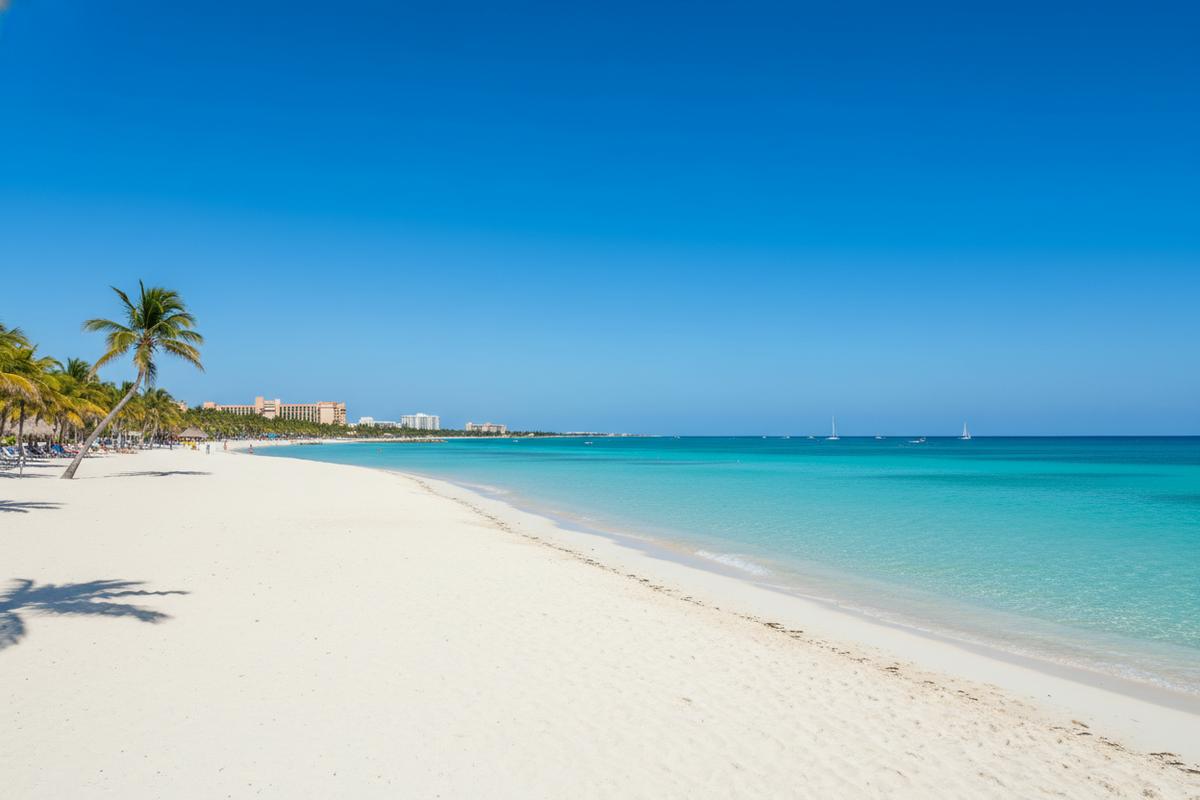
| Factor | Cancun | Los Cabos |
|---|---|---|
| Beach swimming | ✅ Excellent — calm Caribbean, warm water | ⚠️ Most beaches unsafe for swimming (Pacific currents) |
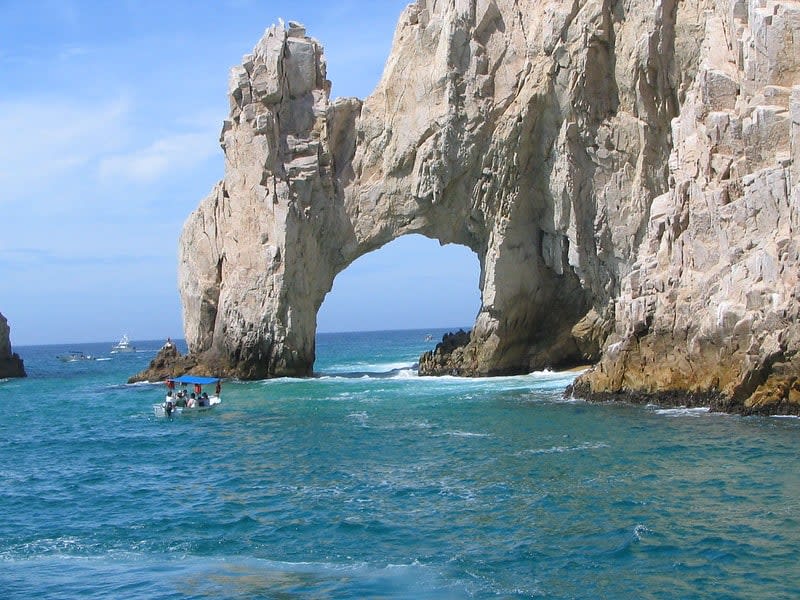
| Scenery | 🟡 Beautiful water, flat coastline | ✅ Dramatic — El Arco, desert cliffs, Land’s End |
| Sargassum | ⚠️ April–October can be significant | ✅ Pacific coast = zero sargassum ever |
| Snorkeling/Diving | ✅ Mesoamerican Reef nearby (Cozumel) | 🟡 Decent snorkeling, not reef-level clarity |
| Ancient ruins | ✅ Tulum, Chichén Itzá 3 hrs, Cobá | ❌ None nearby |
| Sportfishing | 🟡 Available | ✅ World-class — marlin, dorado, yellowfin |
| Nightlife | ✅ Major clubs — Coco Bongo, The City | 🟡 Good party scene, smaller scale |
| All-inclusive value | ✅ Most value for money | 🟡 Luxury-tier pricing |
| Budget options | ✅ Many options from $50/day | ⚠️ Budget is harder, $80/day minimum |
| Whale watching | ✅ Jun–Sep whale sharks, Holbox | ✅ Dec–Apr humpbacks + gray whales |
| Cenotes | ✅ 30+ within 2 hrs | ❌ None |
| Airports | CUN — many direct flights | SJD — good US connections |
| Uber | ❌ Banned at CUN, works in hotel zone | ⚠️ Complicated — rental car recommended |
| Price range | $50–$300+/day | $80–$500+/day |
Choose Cancun if: You want calm swimmable beaches, budget-friendly all-inclusives, cenotes, and Maya ruins within day-trip distance.
Choose Los Cabos if: You want dramatic scenery, world-class sportfishing, whale watching Dec–Apr, and you don’t mind paying more.
The Beaches: Two Very Different Experiences
Cancun beaches
Cancun’s Hotel Zone has 23km of Caribbean beach. The water is calm, warm (27–29°C year-round), and turquoise. Most Hotel Zone beaches are excellent for swimming. Playa Delfines is the classic open-access beach.
Sargassum reality: From April through October, brown seaweed arrives on Cancun’s east-facing beaches. Some days it’s manageable; peak months (June–August) can be heavy. Hotels clean beaches daily but it washes back. North-facing beaches like Playa Norte on Isla Mujeres largely avoid it.
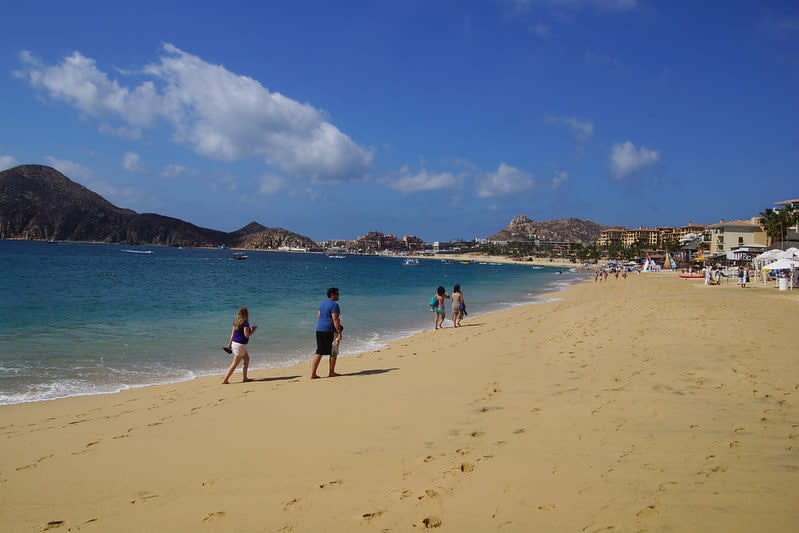
Los Cabos beaches
Here’s what most guides skip: most Los Cabos beaches are NOT safe for swimming. The Pacific side has strong currents and dangerous shore breaks. Playa Medano (the main Cabo San Lucas beach) is the main exception — protected enough for swimming.
The beach experience at Los Cabos is more about the dramatic scenery — El Arco rock formation, sea lions at Land’s End, the rugged desert meeting Pacific — than lying in calm water.
If calm, swimmable beach is your #1 priority, Cancun wins decisively.
Water Activities
Cancun water activities
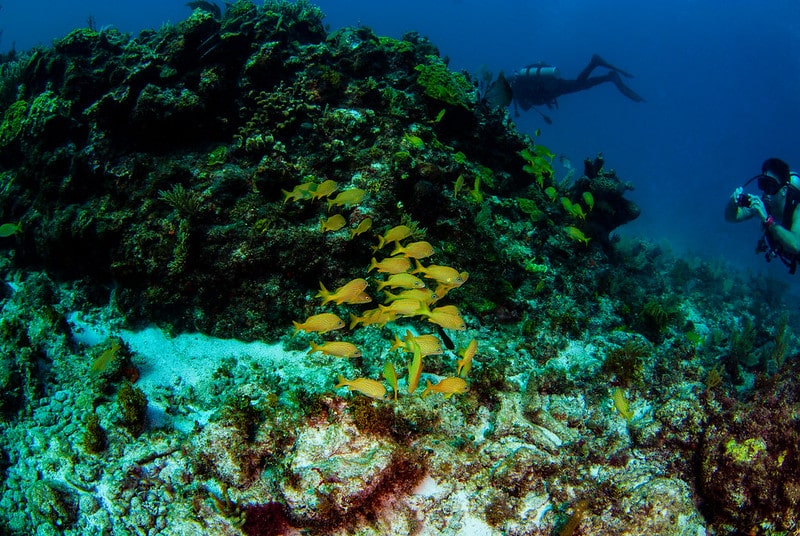
- Snorkeling: Take the ferry to Cozumel (45 min from Playa del Carmen) for the Mesoamerican Barrier Reef — world’s second largest, with incredible visibility
- Cenotes: 30+ accessible within 2 hours — Gran Cenote, Dos Ojos, Ik Kil, Cenote Azul
- Whale sharks: June–September at Holbox and Isla Mujeres (400–800 sharks at peak)
- Diving: Cozumel’s Palancar Reef is world-class. Bull sharks November–March.
- MUSA: Underwater sculpture museum (500 sculptures), accessible by snorkel or dive
Los Cabos water activities
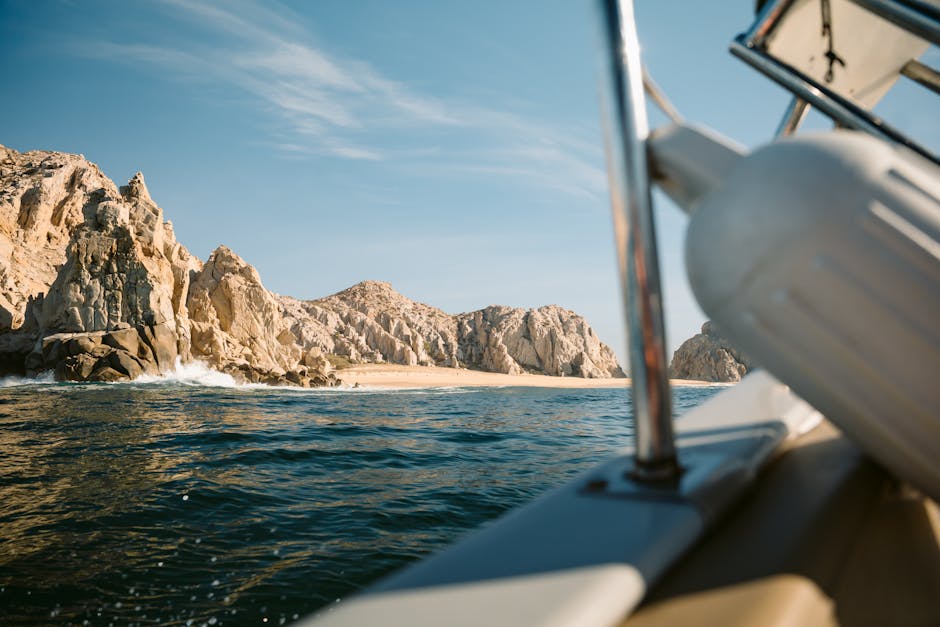
- Sportfishing: This is the reason many people choose Los Cabos specifically. The Sea of Cortez (“the world’s aquarium” per Jacques Cousteau) has marlin, dorado, yellowfin tuna, wahoo. Year-round with peak months varying by species.
- Whale watching: December–April, hundreds of humpback whales. Gray whales in Baja lagoons (further north). Spectacular from boats.
- Snorkeling: Santa María and Chileno beaches have decent snorkeling. Cabo Pulmo Marine Park (45 min east) is the serious option — UNESCO Biosphere Reserve with 463% biomass recovery.
- Kayaking: Paddle to Lover’s Beach (Pacific side of El Arco — only accessible by water).
- Whale sharks: November–May in the waters around Los Cabos and La Paz.
Verdict: For snorkeling, cenotes, and marine biodiversity, Cancun/Caribbean wins. For sportfishing, Cabo wins decisively.
Ancient Ruins
This is a major difference:
Cancun: You’re in the heart of the ancient Maya world. Tulum ruins are 2 hours south (dramatic cliffs above the Caribbean). Chichén Itzá — one of the New Seven Wonders of the World — is 3 hours by bus or car. Cobá has a climbable 42m pyramid. Ek Balam has impressive stelae and fewer crowds.
Los Cabos: There are essentially no archaeological sites near Los Cabos. The Baja peninsula had limited pre-Hispanic settlement compared to mainland Mexico.
If experiencing ancient ruins matters to you — even marginally — Cancun is the clear choice.
Nightlife
Cancun: Mexico’s party capital. Coco Bongo ($70–95 USD, 3-hour show experience), The City (5,000 capacity, open bar $40–65 USD), Mandala rooftop. Spring break brings crowds March–April. El Centro (downtown) has cheaper local bars at half the Hotel Zone prices.
Los Cabos: Solid party scene, especially in Cabo San Lucas. Mango Deck and Squid Roe are the famous spots. More laid-back than Cancun’s mega-clubs. San José del Cabo has a Thursday Art Walk (October–June) for a different vibe — galleries and street food.
Cancun wins for pure nightlife intensity. Los Cabos is better if you want good nightlife without the spring break chaos.
All-Inclusive Resorts
Cancun all-inclusives
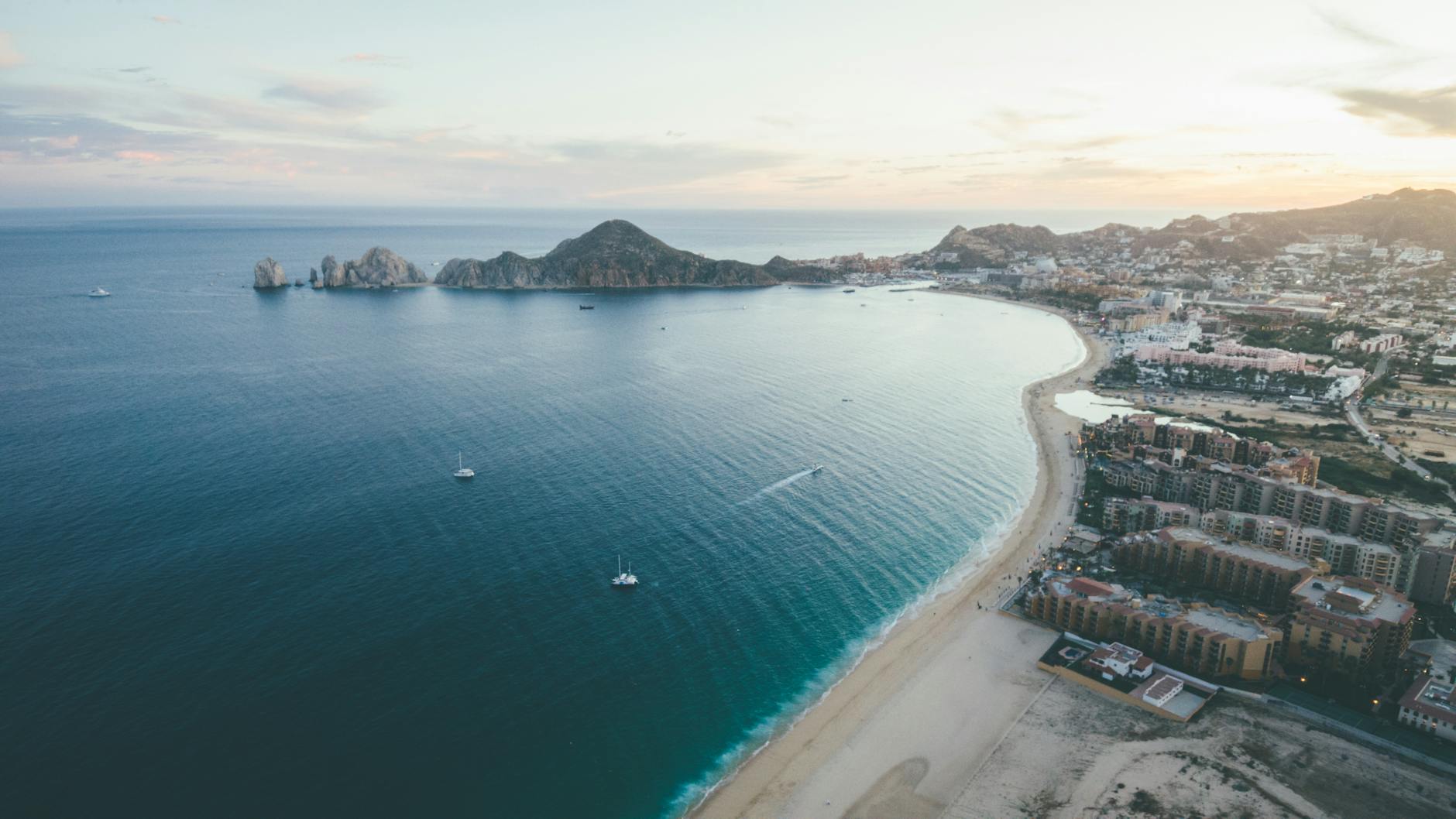
Cancun has the largest concentration of all-inclusive resorts in Mexico. Options range from budget ($150–250/couple/night) to ultra-luxury ($800+). The Hotel Zone has 23km of resorts. Most face east, which means sargassum exposure April–October — ask specifically about beach cleanup operations before booking.
Best value months: December–January (post-Christmas) and late October–November.
Los Cabos all-inclusives
Los Cabos all-inclusives skew toward luxury. The Corridor (between Cabo San Lucas and San José del Cabo) has many resort options but prices are notably higher than Cancun. Budget all-inclusives are rare. The Pacific location means zero sargassum risk year-round — a genuine advantage over Cancun for peak months.
Verdict: Cancun offers better value for money on all-inclusives. Los Cabos offers more consistent premium quality with no sargassum concerns.
Prices: What It Actually Costs
| Category | Cancun | Los Cabos |
|---|---|---|
| Budget travel/day | $50–80 | $80–120 |
| Mid-range/day | $100–200 | $150–300 |
| All-inclusive/couple/night | $150–800 | $200–1,000+ |
| Return flight from US East Coast | $200–500 | $300–600 |
| Meal at local restaurant | $5–15 USD | $10–25 USD |
| Uber/taxi | Taxi from airport $50–80 | Authorized taxi $50–70 |
| Day tour to ruins | $50–100 USD | N/A |
| Sportfishing half-day | $60–120/person | $100–200+/person |
| Whale shark tour | $80–150/person | $80–150/person |
Cancun is meaningfully cheaper overall, especially for non-luxury stays. Los Cabos defaults to a higher price floor.
Whale Watching: Both Are Excellent (Different Seasons)
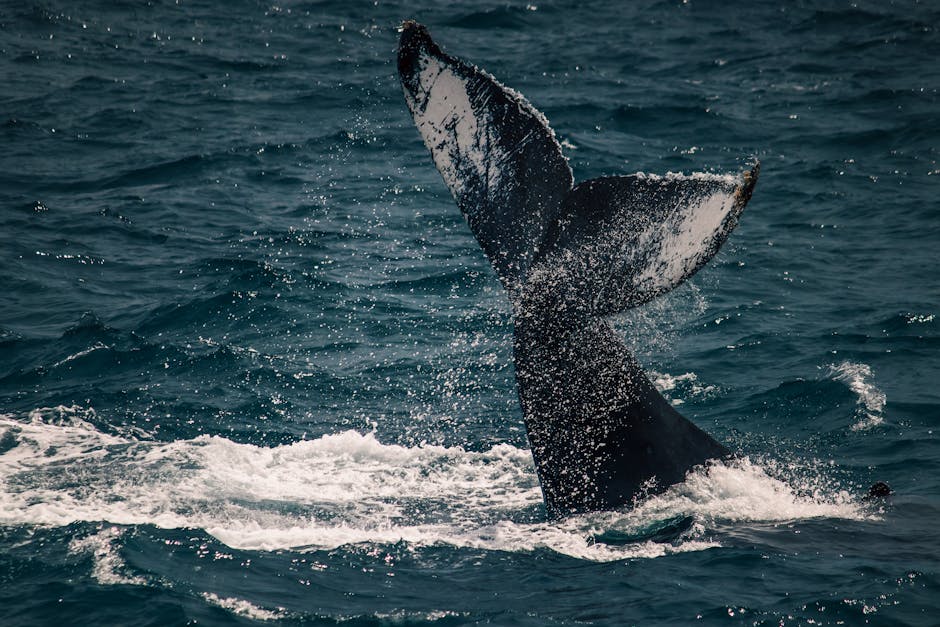
This is one area where Los Cabos genuinely excels:
- Los Cabos (Dec–Apr): Hundreds of humpback whales in the Sea of Cortez. You can watch them breach from the shore or book a short boat tour. Some of the most accessible whale watching in Mexico. Gray whales further north in Baja lagoons (Guerrero Negro, San Ignacio) — unforgettable “friendly whale” encounters.
- Los Cabos (Nov–May): Whale sharks in the Pacific and La Paz area (1.5 hrs north).
Cancun gets:
- Whale sharks (Jun–Sep): Holbox and Isla Mujeres, 400–800 sharks at peak.
If whale watching is your primary goal and you’re visiting December–April, Los Cabos wins. For whale sharks specifically, Cancun/Holbox is better.
How to Get There
Cancun
- Cancun International Airport (CUN) is Mexico’s busiest international airport
- Direct flights from virtually every major US, Canadian, and European city
- Many airlines compete, keeping prices relatively low
- From the airport: Uber is banned at arrivals (take authorized taxi or ADO bus — see our Cancun airport transportation guide)
Los Cabos
- Los Cabos International Airport (SJD) has good US connections
- Fewer carriers than Cancun, especially from Europe
- Slightly longer customs/immigration lines typically
- From the airport: No Uber pickup at SJD (federal restriction). Use authorized taxis (fixed-rate zone pricing) or rental car — see our Los Cabos airport guide
- Rental car strongly recommended — Los Cabos is spread over 33km and public transport is limited
Which Is Right for You? (By Traveler Type)
| Traveler Type | Winner | Why |
|---|---|---|
| Budget traveler | Cancun | Cheaper all-inclusives, hostels, local food |
| Luxury seeker | Toss-up | Both have excellent luxury options; Cabos = more exclusive |
| Families | Cancun | Calm water, cheaper, cenotes for kids, ruins |
| Spring break | Cancun | Coco Bongo, The City, bigger party scene |
| Honeymooners | Toss-up | Cabos for dramatic scenery; Cancun for more to do |
| Divers/snorkelers | Cancun | Cozumel reef is world-class |
| Sport fishers | Los Cabos | World’s best sportfishing |
| Nature lovers | Cancun | Cenotes, jungle, wildlife, whale sharks Jun–Sep |
| History buffs | Cancun | Chichén Itzá, Tulum, Cobá accessible |
| Whale watchers (Dec–Apr) | Los Cabos | Humpbacks Dec–Apr in Sea of Cortez |
| Whale shark swimmers (Jun–Sep) | Cancun | Holbox/Isla Mujeres is the place |
| Avoiding sargassum | Los Cabos | Pacific = zero sargassum, ever |
| Solo travelers | Cancun | More backpacker infrastructure, hostel scene |
| Beach photography | Los Cabos | El Arco, desert cliffs, dramatic landscapes |
| First-time Mexico visitor | Cancun | More infrastructure, day trips, variety |
Can You Do Both? (The Best Option)
If you have 10+ days, yes — they’re only 2.5 hours apart by direct flight (CUN to SJD or vice versa). This is actually a great Mexico trip: spend 5–6 days in the Cancun/Riviera Maya area (ruins, cenotes, Cozumel) then fly to Los Cabos for 4–5 days (El Arco, whale watching or sportfishing, Pacific scenery).
VivaAerobus and Volaris fly this route. Budget $80–200 USD for the one-way.
See our 10 Days in Mexico itinerary for a ready-made route.
The Honest Bottom Line
Cancun wins for: Value, variety of activities, Maya ruins access, cenotes, calm swimming beaches, budget-friendly options, snorkeling/diving quality, spring break energy.
Los Cabos wins for: Dramatic Pacific scenery, sportfishing, whale watching December–April, zero sargassum year-round, more exclusive luxury feel, Baja desert landscapes.
The most common mistake: choosing Cancun because it’s “the famous one” when you actually want the dramatic scenery and fishing of Los Cabos. Or choosing Los Cabos when you actually want to swim comfortably, visit ruins, and not spend $300/day minimum.
Think about what experience you actually want — not just which name you’ve heard more.
Frequently Asked Questions
Is Cancun or Los Cabos more expensive?
Los Cabos is generally 30–50% more expensive than Cancun. Budget travel is harder in Cabos ($80+/day vs $50+/day in Cancun). All-inclusive resorts are cheaper in Cancun, and local food is significantly more affordable. Los Cabos does have some advantages — zero sargassum and dramatic scenery — but you pay for them.
Which has better beaches, Cancun or Los Cabos?
Depends what you mean by “better.” Cancun has calmer, safer swimming beaches with turquoise Caribbean water. Los Cabos has more dramatic scenery — El Arco, desert cliffs, Land’s End — but most beaches are not safe for swimming due to Pacific currents. Playa Medano in Cabo is the main swimmable exception.
Is Cancun or Los Cabos better for families?
Cancun is generally better for families: calmer swimming water, cheaper prices, cenotes accessible for kids, Chichén Itzá within day-trip range, and more budget-friendly all-inclusive options. Los Cabos can work for families with older kids who want sportfishing or whale watching.
Which is better for a honeymoon, Cancun or Los Cabos?
Both work well for honeymoons. Los Cabos offers more dramatic scenery and an upscale, secluded feel. Cancun offers more variety and activities. If you want luxury-first and don’t care about ruins or cenotes, Los Cabos. If you want to explore beyond the resort, Cancun/Riviera Maya has more to offer.
Does Cancun or Los Cabos have better snorkeling?
Cancun easily wins for snorkeling. Take the ferry to Cozumel and access the Mesoamerican Barrier Reef — world’s second largest — with 30m+ visibility and stunning coral. Los Cabos has decent snorkeling at Santa María and Chileno beaches, and excellent diving at Cabo Pulmo Marine Park, but it can’t match Cozumel’s reef.
Which is safer, Cancun or Los Cabos?
Both are Level 2 (Exercise Increased Caution) per the US State Department — the same advisory as France, the UK, and Germany. The main risks at both are tourist-area scams (timeshares, fake taxis) rather than violence. Tourist zones in both destinations are well-patrolled. See our Is Mexico Safe guide for full context.
Plan Your Trip
For Cancun:
- Cancun Travel Guide 2026
- Things to Do in Cancun
- Cancun Airport Transportation
- Cancun All-Inclusive Resorts Guide
- Day Trips from Cancun
For Los Cabos:
- Los Cabos Travel Guide 2026
- Things to Do in Los Cabos
- Los Cabos Airport Transportation
- Day Trips from Los Cabos
- Cancun to Los Cabos: Flights & How to Do Both
Compare with more options:
- Cancun vs Tulum
- Cancun vs Puerto Vallarta
- Best Beaches in Mexico
- Best All-Inclusive Resorts in Mexico
Ricardo Sanchez is a Mexico-born travel writer at Mexico Travel and Leisure. He’s visited both Cancun and Los Cabos multiple times and writes from direct experience, not aggregated reviews.