Things to Do in Morelia 2026: 25 Best Activities, Day Trips & Cultural Experiences
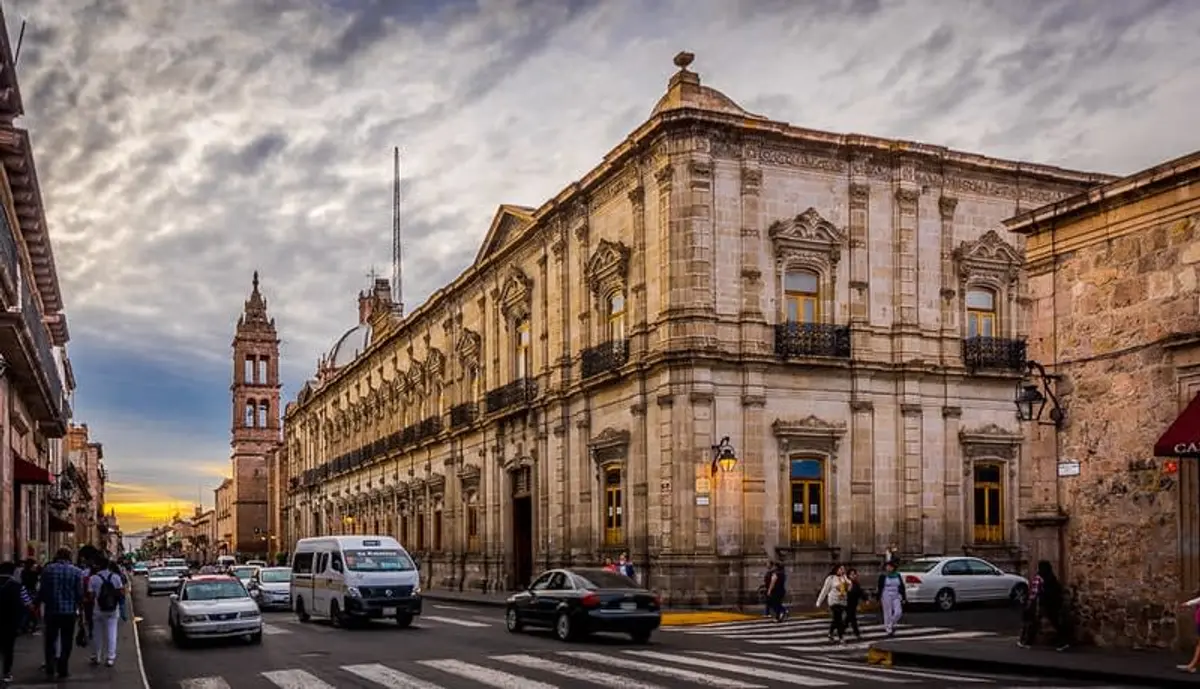
Morelia, Michoacán is a UNESCO World Heritage city built almost entirely from pink quarry stone, and it contains the oldest music school in the Americas. From November to March, 200 million monarch butterflies overwinter in the forests two hours away. Most travelers discover Morelia on their second Mexico trip — and it becomes the one they remember longest.
| Quick Facts | Details |
|---|---|
| Location | Michoacán state, 305 km west of Mexico City |
| Altitude | 1,910 m (6,270 ft) — bring layers |
| UNESCO | Historic center inscribed 1991 |
| Best Time | October–February (Day of the Dead + monarch butterflies) |
| Safety | Level 2 — city center and tourist routes are safe |
| Getting There | MLM airport; ETN/Primera Plus bus from CDMX (3.5–4 hrs) |
25 Best Things to Do in Morelia
| # | Activity | Category | Cost | Time Needed |
|---|---|---|---|---|
| 1 | Morelia Cathedral + Saturday light show | Historic Sites | Free | 1–2 hrs |
| 2 | Walk the Aqueduct (253 arches) | Historic Sites | Free | 45 min |
| 3 | Conservatorio de las Rosas | Culture | Free | 45 min |
| 4 | Palacio de Gobierno murals | Historic Sites | Free | 30 min |
| 5 | Museo Regional Michoacano | Museums | 90 MXN | 2–3 hrs |
| 6 | Casa Natal de Morelos | Museums | 90 MXN | 1 hr |
| 7 | Dulces de Morelia (candy street) | Food | Free + tasting | 1 hr |
| 8 | Mercado Independencia food stalls | Food | 80–150 MXN | 1–2 hrs |
| 9 | Carnitas at a specialist shop | Food | 80–150 MXN | 1 hr |
| 10 | Mezcal tasting in Michoacán | Food & Drink | 150–400 MXN | 1–2 hrs |
| 11 | Bosque Cuauhtémoc + weekend craft fair | Outdoor | Free | 1–2 hrs |
| 12 | Organ concert at the Cathedral | Culture | Free–200 MXN | 1 hr |
| 13 | Templo de las Monjas & Templo de San Francisco | Historic Sites | Free | 1 hr |
| 14 | Museo del Estado | Museums | Free | 1–1.5 hrs |
| 15 | Casa de la Cultura de Michoacán | Culture | Free | 1 hr |
| 16 | Day of the Dead in Morelia cemeteries | Seasonal | Free | Evening |
| 17 | Pátzcuaro day trip + Janitzio Island boat | Day Trip | ~300–400 MXN | Full day |
| 18 | Monarch Butterfly Reserve (Nov–Mar) | Day Trip | 100–200 MXN + transport | Full day |
| 19 | Uruapan + Paricutín Volcano | Day Trip | 200–600 MXN | Full day |
| 20 | Santa Clara del Cobre (copper village) | Day Trip | Free + shopping | Half day |
| 21 | Tzintzuntzan Purépecha ruins | Day Trip | 75 MXN | Half day |
| 22 | Cuitzeo Lake + 16th-century convent | Day Trip | Free | Half day |
| 23 | Paracho guitar village | Day Trip | Free + shopping | Half day |
| 24 | Cooking class (Michoacán cuisine) | Activity | $40–80 USD | 3–4 hrs |
| 25 | Cathedral neighborhood walk at dusk | Outdoor | Free | 1 hr |
Historic Sites
1. Morelia Cathedral + Saturday Light Show
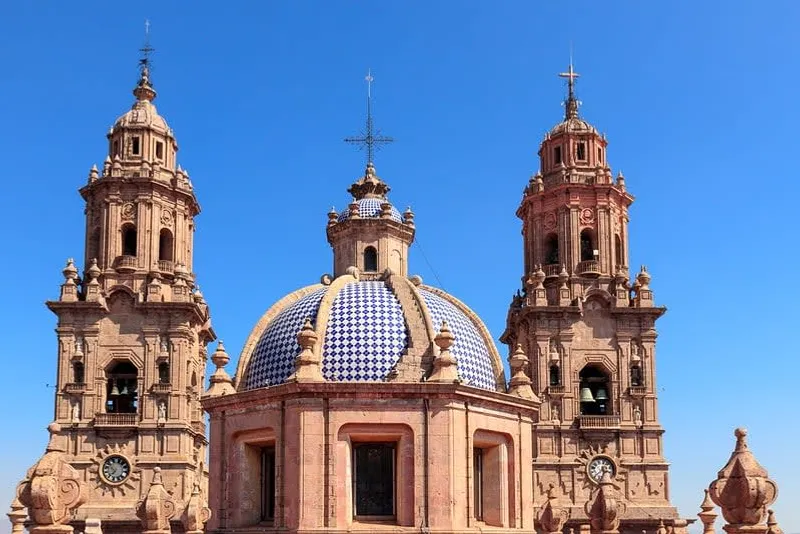
The cathedral took 84 years to build (1660–1744) and shows it — a perfectly balanced Baroque facade in rose-colored quarry stone, flanked by twin towers reaching 68 meters. Inside, the 4,500-pipe organ is the largest in Mexico and one of the largest in Latin America. Organ concerts happen throughout the year; check the schedule posted at the entrance.
The real spectacle happens on Saturday evenings: the cathedral facade is lit up with projected murals, fireworks, and a sound-and-light narration of Morelia’s history. It’s free, it fills Avenida Madero with locals, and it lasts about 30 minutes. Arrive 30 minutes early for a good spot on the pedestrian promenade.
Practical: Entry free. Open daily. Mass schedule on weekday mornings — avoid these times unless you want to attend. The best photography light hits the towers 30 minutes before sunset.
2. Walk the Aqueduct (253 Arches)
Built in 1785 to supply water to a growing city, the aqueduct runs 1,700 meters down Calzada Fray Antonio de San Miguel with 253 semicircular arches, each almost 10 meters tall. It carried water until 1910 when modern pipes replaced it.
Today it’s a pedestrian boulevard. Walk the full length from the city center end toward Bosque Cuauhtémoc park — about 20 minutes at a relaxed pace. Late afternoon turns the pink stone amber-gold and is the best photography window. Locals jog and walk here; it’s a living part of the city, not a roped-off monument.
Practical: Free, always accessible. The arches are best lit 4–6 PM. The far end connects directly to Bosque Cuauhtémoc.
3. Conservatorio de las Rosas
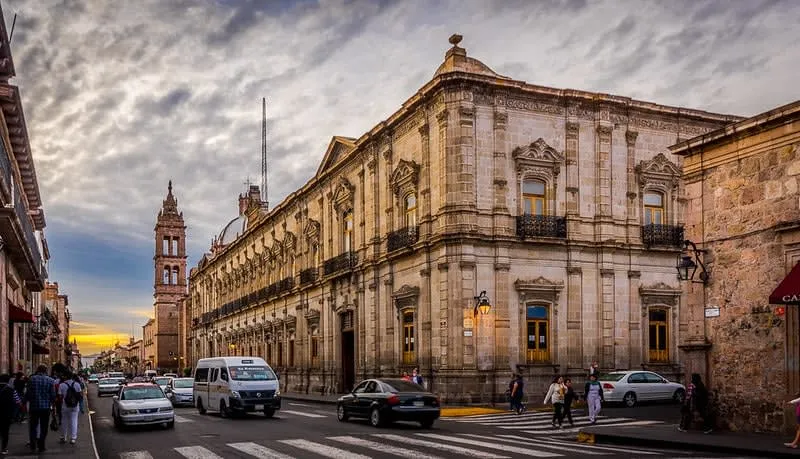
Founded in 1743, the Conservatorio de las Rosas is the oldest music school in the Americas — still an active conservatory today. The building, a former Dominican convent, has quiet internal courtyards where you can often hear students practicing Baroque and classical pieces through open windows.
Occasional concerts are held in the main chapel on weekends, sometimes free. The building itself is a gem of colonial Mexican Baroque architecture — the carved stone doorway alone justifies the detour.
Practical: Open during school hours on weekdays. Check the notice board at the entrance for concert schedules. No formal tour structure — walk in and explore the courtyards.
4. Palacio de Gobierno Murals
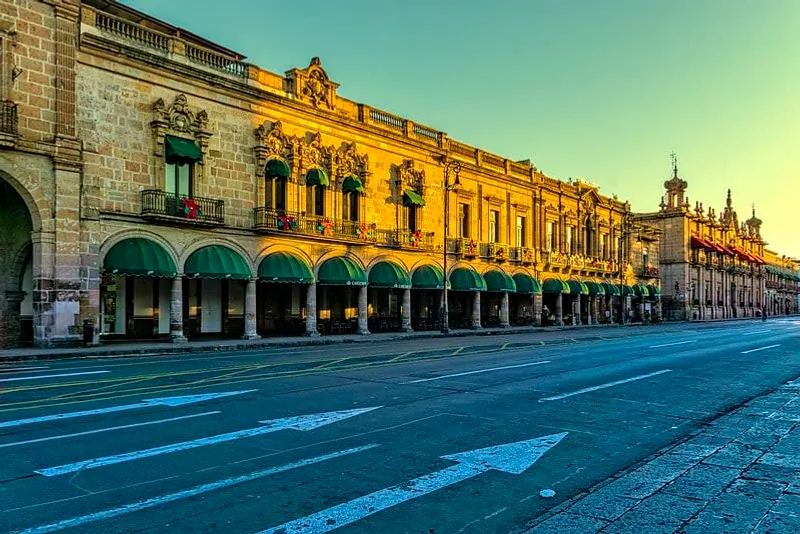
The state government palace on the main square has a monumental staircase covered in murals depicting Michoacán history — the Purépecha empire, the Spanish conquest, the War of Independence with José María Morelos, and modern Michoacán. The work is by local artists and rivals anything in Guadalajara or Mexico City’s palaces.
Practical: Free. Open on weekdays during government hours (typically 9 AM–3 PM). Walk in through the main entrance — no ticket needed. Photography is allowed.
5. Templo de las Monjas & Templo de San Francisco
Two of Morelia’s older churches (both 16th-century) sit a short walk from the cathedral and are usually quiet even when the main cathedral is busy. The Templo de las Monjas (Church of the Nuns) has an exceptionally ornate Plateresque facade — a style that blends Gothic, Renaissance, and Moorish elements unique to early colonial Mexico. The Templo de San Francisco anchors a small square popular with local families in the evenings.
Practical: Both are free, open during daylight. The Templo de las Monjas facade is best photographed in the morning light.
Museums
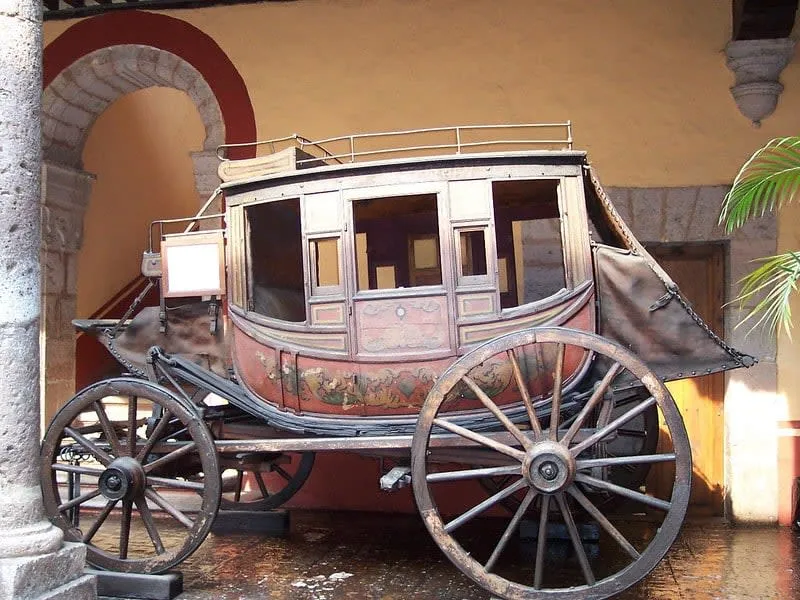
6. Museo Regional Michoacano
The best museum in Morelia and one of the best regional museums in Mexico. Housed in an 18th-century former bishop’s palace, it covers Michoacán history from 10,000 BC Purépecha settlements to 20th-century modern Mexico.
The collections include:
- Purépecha ceramics and metalwork — among the finest pre-Hispanic metalsmithing in Mesoamerica
- Colonial religious art — polychrome sculptures and oil paintings
- Independence-era documents — including material related to Morelos
- A famous painting depicting the Transfer of Power from Spain to Mexico
Budget 2–3 hours. The colonial architecture of the building itself is half the attraction.
Practical: 90 MXN (~$4.50 USD). Tue–Sun 9 AM–6 PM. Located on the main historic center plaza.
7. Casa Natal de Morelos
José María Morelos y Pavón, one of the main military leaders of Mexico’s War of Independence, was born in Morelia (then called Valladolid) in 1765. This museum occupies his birth house and tells his story through documents, weapons, and interactive exhibits.
For context: Morelos was a priest who became a general, drafted Mexico’s first constitution (1814), and was executed by the Spanish in 1815. The city was renamed to honor him in 1828. Understanding his story makes the city’s street names and monuments make sense.
Practical: 90 MXN. Tue–Sun 9 AM–6 PM. Located two blocks from the cathedral.
8. Museo del Estado de Michoacán
A free museum covering Michoacán’s geological, natural, and human history from prehistoric times to the present. The Purépecha empire section is solid — this was one of the few Mesoamerican cultures that successfully resisted Aztec conquest.
The Monarch butterfly exhibit has helpful context if you’re planning the reserve visit. Also has rotating art exhibitions.
Practical: Free. Mon–Fri 9 AM–8 PM, Sat–Sun 10 AM–6 PM. On Calle Allende in the historic center.
Food & Drink
9. Dulces de Morelia (Candy Street)
Calle Valentín Gómez Farías — known locally as the “Calle de los Dulces” — is lined with shops selling Morelia’s signature sweets. These aren’t tourist candy; they’re traditional confections the city has made for centuries:
- Ate: fruit paste (guava, quince, or tamarind) sliced and sold in blocks, often paired with fresh cheese
- Jamoncillo: sweet made from goat’s milk, sugar, and pine nuts — crumbly, intensely rich
- Chongos zamoranos: Michoacán’s most unusual sweet — curds of milk coagulated with rennet, simmered in syrup until caramelized
- Crystallized fruits: whole figs, limes, and strawberries preserved in sugar syrup
Most shops give free samples. Budget 30–100 MXN for a take-home assortment. These make better gifts than any souvenir shop.
Practical: Shops open daily 9 AM–8 PM. The highest concentration is between Benito Juárez and Gómez Farías, two blocks south of the cathedral.
10. Mercado Independencia Food Stalls
The main market has an indoor fondas section where women serve traditional Michoacán breakfasts and lunches at shared tables. This is the cheapest and most authentic place to eat in Morelia.
What to order:
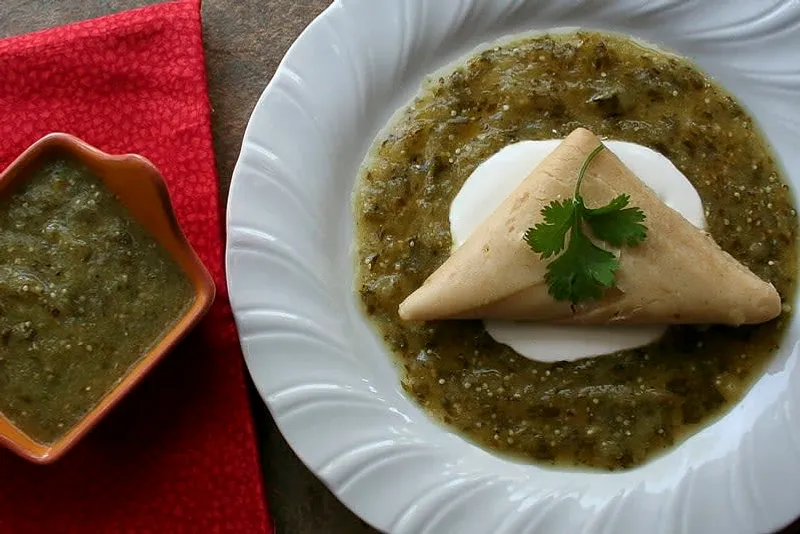
- Corundas: triangular tamales wrapped in corn leaf (not banana leaf), unique to Michoacán, served with cream and salsa
- Uchepos: sweet fresh-corn tamales, softer and slightly sweet — nothing like regular tamales
- Churipo: beef stew in red chili sauce, served with corundas on the side
- Enchiladas placeras: Michoacán-style enchiladas with red or green sauce, served with grilled chicken and carrots
Full comida corrida (soup + main + drink): 80–120 MXN ($4–6 USD).
Practical: Fondas are busiest 8–11 AM (breakfast) and 1–4 PM (comida). Get there early — the best cooks sell out. Located on Calle Corregidora near the historic center.
11. Carnitas at a Specialist Shop
Michoacán invented carnitas. The technique — slow-cooking pork in a large copper cauldron (cazo de cobre) in its own lard — produces crispy exterior, moist interior, and a flavor you can’t replicate in a regular pot. Every state in Mexico now makes carnitas, but Michoacán’s version is the original.
The key is the copper cazo, which conducts heat differently from steel and creates an indirect fry. Michoacán carnitas shops are recognizable by the cauldron visible from the street.
Where to eat:
- Emiliano’s (Calle Morelos Norte): the most reliable spot in Morelia proper
- Mercado de Dolores Hidalgo (inside Mercado Independencia): market-style carnitas, multiple vendors
- Uruapan (day trip): the self-declared carnitas capital — try the market for competition-level pork
Order by the kilo (share with a group) or order a plate with handmade tortillas, guacamole, and salsa. Budget 120–200 MXN for a generous plate.
12. Mezcal Tasting in Morelia
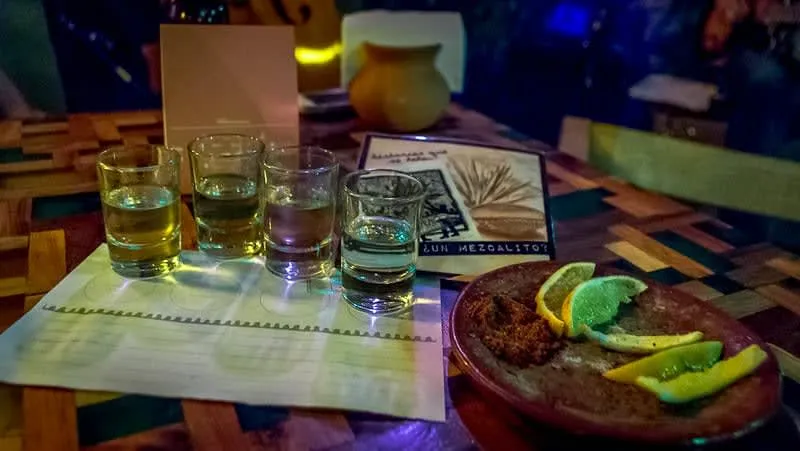
Michoacán produces several of Mexico’s lesser-known agave spirits, and Morelia has a handful of bars specializing in regional mezcal. The state grows agave cupreata (the main Michoacán variety), which produces a smokier, earthier profile than Oaxacan espadín.
A good mezcal bar will let you taste before you buy and will explain the agave type, production method, and region. Budget 150–400 MXN for a 3–5 sample flight. This is also where to find bottles of Michoacán mezcal to take home — these aren’t widely available outside the state.
Look for: Bars on Calle Aquiles Serdán and around the Jardín de las Rosas.
Parks & Outdoor
13. Bosque Cuauhtémoc + Weekend Craft Fair
Morelia’s main city park, accessible at the end of the aqueduct promenade. The park has shaded paths, a small lake, and on weekends hosts an outdoor craft and art fair along its perimeter — one of the best craft markets in the city, with ceramics, lacquerware, textile art, and Purépecha-design jewelry.
The park is also where Morelia families spend Sunday mornings. Watch families picnic while you browse the market. Free to enter, though parking fills up on Sunday mornings.
Practical: Park open daily. Craft fair runs Saturday–Sunday 10 AM–6 PM (most reliably in good weather).
14. Dusk Walk Along Avenida Madero
The pedestrian stretch of Avenida Madero from the cathedral to the Plaza Villalongín takes 20 minutes to walk and passes through the densest concentration of colonial architecture in Morelia. At dusk, the pink quarry stone catches the last light and the street fills with vendors, musicians, and locals heading to restaurants.
This is the social heart of the city — free, always accessible, and the best single walk for getting a feel for Morelia’s rhythm.
Culture & Festivals
15. Organ Concert at the Cathedral
The cathedral’s 4,500-pipe organ is one of Latin America’s great musical instruments, and it’s still played regularly. Concerts range from free informal recitals to ticketed evening performances (200–400 MXN). Check the schedule posted at the cathedral entrance or ask at your hotel.
The acoustic inside the cathedral is remarkable — the sound resonates in the pink stone vault in a way that recordings don’t capture. Even a 20-minute free recital is worth experiencing.
16. Day of the Dead Celebrations (November 1–2)
While Pátzcuaro gets the tourists, Morelia has its own powerful Day of the Dead traditions. On the night of November 1, the city’s main cemeteries open to the public — families set up elaborate ofrendas (altars) with marigolds, candles, food, and photographs of the deceased.
The atmosphere is not a performance for tourists — it’s active, family-centered grieving mixed with celebration. Respectful visitors are generally welcomed. The Panteón Municipal (main cemetery) is the most accessible.
For the full experience: Combine Morelia on November 1 with Pátzcuaro on November 2 (the lake crossing to Janitzio is the most famous celebration in Mexico). Stay overnight — transportation between the two is easy.
17. Casa de la Cultura de Michoacán
A former Carmelite convent (18th century) converted into Michoacán’s main cultural center. It hosts rotating art exhibitions, theater performances, dance recitals, and craft demonstrations. Much of the programming is free.
The building’s cloistered courtyards, ornate stone carvings, and chapel make it worth visiting even when there’s no specific event. Check the monthly program (posted at the entrance or on the state cultural website) for during your visit.
Day Trips
18. Pátzcuaro + Janitzio Island (Essential)
The most important day trip from Morelia. Pátzcuaro is 60 km south (1 hour by car or combi), one of Mexico’s best-preserved small colonial cities, and the spiritual center of Purépecha culture.
In Pátzcuaro:
- Plaza Vasco de Quiroga (one of Mexico’s largest main squares, lined with portales)
- Basílica de Nuestra Señora de la Salud (religious center of the Purépecha world)
- Mercado de Artesanías (lacquerware from nearby Uruapan, copper from Santa Clara, black pottery)
- Biblioteca Gertrudis Bocanegra (former church converted into library, with a dramatic 1942 mural by Juan O’Gorman covering the entire rear wall)
Janitzio Island: A 30-minute boat ride across Lake Pátzcuaro (90 MXN round trip). The island’s center is dominated by a hollow statue of José María Morelos — you can climb inside to the fist viewpoint. The island has restaurants serving traditional Purépecha food (pescado blanco and charales from the lake).
Day of the Dead: Pátzcuaro’s Janitzio crossing on November 2 is Mexico’s most iconic Day of the Dead moment — candlelit processions by fishing boats across the dark lake at midnight. Book accommodation months in advance.
Practical: Combis from Morelia’s Central Camionera to Pátzcuaro run every 30 minutes (55 MXN, 1 hour). The boat pier is 3 blocks from Pátzcuaro’s main square. Last boat back from Janitzio: 6 PM. Allow 6–8 hours for the full day trip.
19. Monarch Butterfly Biosphere Reserve (November–March)
Every year from mid-November to late March, an estimated 200 million monarch butterflies migrate from Canada and the US to overwinter in a cluster of oyamel fir forests in the mountains of Michoacán — a UNESCO World Heritage site.
On a warm afternoon in January or February, the trees are so densely covered with resting monarchs that branches bend under their weight. When they take flight around midday, the sky fills with orange and black. It is, genuinely, one of the most extraordinary wildlife spectacles on Earth.
Main visitor sites:
| Site | Distance from Morelia | Crowding | Best For |
|---|---|---|---|
| El Rosario (Michoacán) | 125 km (2.5 hrs) | High on weekends | Full infrastructure, most monarchs |
| Sierra Chincua | 130 km (2.5 hrs) | Medium | Less crowded, longer hike |
| Cerro Pelón (Estado de México) | 150 km (3 hrs) | Low | Fewest tourists, steeper trail |
Practical tips:
- Go on a weekday — El Rosario gets very crowded on weekends
- Arrive before 11 AM — afternoon clouds block the sun and monarchs stop flying
- Wear layers: the reserve is at 3,000+ m elevation, cold even in February
- Horse rentals available at El Rosario if the hike (30–60 min each way) is too much
- Entrance: 100–130 MXN (state fee) + mandatory guide fee (~100 MXN per group)
Organized day tours from Morelia handle all logistics and are worth it for first-timers — navigating the multiple checkpoints and parking areas independently is confusing.
20. Uruapan + Paricutín Volcano
Uruapan, 120 km south of Morelia (1.5 hours), is the carnitas capital of Mexico. But the main reason to come is Paricutín — a cinder cone volcano that erupted without warning in 1943, burying the village of San Juan Parangaricutiro in 8 meters of lava. The church steeple still protrudes from the hardened lava field, one of the eeriest sights in Mexico.
From Uruapan, hire a local guide and horses (400–600 MXN) for the 2–3 hour ride to the lava field and crater. The hike to the crater rim is strenuous (allow 5–6 hours round trip from Uruapan). Most visitors do the lava field and ruined church on horseback without climbing the crater.
The Barranca del Cupatitzio national park in Uruapan is also excellent — a gorge with a fast river and waterfalls walking distance from the city center, free entry.
Practical: Buses from Morelia’s Central Camionera to Uruapan every 30 minutes (100–140 MXN, 1.5 hrs). Guided horse tours from San Juan Parangaricutiro village (25 km from Uruapan by local bus or taxi).
21. Santa Clara del Cobre (Copper Village)
70 km from Morelia (1.25 hrs), Santa Clara is Mexico’s center for hand-hammered copper artisanship. Copper has been worked here since before the Spanish arrived — the Purépecha were master metalworkers, and the tradition continues in family workshops throughout the town.
You can watch craftsmen (artesanos) work the copper in open workshops — the process is entirely by hand using hammers of various sizes. The main market sells everything from decorative plates and vases to functional cookware. Prices are considerably lower than anywhere you’ll find these items in Mexico City or tourist markets.
What to buy: A hand-hammered copper pot (50–300 MXN depending on size), decorative plates (100–400 MXN), or copper ornaments. The quality is variable — look for even hammer marks and even walls.
Practical: Combis from Pátzcuaro to Santa Clara run frequently (30 min, 30–40 MXN). Combine with a Pátzcuaro day trip rather than making a separate journey.
22. Tzintzuntzan Purépecha Ruins
75 km from Morelia (1.25 hrs, close to Pátzcuaro), Tzintzuntzan was the capital of the Purépecha empire — the civilization that successfully resisted Aztec expansion for 200 years before the Spanish arrived. The site’s main feature is the Yácatas: five stepped platforms built from volcanic stone in a terrace formation unique to Purépecha architecture (not pyramid-shaped like Aztec or Maya constructions).
Adjacent to the ruins: an active Franciscan convent founded in 1533 (one of the earliest in Mexico) and a workshop district still producing Purépecha crafts. The Day of the Dead ceremonies here are conducted in the original Purépecha language — one of the most traditional celebrations in Mexico.
Practical: 75 MXN site entry. Combis from Pátzcuaro every 30 min (20 min, 15–20 MXN). Combine with Pátzcuaro in a single day trip.
23. Cuitzeo Lake + 16th-Century Convent
30 km north of Morelia (40 min), Lago de Cuitzeo is Mexico’s second-largest natural lake — a shallow, saline wetland that turns pink in certain light conditions due to algae bloom, and hosts large populations of migratory birds including flamingos, herons, and pelicans in winter.
The town of Cuitzeo on the lake’s southern shore has an Augustinian convent (1550) with a remarkable open-air chapel (capilla abierta) — one of the best-preserved examples of 16th-century mendicant architecture in Mexico, and virtually undiscovered by tourists.
Practical: Combis from Morelia’s Central Camionera run frequently to Cuitzeo (40 min, 40–50 MXN). The convent is free to enter.
24. Paracho Guitar Village
90 km northwest of Morelia (1.5 hrs), Paracho has been making guitars for over 400 years, since Purépecha bishop Vasco de Quiroga taught the craft to locals in the 16th century. Today, over 800 workshop families in this single small town produce an estimated 80% of Mexico’s guitars and a significant percentage of the world’s classical guitar exports.
You can visit working workshops, watch guitars being hand-carved from local wood (cedar tops, walnut or maple backs/sides), and buy directly at workshop prices. Quality ranges from beginner instruments (500–1,500 MXN) to professional concert guitars (5,000–20,000 MXN).
Practical: Combis from Uruapan to Paracho (45 min, 40 MXN). Easiest to combine with an Uruapan day trip.
Seasonal Highlights
Morelia’s biggest October event is the Morelia International Film Festival. The 24th edition runs October 16–25, 2026, with screenings and events across the city; book a central room early if the festival is the reason for your trip.
| Month | What to Do |
|---|---|
| Nov 1–2 | Day of the Dead — Morelia cemeteries + Pátzcuaro Janitzio crossing |
| Nov–Feb | Monarch butterfly reserve (peak: Jan–Feb) |
| Jan–Mar | Low crowds, cool weather, ideal for walking the historic center |
| Apr–Jun | Warm afternoons before the summer rains; plan museums around the midday heat |
| Jul–Sep | Rainy season — green hills, cooler temperatures, fewer tourists |
| Oct | Morelia International Film Festival (October 16–25, 2026) |
Free Activities in Morelia
| Activity | Location | Best Time |
|---|---|---|
| Walk the cathedral neighborhood at dusk | Avenida Madero | 5–7 PM |
| Aqueduct promenade | Calzada Fray Antonio | Anytime |
| Bosque Cuauhtémoc park | End of aqueduct | Morning |
| Palacio de Gobierno murals | Main square | Weekday mornings |
| Conservatorio de las Rosas courtyards | Historic center | School hours |
| Saturday night light show at cathedral | Avenida Madero | Saturday 8–9 PM |
| Templo de las Monjas facade | Historic center | Anytime |
| Mercado Independencia browsing | Downtown | 8 AM–3 PM |
How Many Days Do You Need in Morelia?
2 days: Historic center thoroughly — cathedral, aqueduct, museums, food guide, evening light show. Exactly enough time to understand why this city deserves more attention.
3 days: Add a full Pátzcuaro day trip. Essential.
4–5 days: Add butterfly reserve (Nov–Mar), Uruapan + Paricutín, or the crafts village circuit. This is the trip that makes Morelia feel like a base, not just a stop.
November 1–5: The Day of the Dead window. Add Pátzcuaro on November 2 and plan Tzintzuntzan on November 3 when it’s quieter. Book accommodation 2–3 months in advance.
Getting Around Morelia
The historic center is completely walkable — all 25 activities in the city itself are within a 2 km radius. For day trips:
| Method | Best For | Cost |
|---|---|---|
| Uber | City trips, flexible arrival at bus terminal | 40–100 MXN city rides |
| Combi buses | Pátzcuaro, Cuitzeo, Tzintzuntzan | 40–100 MXN per trip |
| Rental car | Butterfly reserve, Uruapan, multi-stop days | $30–60 USD/day |
| Organized tour | Butterfly reserve (strongly recommended), Pátzcuaro Day of the Dead | $30–80 USD |
Compare car rental deals for Michoacán — a car opens up the butterfly reserve, Uruapan, and the crafts villages on your schedule.
Budget Guide
| Budget | Daily Cost | What You Get |
|---|---|---|
| Budget | $30–50 USD | Hostel, market meals (corundas, carnitas), free sites, combis to Pátzcuaro |
| Mid-range | $60–100 USD | Boutique colonial hotel, restaurant meals, 1–2 day trips via Viator |
| Comfort | $100–160 USD | 4-star hotel (Los Juaninos, Hotel de la Soledad), fine Michoacán cuisine, private guided butterfly tour |
Morelia is 30–40% cheaper than San Miguel de Allende for equivalent quality accommodation and restaurants. It’s one of Mexico’s best-value colonial cities.
Frequently Asked Questions
What is Morelia most famous for? Three things: the UNESCO-listed pink quarry stone historic center (one of the best-preserved colonial cities in Mexico), the Monarch Butterfly Biosphere Reserve two hours away, and Day of the Dead traditions in Pátzcuaro that predate the Spanish conquest by over 1,000 years.
Is Morelia safe for tourists? The historic center and main tourist routes are safe. Michoacán state carries a US Level 2 advisory (the same as France and Germany), which refers to rural areas with cartel activity — not the tourist circuit. The Morelia–Pátzcuaro–butterfly reserve route is well-traveled with no significant tourist-safety issues. Standard precautions apply.
When is the best time to visit Morelia? October–February is the sweet spot: Day of the Dead (November 1–2) and monarch butterfly season (November–March) overlap. January and February are the peak butterfly months. For just the city, March–April and October are excellent — dry, warm, and less crowded than the November holiday peak.
How far is Morelia from Mexico City? 305 km — about 3.5–4 hours by ETN or Autovías bus from Terminal Poniente (Metro Observatorio) in Mexico City — not TAPO, not Terminal Norte. Driving takes the same time via the MEX-15D toll highway. Direct flights to Morelia’s General Francisco J. Múgica Airport (MLM) from Mexico City, Monterrey, and Tijuana. See the Mexico City to Morelia transport guide for full details.
Can you visit the monarch butterflies from Morelia? Yes — El Rosario and Sierra Chincua sanctuaries are 2–2.5 hours from Morelia by car or organized tour. The season runs mid-November through March, with January–February as peak. Go on a weekday, arrive before 11 AM, and wear layers (3,000 m elevation).
Plan Your Trip
- Browse Morelia tours and butterfly excursions on Viator — guided butterfly reserve trips, Pátzcuaro Day of the Dead tours, cooking classes, and city walks.
- Compare car rentals for Michoacán on RentCars — opens up Pátzcuaro, Uruapan, the butterfly reserve, and the crafts villages on your schedule.
- travel insurance — covers medical and emergency situations; recommended for Mexico travel.
More Morelia guides: Morelia Travel Guide → | Day Trips from Morelia → | Pátzcuaro & Lake Michoacán → | Things to Do in Pátzcuaro → | Monarch Butterfly Reserve → | Guanajuato City → | Things to Do in Guanajuato → | San Miguel de Allende → | Colonial Mexico Travel Guide → | Mexico Travel Tips → | Is Mexico Safe? →