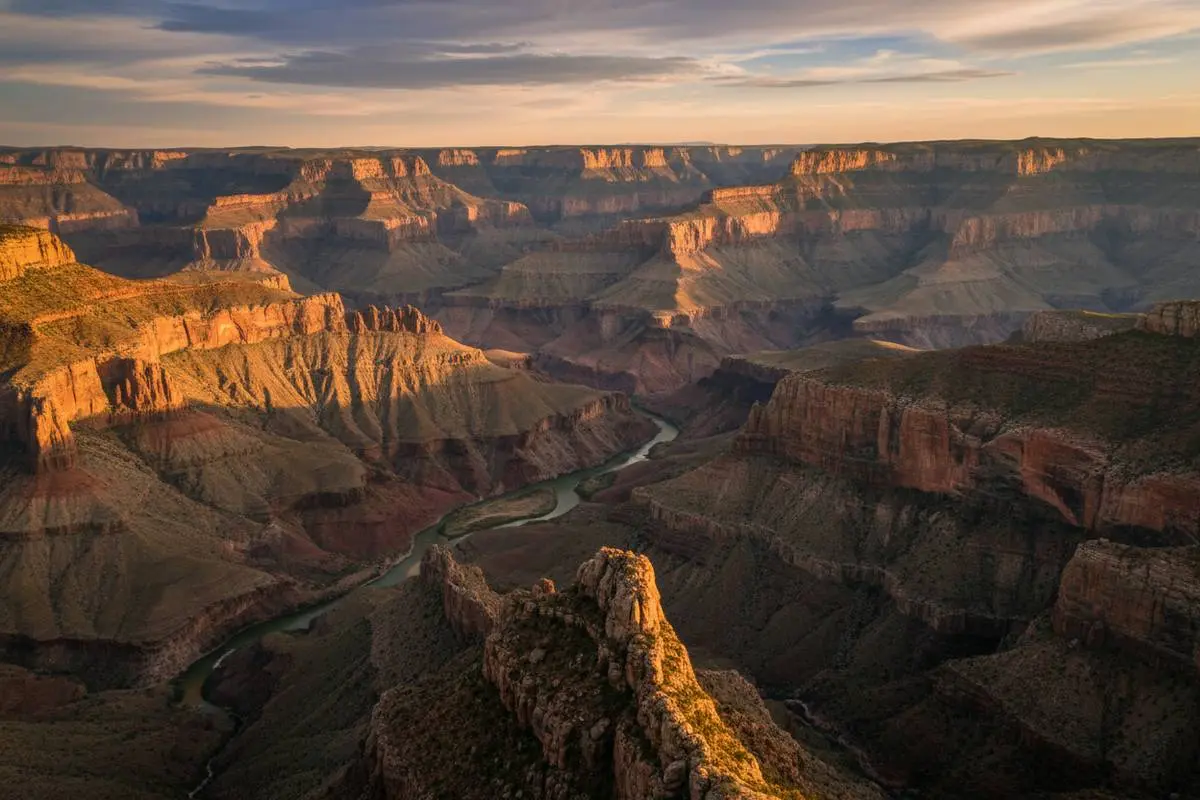
Is Copper Canyon Safe Right Now in 2026? Creel, El Chepe, Hiking, and Driving
Yes, Copper Canyon is generally safe right now for tourists in 2026 if you take the El Chepe train, base yourself in Creel or Divisadero, and avoid driving mountain roads after dark. The state of Chihuahua carries a US Level 3 advisory, but that state-level label covers a huge territory with very different risk profiles, especially border areas like Ciudad Juarez that are nowhere near the main canyon tourist route.
For most travelers, the real question is not “Is all of Chihuahua safe?” It is “Is the El Chepe, Creel, and Copper Canyon corridor safe enough for a normal trip right now, including solo travel and day hikes?” The answer is yes, with the kind of planning you would use for any remote mountain destination.
This matters because many search results blur together border violence, cartel headlines, mountain villages, and the train route. That gives people the wrong picture. Copper Canyon is not Ciudad Juarez, and the safest plan is clear: train first, Creel as your base, guided day trips for deeper canyon excursions, and no night driving.
Copper Canyon Safety in 30 Seconds
| Question | Short answer |
|---|---|
| Is Copper Canyon safe for tourists? | Generally yes, especially on the El Chepe and in Creel. |
| Is the El Chepe train safe? | Yes. It is the safest and easiest way to see the canyon. |
| Is Creel safe to stay in? | Yes. It is the main tourist base with hotels, tours, and regular visitors. |
| What is the biggest risk? | Driving secondary roads at night in Chihuahua state. |
| Is Batopilas safe? | Usually yes by day with planning or a guided trip, but it is more remote than Creel. |
| Should solo travelers go? | Yes, with tours for remote hikes and canyon-floor excursions. |
If you want the one-sentence version: take El Chepe, sleep in Creel, use local guides for deeper canyon trips, and do not road-trip the region after dark.
Best Copper Canyon Safety Plan by Trip Style
| If this sounds like you | Best plan |
|---|---|
| First-time visitor | Take El Chepe, stay in Creel 2 to 3 nights, book day tours locally. |
| Solo traveler | Stay in Creel, use guided hikes and canyon-floor trips, avoid isolated road travel. |
| Family with kids | Use the train plus short guided excursions from Creel or Divisadero. |
| Photographer or road-tripper | Drive only by day on main routes, and use the train for the canyon core. |
| Want to see Batopilas | Book a guided overnight or full-day trip from Creel instead of self-driving. |
The practical pattern is simple: the more your trip looks like a train-and-base-town itinerary, the lower the risk and the smoother the experience.
The Travel Advisory: What Level 3 Means in Chihuahua State
Chihuahua is Mexico’s largest state — bigger than the entire United Kingdom. The US State Department assigns it a Level 3 “Reconsider Travel” advisory, which sits between Level 2 (“Exercise Increased Caution,” applied to popular destinations like Cancun and Oaxaca) and Level 4 (“Do Not Travel,” applied to states like Sinaloa and Tamaulipas). For the full breakdown of every state, see our Mexico Travel Advisory 2026 guide.
Here is what people miss about Level 3: it applies to the entire state, including areas with completely different risk profiles. Chihuahua state contains:
- Ciudad Juarez — a border city with a Level 4 “Do Not Travel” sub-advisory, approximately 350 km north of Chihuahua City
- Chihuahua City — the state capital, a modern city of over 900,000 people with regular commercial activity
- The Sierra Tarahumara and Copper Canyon — a mountainous interior region with established tourist infrastructure, hundreds of kilometres from the border
Lumping all three together is like saying you should avoid Yosemite because Oakland has a high crime rate. They are in the same state on paper, but the geography, population, and security dynamics are entirely different.
In 2026, Copper Canyon continues to receive international tourists — backpackers, families, retirees, adventure travellers — through the El Chepe train and Creel-based tour operators. The canyon region has not seen major security incidents targeting tourists. The safest cities in Mexico guide covers how advisory levels work across the country, and the same logic applies here: the state-level advisory does not reflect the on-the-ground reality of every location within that state.
Copper Canyon Is NOT Ciudad Juarez
This is the single most important thing to understand when evaluating Copper Canyon safety, and it is the distinction that most travelers fail to make.
Ciudad Juarez sits on the US-Mexico border directly across from El Paso, Texas. It has a documented history of cartel violence, a Level 4 “Do Not Travel” advisory, and regular security incidents. It is approximately 350 km north of Chihuahua City and over 500 km from Copper Canyon.
Copper Canyon is deep in the Sierra Tarahumara, a mountainous interior region with pine forests, dramatic gorges, and small indigenous communities. The tourist infrastructure revolves around the El Chepe train, the town of Creel, and guided excursions into the canyon system. The population is sparse, the geography is remote, and the security concerns are fundamentally different from a border city.
Think of it this way: if someone told you they were worried about visiting the Grand Canyon because Phoenix has crime, you would tell them those are different places with different realities. The same applies here. Do not let Ciudad Juarez’s reputation stop you from visiting Copper Canyon. They share a state name and nothing else relevant to your trip.
For a broader perspective on how Mexico’s safety varies by region, our main safety guide breaks down the entire country state by state.
What Makes the El Chepe Train Route Safer
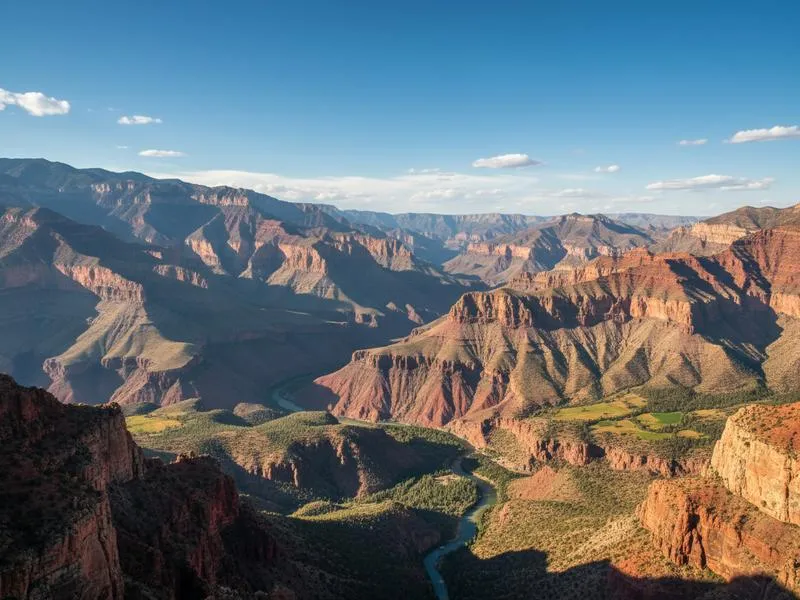
The El Chepe train is the safest and most practical way to experience Copper Canyon. Here is why.
Federal rail security. The El Chepe route is a federal railway, which means it falls under national jurisdiction rather than local or state policing. The train line has security protocols that do not exist on Chihuahua’s secondary roads.
High tourist visibility. Both the El Chepe Express (the tourist-class service with restaurant car, bar, and panoramic windows) and the El Chepe Regional (the slower, cheaper service that stops at more stations) carry a mix of international and domestic tourists. High tourist visibility means high scrutiny from authorities and low attractiveness as a target.
Established stops with infrastructure. The main stops along the route — Chihuahua City, Cuauhtemoc, Creel, Divisadero, Posada Barrancas, El Fuerte, and Los Mochis — all have hotels, restaurants, and tour operators. You are never arriving into an isolated area without services.
The train avoids road-driving risks entirely. This is the key point. The security concerns that exist in Chihuahua state relate primarily to highway driving, particularly on secondary roads at night. The El Chepe eliminates this risk completely. You board in a city, ride through the mountains, and disembark at a town with services.
Both the Express and Regional services are safe. The Express is more comfortable and runs three times per week; the Regional is more affordable and stops at smaller communities. Either way, you are on a rail line with established security, not on a remote highway.
And frankly, even if safety were not a factor, the train is the better way to see the canyon. The views from the El Chepe as it winds through the Sierra Tarahumara — crossing bridges over deep gorges, passing through 86 tunnels, climbing from tropical canyon floor to pine-forested highlands — are among the most spectacular train rides on the continent. You would miss all of this from a car. Read our full El Chepe guide for schedules, pricing, and booking tips.
Creel: Your Base in the Canyon
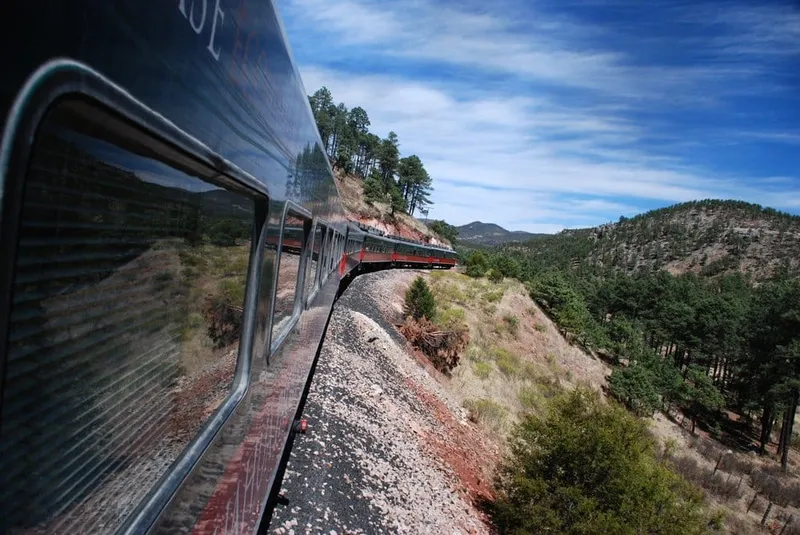
Creel is a small mountain town of roughly 5,000 residents at 2,340 metres elevation. It serves as the primary base for exploring Copper Canyon, and it is safe for tourists.
Why Creel is secure:
- Tourism is the economy. Creel’s livelihood depends on visitors, which means the local government and police have a direct interest in maintaining safety. There is a regular police presence in town.
- Walkable centre. The town centre is compact — you can walk from one end to the other in 15 minutes. Hotels, restaurants, shops, and tour operators are concentrated in a small area around the main plaza and the Avenida Lopez Mateos.
- Established accommodation. From budget hostels to mid-range hotels like the Best Western and Hotel Cascada Inn, Creel has accommodation that receives international guests regularly. The staff are experienced with foreign travellers.
- Tour operators run daily. Multiple operators in Creel run excursions to Batopilas, the Basaseachi waterfall, Lago Arareko, Recowata hot springs, and canyon overlooks. These are established routes with experienced guides. Our things to do in Creel guide covers the best excursions.
Evening walks in the town centre are fine. Creel has a relaxed mountain-town atmosphere — families walk the plaza after dinner, shops stay open into the evening, and you will see other travellers at the restaurants and cafes. Standard precautions apply: do not flash expensive cameras or electronics, keep valuables secure, and stay in the lit town centre after dark. These are the same precautions you would take in any small town in northern Mexico.
The altitude is worth noting. At 2,340 metres, Creel is higher than Mexico City. If you are coming from sea level, give yourself a day to adjust. Drink water, avoid heavy exertion on your first day, and bring layers — nights get cold, especially from October through March. For timing your trip, see our best time to visit Copper Canyon guide.
The Real Risks on the Canyon Route
Being honest about safety means acknowledging what the actual risks are — not exaggerating them, but not pretending they do not exist either.
Opportunistic theft at train stops. The busier El Chepe stops, particularly Divisadero, attract vendors and crowds when the train arrives. Keep your bags close, do not leave belongings unattended, and use money belts for documents and cash. This is petty theft risk, not violent crime risk.
Persistent vendors. At Divisadero and Posada Barrancas, Raramuri women and children sell crafts and food when the train stops. They are not dangerous — just persistent. A firm but polite “no gracias” works. If you want to buy, negotiate fairly. These are handmade goods from communities that depend partly on this income.
Altitude sickness. Creel sits at 2,340 metres, and some canyon rim viewpoints are higher. Headaches, shortness of breath, and fatigue are possible, especially if you arrive from sea level. Hydrate, take it easy the first day, and consider carrying basic altitude medication if you are sensitive.
Mountain weather. The Sierra Tarahumara has dramatic weather shifts. Mornings can be warm and sunny; afternoons can bring rain, fog, or cold winds. From November through February, freezing temperatures at night are normal. Pack layers regardless of the season.
Limited cell coverage. Once you leave Creel and head into the canyon, cell reception becomes spotty or nonexistent. Download offline maps, carry a paper map of trails, and inform someone of your hiking plans before you go.
None of these are unique to Copper Canyon. These are the same considerations you would have in any remote mountain area — the Andes, the Himalayas, the Rockies. They require preparation, not fear.
Safest Places to Stay in Copper Canyon
If you want the easiest, lowest-risk base, choose accommodation in one of the main tourist stops rather than in an isolated roadside property.
Creel is the best base for most first-time visitors. It has the strongest hotel selection, daily tours, regular train arrivals, and a compact town centre where you can walk between restaurants and agencies.
Divisadero or Posada Barrancas work well if your priority is canyon views and a short stay. These stops are quieter than Creel, but they are still on the train line and built around tourism infrastructure.
Batopilas is best treated as an overnight side trip, not your first base. It is beautiful and usually fine during the day, but it is far more remote than Creel and less convenient if plans change.
If you are booking hotels, prioritize places that can arrange station pickups, day tours, and clear arrival instructions. That removes friction on the part of the trip where most first-timers feel uncertain.
Best Copper Canyon Safety Strategy for First-Time Visitors
If you want the lowest-stress version of a Copper Canyon trip, this is the setup I recommend.
- Arrive in Chihuahua City during daylight. If you need a staging point, sleep there one night first.
- Take the El Chepe train instead of renting a car. This removes the biggest safety variable immediately.
- Base yourself in Creel for 2-3 nights. It is the easiest place to organize transport, tours, and day trips.
- Book canyon excursions through established operators in town. That includes Batopilas, Divisadero viewpoints, and waterfall trips.
- Keep remote exploration structured. For hikes and canyon-floor routes, go with a guide or a group, not fully alone.
This approach matches what the strongest competing pages emphasize, but it deserves to be stated more directly: Copper Canyon is safest when you treat it as a train-and-base-town trip, not as a spontaneous road trip through remote backroads.
Common Mistakes First-Time Visitors Make
These are the errors most likely to make a Copper Canyon trip feel stressful when it does not need to be.
- Trying to self-drive the whole route instead of taking El Chepe. The train is simpler, safer, and much more scenic.
- Arriving late and continuing into the mountains after dark. Sleep in Chihuahua City first if your timing is tight.
- Treating Batopilas like a casual day trip with no preparation. It is better done with a local operator or a well-planned overnight.
- Assuming every advisory headline applies equally to the tourist corridor. Copper Canyon, Creel, and Ciudad Juarez do not share the same on-the-ground reality.
- Going remote without cash, layers, water, or offline maps. The practical risks in Copper Canyon come from remoteness, not from the train towns themselves.
Avoid those five mistakes and the trip becomes much more straightforward.
Who Should Reconsider Copper Canyon
Copper Canyon is not a destination I would call dangerous for prepared travelers, but it is also not ideal for everyone.
You may want to reconsider, postpone, or book a fully guided itinerary if you:
- are uncomfortable with long overland travel in remote areas
- plan to self-drive mountain roads after dark
- need immediate access to full-service hospitals
- want a destination with strong cell service and easy ride-hailing everywhere
- are hoping to improvise isolated hikes without a guide
That is not a knock on the canyon. It is simply a reminder that remote and unsafe are not the same thing, but remoteness does demand more planning.
Batopilas and the Canyon Floor
Batopilas is a former silver mining town at the bottom of Batopilas Canyon, one of Copper Canyon’s deepest gorges. It is stunningly beautiful — a subtropical village at 500 metres elevation surrounded by canyon walls rising 1,800 metres above it.
It is also more remote and less policed than Creel.
The road to Batopilas is a narrow, winding mountain road that drops nearly 2,000 metres over about 140 km from Creel. It takes 4-5 hours by van or truck. The road is paved in sections and dirt in others. It is dramatic but not for nervous drivers or anyone uncomfortable with cliffside switchbacks.
Safety considerations for Batopilas:
- Travel in daylight only. This applies to the road to Batopilas and to movement in the surrounding area. Do not drive this road at night under any circumstances.
- Use guided tours. Multiple operators in Creel run Batopilas overnight trips. This is the recommended approach — you get a driver who knows the road, accommodation arrangements, and local knowledge.
- Plan for remoteness. Batopilas has very limited medical facilities, unreliable cell service, and no ATMs. Bring cash, medications, and supplies you might need.
- The canyon floor is safe during the day. Walking around Batopilas itself is fine. The town is small, the locals are accustomed to visitors, and the Misión de Satevo church hike is a straightforward walk along the river.
Batopilas is worth the effort for travelers who want to go deeper than the train route allows. But it requires more planning than staying in Creel, and it rewards those who prepare properly.
Driving in Chihuahua State: Important Warnings
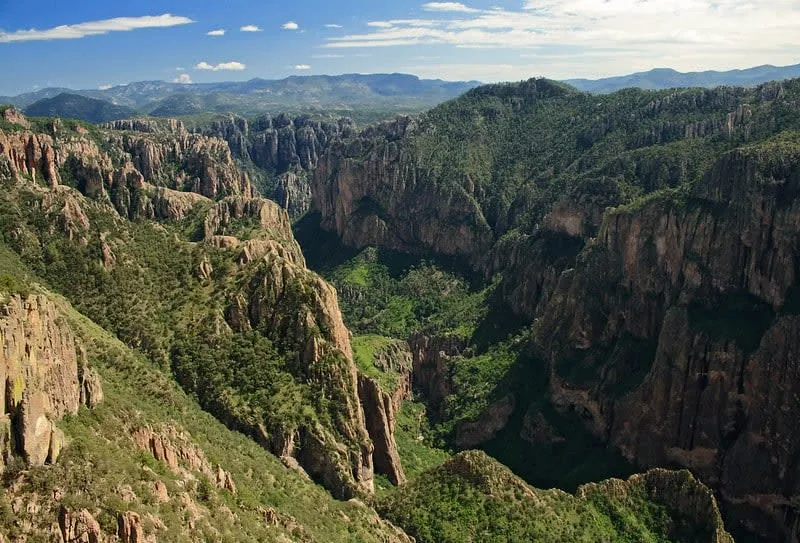
I need to be direct here because this is where the real safety risk in Chihuahua lies.
Do not drive secondary roads in Chihuahua state at night. Highway carjacking is a documented risk in this state, and it happens primarily on less-trafficked roads after dark. This is not theoretical — it is the specific reason the US State Department assigns Level 3 to Chihuahua.
The El Chepe train is specifically safer because it eliminates driving entirely. This is not just a convenience point — it is a safety point. The train avoids every road-related risk in the state.
If you must drive in Chihuahua:
- Daylight hours only. Plan your driving so you are off the road before sunset. No exceptions.
- Toll highways (autopistas) only. Toll highways have more police presence, better lighting, and emergency call boxes. Free highways (“libres”) are less monitored.
- Share your itinerary. Tell your hotel or a contact back home your planned route and expected arrival time.
- The Chihuahua City to Creel drive is approximately 4-5 hours via Highway 16. It is doable in daylight hours and is a well-travelled route. Leave early in the morning. If you visit Chihuahua City before heading to the canyon, this is a reasonable drive.
- Do not stop for unofficial checkpoints. If someone tries to wave you down on a deserted road with no police vehicles or uniforms visible, do not stop. Drive to the nearest town or gas station.
My recommendation: take the train. It is safer, more scenic, and eliminates every driving concern I just listed. The El Chepe exists precisely for this route, and it does the job better than any car could.
Raramuri Communities: Respectful Engagement
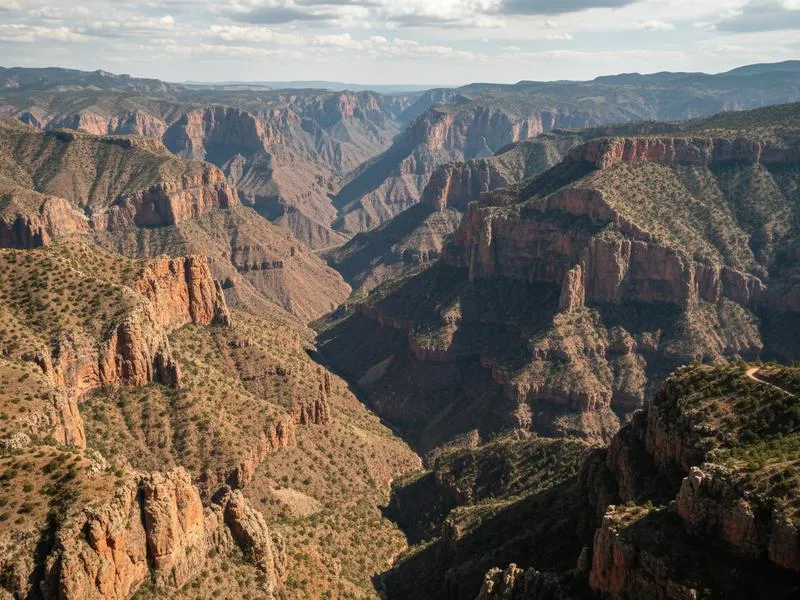
The Raramuri (also known as Tarahumara) are the indigenous people of the Sierra Tarahumara. They have lived in these canyons for centuries and maintain a distinct culture, language, and way of life. Visiting Raramuri communities is one of the highlights of a Copper Canyon trip, and it is safe — but cultural protocols matter more than security concerns here.
Ask before photographing people. This is not a safety issue; it is a respect issue. Many Raramuri people do not want to be photographed, and some believe photographs take something from them. Always ask first, and accept a “no” gracefully.
Purchase crafts directly from artisans. Raramuri women create beautiful woven baskets (called wares), pine needle baskets, carved wooden figures, and beaded jewellery. Buying directly from artisans rather than middlemen ensures the money reaches the community. Negotiate fairly — these items represent hours of skilled work.
Use local guides. Tour operators in Creel employ Raramuri guides who can take you to communities in a way that is welcomed rather than intrusive. Do not wander into communities uninvited. The Raramuri value their privacy, and arriving unannounced at a family’s home is not appropriate.
Korima. This is the Raramuri tradition of sharing — the idea that those who have more should share with those who have less. It explains why Raramuri people may ask you for food, money, or goods. This is not begging in the way outsiders sometimes interpret it; it is a cultural practice rooted in community reciprocity. Respond with generosity or with a polite acknowledgement.
The Raramuri are not a safety risk. They are welcoming hosts who have maintained their culture against significant historical pressure. Approach with respect, and your interactions with Raramuri communities will likely be the most meaningful part of your Copper Canyon experience.
Solo Travel in Copper Canyon
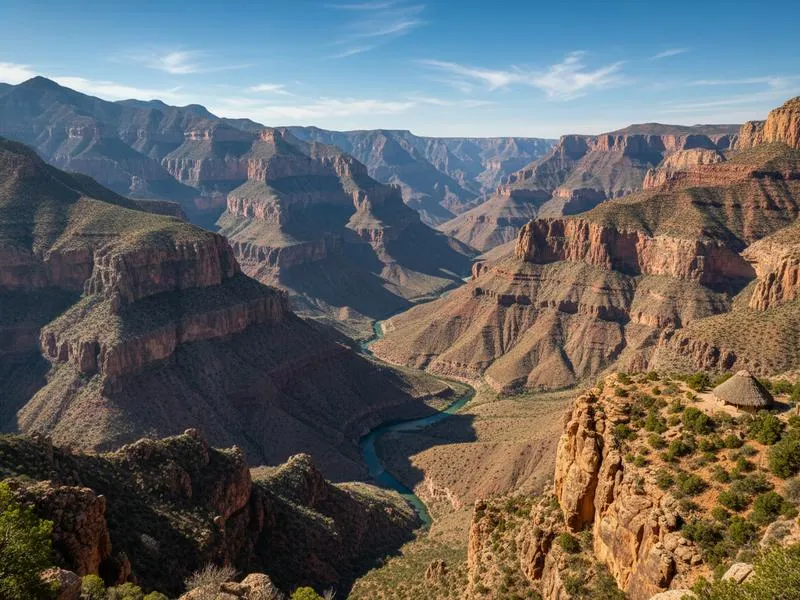
Solo travel in Copper Canyon is doable, and Creel specifically is safe for solo travellers, including solo female travellers.
Creel as a solo base works well. The town is small enough that you will recognise faces after a day, the hostels have common areas where travellers meet, and the restaurants and cafes are welcoming. You will not feel isolated.
The El Chepe connects you with other travellers naturally. Train travel has a social element that bus or car travel lacks. You will meet people on the train, at stops, and at viewpoints. By the time you reach Creel, you will likely have fellow travellers to share excursions with.
Join organized tours for deeper canyon sections. Solo hiking in remote areas of the canyon is not recommended — not because of crime but because of the terrain. Trails are unmarked, cell coverage is nonexistent, and rescue infrastructure is limited. Book group tours from Creel for activities like the Batopilas trip, Basaseachi Falls, or canyon floor hikes. This is about practical safety, not security concerns.
Share your itinerary. Tell your accommodation and someone back home where you are going each day and when you expect to return. This is standard practice for any remote travel anywhere in the world.
Practical tips for solo travellers:
- Book El Chepe tickets in advance during high season (October-March) — the Express sells out
- Creel has ATMs but they sometimes run out of cash on weekends; bring enough pesos from Chihuahua City
- Download offline maps of the Sierra Tarahumara before you lose cell signal
- Carry a headlamp — Creel’s streets are not all well-lit at night
- The Copper Canyon vs Grand Canyon comparison may help you set expectations for the scale of what you are about to see
Medical Facilities
Medical infrastructure in the Copper Canyon region is limited, and understanding this is important for trip planning.
Creel has a basic clinic (Centro de Salud) that can handle minor injuries, stomach issues, and common altitude complaints. It has a doctor on staff during business hours. For anything beyond basic care, you will need to get to Chihuahua City.
Chihuahua City has modern hospitals including Hospital Angeles and Hospital Star Medica. It is approximately 4-5 hours from Creel by road. This is the nearest facility for serious medical issues, surgery, or specialist care.
There is no helicopter evacuation infrastructure in the canyon. Unlike destinations such as the Grand Canyon (which has helicopter rescue) or European mountain regions with organized rescue services, Copper Canyon does not have this. If you are injured in a remote canyon area, evacuation will be by road, and it will take hours.
What to bring:
- A personal first aid kit with bandages, antiseptic, pain relievers, and any personal medications
- Altitude sickness medication (acetazolamide/Diamox) if you are sensitive to elevation changes
- Insect repellent — the canyon floor is subtropical and has mosquitoes
- Sunscreen — the high altitude means intense UV exposure
- Any prescription medications you need for the duration of your trip plus extra days in case of delays
Travel Insurance
travel insurance with medical evacuation coverage is strongly recommended.
What to look for in your policy:
- Medical evacuation coverage (this is the most important for remote destinations)
- Adventure activities coverage if you plan to hike, mountain bike, or rock climb in the canyon
- Trip interruption coverage in case weather or road conditions delay your travel
- Coverage that specifically includes Mexico and does not exclude Level 3 advisory areas
Verify your policy covers you in Level 3 advisory states before you go. Some budget travel insurance policies exclude areas with Level 3 or higher advisories.
Emergency Contacts
Keep these numbers saved on your phone and written on paper (your phone may not have signal in the canyon):
| Service | Number |
|---|---|
| National emergency | 911 |
| Tourist assistance (SECTUR) | 078 |
| US Consulate Ciudad Juarez | +52 656 227-9000 |
| Red Cross Chihuahua | +52 614 411-1444 |
| Angeles Verdes (roadside) | 078 or 800 987 8224 |
The Angeles Verdes (Green Angels) are a Mexican government roadside assistance service that patrols major highways. They can help with breakdowns, flat tires, and minor emergencies. If you are driving in Chihuahua state, their number is worth having.
For a comprehensive list of safety resources across Mexico, see our Is Mexico Safe? guide.
Book Copper Canyon Tours
If you prefer to have logistics handled for you — and for Copper Canyon, there is a strong argument for this — book through an established operator.
Book Copper Canyon tours on Viator — El Chepe packages, Creel excursions, Batopilas overnight trips, and canyon rim hiking tours. Viator partners with local operators in Chihuahua and handles booking in English with free cancellation on most experiences.
Using an established tour operator gives you:
- A guide who knows the terrain and local conditions
- Arranged transport that eliminates driving risks
- Pre-arranged accommodation in remote areas like Batopilas
- Local knowledge about weather, trail conditions, and which areas to visit
This is one of the destinations where organized tours genuinely add value rather than just convenience.
Final Verdict
Copper Canyon is safe for prepared travellers in 2026. The key word is “prepared.”
Here is the summary:
- Take the El Chepe train. It is the safest and most scenic way to experience the canyon. Do not drive secondary roads.
- Base yourself in Creel. It is safe, has established infrastructure, and tour operators run canyon excursions daily.
- Do not conflate Copper Canyon with Ciudad Juarez. They are over 500 km apart with completely different security profiles. The Level 3 advisory for Chihuahua state does not reflect the reality of the canyon tourist corridor.
- Use established tour operators for deeper canyon sections like Batopilas.
- Carry travel insurance with evacuation coverage. The remoteness makes this essential.
- Respect Raramuri communities. They are your hosts in the Sierra, not a tourist attraction.
Copper Canyon is one of Mexico’s most spectacular natural landscapes — larger and deeper than the Grand Canyon in several sections, with a living indigenous culture and a train ride that ranks among the world’s best. The Level 3 advisory for Chihuahua state scares away some travellers, and that is understandable. But when you understand what that advisory actually covers and where the real risks lie, the canyon itself is a reasonable and rewarding destination.
Go. Take the train. See the gorges. Meet the Raramuri. Just do it with good information and proper preparation.
Plan Your Copper Canyon Trip
These guides cover everything you need to plan your Copper Canyon trip:
- Copper Canyon Complete Guide — full overview of the canyon system, logistics, and what to expect
- El Chepe Train Guide — schedules, pricing, booking tips, and route highlights
- Creel Travel Guide — accommodation, restaurants, and practical information for your base town
- Things to Do in Creel — excursions, hikes, and day trips from Creel
- Copper Canyon Complete Guide — what to see at Divisadero, Creel, and along the full canyon route
- Chihuahua City Guide — the state capital and your gateway to the canyon
- Northern Mexico Guide — the broader region including Sonora, Chihuahua, and Durango
- Is Mexico Safe? — the full country safety breakdown
- Mexico Travel Advisory 2026 — every state explained with current advisory levels
- Best Time to Visit Copper Canyon — season-by-season weather, crowds, and pricing
- Copper Canyon vs Grand Canyon — how Mexico’s canyon system compares to Arizona’s