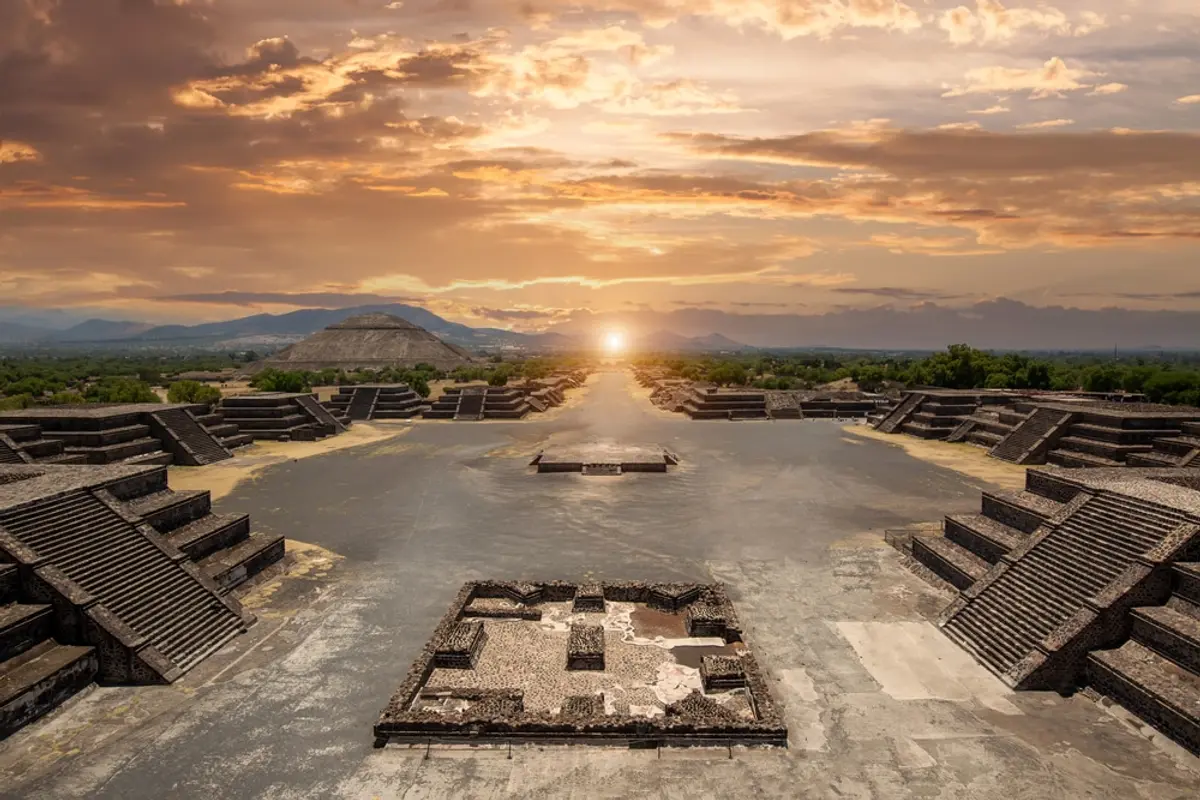
Teotihuacan Pyramids 2026: Tickets, Hours & Rules
Teotihuacan (teh-oh-tee-wah-KAHN) is the essential Mexico City day trip for monumental pyramids, the Avenue of the Dead, and remarkably preserved murals. The pre-Aztec city sits 50 km northeast of Mexico City and is one of the most visited UNESCO World Heritage Sites in the Americas.
The key 2026 rule: visitors cannot climb the Pyramid of the Sun or Pyramid of the Moon. Plan to explore them from the ground, walk the Avenue of the Dead, and visit the site’s museums and palace complexes instead. The archaeological zone is open daily from 9 AM to 5 PM; general admission is 210 MXN for international visitors and 105 MXN at the domestic rate.
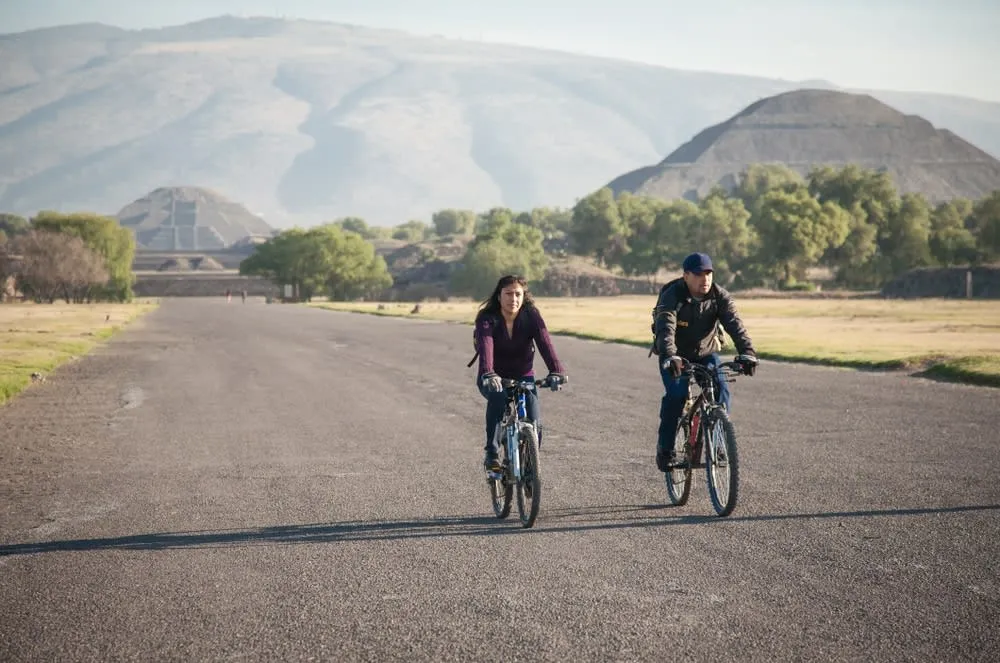
Quick Facts
| Location | San Juan Teotihuacan, State of Mexico (50 km NE of Mexico City) |
| UNESCO Status | World Heritage Site since 1987 |
| Entry Fee | 210 MXN international / 105 MXN domestic rate |
| Hours | 9 AM – 5 PM daily (last entry generally 4 PM) |
| Climb the pyramids? | No — climbing the Sun and Moon pyramids is prohibited |
| From Mexico City | ~1 hour by bus or car |
| Best arrival time | 9 AM when gates open |
| Recommended time | 3–4 hours minimum |
How to Get to Teotihuacan from Mexico City
Getting to Teotihuacan without a tour is straightforward and significantly cheaper. Here are all your options:
| Method | Cost | Travel Time | Notes |
|---|---|---|---|
| Public bus | ~50–65 MXN each way | 50–60 min | Most popular independent option |
| Organized tour | $25–65 USD/person | Door to door | Includes transport, guide, sometimes lunch |
| Uber/DiDi | ~$15–25 USD each way | 45–60 min (traffic dependent) | Convenient but hard to get return ride |
| Rental car | Varies + parking | 45 min | Highway 132D, parking available on-site |
| Metro + bus | ~60–75 MXN | 1.5–2 hrs | Metro to Indios Verdes, then bus |
The Bus from Terminal Norte (Recommended for Independent Visitors)
Full step-by-step: Mexico City to Teotihuacan 2026: Every Transport Option Compared →
The cheapest and most popular way: take the metro to Terminal Central de Autobuses del Norte (metro line 5, orange — see our getting around Mexico City guide for metro maps and tips), find Sala 8, and buy a ticket with Autobuses México–San Juan Teotihuacan. Buses run every 20–30 minutes from around 7 AM. The ride takes 50–60 minutes depending on traffic. Ticket: approximately 55–65 MXN ($3 USD) each way.
Tell the driver you’re going to La Puerta 1 (Gate 1, closest to the Pyramid of the Sun). Return buses stop right outside the site entrance.
Important: If using Uber for the return journey, request it inside the parking area — signal can be patchy at the gates.
Book a guided Teotihuacan day trip from Mexico City on Viator if you prefer a hassle-free experience with an English-speaking guide.
Entry Fees and Hours
| Ticket | Price (2026) |
|---|---|
| International adult admission | 210 MXN |
| Domestic adult rate | 105 MXN |
| Children under 13 | Free |
| Video recording permit (professional) | Additional fee |
| Parking (own vehicle) | ~100 MXN |
Hours: Open daily 9 AM to 5 PM, with last entry generally at 4 PM. Arrive by 11 AM if you want enough time for the Avenue of the Dead, palace complexes, and museums. Weekend crowds peak from 11 AM to 2 PM.
Sunday rule: Sunday admission is free for Mexican citizens and qualifying residents. This makes Sunday significantly more crowded; international visitors who do not qualify pay the full rate.
The Pyramid of the Sun — Can You Climb It?
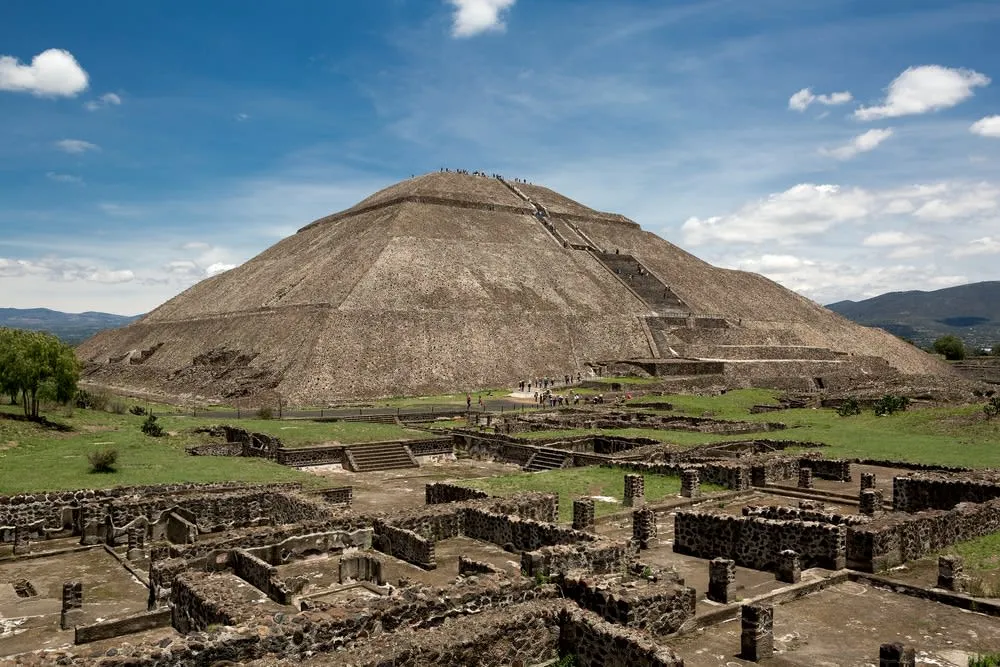
No. Climbing the Pyramid of the Sun is not permitted in 2026. Barriers protect the 65-meter monument from erosion and visitor damage. You can still walk around its base and get excellent views from the Avenue of the Dead.
The scale is clearest from the plaza directly in front of the pyramid. Step back toward the Avenue of the Dead for the classic full-structure photo, especially in the softer morning light.
The Pyramid of the Sun is the third largest pyramid in the world by volume, after the Great Pyramid of Cholula (largest by volume, just 140 km away in Puebla) and the Great Pyramid of Giza (tallest). This context makes it even more impressive.
Built over: The pyramid was constructed over a natural cave, which the Teotihuacanos believed was the birthplace of the sun and moon — a cave considered an entrance to the underworld.
The Pyramid of the Moon
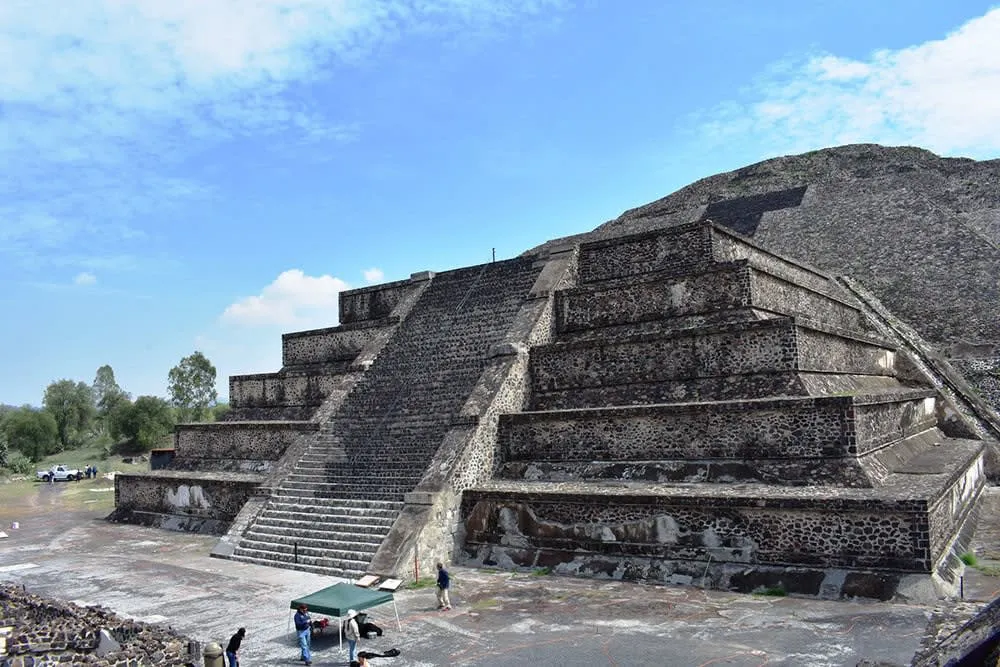
The Pyramid of the Moon is also closed to climbing in 2026. At 45 meters, it is shorter than the Sun Pyramid but stands on higher ground, anchoring the northern end of the Avenue of the Dead.
For the strongest view, walk into the Plaza of the Moon and turn south. From ground level, the avenue’s symmetry and the Pyramid of the Sun’s position become clear without entering restricted steps or platforms.
The Moon Pyramid also frames the Plaza of the Moon, surrounded by smaller platform-temple complexes. Excavations here have uncovered evidence of ritual sacrifices — both human and animal — offered to the rain and water deities associated with the moon.
The Avenue of the Dead
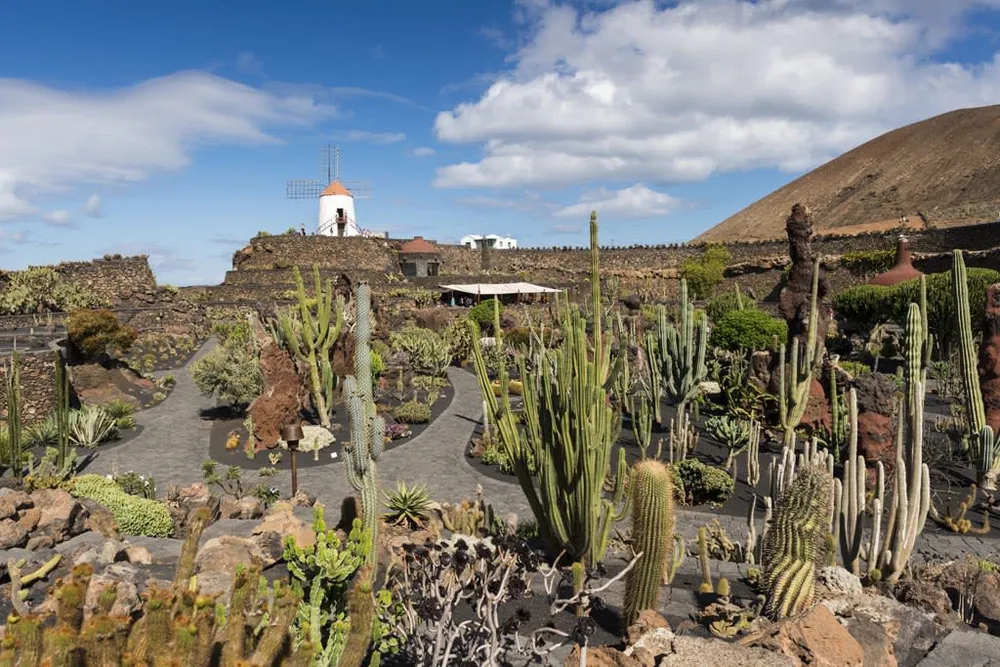
The Avenue of the Dead (Calzada de los Muertos) runs 2 kilometers from the Pyramid of the Moon in the north to the Citadel complex in the south. It was the spine of one of Mesoamerica’s largest cities, estimated to have housed 100,000–200,000 residents at its peak around 450 CE — one of the largest cities in the world at that time.
The name was a Aztec/Mexica misinterpretation: they found the platforms lining the avenue and assumed they were tombs. They were actually the bases of smaller temples. At Teotihuacan’s height, this street would have been lined with multistory buildings, plazas, and compounds.
Walking time: End to end takes about 20–25 minutes at a tourist pace. You’ll want to stop at the Citadel complex roughly halfway down.
The Citadel and Pyramid of the Feathered Serpent
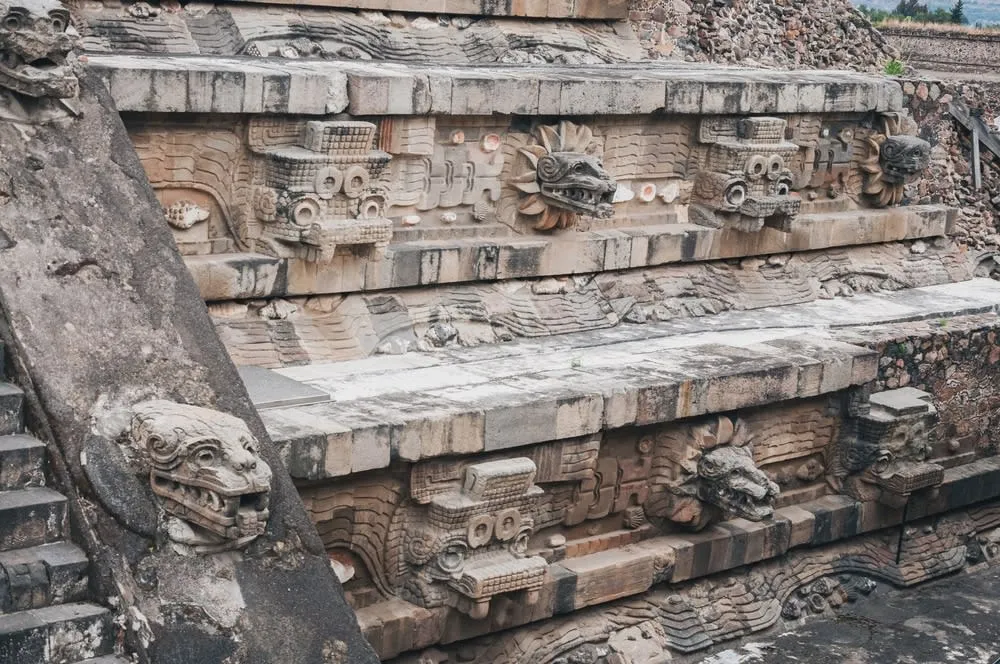
At the southern end of the Avenue of the Dead, the Citadel (La Ciudadela) is a massive 400-meter quadrangle enclosing the Temple of the Feathered Serpent (also called Temple of Quetzalcoatl or Temple of Quetzalpapalotl — these names are sometimes confused).
Look closely at the facade of this pyramid: alternating carved heads of the feathered serpent deity and what scholars believe is the “Storm God” (Tlaloc) cover the original structure. Archaeologists have found the remains of more than 200 sacrificed individuals beneath and around this pyramid, making it one of the most significant sacrifice sites known in Mesoamerica.
The Citadel is significantly less crowded than the main pyramids — most visitors walk past it or spend only 10 minutes. Worth 30+ minutes to explore properly.
Palace of Quetzalpapalotl and the Murals
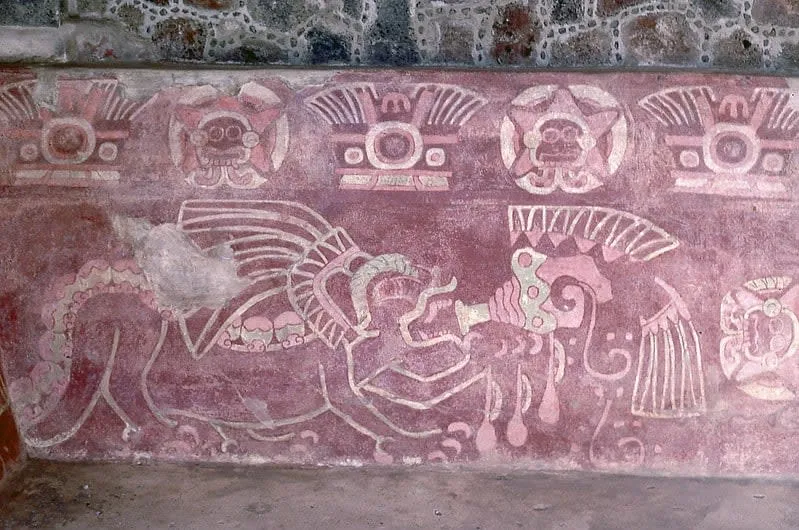
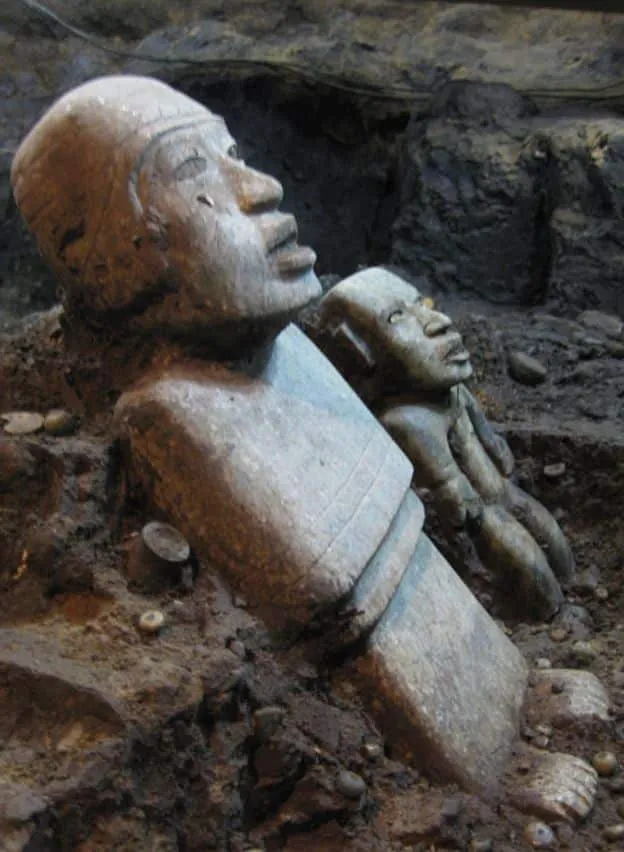
In the southwest corner of the Plaza of the Moon, the Palace of Quetzalpapalotl (Butterfly-Quetzal Bird Palace) is one of the best-preserved noble residences at Teotihuacan. The carved stone columns show intertwined quetzal bird and butterfly imagery — extraordinarily detailed for 1,500-year-old stonework.
This was likely the residence of Teotihuacan’s ruling elite (priests or administrative leaders). Partially restored murals survive in some of the interior rooms.
The Tepantitla murals, located in a separate compound to the east of the Pyramid of the Sun, show Tlaloc (the rain deity) surrounded by figures swimming in a paradise — one of the most elaborate mural paintings to survive from Teotihuacan. These require a short detour but are rarely crowded.
The Hot Air Balloon Experience
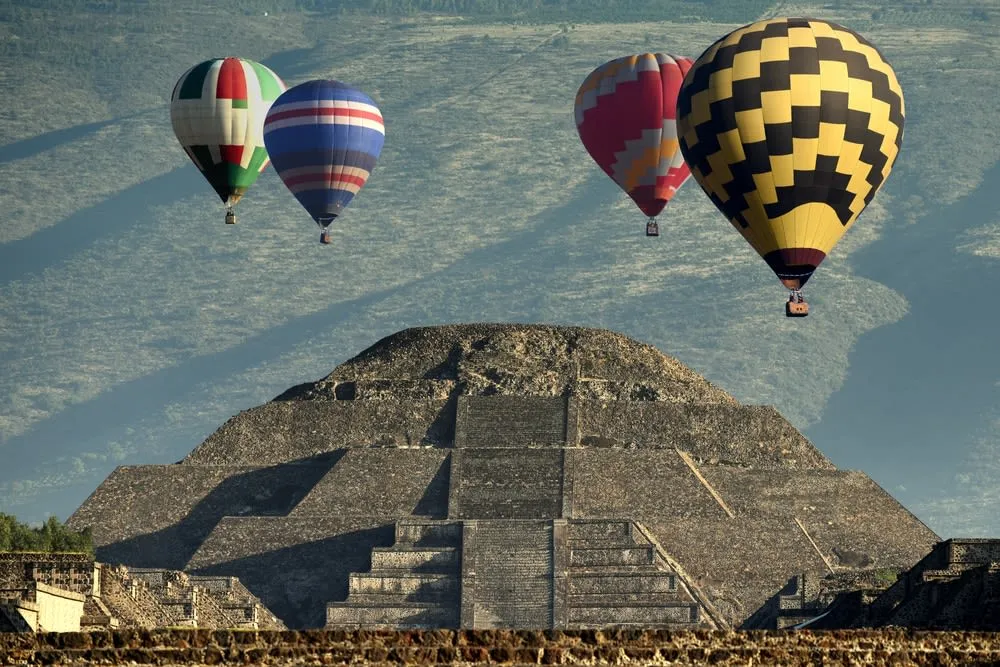
One of the most spectacular Mexico City-area experiences: rising at dawn to float over the Pyramids in a hot air balloon as the sun climbs over the mountains. Several operators launch from within and around the Teotihuacan zone, typically at 6–7 AM depending on season and wind.
What to expect:
- Duration: 45–60 minutes in the air
- Cost: Approximately $200–280 USD per person (includes transport from CDMX hotel, champagne breakfast on landing)
- Booking: Reserve at least 1–2 weeks in advance (often sells out on weekends). Cancellations for high wind are common — reputable operators will reschedule
- Best months: November–April (dry season, clearer air, more stable winds)
- Operators to look for: Globo Aventura, Teotihuacan Balloons (verify current operators as this market has changed — Viator lists vetted options)
Browse hot air balloon tours at Teotihuacan on Viator — they list multiple operator options with reviews and cancellation policies.
Practical note: The balloon goes UP at 6 AM. That means leaving Mexico City hotels by 4:30–5 AM. It’s brutal but worth it for photos unlike anything else in Mexico.
La Gruta — Lunch Inside a Cave
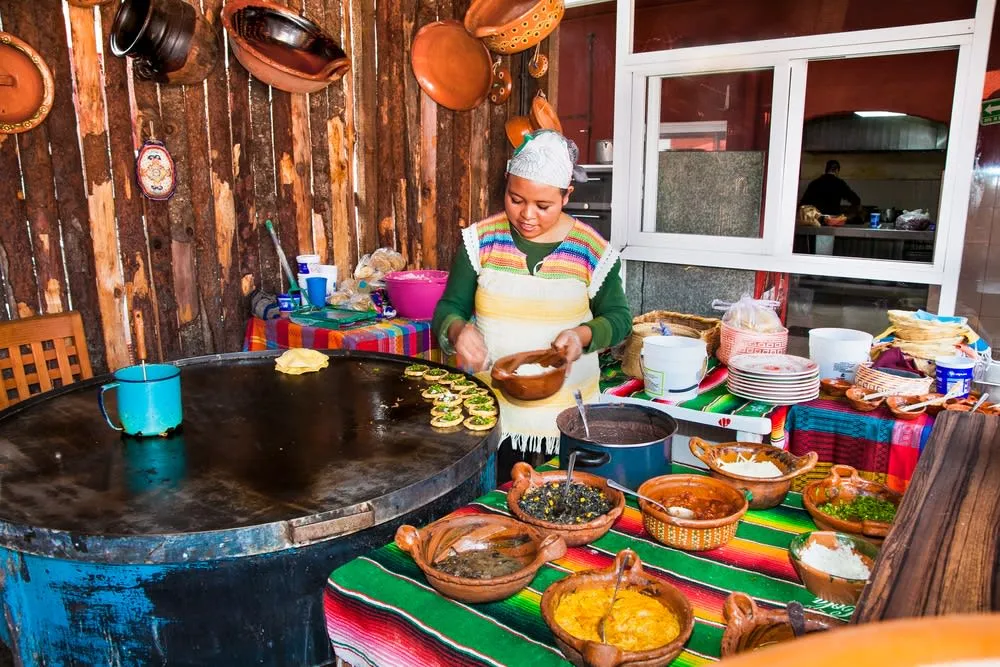
One of the most atmospheric restaurant experiences in all of Mexico: La Gruta is built inside a natural cave about 300 meters from the Pyramid of the Sun entrance. The cave was originally used by pre-Columbian settlers; today it seats hundreds of visitors under natural rock formations lit by soft lighting.
Food: Traditional Mexican — mole dishes, soups, stews, grilled meats. Priced at approximately 150–350 MXN per dish ($8–18 USD). Not the cheapest option near the site, but the setting is extraordinary.
Practical tips for La Gruta:
- Arrive by 12 PM — it fills up by 1 PM on weekends
- Cash preferred (card machines sometimes fail)
- It can be chilly inside the cave year-round — bring a light layer
- Located at Gate 5 (Puerta 5) of the archaeological zone — ask staff for directions
Obsidian and Shopping
Teotihuacan sits atop one of Mexico’s major obsidian deposits. The ancient city was built partly on the wealth from obsidian trade — the volcanic glass was prized across Mesoamerica for making cutting tools sharper than surgical steel.
Today you can buy obsidian carvings, figurines, knives, and jewelry from vendors throughout the site. Quality and price vary enormously. Tips:
- Small obsidian arrowheads: 30–50 MXN
- Carved figurines (jaguar, Quetzalcoatl): 150–500 MXN
- High-quality jewelry: 300–2,000 MXN
- Polished obsidian mirrors (these are special — obsidian mirrors were used by ancient priests for ritual divination): 200–800 MXN
- Bargaining is expected — start at 60–70% of the asking price
Avoid buying from vendors at the base of pyramids who pressure you aggressively. The craft market near the museum has better selection.
Tour vs. Independent Visit — Which Is Better?
| Organized Tour | Independent | |
|---|---|---|
| Cost | $25–65 USD/person | ~$15–20 USD total |
| Context | English-speaking guide explains what you’re looking at | You navigate with maps/apps |
| Flexibility | Set schedule (usually 4–5 hours) | Go at your own pace |
| Transport | Hotel pickup and drop-off | Bus or Uber from Terminal Norte |
| Best for | History enthusiasts, first-timers, solo travelers | Budget travelers, families, repeat visitors |
| Includes | Often La Gruta lunch, museum entry, guide | Entry fee only (you arrange your own) |
Recommendation: First-time visitors gain enormously from a guide who can explain the cosmological significance of the site layout. Budget travelers and those who’ve been before do perfectly fine independently.
Best Time to Visit Teotihuacan
| Month | Weather | Crowds | Notes |
|---|---|---|---|
| Nov–Feb | Cool (10–20°C), dry, clear | Lower | Best walking weather and clearest views |
| Mar–Apr | Warm (20–28°C), dry | Spring break peak (Mar) | Equinox ceremonies March 21 draw enormous crowds |
| May–Jun | Hot (28–32°C), dry turning wet | Moderate | Exposed site walks feel taxing in the heat |
| Jul–Sep | Warm, afternoon rains | Lower weekdays | Morning visits excellent; afternoon thunderstorms |
| Oct | Cooling, occasional rain | Moderate | Excellent month overall |
Spring Equinox (March 21): Tens of thousands of Mexicans in white clothing visit to “receive energy” from the pyramids. A significant cultural spectacle — but extremely crowded. If that’s your goal, arrive by 7 AM.
Daily timing: Arrive at opening (9 AM) to beat the tour buses that arrive between 10–11 AM. By noon the site is packed. You want to be on top of the Pyramid of the Sun before 11 AM.
Practical Tips
Heat and altitude: Teotihuacan sits at 2,300 meters. The sun at altitude is intense year-round, and the long exposed walk along the Avenue of the Dead can feel strenuous even on cool days.
- Bring at least 1.5 liters of water per person — vendors sell overpriced water inside
- Sunscreen and a hat are essential
- Wear flat-soled shoes with grip — the pyramid steps are steep (about 60°) and can be slippery
Respect restricted areas: Do not cross barriers or step onto the pyramids. Restrictions protect the monuments and can change around conservation work, so follow posted INAH instructions on arrival.
Physical accessibility: The Avenue of the Dead and most ground-level areas are accessible for visitors with limited mobility. The pyramids themselves are not — the steep, narrow steps cannot be navigated by wheelchair.
Photography: No permits needed for personal photography. Professional/commercial shoots require INAH authorization. Drone use is prohibited within the archaeological zone.
What to bring:
- Water (2 liters minimum)
- Sunscreen + hat
- Comfortable walking shoes (not sandals)
- Light jacket (if early morning or going to La Gruta)
- Pesos for food vendors and obsidian market
- Some sites only accept cash
Travel insurance is worth considering here, especially a policy with emergency medical coverage and evacuation support.
Where to Stay (If You Want to Overnight)
Most visitors do Teotihuacan as a day trip from Mexico City — it’s the most popular day excursion from the capital by far. But staying overnight lets you arrive at the gates at 9 AM sharp and experience the site in the early morning light before tour groups. For budget planning, see our Mexico travel cost guide — Teotihuacan is one of the most affordable UNESCO sites in the Americas.
Hotels near the ruins:
- Villas Arqueológicas Teotihuacan — closest to the zone, pool, garden views toward the pyramids
- Posada Colibrí — budget option in San Juan Teotihuacan town
- Hotel Quinta Sol — mid-range, good reviews for comfort
Overnight visitors can also do the hot air balloon without the brutal 4 AM hotel pickup.
Day Trips from Teotihuacan
Combine Teotihuacan with other nearby sites on a longer day:
- Mexico City (50 km) — the obvious base; see things to do, city itineraries, and neighborhoods guide
- Cholula Pyramid (150 km via Puebla) — world’s largest pyramid by volume
- Tula, Hidalgo — Toltec capital with warrior columns, 90 minutes north
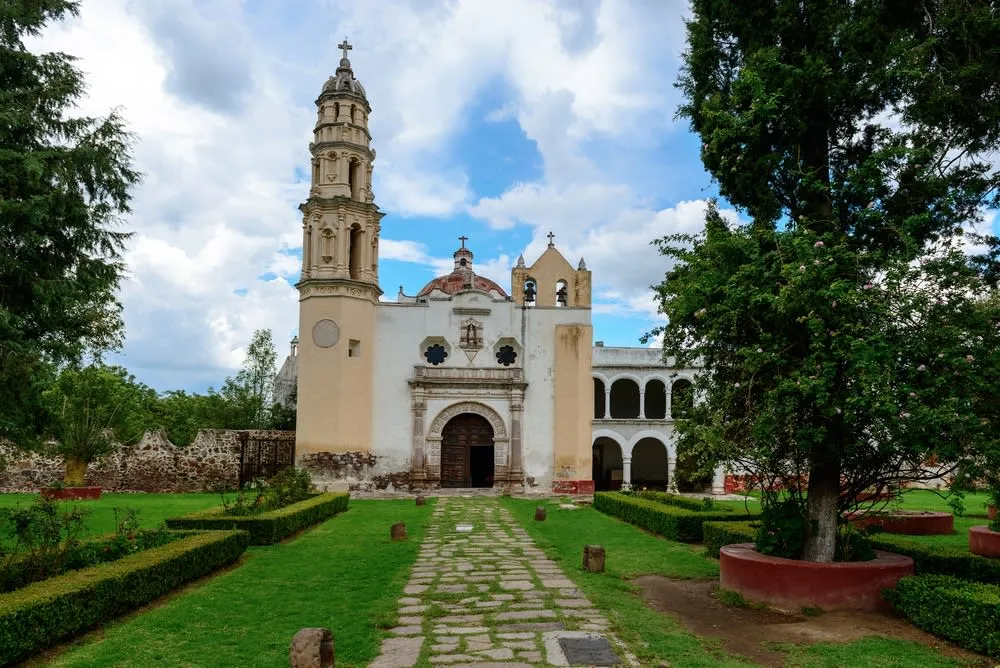
- Tepotzotlán — Baroque church and colonial convent, 45 minutes west
- Valley of Mexico hot springs — combine with a pyramid visit for a full day
Teotihuacan FAQ
Can you climb the pyramids at Teotihuacan in 2026? No. Visitors cannot climb the Pyramid of the Sun or Pyramid of the Moon in 2026. You can walk around their bases, explore the Avenue of the Dead, and visit open palace, temple, and museum areas. Follow posted INAH restrictions because conservation access can change.
How much does it cost to get into Teotihuacan? General admission is 210 MXN for international adults and 105 MXN at the domestic adult rate in 2026. Parking costs an additional ~100 MXN if you drive. Sunday admission is free for Mexican citizens and qualifying residents, so the site is significantly more crowded.
How do I get to Teotihuacan from Mexico City by bus? Take the metro to Terminal Central de Autobuses del Norte (metro line 5, orange line). Find Sala 8 and buy a ticket with Autobuses México–San Juan Teotihuacan (approximately 55–65 MXN). Buses run every 20–30 minutes starting around 7 AM. The ride takes 50–60 minutes. Ask the driver to stop at Puerta 1 (Gate 1), the main entrance closest to the Pyramid of the Sun.
Is the Teotihuacan hot air balloon worth it? If you can handle the early start (leaving Mexico City hotels at 4:30–5 AM) and the cost ($200–280 USD), yes. Floating over the pyramids at sunrise with nobody else in the air is one of the most extraordinary experiences available in Mexico. Book at least 1–2 weeks ahead on weekends. November to April offers the best conditions.
How long does Teotihuacan take to visit? A minimum of 3 hours to cover the main pyramids and the Avenue of the Dead. Four to five hours if you add the Palace of Quetzalpapalotl, the Tepantitla murals, and the site museum. Add another hour for lunch at La Gruta cave restaurant. Most organized tours run 4–5 hours total including transport time.
Planning your Mexico City trip? Start with the Mexico City travel guide, check things to do in Mexico City, and browse Mexico City day trips for other options. See our Mexico City itineraries for 3, 5, and 7-day plans that include Teotihuacan. For the full archaeological picture, compare with Chichen Itza, the pyramids of Oaxaca, and the Cholula pyramid in Puebla. Budgeting your trip? See how much Mexico costs and our guide to visiting Mexico safely.