Puerto Vallarta vs Los Cabos 2026: Which Is Right for You?
Puerto Vallarta vs Los Cabos — this is the Pacific coast showdown that comes up constantly, and I get why. Both are world-class Mexican beach destinations on the Pacific side, both have direct US flights, both have zero sargassum seaweed (a massive advantage over Cancun and the Riviera Maya), and both have Uber.
But that is where the similarities end.
Puerto Vallarta is a real Mexican town with a soul. The Romantic Zone is a walkable colonial neighborhood where locals live, eat, and go about their lives. It is Mexico’s LGBTQ+ capital. Humpback whales fill Banderas Bay from December through March. The Sierra Madre mountains crash into the ocean. You can eat street tacos for 50 MXN and drink mezcal at a rooftop bar overlooking the bay — all in the same night.
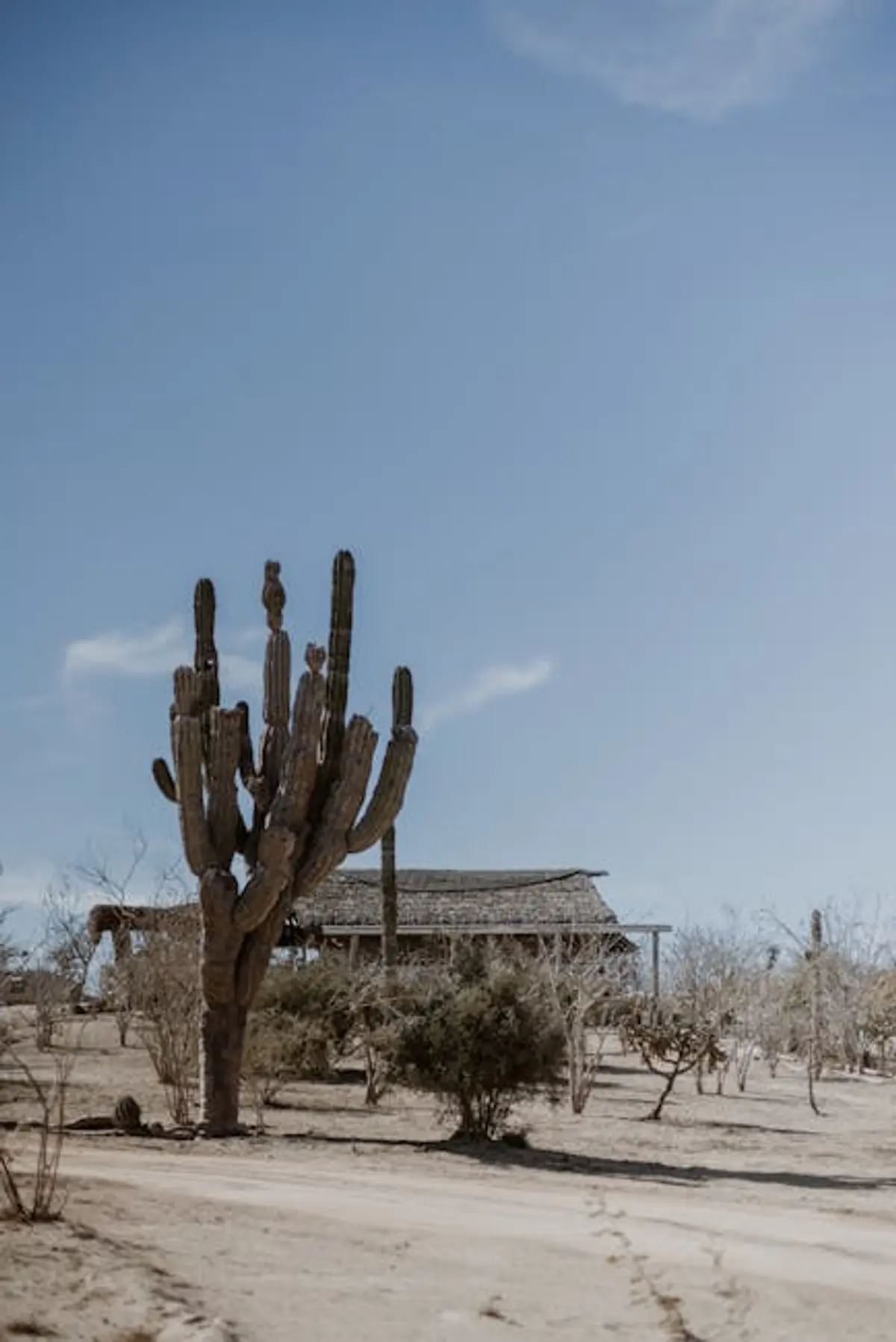
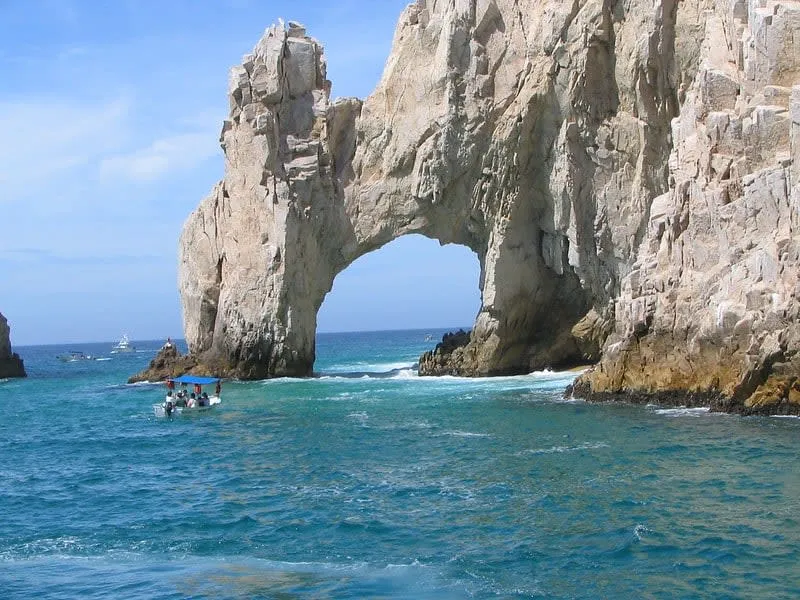
Los Cabos is a different animal entirely. It is dramatic desert meeting ocean, El Arco rising from the Pacific, world-class sportfishing, and luxury resorts that rank among Mexico’s finest. The scenery is genuinely jaw-dropping. But it is more of a resort destination — you come for the high-end experience, the fishing, and the landscape. The town itself is secondary to the resort corridor.
Neither is better. They serve different travelers. Here is the honest breakdown from someone who has spent months in both.
Quick Answer: Puerto Vallarta vs Los Cabos
| Factor | Puerto Vallarta | Los Cabos |
|---|---|---|
| Beach swimming | ✅ Banderas Bay — calmer, swimmable | ⚠️ Most beaches unsafe (Pacific currents). Medano only safe beach |
| Scenery | 🟡 Sierra Madre jungle meeting bay | ✅ Dramatic — El Arco, desert cliffs, Land’s End |
| Sargassum | ✅ Zero — Pacific coast | ✅ Zero — Pacific coast |
| Old Town/Culture | ✅ Romantic Zone, Malecon, real colonial town | 🟡 San Jose del Cabo art walk, limited |
| LGBTQ+ friendly | ✅ Mexico’s LGBTQ+ capital — Romantic Zone | 🟡 Welcoming but no dedicated scene |
| Sportfishing | 🟡 Available, decent | ✅ World-class — marlin, dorado capital |
| Whale watching | ✅ 600+ humpbacks Dec-Mar in Banderas Bay | ✅ Humpbacks + gray whales Dec-Apr |
| Nightlife | 🟡 Good bar scene, Malecon clubs | 🟡 Cabo San Lucas party scene, Mango Deck |
| Snorkeling/Diving | ✅ Los Arcos, Marietas Islands | 🟡 Santa Maria, Chileno; Cabo Pulmo nearby |
| All-inclusive value | ✅ Good value, many options | 🟡 Premium pricing, luxury tier |
| Budget options | ✅ From 40-50 USD/day possible | ⚠️ 80-100 USD/day minimum |
| Uber | ✅ Works | ✅ Works (limited, rental car helps) |
| Airport | PVR — good US connections | SJD — excellent LA/West Coast connections |
| Day trips | Sayulita, Punta Mita, Yelapa, San Pancho | San Jose del Cabo, Cabo Pulmo, Todos Santos |
| Price range | 40-300+ USD/day | 80-500+ USD/day |
| Timeshare pressure | ⚠️ Present but manageable | ⚠️ More aggressive |
| Safety | Level 2 — well-patrolled | Level 2 — well-patrolled |
| Best months | Nov-Apr peak; May-Oct decent (warmer/humid) | Nov-Apr peak; summer very hot |
Choose PV if: You want real Mexican culture + calmer beaches + LGBTQ+ welcoming + better value.
Choose Cabo if: You want luxury resorts + sportfishing + dramatic scenery + don’t need to swim at every beach.
The Beaches: Swimmable vs Scenic
This is the single biggest difference between the two destinations and the one most people underestimate before booking.
Puerto Vallarta Beaches
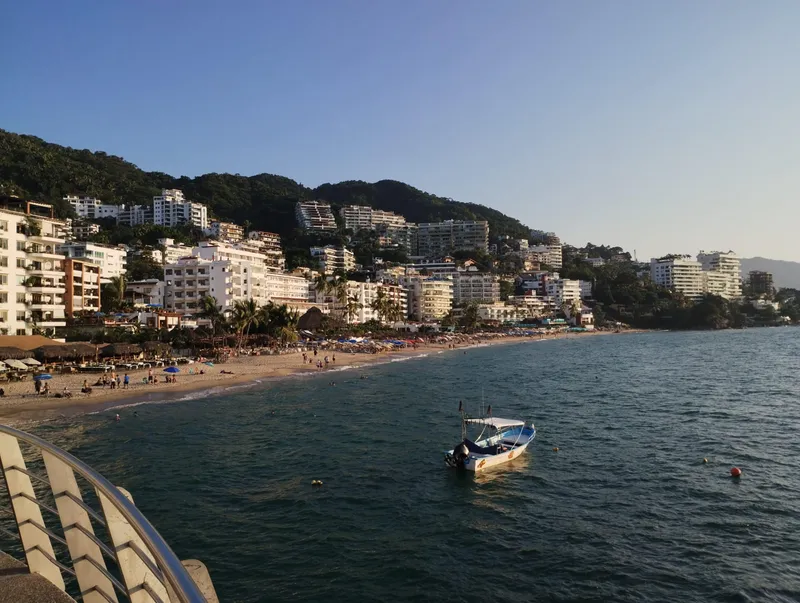
Puerto Vallarta sits on Banderas Bay, one of the largest bays in the Pacific. That bay provides natural protection from open ocean swells, which means calmer, more swimmable water at most PV beaches.
Playa de los Muertos is the main beach — walkable from the Romantic Zone, swimmable on most days, with beach restaurants, vendors, and a pier. It is not the quietest beach, but the convenience is unmatched.
Conchas Chinas is the quieter alternative south of town — rocky coves with calmer water, more privacy, and gorgeous sunset views. Las Gemelas offers two matching crescents of sand with gentle surf. Playa Mismaloya, where Night of the Iguana was filmed, sits in a jungle cove about 20 minutes south.
For day trips, you have Sayulita (45 minutes north, surf town with a strong backpacker scene), Punta Mita (upscale beach with Four Seasons/St. Regis), San Pancho (quieter alternative to Sayulita), and Yelapa — a boat-access-only beach south of PV that feels like stepping back 30 years. Yelapa is one of my favorite beaches in all of Mexico.
The north shore beaches near Punta Mita are among the best beaches in Mexico for combining swimmable water with beauty.
Los Cabos Beaches
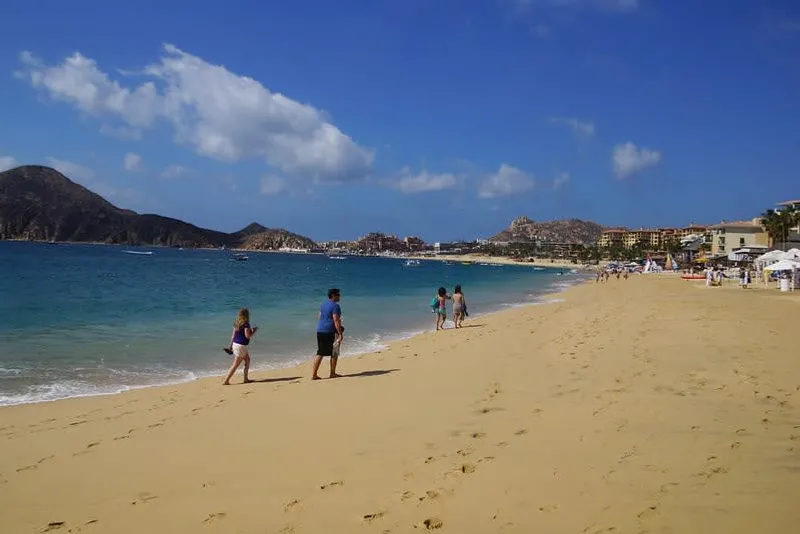
Here is the honest truth that resort marketing will not tell you: most Los Cabos beaches are NOT safe for swimming.
The Los Cabos corridor faces the open Pacific. Strong currents, rip tides, and heavy shore breaks make the majority of beaches dangerous for swimming. Red and black flags fly constantly. People drown here every year ignoring the warnings.
Medano Beach is THE swimmable beach in Cabo San Lucas — protected enough for safe swimming, lined with restaurants and beach clubs (Mango Deck, The Office), and the main social beach. If you want to swim in Cabo, this is where you will spend most of your time.
Divorce Beach and Lover’s Beach near El Arco look stunning in photos, but Divorce Beach is genuinely dangerous — the Pacific side has claimed lives. Lover’s Beach on the Sea of Cortez side is calmer but access is boat-only.
Santa Maria and Chileno are corridor beaches between Cabo San Lucas and San Jose del Cabo — calmer than most, decent for snorkeling, and part of the things to do in Los Cabos that most visitors should not miss.
If swimmable beach is your number one priority, Puerto Vallarta wins hands down. It is not even close. Banderas Bay gives PV an enormous advantage here.
Culture and Old Town
This is where PV pulls dramatically ahead for anyone who wants more than a resort experience.
Puerto Vallarta: A Real Town
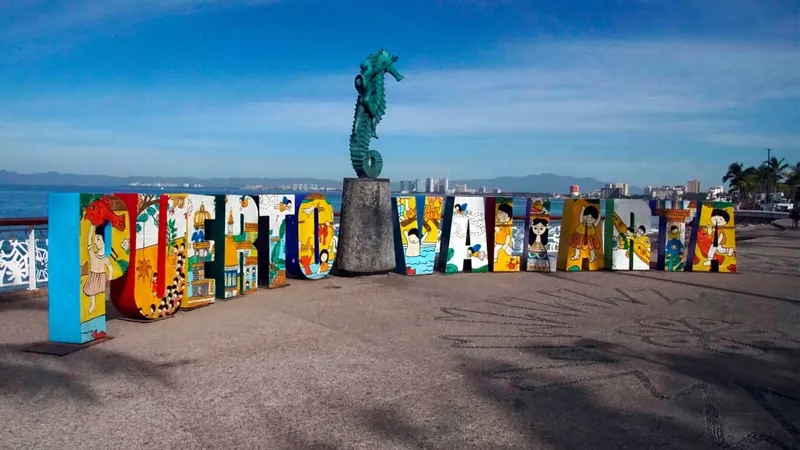
Puerto Vallarta is a real town with a resort attached, not a resort pretending to be a town. That distinction matters enormously.
The Romantic Zone (Zona Romantica) is a genuinely walkable old neighborhood south of the Cuale River. Cobblestone streets, independent restaurants, local bakeries, corner stores, art galleries — people live here. You will see families walking to school in the morning and abuelitas buying fruit from street vendors. It is not a curated tourist experience. It is a Mexican neighborhood that happens to welcome visitors with open arms.
The Malecon is PV’s oceanfront boardwalk — over a mile of sculptures, restaurants, street performers, and sunset views. The sculptures alone are worth an hour of walking. At night the Malecon comes alive with local food vendors, live music, and a genuine mix of tourists and locals.
Our Lady of Guadalupe church with its distinctive crown-topped tower is the iconic PV landmark, visible from almost everywhere in the old town. The surrounding streets are packed with things to do in Puerto Vallarta — from taco stands to mezcal bars to traditional markets.
PV connects culturally to Guadalajara, the capital of Jalisco state, which is just 4-5 hours by road via the scenic mountain highway. You can even do the Guadalajara to Puerto Vallarta route as part of a larger Jalisco trip.
Los Cabos: Resort Corridor with a Side of Culture
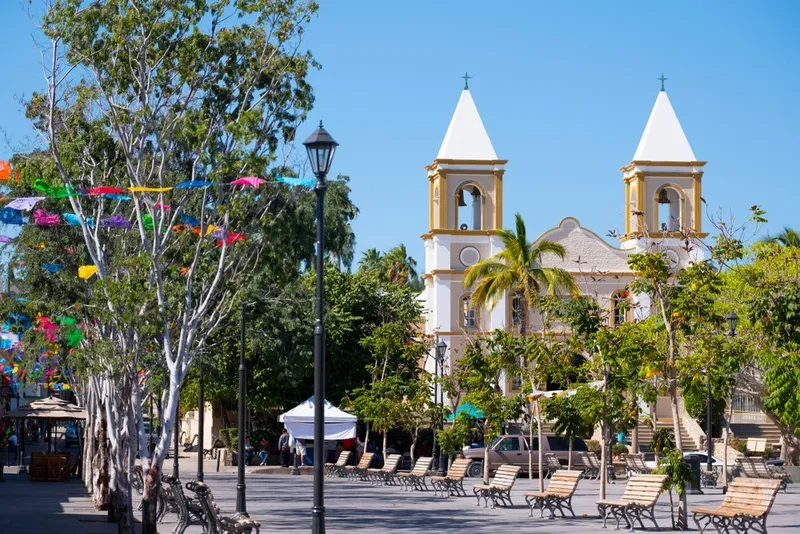
Los Cabos is really two towns connected by a 30-km resort corridor.
Cabo San Lucas is the party side — the marina, Mango Deck, Squid Roe, shopping plazas. It is fun, energetic, and unapologetically touristy. But authentic Mexican culture is hard to find here. The town exists primarily to service the resort industry.
San Jose del Cabo is the quieter, more cultured half. It has a genuine colonial center, a lovely main plaza, and the Thursday Art Walk (November through June) where galleries open their doors and streets fill with art, music, and food. San Jose has real charm — more so than most visitors realize, since many never leave Cabo San Lucas.
But even San Jose does not match Puerto Vallarta’s depth. PV has entire neighborhoods of authentic life. San Jose has a few pleasant blocks. The resort corridor between the two towns is exactly what it sounds like — hotels, golf courses, and gated developments.
Most Los Cabos visitors never leave the resort corridor. That is fine if you are there for the beach, the fishing, and the luxury. But if you want to feel Mexico, PV delivers that in a way Cabo cannot.
Whale Watching: Both Excellent
Both destinations offer outstanding whale watching, and this is one area where you genuinely cannot go wrong with either choice.
Puerto Vallarta hosts over 600 humpback whales in Banderas Bay from December through March. The bay acts as a natural calving ground — mothers bring their newborns into the protected waters. Watching a 40-ton humpback breach 100 meters from your boat in Banderas Bay is one of the great wildlife experiences in Mexico.
PV bonus: whale sharks gather near La Cruz de Huanacaxtle (just north of PV) from October through May. Swimming alongside a 30-foot whale shark is something you will never forget.
Los Cabos gets humpback whales from December through April, plus gray whales in the Baja lagoons further north (Magdalena Bay, about 3 hours from Cabo). The gray whale experience is extraordinary — they actively approach boats — but requires a full-day excursion.
Both are excellent. PV edges slightly ahead for convenience — the whales are right in the bay, minutes from shore. In Cabo, you will travel further from shore for similar encounters.
Water Activities
Puerto Vallarta
- Los Arcos marine park — snorkeling among dramatic rock formations with tropical fish, sea turtles, and rays. Boat ride from Mismaloya or the marina, 15-20 minutes.
- Marietas Islands — home to the famous Hidden Beach (Playa del Amor). Access is limited by daily permits, and you need to book ahead during peak season. The snorkeling around the islands is excellent even without entering the hidden beach.
- Whale sharks at La Cruz — October through May, swim alongside the largest fish in the ocean.
- Scuba diving — Los Arcos, El Morro, Las Caletas. Visibility averages 10-20 meters depending on season. Not Cozumel-level clarity, but solid Pacific diving.
- Surfing at Sayulita and Punta Mita — Sayulita has beginner-friendly breaks, Punta Mita has more advanced options.
Los Cabos
- Sportfishing — this is what puts Cabo on the map. Striped marlin, blue marlin, dorado (mahi-mahi), yellowfin tuna, wahoo — year-round fishing that ranks among the best on the planet. The annual Bisbee’s Black and Blue tournament offers million-dollar purses. If deep-sea fishing is your thing, Cabo is the answer. Period.
- Cabo Pulmo National Marine Park — a UNESCO-listed reef about 45 minutes east of San Jose del Cabo. Jacques Cousteau called the Sea of Cortez “the world’s aquarium,” and Cabo Pulmo is the proof. The reef recovered dramatically after fishing was banned in 1995, and today it is one of the healthiest reef systems in North America.
- Santa Maria and Chileno — decent snorkeling right on the corridor, accessible without a boat.
- Sea of Cortez — the calmer east side of the peninsula offers better visibility and warmer water for snorkeling and diving.
- Kayaking to El Arco — paddle past sea lions and pelicans to the iconic arch. Best done early morning before the tour boats crowd in.
Sportfishing: Cabo wins decisively. It is not even a contest.
Snorkeling variety: PV edges ahead with Los Arcos, Marietas, and whale sharks.
Whale watching: Both excellent, slight PV edge for convenience in Banderas Bay.
LGBTQ+ Travel
This one is not close.
Puerto Vallarta is Mexico’s undisputed LGBTQ+ capital. The Romantic Zone has a dedicated, thriving LGBTQ+ scene — bars (La Noche, CC Slaughters, Mr. Flamingo), clubs (Anthropology), hotels, restaurants, and events that have been part of the neighborhood for decades.
Vallarta Pride in May is Mexico’s largest Pride celebration, drawing visitors from across Latin America and the world. Same-sex marriage has been legal in Jalisco since 2016. The welcome is not performative — it is structural and genuine.
PV consistently ranks as one of the most LGBTQ+-friendly destinations in all of Latin America. For solo travelers in the LGBTQ+ community, PV offers a level of comfort and community that few Mexican destinations can match.
Los Cabos is welcoming and professional — no issues at resorts or restaurants — but it does not have a dedicated LGBTQ+ scene, neighborhood, or annual events on PV’s level. If LGBTQ+ community and nightlife are important to your trip, Puerto Vallarta is the only choice.
Prices and Budget Comparison
This is where PV pulls ahead for value-conscious travelers. Los Cabos is Mexico’s most expensive major resort destination.
Accommodation
| Type | Puerto Vallarta | Los Cabos |
|---|---|---|
| Budget hotel/hostel | 600-800 MXN/night | 1,200-2,000 MXN/night |
| Mid-range hotel | 1,200-2,500 MXN/night | 2,500-5,000 MXN/night |
| Luxury resort | 3,000-6,000 MXN/night | 5,000-15,000+ MXN/night |
| All-inclusive | 150-300 USD/night | 250-500+ USD/night |
The best all-inclusive resorts in Mexico include options in both destinations, but PV delivers significantly more value per dollar spent.
Food and Drink
In PV, street tacos run 50-80 MXN, a solid restaurant meal with drinks costs 200-400 MXN, and you can eat very well for 500 MXN per day. The Romantic Zone is packed with affordable restaurants where locals eat alongside tourists.
In Cabo, those same meals run 30-40% higher. Street food options are more limited (Cabo’s layout is not as walkable), and most restaurant dining in the tourist areas starts at 300-600 MXN per person. The resort corridor pricing is firmly in the luxury bracket.
Overall Budget
- Puerto Vallarta: A comfortable daily budget starts at 40-50 USD for backpackers, 100-150 USD for mid-range travelers, and 200-300+ USD for luxury seekers.
- Los Cabos: Expect 80-100 USD minimum even on a tight budget, 150-250 USD for mid-range, and 300-500+ USD for luxury.
Budget travel IS possible in Puerto Vallarta. You can sleep in a hostel, eat street tacos, walk everywhere, and have an incredible trip on 50 USD a day. Budget travel is HARD in Los Cabos. The town is not built for it — distances require cars, cheap food options are limited, and accommodation starts higher.
By Traveler Type
| Traveler Type | Better Choice | Why |
|---|---|---|
| Honeymooner | Both work | PV for romantic culture; Cabo for luxury seclusion |
| Family | Puerto Vallarta | Calmer swimming, lower prices, more kid activities |
| LGBTQ+ | Puerto Vallarta | Mexico’s LGBTQ+ capital, no contest |
| Angler | Los Cabos | World-class sportfishing capital |
| Diver/Snorkeler | Both | PV has Los Arcos; Cabo has Cabo Pulmo |
| Spring breaker | Los Cabos | Mango Deck, Squid Roe, party scene |
| Culture seeker | Puerto Vallarta | Real Old Town, Malecon, local neighborhoods |
| Budget traveler | Puerto Vallarta | 30-40% cheaper overall |
| Luxury seeker | Los Cabos | Premium resorts, exclusive feel |
| Photographer | Los Cabos | El Arco, desert-ocean landscapes |
Best Time to Visit: Head to Head
November through April is peak season for both destinations. Dry weather, comfortable temperatures (24-30 C), whale watching, and the best overall conditions. This is when both destinations shine.
For specific timing details, see the dedicated guides: best time to visit Puerto Vallarta and best time to visit Los Cabos.
PV Advantage: Green Season (May-October)
PV handles the off-season better. Yes, it is warmer and more humid. Yes, afternoon rain showers are common. But the bay is still swimmable, hotel prices drop 30-50%, and the Sierra Madre turns explosively green. Many repeat visitors prefer PV in the green season.
Cabo in summer gets genuinely hot — 35-40 C with high humidity. The desert landscape does not soften like PV’s jungle does. It is less comfortable overall.
Hurricane Season
Both are on the Pacific coast, so both face hurricane risk from June through November. But direct hits are rare at both destinations. PV had Hurricane Lidia in 2023, Cabo had Hurricane Odile in 2014. These are uncommon events, and both cities rebuilt quickly.
The Sargassum Advantage
Neither Puerto Vallarta nor Los Cabos gets sargassum. Ever. This is a massive advantage over Cancun, Playa del Carmen, and Tulum, where brown seaweed can pile up April through October. If sargassum anxiety is driving your destination choice, either Pacific coast option eliminates that worry entirely.
Can You Do Both?
Yes, and it is easier than you might think.
Direct flights between PVR and SJD are available on Volaris and VivaAerobus, taking about 2 hours. Prices run 800-2,500 MXN one way depending on timing.
A week at each is the comfortable pace. Five days minimum at either destination to see the highlights without rushing.
The Guadalajara connection: You can drive from PV to Guadalajara in 4-5 hours through the stunning Sierra Madre highway, spend a couple of days exploring Guadalajara, then fly from GDL to SJD. This gives you three destinations in one trip and the mountain drive alone is worth it.
Pair PV with: Sayulita (45 min), Punta Mita (1 hr), San Pancho (1 hr), Yelapa (boat only).
Pair Cabo with: Todos Santos (1 hr), La Paz (2.5 hrs), Cabo Pulmo (1 hr).
Safety at Both Destinations
Both Puerto Vallarta and Los Cabos carry a Level 2 U.S. State Department advisory (“Exercise Increased Caution”), which is the same level as most major Mexican tourist destinations.
Both are well-patrolled tourist zones with strong police presence. Violent crime against tourists is rare at both. The main risks are the same as any resort destination — petty theft, taxi scams, and timeshare pressure (which is more aggressive in Cabo).
For detailed breakdowns, read Is Puerto Vallarta Safe? and Is Los Cabos Safe?. Both rank among the safest cities in Mexico for tourists.
Common-sense rules apply at both: do not flash valuables, use hotel safes, stick to well-lit areas at night, and be firm with timeshare salespeople (a simple “no, gracias” works).
Travel Insurance
For either destination, carry travel insurance that covers water activities. Snorkeling injuries, fishing accidents, and watercraft incidents happen at both — and Mexican hospital costs, while cheaper than the US, add up fast.
I recommend travel insurance for flexible coverage. It should include emergency medical treatment including water sport injuries, medical evacuation, and trip interruption. Monthly plans work well if you are combining both destinations or doing a longer Mexico trip.
Book Tours
Booking tours through a reputable platform gives you cancellation protection and verified reviews, which matters more than you think when you are comparing whale watching operators or snorkeling outfitters at a distance.
Book Puerto Vallarta tours on Viator — whale watching, Los Arcos snorkeling, Marietas Islands, Sayulita day trips, Malecon food tours.
Book Los Cabos tours on Viator — sportfishing charters, El Arco boat tours, Cabo Pulmo snorkeling, whale watching, desert ATV adventures.
Frequently Asked Questions
Is Puerto Vallarta or Los Cabos better for a vacation?
It depends entirely on what you want. Puerto Vallarta has a real colonial Old Town (the Romantic Zone), better LGBTQ+ friendliness, calmer Banderas Bay beaches, whale watching from December to March, and more authentic Mexican culture at significantly lower prices. Los Cabos has dramatic desert-meets-ocean scenery, world-class sportfishing, luxury all-inclusive resorts, and El Arco. Choose PV for culture and value. Choose Cabo for luxury and fishing.
Which is cheaper, Puerto Vallarta or Los Cabos?
Puerto Vallarta is significantly cheaper across every category. Budget accommodation starts around 600-800 MXN per night versus 1,200-2,000 MXN in Los Cabos. Restaurant meals average 30-40% less in PV, and all-inclusive packages are more affordable. Los Cabos is Mexico’s most expensive major resort destination. Overall, expect to spend 20-30% more in Cabo compared to Puerto Vallarta — and at the luxury level, the gap widens further.
Which has better beaches, Puerto Vallarta or Los Cabos?
For swimming, Puerto Vallarta wins. Banderas Bay provides calmer water at beaches like Playa de los Muertos, Conchas Chinas, and Las Gemelas. Most Los Cabos beaches are NOT safe for swimming due to strong Pacific currents and rip tides — Medano Beach is the main swimmable exception.
For dramatic scenery, Los Cabos wins with El Arco, Land’s End, and the desert-ocean landscape.
Neither destination gets sargassum seaweed, which is a major Pacific coast advantage over Caribbean destinations.
Is Puerto Vallarta or Los Cabos better for families?
Puerto Vallarta is generally better for families. The calmer Banderas Bay water is safer for kids, prices are more family-budget friendly, the Malecon is a great walkable evening activity, and there are more cultural activities beyond the resort. Los Cabos works for families with older kids interested in sportfishing, whale watching, or snorkeling at Cabo Pulmo. But the dangerous beach currents at most Cabo beaches are a genuine concern for families with young children.
Can you visit both Puerto Vallarta and Los Cabos on one trip?
Yes. Direct flights between PVR and SJD are available through Volaris and VivaAerobus, taking about 2 hours. A week at each gives you a comfortable pace. You can also connect through Guadalajara, which is 4-5 hours from PV by road and has frequent Cabo flights — giving you three destinations in one trip.
Does sargassum affect Puerto Vallarta or Los Cabos?
No. Neither Puerto Vallarta nor Los Cabos gets sargassum seaweed. Sargassum is a Caribbean and Gulf of Mexico issue that primarily affects Cancun, the Riviera Maya, and Tulum from April through October. Both PV and Cabo are on the Pacific coast, which is completely sargassum-free year-round. This is a major advantage if you are choosing between Pacific and Caribbean Mexico.
Plan Your Trip
For Puerto Vallarta:
- Puerto Vallarta Travel Guide
- Things to Do in Puerto Vallarta
- Is Puerto Vallarta Safe?
- Best Time to Visit Puerto Vallarta
- Sayulita Travel Guide
- Guadalajara to Puerto Vallarta
For Los Cabos:
- Los Cabos Travel Guide
- Things to Do in Los Cabos
- Is Los Cabos Safe?
- Best Time to Visit Los Cabos
- La Paz Travel Guide
Compare more:
Ricardo Sanchez is a Mexico-born travel writer who has lived in Guadalajara, Mexico City, and the Pacific coast for over 15 years. He splits his time between Puerto Vallarta and Los Cabos several months each year, speaks fluent Spanish and English, and believes the best travel advice comes from people who actually live in the places they write about.