What to Eat in Veracruz: Famous Dishes, Best Restaurants, and Where to Eat First
What to eat in Veracruz gets much easier once you stop treating the city like one giant seafood strip. As of June 2026, the fastest first-timer answer is this: La Parroquia or Mercado Hidalgo for breakfast, the Malecón for your first classic seafood lunch, and Boca del Río for your strongest dinner. If you only have one day, order picadas or a café lechero in the morning, huachinango a la veracruzana for lunch, and chilpachole or grilled fish at night.
If your real question is what food Veracruz is known for, start with huachinango a la veracruzana, chilpachole de jaiba, vuelve a la vida, arroz a la tumbada, picadas, and the lechero coffee ritual at La Parroquia. Those are the dishes and experiences that show why Veracruz feels more Caribbean and port-driven than Mexico City, Oaxaca, or the Yucatán.
If you are also searching for the best restaurants in Veracruz, the clearer answer is usually by neighborhood, not by one single must-book dining room: La Parroquia for the classic coffee ritual, Mercado Hidalgo for breakfast and snacks, the Malecón for your signature-dish lunch, and Boca del Río for the best-value seafood dinner. The smarter first decision in Veracruz is usually which area fits the meal, then which dish to order there.
Best Food in Veracruz in 30 Seconds
| If you want… | Order this first | Start here |
|---|---|---|
| The dish Veracruz is most famous for | Huachinango a la veracruzana | Malecón lunch |
| The breakfast locals actually eat | Picadas | Mercado Hidalgo |
| The most distinctive Veracruz soup | Chilpachole de jaiba | Boca del Río dinner |
| The classic seafood market order | Vuelve a la vida | Mercado snack stop |
| The one drink ritual every first-timer should do | Café lechero at La Parroquia | Centro breakfast |
| The local sweet alcohol to try once | Torito | Cantinas near the Zócalo |
This guide covers the best food in Veracruz, what to order if you only have one day, where locals eat versus tourist-facing spots, realistic prices, and which dishes are actually worth prioritizing.
Pair it with our Veracruz city travel guide, things to do in Veracruz, day trips from Veracruz, and the deeper guide to chilpachole if you want the city’s signature crab soup explained on its own.
Best Area to Eat in Veracruz by Meal
| If you need… | Best area first | Order this | Why this area wins |
|---|---|---|---|
| Breakfast | Centro / La Parroquia | Café lechero and pan dulce | Easiest first-timer start and the city’s signature coffee ritual |
| Local breakfast | Mercado Hidalgo | Picadas or tamales | Better everyday Veracruz feel than a hotel breakfast |
| First lunch | Malecón | Huachinango a la veracruzana | Simplest waterfront stop for the city’s signature dish |
| Best dinner | Boca del Río | Chilpachole or grilled fish | Better seafood value and stronger local repeat traffic |
| Fast seafood snack | Mercado Hidalgo or Mercado de Mariscos | Vuelve a la vida or ceviche tostadas | Best move if you want a quick market stop instead of a full meal |
Best Veracruz Restaurant or Area by Craving
| If you want… | Go here first | Order this | Why it works |
|---|---|---|---|
| The classic Veracruz breakfast ritual | Gran Café de la Parroquia | Lechero and pan dulce | Fastest way to do the coffee ritual every first-timer remembers |
| The most local breakfast | Mercado Hidalgo | Picadas | Better everyday-Veracruz feel than a hotel breakfast |
| The one famous dish every first-timer should try | A Malecón seafood restaurant | Huachinango a la veracruzana | Waterfront setting plus the city’s signature dish in one move |
| The best seafood dinner | A Boca del Río marisquería like El Corcholata or El Naufragio | Chilpachole or pescado a la plancha | Better value and stronger local repeat traffic than the tourist strip |
| The best quick seafood snack between sights | Mercado Hidalgo or Mercado de Mariscos | Vuelve a la vida or ceviche tostadas | Best stop when you want something faster than a sit-down meal |
| The best late local drink | Cantinas near the Zócalo | Torito | Easy add-on after dinner without forcing a beach-bar detour |
If your search is really for best places to eat in Veracruz, Mexico, this is the fast shortlist. Pair those meals with our best hotels in Veracruz, Veracruz city travel guide, and Veracruz beaches guide so the food plan fits the rest of your day.
What Food Is Veracruz Known For in 30 Seconds
| Dish | Why it matters | Best first area |
|---|---|---|
| Huachinango a la veracruzana | The signature fish dish that defines Veracruz cuisine nationally | Malecón |
| Chilpachole de jaiba | The richest, most distinctive crab soup in the city | Boca del Río |
| Vuelve a la vida | The cold seafood cocktail every market and hangover conversation circles back to | Mercado Hidalgo / Mercado de Mariscos |
| Arroz a la tumbada | The port city’s paella-like Gulf seafood rice dish | Boca del Río or the Malecón |
| Picadas | The breakfast local breakfast move most visitors miss | Mercado Hidalgo |
| Café lechero | The ritual drink every first-timer should do once | La Parroquia |
This is the real short answer to what food is Veracruz known for. If you only order three things, make them huachinango a la veracruzana, chilpachole, and a lechero breakfast or market picadas.
Where to Eat Lunch in Veracruz
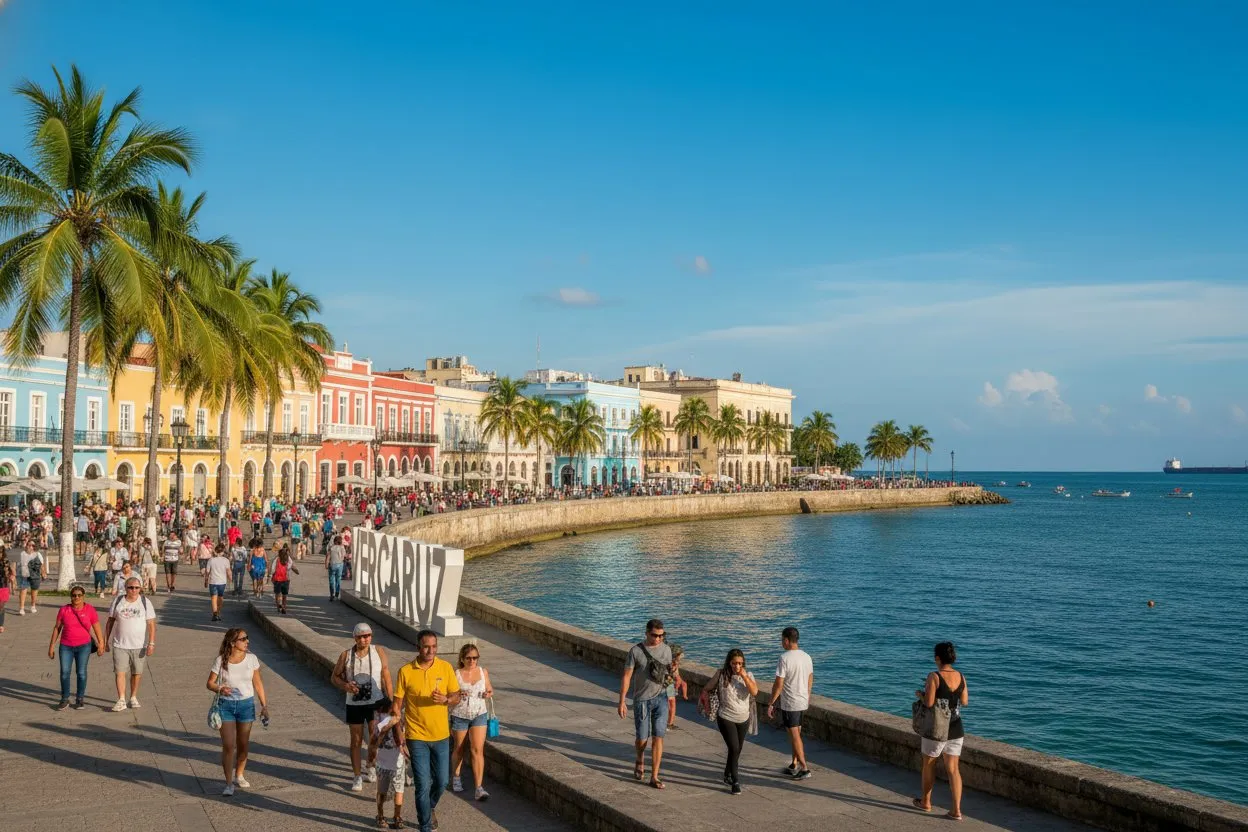
For a first lunch in Veracruz, the easiest answer is still the Malecón. It is the cleanest first-timer move if you want huachinango a la veracruzana, sea views, and a simple waterfront strip where you can sit down without overthinking it. If you care more about getting the city’s signature dish in the most obvious setting than about finding the cheapest table, start here.
If you already know you want a more local seafood lunch, go straight to Boca del Río instead. It is usually the better answer for travelers who care more about repeat-local seafood value than about eating beside the waterfront promenade.
Where to Eat Dinner in Veracruz
For dinner, Boca del Río is usually the better move. This is where you should order chilpachole, arroz a la tumbada, or simple grilled fish, especially if you want a meal that feels more local and less like a first-timer waterfront stop. If you only have one sit-down dinner in Veracruz, this is the area that gives you the clearest win.
Stay on the Malecón at night only if convenience matters more than food quality or pricing. It is fine for a first afternoon seafood plate, but the city’s stronger dinner logic still leans south toward Boca del Río.
Best Place to Try Each Veracruz Dish First
| Dish | Best first stop | Why this is the right move |
|---|---|---|
| Picadas | Mercado Hidalgo | Best breakfast call if you want the everyday local start, not a hotel buffet |
| Café lechero | Gran Café de la Parroquia | The classic spoon-tap ritual still matters more than trying to optimize the coffee list |
| Huachinango a la veracruzana | Malecón seafood restaurants | Easiest first-timer lunch if you want the signature dish plus waterfront atmosphere |
| Vuelve a la vida | Mercado Hidalgo or Mercado de Mariscos stalls | Best move for the most classic market seafood stop and the best value |
| Chilpachole de jaiba | Boca del Río marisquerías | Better dinner fit than the waterfront tourist strip, with stronger local pricing |
| Pescado a la plancha | Boca del Río | Cleaner, simpler, and usually better value than ordering another big seafood platter on the Malecón |
| Torito | Cantinas near Centro | Best place to try the local drink after dinner without turning it into a beach-bar detour |
If your search is really best places to eat in Veracruz, use the table above as the fast answer. The big win in this city is not choosing one famous restaurant, it is matching the right dish to the right part of Veracruz.
Where to Eat Breakfast, Lunch, and Dinner in Veracruz
| If you want… | Go here first | Order this |
|---|---|---|
| Breakfast with locals | Mercado Hidalgo | Picadas or tamales veracruzanos |
| The classic Veracruz lunch | Malecón seafood restaurants | Huachinango a la veracruzana |
| A market-style seafood snack | Mercado de Mariscos or Mercado Hidalgo stalls | Vuelve a la vida or ceviche tostadas |
| The best-value seafood dinner | Boca del Río marisquerías | Grilled fish or chilpachole |
| The drink ritual every first-timer should do | La Parroquia | Café lechero |
| A sweet late drink | Cantinas or carts near the Zócalo | Torito |
If you are searching more broadly for where to eat lunch in Veracruz, default to the Malecón for your first seafood meal. If you care more about local value than waterfront views, go south to Boca del Río for dinner instead. If you land early and want the most local breakfast, start at Mercado Hidalgo before the city heats up.
Malecón vs Boca del Río vs Centro for Meals
| Area | Best for | Order first | Why it wins |
|---|---|---|---|
| Mercado Hidalgo / market zone | Breakfast or a fast seafood snack | Picadas, tamales, vuelve a la vida | Cheapest and most local first stop |
| Centro / La Parroquia | Coffee and a classic Veracruz morning ritual | Lechero and pan dulce | Easiest first-timer breakfast ritual |
| Malecón | Your first lunch in Veracruz | Huachinango a la veracruzana | Best fit if you want views plus the signature dish |
| Boca del Río | Dinner | Chilpachole, grilled fish, arroz a la tumbada | Better-value seafood and more local repeat traffic |
This is the main split the current top restaurant-list competitors keep surfacing too: La Parroquia or Centro for coffee, the Malecón for a classic first lunch, and Boca del Río for the stronger seafood dinner. If you are staying near the waterfront, pair that plan with our best hotels in Veracruz and Veracruz city travel guide so the meal plan fits the rest of your day.
Best Veracruz Meal Plan by Area and Budget
| If you care most about… | Go here first | Order this | Why this is the right move |
|---|---|---|---|
| The cheapest local breakfast | Mercado Hidalgo | Picadas or tamales | Fast, local, and much cheaper than sit-down cafés |
| The iconic first-timer coffee stop | Gran Café de la Parroquia | Lechero | The classic Veracruz ritual competitors keep highlighting for a reason |
| The easiest first lunch with views | Malecón seafood restaurants | Huachinango a la veracruzana | Best fit if you want waterfront atmosphere and the signature dish in one meal |
| The best-value seafood dinner | Boca del Río | Pescado a la plancha or chilpachole | Better local pricing and stronger repeat-value seafood than the Malecón |
| The fastest seafood snack between sights | Mercado stalls | Vuelve a la vida or ceviche tostadas | Best move when you want a market stop instead of a full sit-down meal |
If you’re deciding where to stay around those meals, pair this guide with our best hotels in Veracruz, Veracruz city travel guide, and Veracruz beaches guide so your food stops line up with the rest of your itinerary.
What Food Is Veracruz Known For?
Veracruz is best known for huachinango a la veracruzana, a red snapper dish cooked in a tomato sauce with olives, capers, herbs, and pickled chiles. But that single plate only tells part of the story. The city’s real food identity is built around Gulf seafood, blue crab, market breakfasts, coffee culture, and Caribbean-leaning flavors that feel noticeably different from Mexico City, Oaxaca, or the Yucatán.
If you only have one day in the city, eat in this order:
- Breakfast: picadas or tamales, then a lechero at La Parroquia
- Late morning snack: vuelve a la vida or ceviche at the market
- Lunch: huachinango a la veracruzana or arroz a la tumbada
- Afternoon: torito or coffee on the Malecón
- Dinner: grilled fish or chilpachole in Boca del Río
Pair this guide with our Veracruz city travel guide, things to do in Veracruz, day trips from Veracruz, chilpachole, and coatzacoalcos-veracruz if you’re building a broader Gulf Coast food itinerary.
Best Places to Eat in Veracruz if You Only Have One Day
If your time is short, do not try to sample everything. Use this simple meal plan instead:
- Breakfast: Mercado Hidalgo for picadas or La Parroquia for a lechero
- Lunch: the Malecón for huachinango a la veracruzana
- Midday snack: the market for vuelve a la vida or a ceviche tostada
- Dinner: Boca del Río for chilpachole or grilled fish
- Late drink: a torito near the Zócalo if you still have energy
If you have a second day, add arroz a la tumbada, tacos de cangrejo, and a slower seafood lunch in Boca del Río.
Veracruz Food at a Glance
| Dish | Type | Where | Price (MXN) |
|---|---|---|---|
| Huachinango a la veracruzana | Lunch/dinner | Malecón restaurants, Boca del Río | 220-380 |
| Vuelve a la vida | Breakfast/cocktail | Mercado, Malecón carts | 80-300 |
| Chilpachole de jaiba | Lunch soup | Marisquerías, market stalls | 120-220 |
| Tacos de cangrejo | Street food | Near Mercado Hidalgo | 30-60 each |
| Arroz a la tumbada | Rice dish | Port restaurants | 150-280 |
| Caldo de mariscos | Lunch/dinner | Any marisquería | 120-200 |
| Empanadas veracruzanas | Breakfast/snack | Street stalls, market | 20-45 each |
| Tostadas de ceviche | Snack | Mercado de Mariscos | 40-80 each |
| Picadas | Breakfast | Mercado Hidalgo | 20-35 each |
| Torito | Drink | Cantinas, La Parroquia area | 60-120 |
| Lechero café | Coffee ritual | La Parroquia | 35-60 |
| Pescado a la plancha | Lunch | Boca del Río seafood strip | 160-280 |
| Enchiladas veracruzanas | Lunch | Traditional restaurants | 120-180 |
| Tamales veracruzanos | Breakfast | Market stalls | 30-50 each |
| Mole de olla | Sunday lunch | Traditional restaurants | 130-200 |
1. Huachinango a la Veracruzana — The Signature Dish
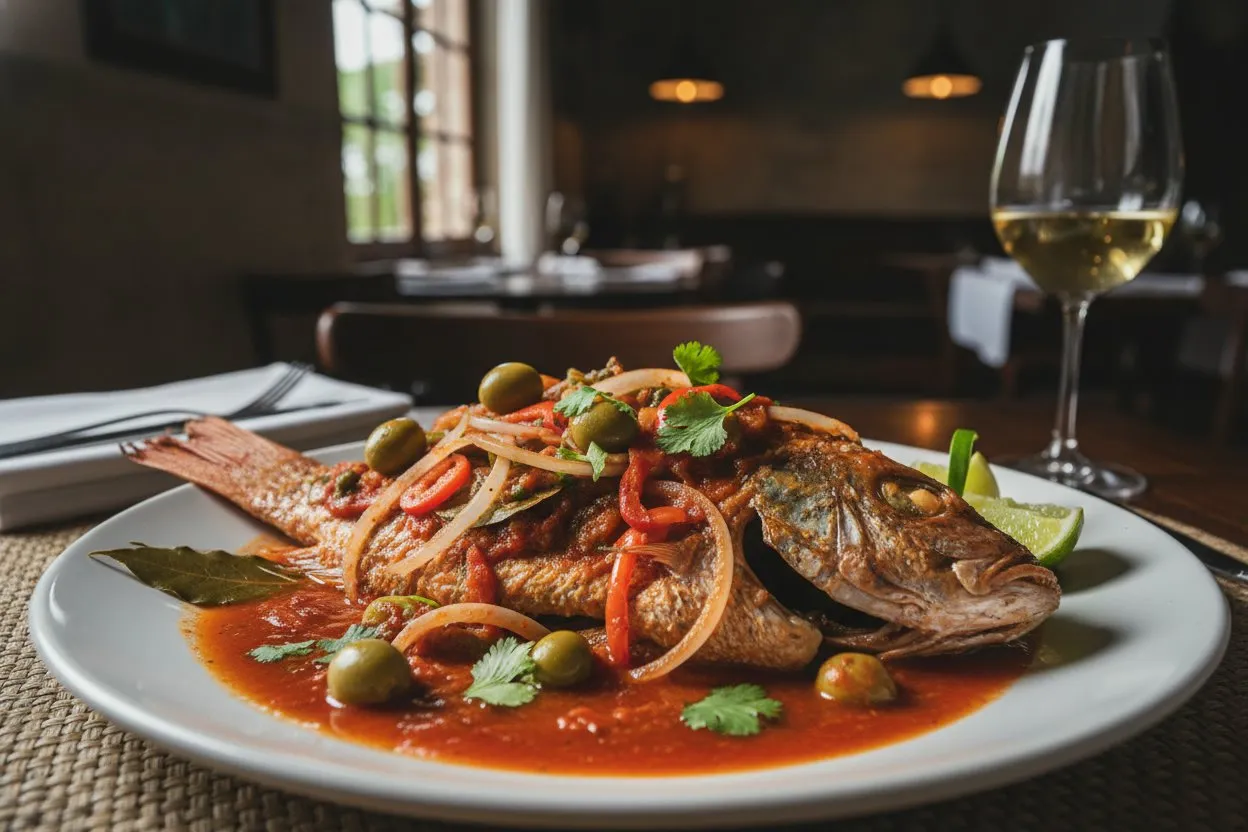
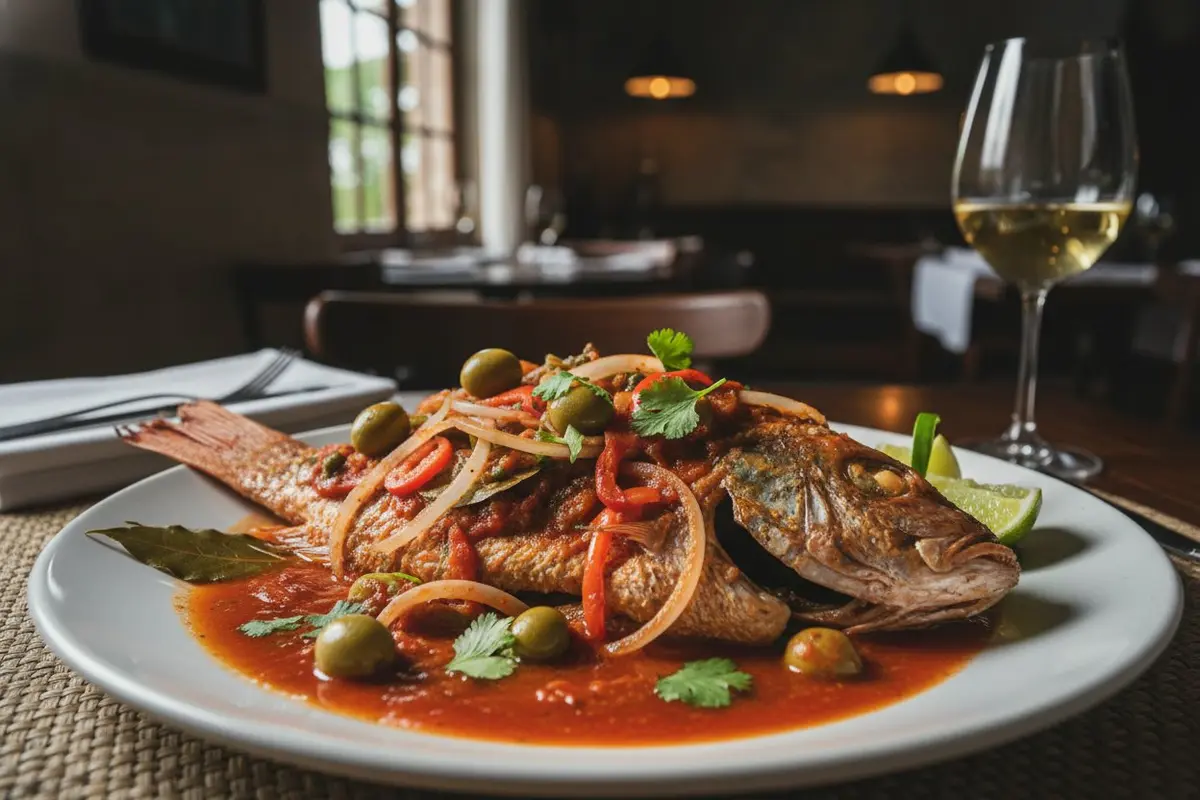
Huachinango — red snapper — braised in salsa veracruzana is the dish that defines the port city to the rest of Mexico. The sauce combines tomatoes, white wine or dry sherry, green olives, capers, pickled jalapeños (chiles en escabeche), bay leaves, and herbs. It is simultaneously New World (tomato, chile) and Old World (olives, capers, wine) — the exact culinary fusion that Veracruz’s history as Spain’s entry port created.
The fish is typically whole — head, tail, and all — scored with cuts that let the sauce penetrate the flesh. Cooking time: 25-35 minutes at medium heat. The end result is flaky, savory, slightly briny from the olives, and mildly acidic from the tomatoes. It bears almost no resemblance to how the rest of Mexico cooks fish.
Where to order it: Restaurant La Parroquia (Malecón, not the café but the adjacent restaurant), any of the seafood houses along the Malecón, or the marisquería strip in Boca del Río (10km south, 30% cheaper). Price: 220-380 MXN for a full portion.
2. Vuelve a la Vida — The Hangover Cocktail
Return to life is the right name. This is a cold mixed seafood cocktail — not a cocktail with alcohol, but a cocktail in the Mexican sense, like cóctel de camarón — overloaded with oysters, shrimp, octopus, crab, clams, and scallops, served in a wide glass with chilled tomato broth, lime juice, hot sauce, cilantro, onion, and occasionally avocado.
Port workers in Veracruz have been eating this for breakfast for generations. The logic: fresh protein, electrolytes, vitamin C from the lime, and the mental reset of eating something extraordinary at 7 AM. Street vendors push carts of it near the Mercado Hidalgo and along the Malecón before dawn. It is genuinely among the best things you can eat in Mexico.
Where to get it: Mercado Hidalgo market stalls (80-120 MXN), Malecón seafood carts, or any marisquería. The best value is at market level. Avoid anywhere that serves it from a refrigerated display that looks more than a day old.
3. Chilpachole de Jaiba — Crab Soup Like Nothing Else
Chilpachole de jaiba is a thick, dark crab soup made with whole blue crabs (jaibas), dried ancho and chipotle chiles, tomato, epazote, garlic, and masa to body the broth. It is nothing like a delicate European bisque or a clear seafood consommé — it is deep, smoky, slightly spicy, and intensely flavored from the toasted chiles.
The jaiba (blue crab) comes straight from the Gulf of Mexico. Veracruz fishermen harvest them in the estuaries around the city, and they are typically cooked whole in the broth — you may receive a half crab that you need to pick through. Bring patience and appetite.
Veracruz takes chilpachole seriously as culinary heritage. It appears at family tables on Fridays during Lent, at Semana Santa seafood feasts, and at marisquerías year-round. Shrimp (camarón) and mixed seafood (mariscos) versions exist, but jaiba is the classic.
Where to order it: Any traditional marisquería, especially in the Mercado Hidalgo food stalls or Boca del Río. Price: 120-220 MXN.
4. The Lechero Ritual at La Parroquia
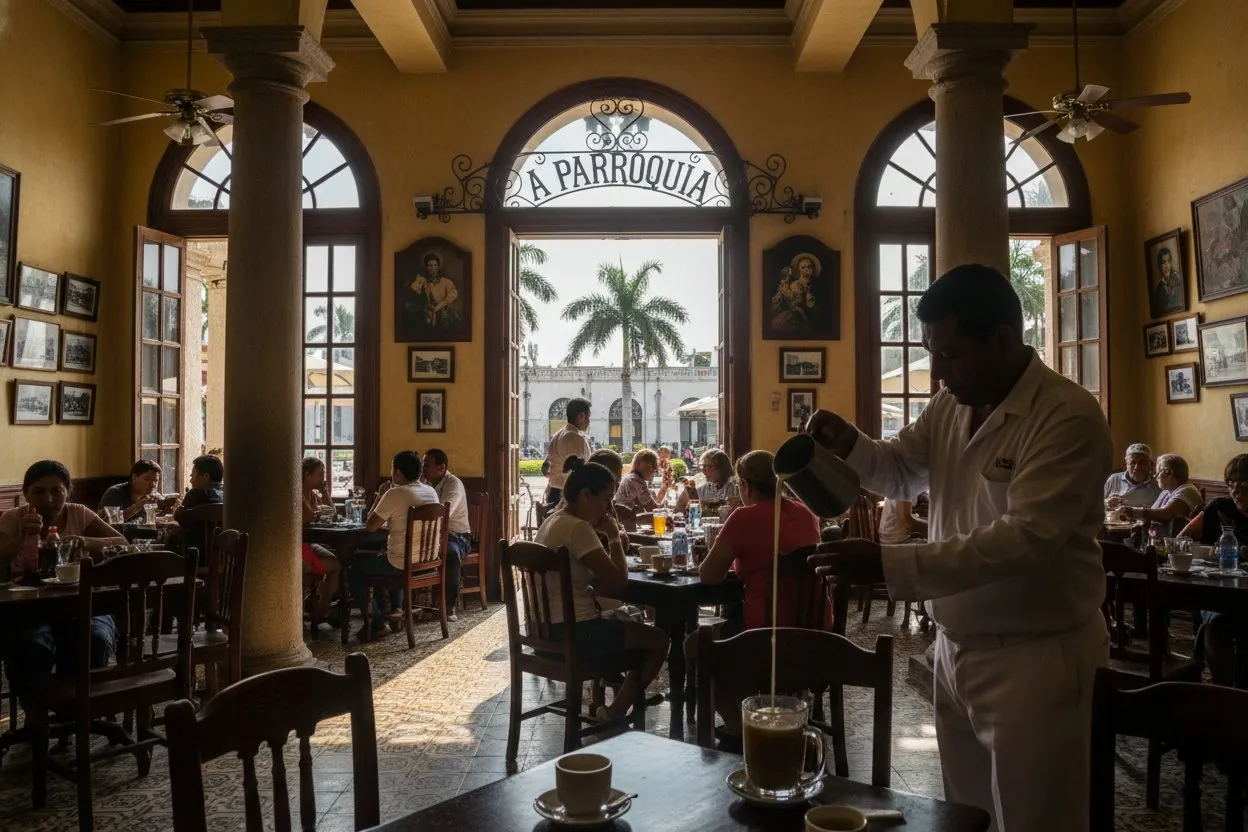
The lechero at Café La Parroquia is not just a coffee order — it is a ritual with a specific choreography. You sit down and receive a small glass of concentrated black espresso. You want milk? You tap your spoon against the glass. A waiter with a long-spouted metal jug of steamed milk streams it from 60 centimeters above the glass — theatrical, warm, and correct every time.
The coffee itself is grown in the Coatepec highlands 100km inland, where Veracruz state produces some of Mexico’s finest arabica. La Parroquia has been operating since 1808, though the current building dates to a later reconstruction. The Malecón location is the institution; it fills with port workers, politicians, families, and tourists from 7 AM.
Cost: Lechero 35-60 MXN. Order churros or pan dulce alongside. Non-negotiable if you are in Veracruz.
5. Arroz a la Tumbada — The Gulf Rice Dish
Arroz a la tumbada (literally ‘tumbled rice’) is Veracruz’s answer to paella — a loose, brothy rice dish cooked with seafood stock, tomatoes, garlic, epazote, and a rotating cast of Gulf seafood: shrimp, fish, crab, squid, octopus, and clams. Unlike paella, it is not dry — the rice stays soupy, nearly porridge-like, and is eaten with a spoon rather than a fork.
The name comes from the cooking technique: the seafood is added in stages and ‘tumbled’ into the rice as it cooks, allowing each ingredient to release its juices. The best versions are made with fresh Gulf stock, not powdered base. Price at a proper restaurant: 150-280 MXN.
6. Tacos de Cangrejo — Blue Crab Tacos
Veracruz blue crab (jaiba) shows up not only in chilpachole but in street tacos, tostadas, and quesadillas near the port market. Tacos de cangrejo are soft corn tortillas loaded with picked crab meat, lime, cilantro, salsa, and sometimes a smear of black beans. The crab is fresh from Gulf estuaries, and the flavor bears no resemblance to the canned crab of supermarket shelves.
Street stalls near the Mercado Hidalgo and the waterfront sell them at 30-60 MXN each. Two to three make a meal.
7. Empanadas Veracruzanas — Not What You Expect
Veracruz empanadas are fried masa dough half-moons — not pastry-dough like Spanish or Argentine empanadas. The dough is corn masa, sometimes mixed with plantain, and the fillings are seafood: crabmeat, fish, shrimp, or picadillo de camarón (spiced minced shrimp). They are made to order at street stalls and market counters, served hot with salsa verde or roja.
This is everyday breakfast and snack food, not restaurant fare. Look for stalls near the Zócalo, along the Malecón, and inside the Mercado Hidalgo.
8. Picadas — Veracruz Street Breakfast
Picadas are thick, oval corn masa discs with a pinched border, topped with salsa (roja or verde), crumbled fresh cheese, and sometimes shredded meat or beans. They are similar to sopes but specific to Veracruz — slightly thicker, less regularly shaped, and often fried directly on a griddle rather than par-baked.
The Mercado Hidalgo is the go-to place for picadas in the morning. Look for the women working the griddles from 6 AM. Three picadas cost 60-90 MXN — a complete breakfast.
9. Pescado a la Plancha — The Local Standard
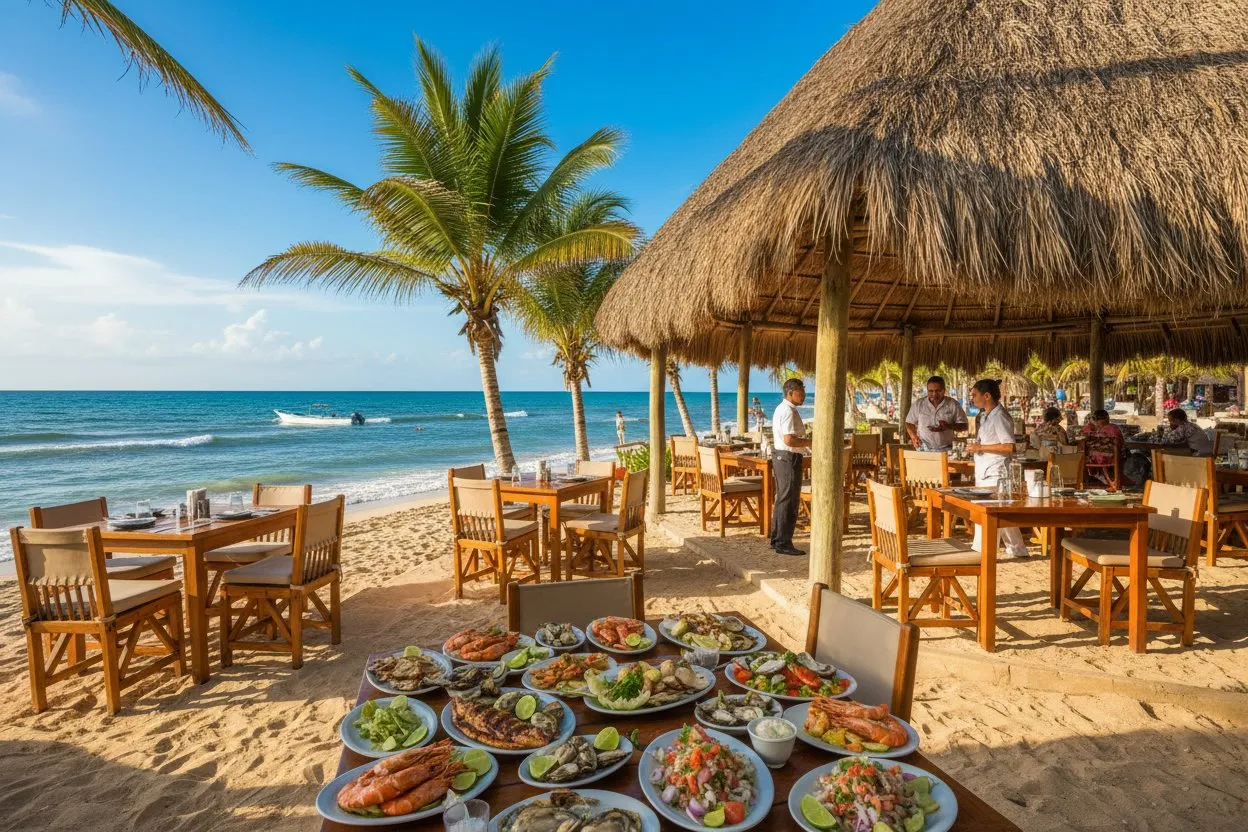
Simple grilled fish on a plancha (flat iron griddle) with lime, salt, and salsa is the most common fish preparation in Veracruz. The fish is whatever came in that morning — red snapper, mojarra, sea bass, grouper. Veracruz’s proximity to the Gulf means the fish is genuinely fresh, not frozen, and grilling over a clean fire lets the quality speak.
The best place for pescado a la plancha is Boca del Río, 10km south of Veracruz city center — a separate municipality that is essentially Veracruz’s seafood suburb. The calle marisquería strip is lined with open-air restaurants where locals eat. Prices are 30-40% lower than Malecón tourist restaurants. A whole grilled mojarra with rice and tortillas: 160-240 MXN.
10. Torito — The Sweet Local Spirit
Torito is a Veracruz specialty: a creamy, sweet liqueur made by blending sugarcane alcohol (aguardiente) with fresh tropical fruit, milk, and sugar. The most popular flavors are pineapple, mamey, peanut, strawberry, and tamarind. It looks like a milkshake and tastes like a dessert cocktail with a warm afterburn.
This is not a craft cocktail — it is old-school Veracruz street drinking culture. Served cold in small plastic cups or cantina glasses. Alcohol content varies by maker (usually 15-25%). Sold from carts near the Zócalo, at Carnival stalls, and in traditional cantinas. Price: 60-120 MXN per glass.
11. Tostadas de Ceviche — Market Standard
Ceviche in Veracruz uses the fresh Gulf catch — fish (usually mojarra or sierra), shrimp, or mixed mariscos — cured in lime juice with tomato, onion, cilantro, chile, and occasionally olives (the port influence). It is served cold on crisp tostadas.
The difference from Pacific coast ceviche: Veracruz versions tend to be less acidic (shorter lime-cure times), more tomato-forward, and often include capers or olives that reflect the city’s Mediterranean pantry. At the Mercado de Mariscos near the port: 40-80 MXN per tostada.
12. Tamales Veracruzanos — Banana Leaf Wrapped
Veracruz tamales use banana leaves instead of corn husks — a style shared with Oaxacan and Chiapan tamales. The masa is looser and moister than northern-style tamales, and the fillings lean toward Gulf seafood (shrimp, crab), chicken in mole, or the classic black bean and chile filling.
The banana leaf gives the tamale a subtle vegetal aroma that corn husk wrappers lack. Available at market stalls throughout the city from early morning. Price: 30-50 MXN each.
13. Enchiladas Veracruzanas
Veracruz enchiladas are distinct from the national template. The sauce is a tomato-based red chile sauce with a slightly sweet, mild profile — no deep mole complexity, no sharp tomatillo brightness. Common fillings: chicken, cheese, or crab (enchiladas de jaiba in fancier spots). Topped with crema, fresh cheese, and raw onion rings.
Found at traditional comida corrida restaurants at lunchtime. Price as part of a set menu (sopa + main + agua): 100-160 MXN.
14. Mole de Olla — Sunday Lunch
Mole de olla is not the complex mole negro of Oaxaca — it is a lighter, brothy beef and vegetable stew with whole dried chiles (ancho, mulato), Mexican squash, corn on the cob, chayote, and epazote. The word ‘mole’ here means ‘sauce’ (from Nahuatl mulli) rather than the toasted-nut paste version. It is humble, hearty Sunday family food.
Available at traditional restaurants that serve comida corrida on weekends. Price: 130-200 MXN for a full bowl.
15. Caldo de Mariscos — The Whole-Meal Soup
Caldo de mariscos is a clear, deeply flavored seafood broth with whole shrimp (shells on), crab, fish chunks, and Gulf shellfish. It is the most honest version of Veracruz seafood — clean broth, fresh catch, basic seasonings. Served with lime, salsa, and corn tortillas. It is simultaneously starter and main course.
Every marisquería serves it. At Boca del Río you get noticeably better quality for less money. Price: 120-200 MXN.
Best Veracruz Foods by Traveler Type
| If you want… | Order this first | Why it matters |
|---|---|---|
| The most famous Veracruz dish | Huachinango a la veracruzana | The clearest expression of the city’s tomato, olive, caper, and seafood identity |
| A local breakfast | Picadas | Cheap, filling, and more everyday-veracruzano than restaurant seafood platters |
| The most traditional seafood soup | Chilpachole de jaiba | Deep, smoky, and harder to find elsewhere in Mexico |
| The best hangover cure or market snack | Vuelve a la vida | Cold, briny, protein-heavy, and part of port culture |
| A classic Veracruz drink | Torito | Sweet sugarcane-based local drink most first-timers have never heard of |
| The food ritual everyone should do once | Café lechero at La Parroquia | Not just coffee, but one of the city’s defining daily traditions |
| The best-value lunch | Pescado a la plancha in Boca del Río | Fresh fish, simpler preparation, and usually better prices than the Malecón |
Foods Most Travelers Miss in Veracruz
Most visitors come in looking for one famous fish dish and miss the everyday foods locals actually repeat all week. If you want a more local Veracruz food experience, do not skip these:
- Picadas at breakfast, especially in and around Mercado Hidalgo
- Tacos or empanadas de jaiba, which show how important blue crab is to the city
- Toritos, the sweet sugarcane-based local drink many first-timers have never heard of
- Simple pescado a la plancha in Boca del Río, often better value than a tourist-zone seafood platter
- Coffee from Veracruz state, especially if you care about regional products like Coatepec beans and Papantla vanilla
These smaller dishes and rituals are what make eating in Veracruz feel different from eating in Cancún, Puerto Vallarta, or Mexico City.
Where to Eat in Veracruz
Best Value: Mercado Hidalgo & Boca del Río
The Mercado Hidalgo (Avenida Landero y Cos, near the Zócalo) is the go-to for morning eating: picadas, tamales, empanadas, and vuelve a la vida at market prices. Stalls serve from 6 AM until mid-afternoon.
Boca del Río — 10km south via Avenida Adolfo Ruiz Cortines or a shared colectivo (12-20 MXN) — is where Veracruz residents eat seafood. The marisquería strip has a dozen side-by-side restaurants competing for the local lunch trade. Prices are 30-40% lower than the Malecón and quality is generally higher because the competition is local, not tourist.
Where to Go for Each Dish
If you want to eat strategically instead of randomly, use this simple split:
- Mercado Hidalgo: picadas, tamales, empanadas, ceviche, vuelve a la vida
- La Parroquia: café lechero, pan dulce, classic breakfast stop
- Malecón restaurants: huachinango a la veracruzana with views, first-timer lunch, seafood platters
- Boca del Río: grilled fish, arroz a la tumbada, chilpachole, better-value seafood dinners
- Traditional cantinas near Centro: toritos, local drinks, seafood cocktails
For a broader itinerary around meals, pair this guide with our Veracruz city travel guide, best hotels in Veracruz, and Veracruz beaches guide.
Iconic: La Parroquia Café
Two locations (Malecón and Lerdo) — the Malecón one is the institution. Arrive before 9 AM if you want to see the full lechero ceremony in action with the regular crowd. Full breakfast with lechero, eggs, and pan dulce: 120-180 MXN.
Best Seafood Restaurants
| Restaurant | Location | Specialty | Price Range |
|---|---|---|---|
| El Corcholata | Boca del Río | Arroz a la tumbada | 200-350 MXN |
| Mariscos el Pargo | Malecón area | Huachinango a la veracruzana | 250-400 MXN |
| El Naufragio | Boca del Río strip | Mixed mariscos platter | 200-320 MXN |
| Mercado stalls | Mercado Hidalgo | Vuelve a la vida, ceviche | 60-150 MXN |
For Lechero Only
La Parroquia is still the default first stop for lechero. If the Malecón branch is slammed, Gran Café del Portal is the most classic backup in Centro, but La Parroquia is still the one most travelers should prioritize first.
Veracruz Food Budget Guide
| Budget Level | What You Eat | Daily Food Cost |
|---|---|---|
| Budget | Market breakfast (picadas/tamales), taco lunch near port, evening empanadas | 200-350 MXN/day |
| Mid-range | La Parroquia breakfast, huachinango at a Boca del Río marisquería, cerveza on Malecón | 400-700 MXN/day |
| Splurge | Full Malecón seafood lunch + dinner at a restaurant with Gulf views | 800-1,500 MXN/day |
The Veracruz Food Calendar
Veracruz’s cooking changes with Catholic tradition and the Gulf fishing seasons:
- Lent (Feb-Apr): Seafood peaks — chilpachole, vuelve a la vida, pescado a la veracruzana everywhere. Restaurants compete on the quality of their Lenten seafood menus.
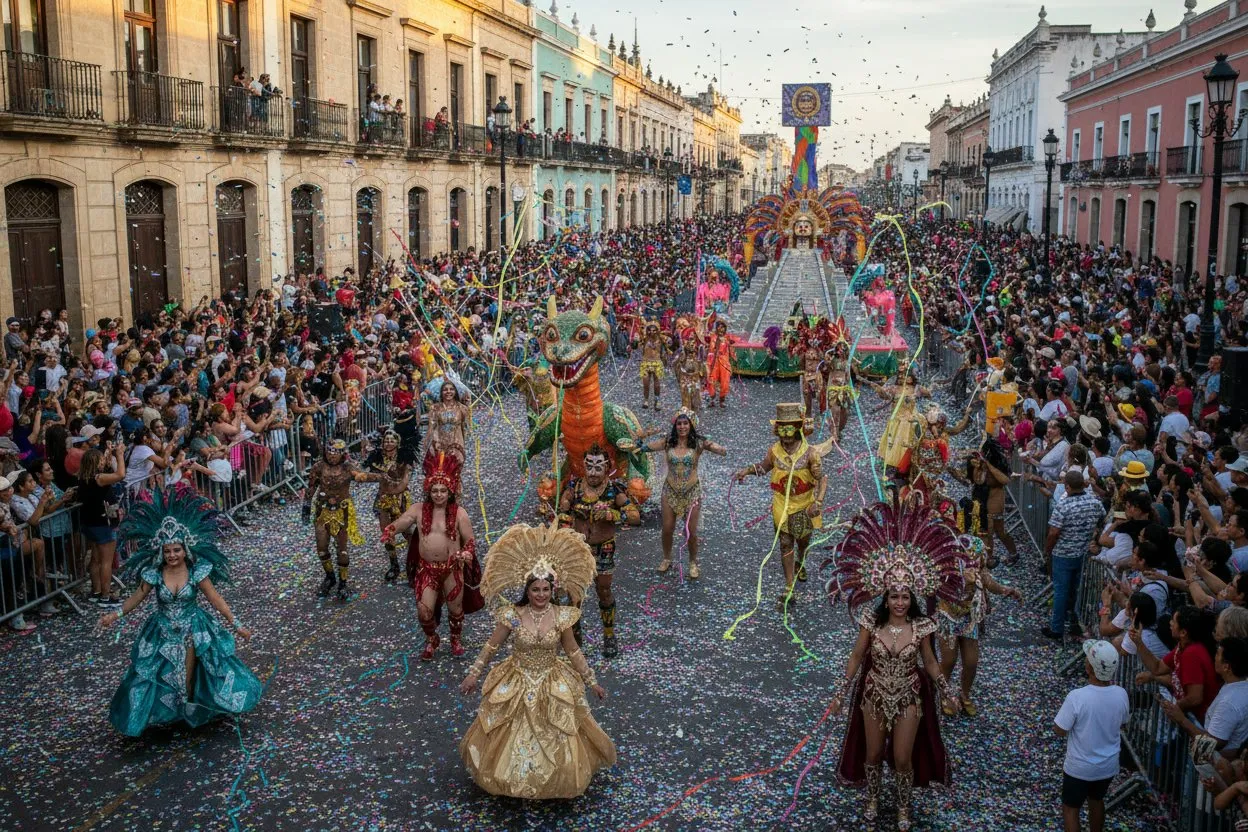
- Carnival (Feb): Torito flows from street carts. Empanada and tamale stalls multiply near the Zócalo for the week-long festival.
- Semana Santa (Mar-Apr): Most intense seafood week of the year. Even non-seafood restaurants run mariscos specials. Blue crab season at peak.
- Gulf crab season (year-round): Blue crab (jaiba) is available year-round from Gulf estuaries. Best quality February through June.
- Huachinango season: Red snapper is fished year-round in the Gulf of Mexico, with fresher supply during calmer seas (November-April).
What to Bring Home from Veracruz
- Torito bottles (250-500 MXN): Local liqueur in pineapple, mamey, or peanut flavors. Available at markets and liquor stores. Short shelf life — consume within 2 weeks.
- Xoconostle preserves (cactus fruit jam): From markets and artisan stalls.
- Vanilla from Papantla: The Totonac people of northern Veracruz grow the world’s finest vanilla. Papantla vanilla beans or extract (100-300 MXN for quality pods).
- Café de Coatepec: Specialty arabica from the Coatepec highlands. Look for 100% arabica single-estate bags at La Parroquia gift shop or specialty cafés (150-400 MXN).
- Dried chiles: Ancho, chipotle, and pasilla chiles used in Veracruz cooking. Markets sell them in bulk.
Getting to Veracruz
Veracruz city is 4.5-5 hours from Mexico City by ADO bus (TAPO terminal, 400-650 MXN) or 1 hour by flight (MEX→VER, 800-2,500 MXN). The Mexico City to Veracruz guide has full transport options.
From Boca del Río: shared colectivo 12-20 MXN from the Veracruz city center.
Plan Your Veracruz Trip
If you’re using food as the backbone of your itinerary, these guides help you connect meals with the rest of the trip:
- Veracruz travel guide
- Things to do in Veracruz
- Day trips from Veracruz
- Best hotels in Veracruz
- Papantla, Veracruz
- Orizaba, Veracruz
- Los Tuxtlas, Veracruz
- Veracruz beaches
- Mexico City to Veracruz
”What to Eat In” Food Cluster
This guide is part of a series covering essential local cuisine across Mexico:
- What to Eat in Cancun
- What to Eat in Mérida
- What to Eat in Oaxaca
- What to Eat in Mexico City
- What to Eat in Guadalajara
- What to Eat in Tulum
- What to Eat in Puerto Vallarta
- What to Eat in Monterrey
- What to Eat in Los Cabos
- What to Eat in San Cristóbal de las Casas
- What to Eat in Puebla
- Veracruz Food Guide (this guide)